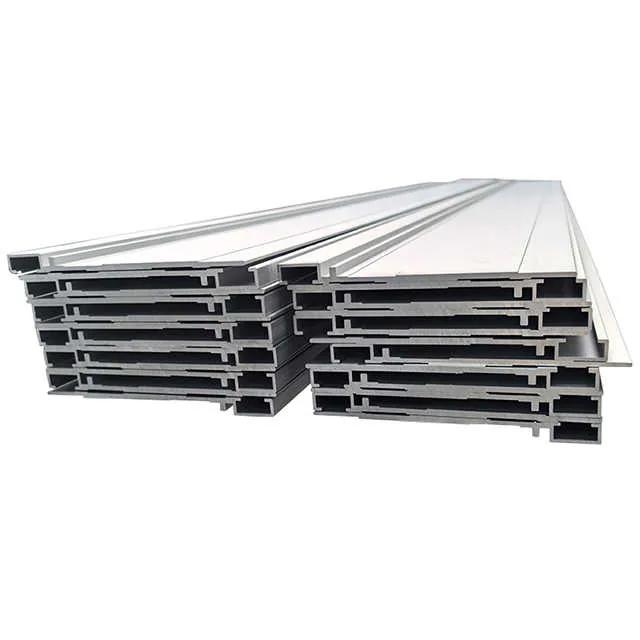
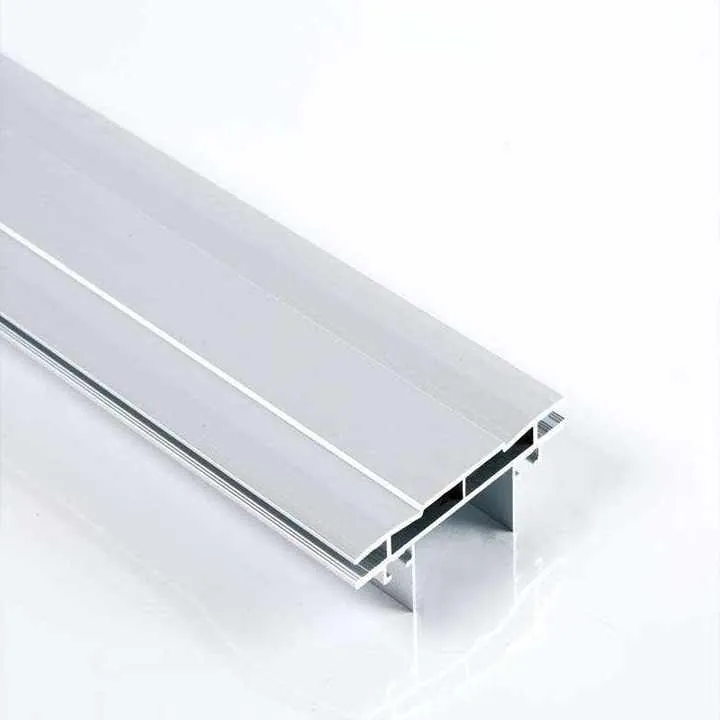
Hvordan prissætter man specialfremstillede aluminiumsprofiler?
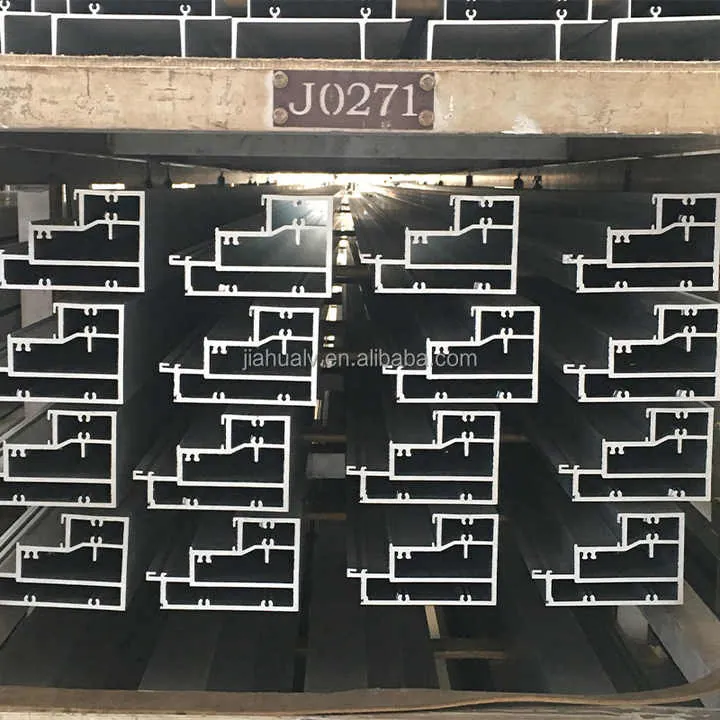
Jeg har set købere kæmpe med tilbud, der virker helt hen i vejret.
Her er bundlinjen: Man prissætter specialfremstillede aluminiumprofiler ved at opdele faktorer som råmateriale, værktøj, forarbejdning, efterbehandling og volumen i en formel.
Lad os gå igennem, hvordan jeg gør det trin for trin.
Nu vil jeg gå i dybden med hver del, så du kan opbygge din egen prislogik i stedet for bare at acceptere et tal.
Hvilke faktorer påvirker omkostningerne ved specialekstrudering?
Du ser på et tilbud og undrer dig over, hvorfor to meget ens profiler koster meget forskellige beløb.
Svar: Omkostningerne varierer, fordi prisen på råaluminium, profilstørrelse/form, værktøjs-/maskinomkostninger, arbejdskraft/overhead, efterbehandling, logistik og ordremængde alt sammen påvirker det endelige tal.
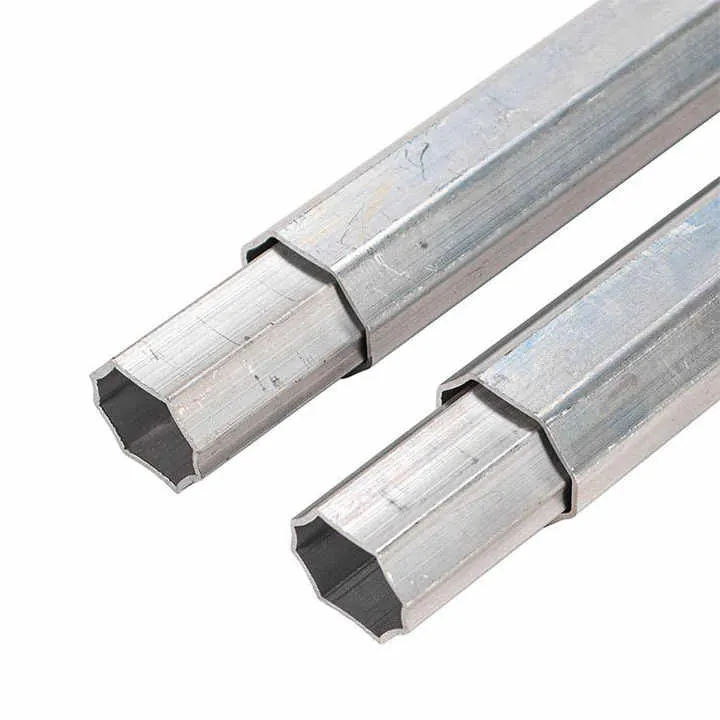
Dyk dybere
Når jeg beregner prisen på en specialfremstillet aluminiumprofil, ser jeg altid på disse hovedkomponenter:
Vigtige omkostningsdrivere
| Komponent | Hvad det betyder | Hvad du skal spørge din leverandør om |
|---|---|---|
| Råmateriale (aluminiumsbillet) | Prisen svinger med globalt udbud og legering | Hvilken legering bliver brugt? Hvad er billetprisen i dag? |
| Profilstørrelse/vægt pr. meter | Tungere profiler = mere metal = højere omkostninger | Hvad er vægten pr. meter? Kan vi reducere vægtykkelsen? |
| Værktøjs-/maskinomkostninger | Engangsomkostninger, der skal afskrives | Hvad koster matricen? Hvor mange meter dækker den? |
| Arbejdskraft og faste omkostninger | Forarbejdningsomkostninger, maskinomkostninger, afhængig af region | Hvilken region? Hvilken ændring/effektivitet? |
| Efterbehandling og sekundære operationer | Bearbejdning, anodisering, pulverlakering, bukning | Hvilke efterbehandlinger/operationer er inkluderet? |
| Logistik, emballage | Især for eksportordrer | Er fragt/emballage inkluderet? |
| Ordrevolumen | Højere volumen reducerer de faste omkostninger pr. enhed | Hvad er enhedsomkostningerne ved forskellige mængder? |
Nogle specifikke bemærkninger fra min erfaring
- Prisen på råaluminium kan ændre sig meget på baggrund af globale begivenheder, smelteværksproduktion og energiomkostninger. En rapport bemærkede, at billetprisen “er den største joker i hele ligningen.”
- Profilgeometrien er vigtig: En simpel flad stang er meget billigere end en kompleks profil med mange indvendige baner eller hulrum.
- Værktøjs-/formomkostninger er en stor fast omkostning. Hvis mængden er lav, vil værktøjsomkostningerne pr. meter dominere.
- Efterbehandling og sekundære operationer bliver ofte overset, men de koster meget. Hvis du har brug for avanceret finish (f.eks. tyk anodisering eller specialfarver), kan du forvente store omkostningsspring.
- Logistik- og eksportomkostninger er vigtige: Forsendelse, told og emballage kan koste meget, især i lange forsyningskæder.
- Ordrevolumen er en stærk løftestang: større serier udvander faste omkostninger som værktøj og opsætning og giver også bedre metalomkostninger og bedre effektivitet.
Praktiske forslag til at kontrollere omkostningerne
- Forenkle profilen: Reducer kompleksiteten, fjern unødvendige funktioner, gør vægtykkelsen ensartet.
- Vælg en standardlegering, hvis ydeevnen tillader det; mindre almindelige legeringer øger omkostningerne.
- Bed om en omkostningsfordeling: råmateriale + værktøj + forarbejdning + efterbehandling + logistik.
- Prøv at binde dig til en større mængde eller en længere kontrakt, hvis det er muligt, for at få bedre enhedspriser.
- Overvej indkøbsregion vs. leveringstid vs. kvalitet: en region med lavere arbejdskraft kan spare omkostninger, men overvej forsendelses- og kvalitetsrisiko.
Når du forstår disse faktorer, får du et godt grundlag for at vurdere tilbuddene i stedet for udelukkende at lade dig styre af prisen.
Prisen på råmaterialet er den største enkeltstående variabel i ekstruderingsomkostningerneSandt
Fordi materialet udgør 60-75% eller mere af omkostningerne for mange profiler.
Værktøjsomkostningerne har kun lille effekt på omkostningerne pr. meter ved meget små oplagFalsk
Faktisk har værktøjsomkostninger en stor effekt, når volumen er lav, fordi de faste omkostninger fordeles på færre enheder.
Hvorfor påvirker værktøjsgebyrer priserne?
Man skulle tro, at ekstruderingsdelen er enkel, når først matricen er lavet. Men værktøjsgebyrer betyder virkelig noget.
Svar: Fordi værktøjet definerer profilen, er de indledende omkostninger til at skabe værktøjet en stor fast omkostning, og det ændrer, hvordan du afskriver pr. meter. Jo mere kompleks profilen er, jo højere er værktøjsomkostningerne.

Dyk dybere
Værktøjs- eller formomkostninger er en af de mest misforståede ting, når man prissætter specialfremstillede aluminiumsprofiler. Her er, hvordan jeg ser på det:
Hvad værktøj betyder
En matrice er det hærdede stålværktøj, som ekstruderingen skubbes igennem for at skabe profilen. Omkostningerne afhænger af: profilens kompleksitet, værktøjets størrelse (omkredsdiameter eller CCD), hul eller massiv profil, antal hulrum, værktøjets materiale og finish og antallet af emner, som værktøjet forventes at producere.
Nøglefaktorer, der påvirker værktøjsomkostningerne
- Profilens kompleksitet: Hvis profilen har flere hulrum, tynde vægge, underskæringer, indvendige baner, er formdesign og fremstilling vanskeligere.
- Størrelse/CCD: Større profiler kræver større matriceblokke, mere stål og flere bearbejdningstimer.
- Antal hulrum: Stempler med flere hulrum (der producerer flere identiske profiler i ét presseslag) koster mere på forhånd, men kan reducere enhedsomkostningerne ved meget store mængder.
- Krav til tolerance og finish: Hvis profilen kræver meget snævre tolerancer eller særlig finish på matricen, stiger omkostningerne.
- Formens levetid / legeringskompatibilitet: Hårdere legeringer eller slibende materialer slider formene hurtigere, hvilket betyder, at formomkostningerne afskrives hurtigere.
- Regionale arbejds- og produktionsomkostninger: Omkostningerne til formfremstilling varierer fra region til region (arbejdskraft, værktøjsmaskiner, stålomkostninger).
Hvordan værktøjsomkostninger viser sig i prisen pr. meter
Hvis du har en værktøjsomkostning på f.eks. USD $2.000 og forventer at ekstrudere 20.000 kg gennem det værktøj, så er værktøjsomkostningen pr. kg $0,10. Hvis du kun producerer 2.000 kg, bliver værktøjsomkostningerne pr. kg $1,00. Så afskrivning af værktøjsomkostninger er meget volumenfølsom.
Hvad du kan gøre som køber
- Spørg: Hvad er prisen på matricen? Hvor mange kilo/meter afskrives den over?
- Overvej at genbruge matricen: Hvis du forventer gentagne ordrer, kan du forhandle om lavere værktøjsomkostninger, eller producenten kan beholde matricen til fremtidige oplag.
- Forenkle designet: Hvis du reducerer antallet af hulrum eller indvendige baner, kan du reducere formomkostningerne.
- Brug færre profilvarianter: Hvis du standardiserer formerne, minimerer du antallet af matricer.
- Hent afbryderen: Se separat linje for værktøj i tilbuddet, så du kan vurdere effekten af volumen.
Værktøjsgebyrer kan gøre forskellen mellem en rentabel profil og en, der æder din margin. Jeg indbygger altid en “værktøjsafskrivning” i min prismodel.
Formomkostningerne pr. meter er ubetydelige, hvis du kun bestiller et lille prøveparti.Falsk
For et lille prøveparti er formomkostningerne pr. meter faktisk meget betydelige, fordi de faste omkostninger er fordelt på få enheder.
Reduceret profilkompleksitet kan reducere værktøjsomkostningerne betydeligtSandt
En enklere profil betyder enklere værktøjsdesign, mindre bearbejdning, færre hulrum, hvilket sænker værktøjsomkostningerne.
Hvordan estimerer man ekstruderingsomkostninger pr. meter?
Du vil gerne have en brugbar tommelfingerregel til at estimere prisen pr. meter specialfremstillet aluminiumprofil.
Svar: Brug en formel, der summerer materialeomkostninger + forarbejdningsomkostninger + efterbehandling + afbetalte værktøjsomkostninger + logistik; divider derefter med antal meter eller kg for at få omkostninger pr. meter.

Dyk dybere
Når jeg estimerer omkostninger pr. meter, bruger jeg følgende strukturerede metode:
Trin-for-trin estimeringsmetode
- Bestem vægt pr. meter (kg/m): Baseret på tværsnitsareal og densitet af aluminium (~2,70 g/cm³).
- Estimer råvareomkostninger: F.eks. billetpris $2,50/kg (eksempel) × vægt pr. meter = materialepris pr. meter.
- Tilføj forarbejdnings-/produktionsomkostninger: Arbejdskraft, maskine, overhead. Kan udtrykkes som $/kg eller $/meter.
- Tilføj omkostninger til efterbehandling/sekundær drift: Hvis nogen bearbejdning, boring, anodisering, pulverlakering. Udtryk som $/meter eller $/kg.
- Tilføj amortiserede værktøjsomkostninger: Værktøjsomkostninger ÷ forventet antal meter (eller kg) = værktøjsomkostninger pr. meter.
- Tilføj omkostninger til logistik/emballage: Forsendelse, emballage, eksportafgifter, told. $/meter.
- Summen af omkostninger pr. meter: materiale + forarbejdning + efterbehandling + værktøj + logistik.
- Tilføj margin/overhead (hvis du er leverandør) eller avance (hvis du køber).
Beregnings eksempel
Lad os antage det:
- Vægt pr. meter = 2,5 kg
- Materialeomkostninger = $3,00/kg → 2,5 kg × $3,00 = $7,50/m
- Forarbejdningsomkostninger (arbejdskraft + maskine) = $1,20/m
- Efterbehandlingsomkostninger (anodisering) = $0,80/m
- Værktøj: formomkostninger $2.000 afskrives over 20.000 m → $0,10/m
- Logistik/emballage = $0,50/m
Så er de samlede anslåede omkostninger = $7,50 + $1,20 + $0,80 + $0,10 + $0,50 =. $10.10 pr. meter (før margin).
Ud fra dette kan du sammenligne leverandørernes tilbud og stille spørgsmål, hvis prisen pr. meter ser høj ud (f.eks. $12/m eller mere).
Ting at holde øje med
- Vægt pr. meter: Hvis profilen er tung (f.eks. 5 kg/m), fordobles omkostningerne i forhold til en profil på 2,5 kg/m.
- Finish: Premium-finish (trækorn, høj farve, super tyk anodisering) kan koste meget mere end standardfinish.
- Lille partistørrelse: Værktøjs- og opsætningsomkostninger pr. meter stiger drastisk, når den samlede mængde er lav.
- Skjulte omkostninger: Emballage, told, ekstra håndtering, QC-inspektioner kan dukke op senere.
- Regionale forskelle: Lønomkostninger, energiomkostninger og forsendelsesomkostninger varierer fra region til region og skal medregnes.
Praktiske tips
- Spørg leverandøren om vægt pr. meter og pris pr. kg for ekstruderede aluminiumskomponenter.
- Bed om prisen for efterbehandling pr. meter separat for at sammenligne efterbehandlingsalternativer (anodisering vs. pulverlakering).
- Bed om en forklaring på afskrivning af værktøj: Hvor mange meter/enheder er værktøjsomkostningerne fordelt på?
- Brug en simpel regnearksmodel med ovenstående formel, så du kan indsætte dine egne tal og teste forskellige scenarier.
- Overvej flere volumenscenarier (f.eks. 1.000 m vs. 10.000 m) for at se, hvordan omkostningerne pr. meter falder med volumen.
Ved at lave dit eget estimat pr. meter går du fra at gætte til at forstå, og du er i en stærkere forhandlingsposition.
Hvis vægten pr. meter fordobles, fordobles materialeomkostningerne pr. meter (alt andet lige).Sandt
Fordi materialeomkostningerne er direkte proportionale med massen af aluminium i profilen.
Efterbehandlingsomkostningerne pr. meter er altid en fast procentdel af materialeomkostningerneFalsk
Efterbehandlingsomkostningerne pr. meter afhænger af efterbehandlingsprocessens kompleksitet og er ikke strengt knyttet til materialeomkostningerne.
Kan mængderabatter reducere brugerdefinerede priser?
Du håber, at hvis du bestiller mere, får du automatisk et lavere tilbud - og du har ret, men kun hvis du planlægger rigtigt.
Svar: Ja, større mængder reducerer omkostningerne pr. meter, fordi de faste omkostninger (værktøj, opsætning, afskrivning af værktøj) spredes, effektiviteten øges, og metalindkøb forbedres. Men du skal overveje strategi for produktionskørsel, designstabilitet og lagerrisiko.

Dyk dybere
Volumen er et af de mest effektive midler til at reducere omkostningerne ved specialfremstillede aluminiumprofiler. Nedenfor kan du se, hvordan jeg ser på det:
Hvorfor volumen er vigtig
- Faste omkostninger (værktøj, opsætning) afskrives over flere meter: Omkostningerne pr. meter falder, når mængden stiger.
- Leverandører optimerer maskinkørsler for store partier: færre stop, bedre udbytte, mere effektiv drift.
- Massebestilling af råmateriale kan give bedre priser fra møllen.
- Forsendelses- og logistikomkostninger pr. enhed falder: En fuld containerlast er billigere pr. enhed end en halv last.
- Leverandører er mere villige til at tilbyde rabatter, hvis du forpligter dig til fremtidige mængder (gentagne ordrer).
Hvad du skal forhandle om og holde øje med
- Fastlæg grænseværdier: Spørg leverandøren, hvilken mængde der giver lavere omkostninger pr. meter (f.eks. 1.000 m vs. 5.000 m).
- Forpligtelse vs. fleksibilitet: Nogle gange kræver en bedre rente, at man forpligter sig til en bestemt mængde eller en længere periode.
- Stabilitet i designet: Hvis du bestiller en stor mængde, men senere ændrer designet, risikerer du, at lageret strander, eller at der skal laves nye værktøjer.
- Lager- og opbevaringsomkostninger: At købe mere på forhånd sænker enhedsprisen, men øger dine lageromkostninger og risikoen for forældelse.
- Mindste ordremængde (MOQ): Nogle ekstrudere hæver enhedsomkostningerne, hvis du ikke når MOQ.
- Ordrer med tidsbegrænsning: Hvis du ikke har brug for det hele på én gang, kan du se, om leverandøren tillader en “call-off”-ordning, hvor du låser prisen, men trækker på mængden over tid.
Eksempel fra marken
En leverandør af ekstruderingsprodukter bemærkede: “Hvis du køber 100 kg ekstruderede produkter, får du måske en rabat, men hvis du køber 300 kg eller mere, kan vi helt fjerne opstillingsgebyret, fordi vi rammer den optimale oplagsstørrelse.”
I praksis har jeg set, at omkostningerne pr. meter falder med 10-30%, når man går fra en lille ordre (f.eks. 500 m) til en stor ordre (f.eks. 5.000 m).
God praksis
- Lav en volumen vs. omkostningskurve: f.eks. anslåede omkostninger ved 500 m, 2.000 m, 10.000 m. Det hjælper dig med at beslutte, om du skal konsolidere ordrer.
- Tal med leverandøren om langsigtede forretninger: “Hvis vi forpligter os til X mio. over 12 måneder, hvilken pris giver I så?”
- Standardiser profilformerne på tværs af projekter, så den samlede volumen opbygges.
- Overvej flerårige kontrakter eller gentagne ordrer for at forbedre hastigheden.
- Balancer mellem leveringstid og volumen: meget store serier kan øge leveringstid; sørg for, at de passer ind i din tidsplan.
Så ja, mængderabatter reducerer absolut omkostningerne, men kun hvis du planlægger strategisk i stedet for blot at “bestille mere og håbe”.
Bestilling af flere meter reducerer altid prisen pr. meterFalsk
At bestille mere *kan* reducere omkostningerne, men hvis designet ændres, lageromkostningerne stiger eller leveringstiden forringes, kan fordelene gå tabt.
En leverandør kan give afkald på opsætnings- eller værktøjsgebyrer, når du overskrider en bestemt mængdegrænseSandt
Fordi større mængder giver leverandøren mulighed for at sprede de faste omkostninger og forbedre driftseffektiviteten, giver de ofte afkald på eller reducerer opstillings-/værktøjsgebyrer.
Konklusion
Ud fra min erfaring med at arbejde med specialfremstillede aluminiumsprofiler er prisfastsættelse langt mere end et “$/meter”-tal. Den bygger på omkostninger til råmaterialer, profilvægt og -kompleksitet, værktøjsinvesteringer, forarbejdning/færdiggørelse, volumendynamik og logistik. Ved at forstå hver enkelt faktor og opbygge dit eget estimat pr. meter står du i en stærkere position til at forhandle, undgå overraskelser og holde dit budget på sporet. God prissætning starter med gode spørgsmål og en klar opdeling.