Hvordan samler man to aluminiumsprofiler?
When joining aluminum extrusions you might face weak joints, misalignment or complex fabrication. I’ll help you see how to pick and apply the right method.
You can join aluminum extrusions using mechanical fasteners, adhesives or specialized connectors — and the best choice depends on load direction, alignment needs and strength demands.
Now let’s break down key questions you’ll ask when designing or selecting a joint between two aluminum extrusions, and dig deeper into each.
What fastening options link two profiles?
Many designers struggle to choose between bolts, brackets, inserts or adhesives when joining extrusions.
Common fastening options include screw‑and‑nut systems, angle brackets, internal connectors and adhesives, each fitting different use‑cases for aluminum extrusion profiles.
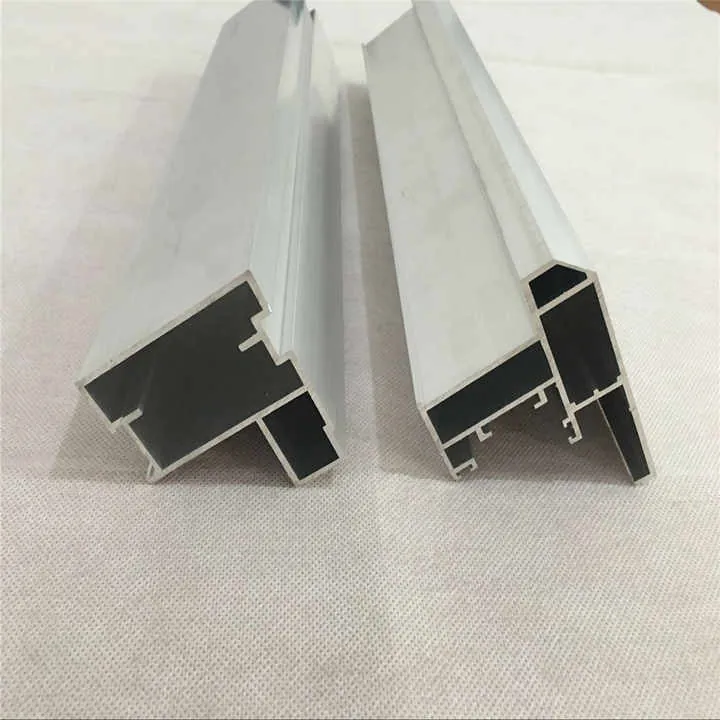
When you join two aluminum extrusion profiles, you want the connection to withstand load, remain aligned, avoid excessive re‑work, and fit your manufacturing setup. Below is a table summarizing key fastening options:
| Mulighed | Beskrivelse | Advantages / Considerations |
|---|---|---|
| Screw & T‑nut (slot nut) | Using a T‑nut inside the slot and a bolt to join two profiles | Very modular; easy to adjust; common in T‑slot systems |
| Angle bracket / corner plate | External bracket that bolts to each profile side | Good for fixed angle joints; simple; may add extra thickness |
| Internal connector (barrel, cleat) | Hidden connector inserted into end or side of profile | Clean aesthetic; strong if properly designed; may require machining or access hole |
| Selvklæbende limning | Use structural adhesive between extrusions | No mechanical holes; good for smooth surfaces or aesthetic joins; strength depends on surface prep and adhesive type |
| Welding / fusion techniques | Weld extruded pieces (rare in simple frame use) | Very permanent; heavy equipment; less modular; may distort extrusion |
When choosing your fastening option, ask:
- Will I need to adjust or disassemble the joint?
- What loads will act on the joint (shear, tensile, bending)?
- Are aesthetics, surface finish, or space constraints important?
- Do I have machining or drilling access?
- What is the profile geometry?
One practical tip: If you are working with a company that supplies custom aluminium extrusions, consider designing mating features (holes, slots, boss features) early to simplify the connection process.
Using only bolts and brackets covers all joining needs for aluminium extrusionsFalsk
Bolts and brackets are versatile but for some applications adhesives, internal connectors or welding may be more suitable depending on load, aesthetics or access
T‑slot nut and bolt fastening is a common modular method for aluminium extrusion framesSandt
T‑slot systems use nut tracks and bolts for modular assembly of aluminium extrusions
Why load direction affects joint choice?
Even a well‑made joint can fail quickly if you don’t consider the direction of forces acting on it.
The direction of load (tension, shear, bending) influences which joint type and fastening method you should choose for joining aluminum extrusions.

When designing a joint between two aluminium extrusion profiles, understanding how the load acts is critical. The mechanical behaviour differs significantly depending on whether the load tries to pull the two pieces apart (tension), slide them past each other (shear), bend them, or create torsion. Here’s how to break it down:
Tension (pull apart)
If the two profiles are being pulled directly apart, the joint must resist tensile forces. A simple bracket may not suffice. You need connectors that clamp the profiles or through‑fastening bolts. Also ensure the aluminium wall and insert strength are adequate.
Shear (sliding past)
For shear loading, fasteners and joints must resist sliding. Properly sized brackets or bolts can work, but you must check extrusion wall strength.
Bending / Moment
If the joint is under bending, it will see complex stresses. In such cases, use gussets, large brackets, or full‑section connectors.
Torsion (twisting)
Twisting needs resistance to rotation. A single bolt may allow rotation. Use dual fasteners or cross‑plates.
Because joints optimized for one force may fail under another, evaluate which loads dominate. Match connector type to that.
A bracket that handles shear load will always handle tensile load just as wellFalsk
Shear and tensile loads act differently; a bracket sized for shear may not handle direct pull‑apart tensile load
Understanding whether the load pulls apart or slides the joint helps select the right connectorSandt
Yes, identifying the load direction aids in choosing appropriate fastener or connector design
How to avoid misalignment under load?
Even with a strong mechanical join, misalignment can ruin the performance or aesthetics of your aluminium frame.
To avoid misalignment under load, you must control tolerances, use proper fixturing, include locating features, and design for load transfer in your aluminium extrusion joint.
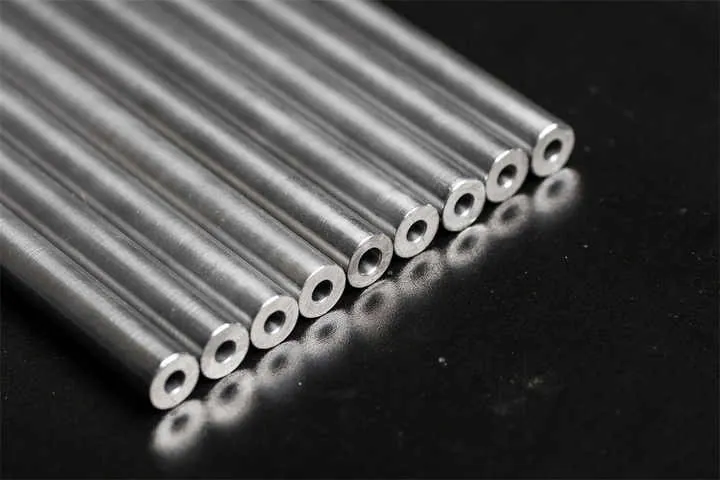
Misalignment between aluminium extrusion profiles often arises when loads cause joint movement, fastener clearance allows slop, or profiles are not precisely aligned during assembly. Here are practical steps to avoid it:
Use locating features and precision assembly
Machine in features that locate parts before fastening:
- Pre‑drilled holes that match
- Dowel pins or indexing features
- Tight internal connectors
Control clearance and fastener fit
Use minimal clearance holes and lock nuts to reduce movement. Loose fits allow slop under load.
Spread load and stiffen the joint
Narrow joints may deflect. Use:
- Larger brackets or gussets
- Dual fasteners
- Thick profile walls
Consider tolerances and thermal effects
Aluminium expands/contracts with temperature. Long spans need tolerance. Include adjustability.
Vedligeholdelse
Repeated loading can loosen joints. Use locking washers and check fasteners over time.
Checklist:
- Clean mating surfaces
- Matched holes
- Tight fasteners
- Stiff brackets
- Torque checks
- Accessible joints
Using a single bolt at a narrow bracket always prevents misalignmentFalsk
A single bolt may allow rotation or slop; joint design must consider rigidity and multiple fasteners
Pre‑machining matched holes and using locating features helps control alignmentSandt
Yes, accurate locating features ensure parts align before and during fastening
Can gussets strengthen profile unions?
When the load or joint size exceeds simple fastening, adding gussets is often a smart move.
Yes — gussets (triangular reinforcing plates) can significantly strengthen the union of aluminium extrusion profiles by increasing moment resistance and reducing deflection at the joint.

A gusset is a triangular or trapezoidal plate that connects two members to distribute load, increase stiffness and resist bending or rotation.
When to use gussets
- Bending or moment loads
- Concern for deflection
- Insufficient simple fasteners
- Long spans or heavy duty frames
How gussets strengthen joints
- Spread load across profile walls
- Reduce lever arms
- Add triangulation
- Help transfer shear/moment
Design and installation
- Adequate thickness
- Extend along each profile
- Sufficient fasteners
- Compatible profile strength
- Good access
- Corrosion matching
Practical uses
Heavy frames or machine structures benefit from gussets. Even T‑slot systems add gusset plates when extra strength is needed.
Afvejninger
- More material
- Longer assembly
- Space usage
- Less clean appearance
Gussets can convert a simple bracket joint into a rigid, high‑moment jointSandt
Yes, gussets add stiffness and distribute loads so the joint resists bending and moment
Gussets are unnecessary for any aluminium extrusion jointFalsk
For many heavy duty or long span joints gussets may be required to maintain strength and stiffness
Konklusion
In summary, joining two aluminium extrusions well means selecting the right fastening option, aligning your choice to load direction, preventing misalignment through good fit‑up and support, and using gussets when you need extra strength or stiffness. If you follow these steps, your joint will perform and your assembly will last.