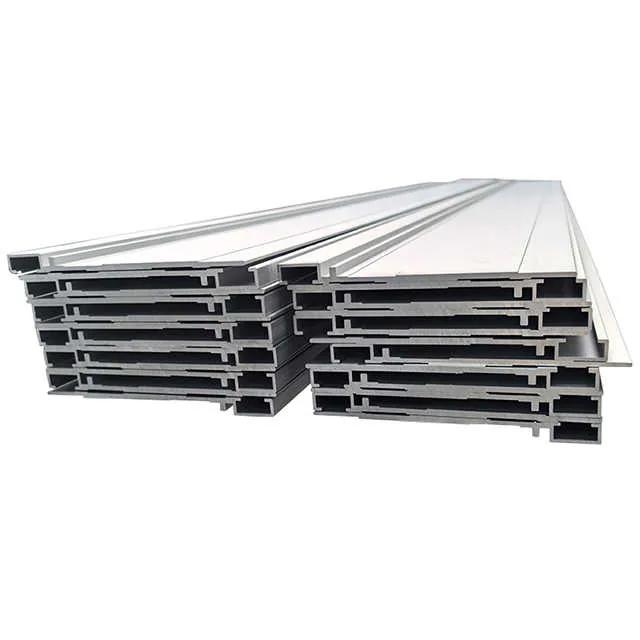
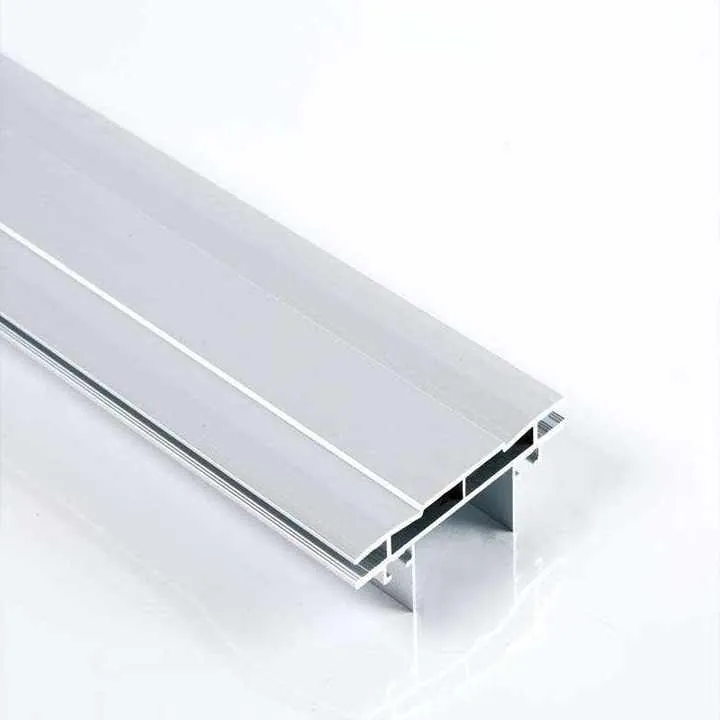
Hvordan fremstilles aluminiumsekstruderinger?
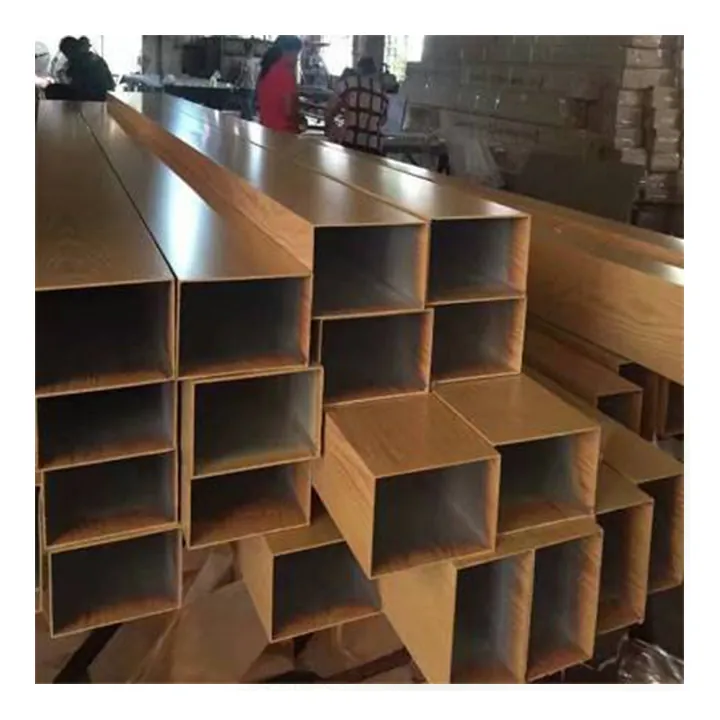
Da jeg første gang besøgte en ekstruderingslinje, så jeg, hvordan en solid aluminiumsbillet blev omdannet til en lang, kompleks profil. Det var ikke bare at skubbe metal - det var en omhyggeligt orkestreret proces. Jeg vil gennemgå, hvordan ekstruderede dele fremstilles, og hvorfor hver enkelt del er vigtig.
Hvilket udstyr udfører ekstruderingsformning?
Forestil dig en stor hydraulisk maskine, en glødende ovn og præcisionsskærere, der alle arbejder sammen om at lave dine ekstruderede profiler. Det er ekstruderingens udstyrsfase.
Udstyret omfatter billetovne, ekstruderingspresser (hydrauliske stempler og beholdere), udløbsborde med aftrækkere, køle-/slukningssystemer, strækkemaskiner, save til skæring og efterbehandlings-/ældningsovne.

Nedbrydning af større udstyr
- Billet-ovn: En ovn, der opvarmer solide aluminiumsblokke (cylindre) til arbejdstemperatur, så metallet bliver formbart.
- Ekstruderingspresse: En stor hydraulisk presse, der anvender meget højt tryk (i nogle tilfælde tusindvis af tons) for at tvinge den opvarmede billet gennem en matrice.
- Samling af beholder og stempel: Billetten sidder i en beholder, og en stempel skubber den; beholderen holder billetten og styrer strømmen.
- Form- og værktøjssæt: Formen lægges i pressen, justeres og monteres med støtteværktøj.
- Udløbsbord og aftrækker: Når ekstruderingen kommer ud af matricen, føres profilen langs et udløbsbord og trækkes for at kontrollere hastighed og form.
- Køle- og slukningssystem: Når profilen kommer ud, afkøles den enten via vand, luft eller bad for at fastlægge dens form og metallurgiske tilstand.
- Strækjern / glattejern: Da ekstruderede profiler kan vrides eller bøjes, griber og strækker maskinerne dem for at rette op på retningen og afhjælpe indre spændinger.
- Skærende save: Profiler skæres til i længden ved hjælp af varme eller kolde save; præcision er påkrævet til efterfølgende operationer.
- Ovne til modning og efterbehandling: Afhængigt af legering og temperering kan profiler placeres i ovne til varmebehandling (f.eks. T5, T6) og derefter flyttes til udstyr til overfladebehandling (anodisering, pulverlakering).
Hvorfor det er vigtigt for din virksomhed
Da du leverer specialfremstillede aluminiumsprofiler til byggeri, industri, solenergi og arkitektur, hjælper kendskab til udstyret dig med at evaluere din leverandør (eller din egen linje). Hvis din partner har moderne presser, præcise strækkere og ordentlige kølesystemer, vil du se bedre rethed, bedre tolerancer, mindre skævhed og overlegen finish. På den anden side kan ældre udstyr - eller manglende dele - gå ud over kvaliteten, øge kassationen og forsinke leveringen.
Ekstruderingspressen er det eneste udstyr, der er nødvendigt for at lave en aluminiumsprofil fra start til slut.Falsk
Pressen er central, men mange andre maskiner (ovn, strækker, køling, save, efterbehandling) er nødvendige for at fuldføre processen.
Et godt udløbsbord og aftrækker er vigtige udstyrselementer for at sikre et ensartet flow og en ensartet form på den ekstruderede profil.Sandt
Udløbs- og træksystemet kontrollerer hastigheden, undgår bøjning og styrer profilen gennem køling og skæring.
Hvorfor påvirker værktøjsdesignet ekstruderingen?
Værktøjet er en integreret del af enhver profil, du leverer. Hvis matricen er dårligt designet eller vedligeholdt, kan det gå ud over dit slutprodukts form, overflade, styrke eller konsistens.
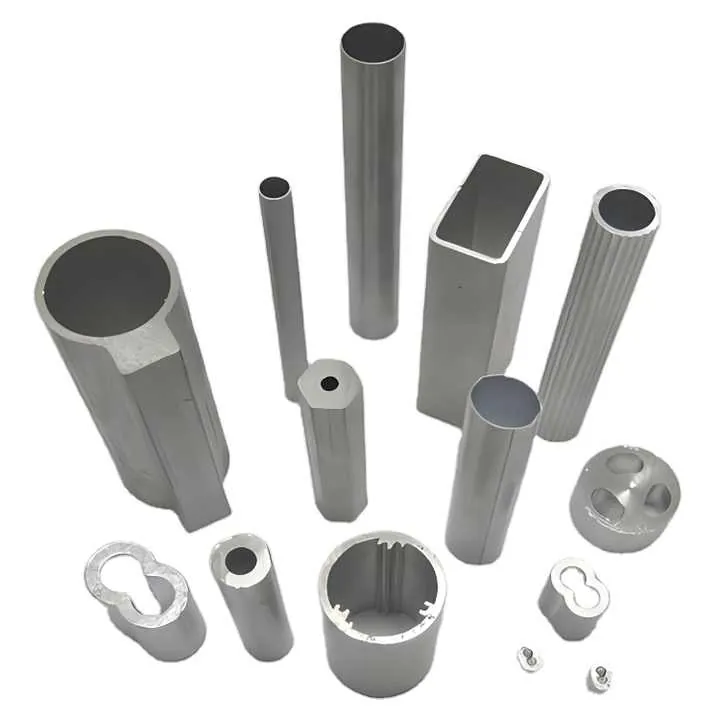
Formdesignet påvirker ekstruderingen, fordi formen, strømningsegenskaberne, de indvendige støtter (for hule profiler), lejelængderne, formens materiale og dens termiske styring alt sammen bestemmer, hvor jævnt og præcist aluminium strømmer, hvor ensartet profilen er, og hvor god overfladefinishen bliver.
Vigtige faktorer for formdesign
- Den åbningsform i matricen matcher tværsnittet af den færdige profil. Nøjagtigheden her påvirker direkte den endelige delgeometri.
- Bærende længde i matricen styrer materialets strømningshastighed, ensartethed og overfladetilstand; for kort eller for langt leje kan forårsage defekter.
- I hule eller halvhule sektioner omfatter matricen Dorne, Broens benog edderkopper til at understøtte indre hulrum; designet her påvirker vægtykkelse, svejselinjer og indre spændinger.
- Værktøjsstålkvalitet, formens overfladefinish og termisk kontrol (forvarmning, isolering) påvirker formens levetid, konsistens og risikoen for overflademærker på profilen.
- Optimering af strømningsveje spørgsmål: hvordan metallet kommer ind i og flyder gennem matricen påvirker indre spændinger, temperaturstigning og kornstruktur.
Indflydelse på dit produktudbud
Når dine kunder forventer snævre tolerancer, fremragende finish og ensartede længder til rammer, solcellebeslag eller industrielle systemer, bliver værktøjsdesign en konkurrencefordel. Hvis din leverandør har værktøjsdesign og -vedligeholdelse af høj kvalitet, vil du få gavn af færre defekter, mindre variation og bedre downstream-bearbejdning. Omvendt kan dårligt værktøjsdesign betyde, at du får problemer med skævheder, ujævne vægge, overfladelinjer eller øgede omkostninger til opretning.
Formdesignet påvirker kun ekstruderingens form og ikke dens mekaniske egenskaber.Falsk
Formdesignet påvirker flow, temperaturstigning og kornstruktur, som igen påvirker de mekaniske egenskaber og overfladefinishen.
Investering i værktøjsdesign af høj kvalitet hjælper med at reducere skrot og forbedrer profilkonsistensen på tværs af produktionskørsler.Sandt
Bedre værktøjsdesign betyder et mere ensartet flow, færre fejl og mere ensartede emner.
Hvor påvirker køling ekstruderingskvaliteten?
Afkøling er ikke bare et “finish-trin”. Hvordan og hvornår profilen afkøles, påvirker rethed, overfladetilstand, indre struktur og muligheden for at bearbejde eller færdiggøre produktet.
Køling påvirker ekstruderingskvaliteten ved at stabilisere profilgeometrien, fastlægge legeringens mikrostruktur, reducere restspændinger og forhindre skævvridning eller overdreven indre deformation.

Detaljer om køleprocessen
- Umiddelbart efter at ekstruderingen har forladt matricen, er den meget varm og blød; en slukke (vandbad eller luftslukning) kan anvendes til at fastholde formen og påvirke materialets egenskaber (især for varmebehandlingsbare legeringer).
- Profilen fortsætter derefter langs et udløbsbord til en kølebord hvor det når omgivelsestemperatur før yderligere trin som strækning eller bearbejdning.
- Hvis afkølingen er ujævn eller for langsom, kan profilen blive skæv, snoet eller forvredet, hvilket påvirker rethed og pasform.
- Kølehastigheden interagerer med legeringstype, temperering og vægtykkelse; moderne ekstrudere styrer kølehastighederne for at opfylde dimensionelle og metallurgiske specifikationer.
- Effektiv afkøling reducerer også termiske gradienter, hvilket hjælper med at undgå overfladefejl, indre revnedannelser eller uensartet mikrostruktur.
Hvorfor det er vigtigt for dig
Når du i din forsyningskæde lover lige, færdigbehandlede profiler til dine kunder (f.eks. til solcelleanlæg eller arkitektoniske formål), sikrer korrekt køling, at emnerne er stabile og dimensionelt ensartede. Hvis kølingen er dårlig, kan det medføre ekstra opretning, skrot eller overfladefejl, som påvirker omkostningerne og leveringstiden.
En for hurtig afkøling af ekstruderingen reducerer altid dens styrke.Falsk
For hurtig afkøling kan påvirke mikrostrukturen negativt afhængigt af legering og temperering, men korrekt styret afkøling kan forbedre den mekaniske ydeevne.
Korrekt afkøling og slukning af ekstruderingen umiddelbart efter, at den har forladt matricen, reducerer skævvridning og forbedrer retheden.Sandt
Kontrolleret afkøling hjælper med at sætte formen, reducere indre spændinger og bevare geometrien.
Kan efterbehandling forbedre ekstruderinger?
Når ekstruderingen er lavet og afkølet, er der mange efterfølgende processer, som forbedrer dens kvalitet, funktionalitet og udseende. For din virksomhed betyder de lige så meget som selve ekstruderingsformen.
Efterbehandling kan forbedre profiler ved at anvende varmebehandling (ældning, anløbning), udretning, bearbejdning, overfladebehandling (anodisering, pulverlakering, overførsel af trækorn), boring/fræsning og montering, så profilen er klar til installation eller yderligere fremstilling.
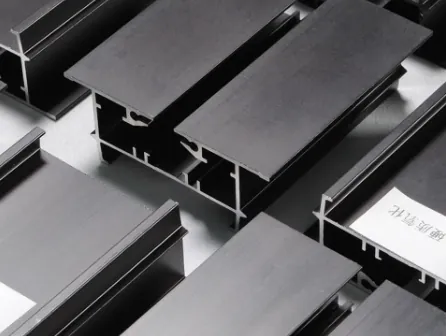
Almindelige efterbehandlingsoperationer
- Aldring/varmebehandling: For legeringer, der kræver mekanisk styrke, ældes profilen efter ekstrudering i en ovn (f.eks. T5, T6) for at udvikle hårdhed, styrke og udmattelsesmodstand.
- Udstrækning/udretning: Som tidligere nævnt justerer retteprocesser profilen og afhjælper indre spændinger, så downstream-applikationer kan stole på geometrien.
- Skæring til endelig længde og efterbehandling af saven: Profiler skæres i kundespecifikke længder og kan saves, presses, geringes eller beskæres afhængigt af design.
- Overfladebehandlinger: Anodisering øger korrosionsbestandigheden og overfladehårdheden; pulverlakering eller sprayfinish tilføjer æstetiske og beskyttende lag; overførsel af trækorn giver dekorativ finish - alt dette øger markedsværdien.
- Bearbejdning / fremstilling: Der kan bores huller, fræses slidser, udføres gevindskæring, svejses eller bøjes. Dette tilføjer funktionel værdi for din kunde.
- Forberedelse af emballage og forsendelse: Korrekt emballage beskytter finishen og geometrien under transport, hvilket sikrer profilen indtil installation.
Forretningseffekt for din forsyningskæde
Da dit brand leverer specialfremstillede aluminiumsprofiler (10 mm-400 mm) og tilbyder flere overfladebehandlinger til globale kunder i Afrika, Nordamerika, Japan, Mellemøsten og Europa, er efterbehandling afgørende. Ved at tilbyde eller samarbejde om finish i høj kvalitet og præcis bearbejdning differentierer du dig. Dine kunder forventer dele, der er klar til at blive installeret. Hvis du “bare leverer ekstruderede profiler”, og de skal foretage en kraftig efterbehandling, vælger de måske en anden.
Når ekstruderingen er skåret til i længden, kan efterbehandlingen ikke forbedre dens rethed eller finish.Falsk
Efterbehandling som strækning og efterbehandling har stor indflydelse på rethed, overfladekvalitet og produktværdi.
Anodisering eller pulverlakering er et efterbehandlingstrin, der forbedrer både udseende og korrosionsbestandighed af profiler.Sandt
Overfladebehandlinger giver de ekstruderede profiler en beskyttende og æstetisk værdi.
Konklusion
Fremstillingen af aluminiumprofiler involverer avancerede maskiner og udstyr, præcist værktøjsdesign, kontrolleret køling og betydelige efterbehandlingstrin. For dig som leverandør af specialprofiler giver det dig bedre kontrol, dybere diskussioner med dine partnere og en stærkere positionering hos dine kunder at forstå hvert trin - fra presse til finish. Når udstyret er rigtigt, matricen er veldesignet, kølingen er kontrolleret, og efterbehandlingen er i top - så leverer du ægte værdi, kvalitet og pålidelighed i hver profil.