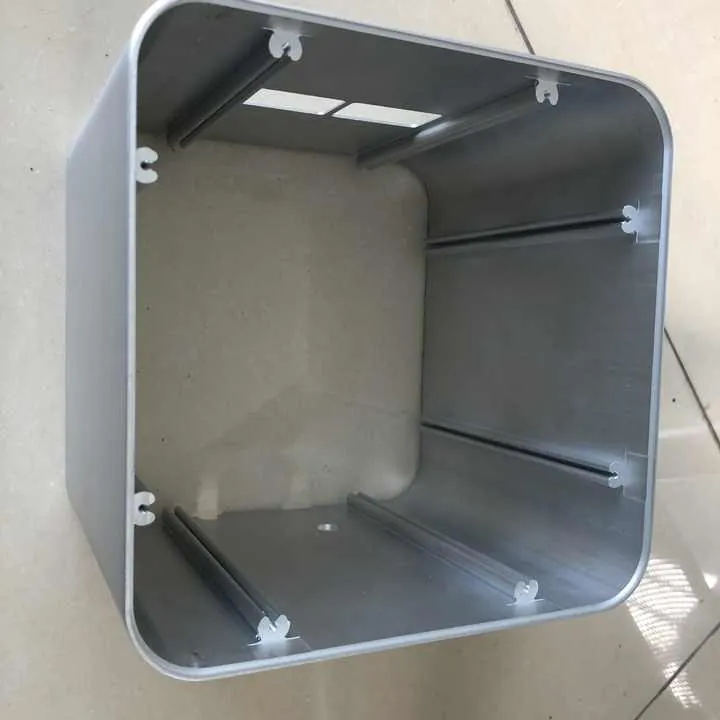
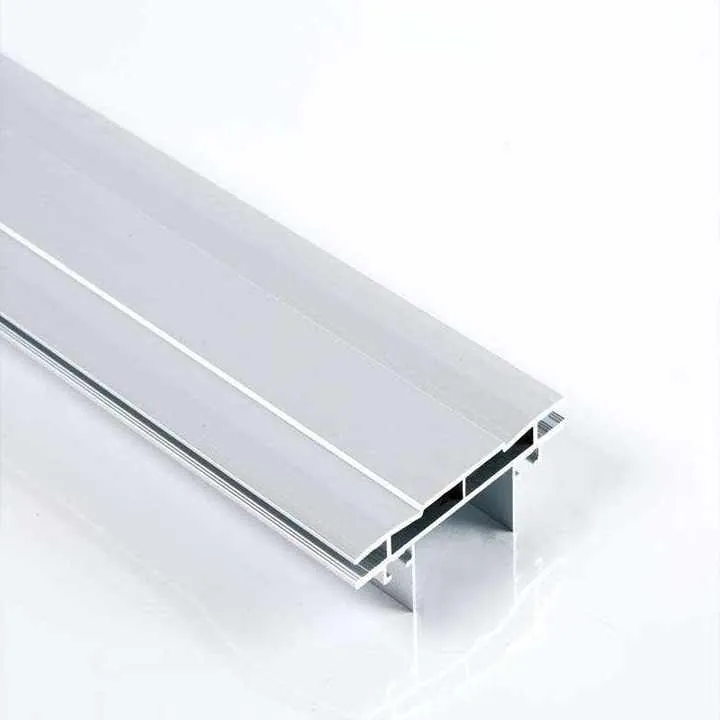
how are aluminum extrusions connected?

I once struggled to find a reliable way to join aluminium extrusions for a custom frame, until I discovered the right connection method that solved the problem quickly.
Aluminium extrusions are typically connected using mechanical fasteners, specialised connectors or brackets — each method offering specific advantages for structural stability, modularity and ease of assembly.
Let’s now explore the different connection methods in depth — how they work, why one might choose them, and how to design joints that perform well.
Hvilke fastgørelseselementer forbinder ekstruderingsrammer?
Imagine assembling a frame only to realise the joints wiggle — that’s the pain of choosing the wrong fastener.
Common fasteners for extrusion frames include bolts, T‑nuts, screws and rivets, which enable secure mechanical connections without welding.

When I worked with T‑slot aluminium profiles, we used fasteners because they allow adjustable, modular assembly. For example, a T‑nut slides into the slot of a profile, then a bolt is used to clamp it. According to documented methods, mechanical fastening (bolts, nuts, rivets) is a simple yet effective way to join aluminium profiles — especially where modular design is needed.
Typical fasteners
| Type | Brugssag | Fordele | Ulemper |
|---|---|---|---|
| Bolt + T‑nut | T‑slot profiles, adjustable joints | Strong clamp, modular | Requires slot access, may need machining |
| Screw into tapped end | Tight joint where aesthetics matter | Clean look, no slot obstruction | Harder to adjust, needs tapping |
| Rivet / pop‑rivet | Lightweight or sheet connections | Quick to install | Not adjustable, harder to disassemble |
In practice, one method described: “M12 screw” for extrusion connecting offers high resistance to vibration and no slot obstruction. The article notes the con: access hole required which reduces adjustability. Choosing the correct fastener depends on load demands, vibration, need to adjust later, aesthetics, and cost.
In summary, if you have a modular frame with extrusions (for example industrial machine guards, conveyor frames, workstations) you will often see bolts and T‑nuts — they allow you to slide components, reposition them, and reuse parts. On the other hand, if the structure is fixed and permanent, a more robust method might be chosen.
Mechanical bolts and T‑nuts are the most commonly used fasteners for aluminium extrusion frame jointsSandt
Multiple sources cite bolts and T‑nuts as standard hardware for T‑slot aluminium profiles.
Rivets are ideal for adjustable aluminium extrusion joints with frequent disassemblyFalsk
Rivets provide permanent joints and are not well‑suited to repeated disassembly or modular adjustment.
Why connectors outperform welding in modular systems?
What if you welded your aluminium frame only to find you need to reconfigure it? That mistake would cost you time and money.
Connectors allow for modular assembly, re‑adjustment and minimal heat impact — making them more suitable than welding for many aluminium extrusion systems.
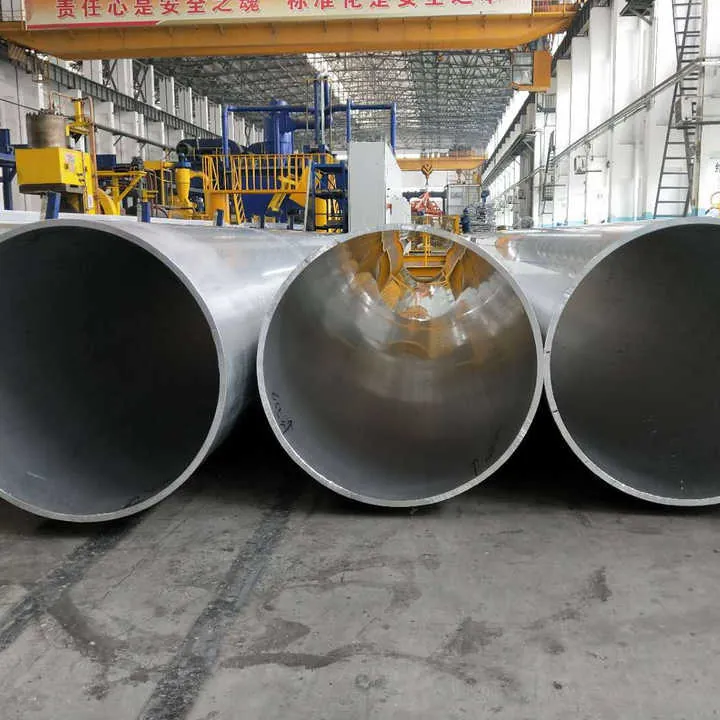
In systems built from aluminium extrusions and T‑slot profiles, one of the big benefits is modularity: you can change the configuration, add or remove sections, adjust panels, etc. If you weld, you lose that adjustability and introduce heat risks like distortion or weakening of the alloy.
For instance, one source lists “20 aluminium profile connection methods” which emphasises internal brackets, angle brackets, built‑in connectors, all designed for modular assembly. Connectors like internal corner brackets or special end‑plates allow strong joints without welding.
Here are the reasons why connectors tend to outperform welding for modular frames:
- Reusability: Connectors allow disassembly and re‑use of profiles and hardware.
- No heat distortion: Aluminium alloys are sensitive to heat — welding can reduce strength in the heat‑affected zone. Using connectors avoids that.
- Ease of assembly: Many connectors are designed for rapid installation — cast gussets, drop‑in T‑studs, etc.
- Flexibility: If you need to add paneling, change layout, extend frame, connectors support that. Welding is fixed.
- Cost and inspection: Welding may require skilled labour, inspection of weld quality, possible post‑treatment; connectors are simpler.
Of course, welding still has its place (very high load, permanent structure) but for many extrusion‑based, modular manufacturing systems (frames, guards, workstations) connectors provide major practical advantages.
Connectors are more suited for aluminium extrusion modular frames than weldingSandt
Because connectors enable re‑adjustment, modularity and avoid heat‑affected damage, sources advise them over welding in these systems.
Welding is always the stronger and better choice for aluminium extrusion framesFalsk
Welding may produce permanent strong joints, but it removes adjustability and may introduce alloy weakening, making it less ideal for modular frames.
How to design strong extrusion joints?
I once built an extrusion frame only to have a corner deform under load because I ignored joint design — that taught me a lesson.
Designing strong extrusion joints means analysing load paths, choosing appropriate connector hardware, maintaining precise alignment and considering reinforcement to handle forces effectively.

In the design of extrusion joints, it’s not enough to pick any connector or fastener and assume it will hold. I always start by asking: What loads will this joint see? Will there be bending, shear, torsion, vibration? Then I ask: What connector hardware suits those loads?
Vigtige designovervejelser
Load types
- Axial tension/compression along the profile length
- Shear across the joint (one profile pushing sideways relative to another)
- Bending moment (frame side‑to‑side or twisting)
- Vibration and fatigue (especially in factory environments)
Connector hardware selection
Based on the above loads, choose hardware that provides sufficient strength and appropriate fit. For example, a heavy‑duty bolt connector with locating pin might be used where strength is critical. If you use a fastener into a tapped end, ensure the thread engagement is sufficient, and the material strength of the extrusion is accounted for.
Alignment and precision
Poor alignment is a common source of joint failure. If two profiles meet at an angle, ensure the faces are machined flat or use corner brackets that ensure perpendicular alignment. Misalignment causes uneven load distribution.
Reinforcement and redundancy
If the joint is critical, I often design in redundancy: e.g., combine a fastener with a plate or bracket, or use two fasteners instead of one. Combining connection methods (hybrid joining) can improve strength and stability in demanding frames.
Tolerance and slot interference
When using T‑slot profiles, consider whether paneling or accessories slide in the slot. Some connectors (gussets, internal brackets) may block the slot. If slot access is critical for future panel installation, you may need a different connector choice.
Tjekliste for design
| Trin | Hvad du skal tjekke |
|---|---|
| Determine loads | Axial, shear, bending, torsion, vibration |
| Choose connector / fastener | Bolt + T‑nut, gusset bracket, internal corner bracket, etc |
| Check slot access and interference | Ensure accessory access is maintained |
| Align profiles precisely | Use locating features or machined surfaces |
| Provide redundancy if needed | Use multiple connectors or hybrid methods |
| Verify strength analytically | Check against manufacturer ratings or use FEA if complex |
In the end, designing strong joints for extrusion frames demands a mix of engineering judgement, correct hardware selection and proper execution on the shop floor.
Checking load types (shear, moment, axial) is essential when designing extrusion jointsSandt
Because different loads act differently on connectors, understanding them is key to selecting the right joint hardware.
Slot access and interference can be ignored when designing T‑slot extrusion jointsFalsk
Slot access matters for panel insertion or future adjustments; interfering connectors can limit functionality.
Can brackets enhance connection rigidity?
I saw a high‑workstation frame bounce slightly under load until we added brackets — the difference was stark.
Brackets — such as internal corner brackets, L‑shaped angle plates or gusset plates — enhance joint rigidity by adding surface area, improving load transfer and reducing flex.

Brackets are a simple yet powerful way to improve the rigidity of connections within aluminium extrusion assemblies. When two profiles meet at an angle (commonly 90° but sometimes 45°, 135° or adjustable), a bracket can provide a large bearing surface and reinforce the joint against bending or twisting.
Types of brackets
- Internal corner bracket: fits inside the profile slot, often hidden, avoids external hardware, good aesthetic and flush finish.
- Angle bracket / L‑shaped plate: attaches externally across the two joining profiles; large plates increase moment of inertia and reduce flex.
- Kileplade: large triangular brace adding rigidity, particularly effective for diagonal bracing or high load corners.
- End‑plate bracket: plate linking the ends of two profiles, especially for multi‑way joints (T‑junctions, cross joints) – customization possible.
How brackets add rigidity
By increasing the moment arm and reducing relative motion at the joint, brackets make the frame stiffer. They reduce deflection under load by spreading the load across a larger area and providing additional constraint.
When to use brackets
- When the frame will experience dynamic loads or vibration.
- When you need low deflection in a workbench or machine frame.
- When the joint geometry is non‑standard (45°, 135°, three‑way junction).
- When aesthetics matter and you want hidden brackets or clean finishes.
Design caution
Brackets are effective, but they must be properly sized and secured. A lightweight bracket on a heavy‑load joint may fail. Also ensure fasteners anchoring the bracket are tight and locked to avoid loosening under vibration.
Brackets significantly improve the rigidity of extrusion frame jointsSandt
Because they spread load, constrain motion, and provide additional support, brackets enhance rigidity.
Brackets are unnecessary if you use a single high‑strength bolt in an extrusion jointFalsk
While a strong bolt helps, without a bracket the joint may still flex or rotate under moment loads, reducing rigidity.
Konklusion
Aluminium extrusion frames earn their strength and versatility through smart connections: choose appropriate fasteners, favour connectors over welding when modularity matters, design joints with load and alignment in mind, and use brackets when rigidity is key.