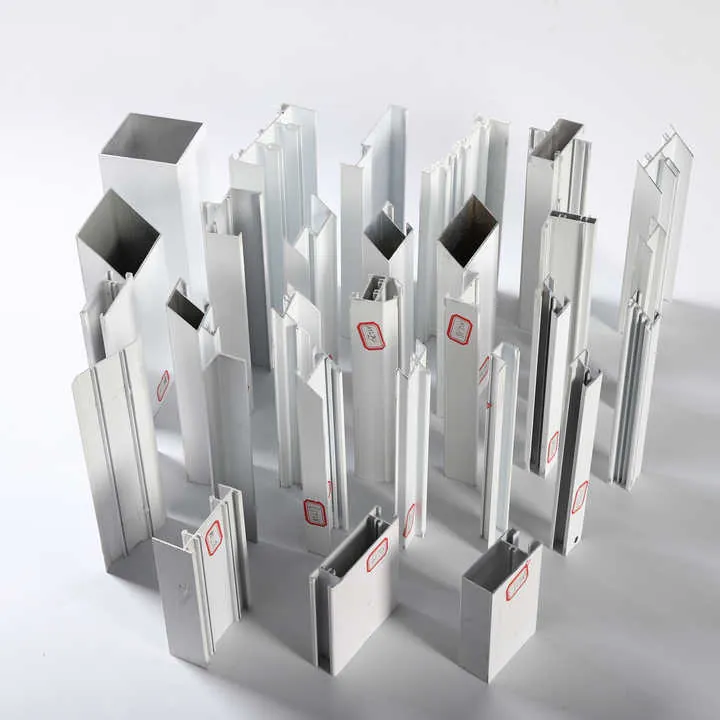
Verifikationsmetoder for leverandører af aluminiumsekstrudering?

Many buyers lose time and money because a supplier looks strong online but fails in real delivery. This gap creates stress, delays, and quality risk. A clear verification method helps avoid this problem early.
Aluminum extrusion supplier verification means checking real production ability, quality systems, and management control before orders start. It reduces risk, protects projects, and builds stable long-term supply chains.
Before moving forward, it is necessary to slow down and verify step by step. Each method below answers one key risk that buyers often face in global sourcing.
What audits verify extrusion supplier capabilities?
Suppliers often claim strong capacity, but claims without proof lead to costly mistakes. Audits expose real capability gaps before contracts are signed.
Capability audits verify equipment range, process control, staff skill, and output stability. They show whether a factory can meet size, tolerance, alloy, and volume needs consistently.

Capability audits focus on facts inside the factory. They go beyond sales promises and look at how production really runs.
Equipment and capacity
A serious audit starts with extrusion presses. Press tonnage defines the size and complexity of profiles a factory can produce. A supplier with only small presses cannot support large sections or thick walls. The number of presses also matters. More lines mean better backup and more stable delivery when machines stop for maintenance.
Auditors also review aging ovens, quenching systems, and straightening machines. These steps directly affect mechanical strength and straightness. If aging time is not controlled, profiles may fail strength tests later. If straightening is rushed, profiles may twist during use. Real capability is not about speed alone. It is about repeatable control.
Tooling and die control
Dies decide profile accuracy and surface quality. During audits, die workshops are inspected carefully. Good factories separate new dies, used dies, and scrap dies clearly. They keep die repair records and track die life.
Poor die control causes size drift and surface lines. This often leads to rework or customer complaints. Strong suppliers invest in die correction tools and skilled technicians. They also review die feedback from production and adjust designs when needed.
Process stability
Process control shows whether quality is repeatable. Auditors review billet storage, billet temperature control, extrusion speed records, and cooling methods. Stable processes reduce scrap and variation.
Random settings or missing logs indicate weak discipline. When operators rely only on experience without records, results depend on who is on shift. This increases risk for large or long-term orders.
Workforce and supervision
Machines do not run alone. Skilled operators and clear supervision matter. Auditors check training records, shift handover rules, and supervisor presence on the floor.
High staff turnover often leads to inconsistent output. Strong factories invest in people and keep teams stable. This stability directly supports quality.
| Audit Item | Strong Supplier | Weak Supplier |
|---|---|---|
| Press range | Multiple tonnage options | Single press only |
| Process records | Complete and updated | Missing or informal |
| Die management | Numbered and tracked | Mixed and unrecorded |
| Operator training | Documented programs | On-the-job only |
Capability audits focus on equipment, process control, and workforce skill to verify real production ability.Sandt
Audits review presses, dies, process records, and operator training to confirm actual capability.
A capability audit only checks finished aluminum profile appearance.Falsk
Audits examine full production systems, not only surface quality.
How is quality certification checked before collaboration?
Many suppliers show certificates, but not all certificates reflect real control. Checking quality certification means verifying both documents and daily practice.
Quality certification verification confirms that systems like ISO are active, current, and applied on the shop floor. It helps buyers trust consistency, not just sample quality.
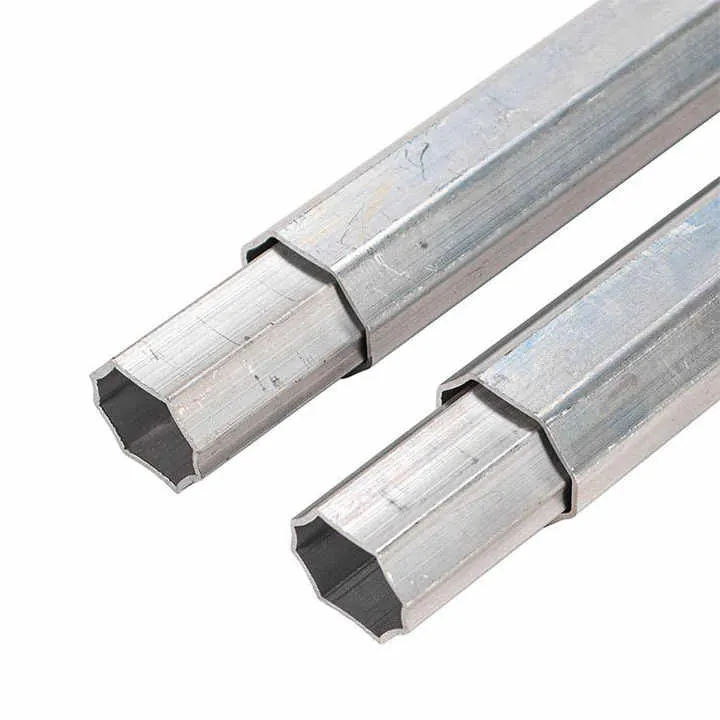
Certification should reduce buyer inspection burden. But only if it is genuine and implemented.
Certificate validation
The first step is checking the certificate itself. Buyers should confirm certificate number, issuing body, scope, and expiry date. The scope must clearly include aluminum extrusion production. A certificate that only covers trading or machining offers little value.
Expired certificates also increase risk. They show weak system maintenance and poor management attention.
System application on site
Real verification happens inside production. Auditors ask how nonconforming profiles are handled. They review corrective action reports and internal audit schedules.
If staff cannot explain procedures, the system likely exists only on paper. Real systems guide daily decisions, not only audits.
Inspection capability
Certification requires inspection tools and trained inspectors. Auditors review calipers, gauges, hardness testers, and access to tensile testing. Calibration records matter as much as the tools themselves.
Missing or expired calibration records reduce trust in inspection results. Without reliable data, decisions become guesses.
Traceability control
Traceability allows problems to be solved. Strong factories can trace profiles back to billet batch, press run, and operator. This helps root cause analysis and prevents repeat defects.
Without traceability, every problem becomes a full loss.
| Kvalitetselement | Effective System | Formal System Only |
|---|---|---|
| Certificate scope | Matches extrusion | Too broad or vague |
| Inspection logs | Complete and signed | Incomplete |
| Nonconformance handling | Clear process | Ad hoc decisions |
| Calibration records | Up to date | Missing |
Valid quality certification requires both an active certificate and daily system use.Sandt
Certificates must be current and supported by real inspection and corrective action records.
If a supplier has ISO certification, no further quality checks are needed.Falsk
Certification reduces risk but does not replace audits or ongoing checks.
Can factory visits ensure supplier reliability?
Remote checks help, but they cannot replace seeing operations in person. Factory visits reveal details that documents never show.
Factory visits improve reliability assessment by exposing real workflows, discipline, and management involvement. They help buyers judge long-term partnership potential.

A visit is not only about machines. It is about how people work together.
Production flow observation
Clear production flow shows planning ability. Buyers should observe material movement from billet storage to packing. Good factories label materials clearly and avoid mixing.
Congested or unclear flow increases handling damage and delivery delays. These risks grow with order size.
Housekeeping and safety
Clean floors, organized tools, and safety signs reflect management control. Poor housekeeping often links to quality issues and accidents.
Safety awareness also shows how much a factory values long-term operation.
Management presence
Reliable factories have managers on site who know order status and issues. They answer questions clearly and with data.
If managers avoid the floor or rely only on sales staff, problems may stay hidden.
Packing and storage
Packing quality affects delivery condition. Buyers should check protection methods, labeling clarity, and storage environment. Weak packing leads to claims even when profiles are good.
| Observation | Positive Sign | Warning Sign |
|---|---|---|
| Workflow | Smooth and labeled | Chaotic |
| Staff attitude | Engaged and aware | Uncertain |
| Opbevaring | Dry and separated | Mixed and exposed |
| Communication | Open answers | Evasive |
Factory visits help buyers evaluate management control and daily discipline.Sandt
Visits reveal workflow, housekeeping, and staff behavior that documents cannot show.
Online videos provide the same reliability assurance as an on-site visit.Falsk
Videos are selective and cannot replace direct observation.
Which documentation should clients request from vendors?
Documents connect promises to accountability. Missing documents weaken negotiation and dispute resolution.
Clients should request technical, quality, and commercial documents that define responsibilities clearly. These documents protect both sides during cooperation.
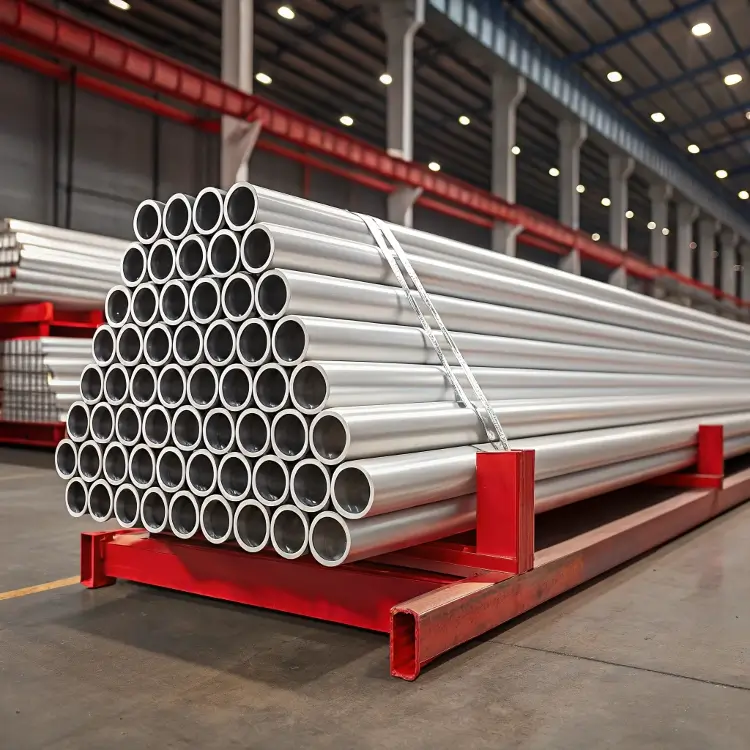
Requesting documents early filters serious suppliers from risky ones.
Tekniske dokumenter
Profile drawings, alloy standards, tolerance limits, and surface finish definitions are essential. Clear drawings reduce misunderstanding. Vague specs create disputes later.
Quality documents
Mill test certificates, inspection reports, and control plans show how quality is verified. These records support claims handling and audits.
Process documents
Production flow charts and packaging standards explain how orders are handled. They help align expectations on lead time and protection.
Commercial documents
Quotations, invoices, and payment terms must stay consistent. Sudden changes signal weak internal control.
| Dokumenttype | Formål | Risk if Missing |
|---|---|---|
| Drawing | Define product | Wrong profile |
| Test report | Verify alloy | Strength failure |
| Inspection record | Confirm quality | Hidden defects |
| Packing spec | Protect shipment | Damage claims |
Clear technical and quality documents reduce disputes during aluminum extrusion projects.Sandt
Documents define specifications and responsibilities clearly.
Verbal agreements are enough if the supplier is experienced.Falsk
Without documents, expectations are unclear and risks increase.
Konklusion
Supplier verification is a structured process, not a single check. Audits, certification review, visits, and documents work together. When done early, they reduce risk, protect budgets, and support long-term aluminum extrusion cooperation.