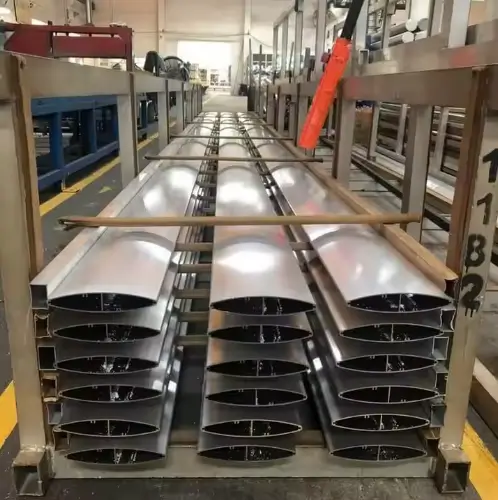
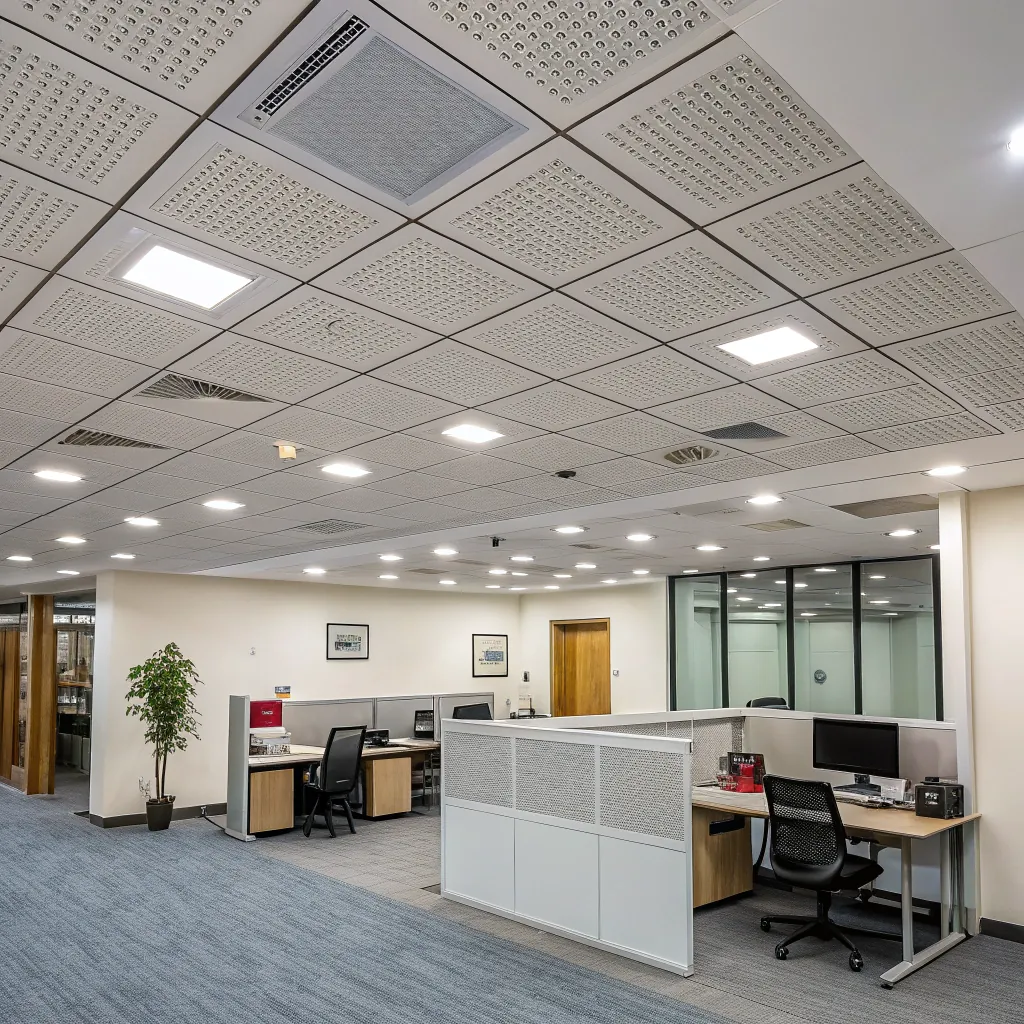
Begrænsninger ved letvægtsdesign i ekstruderet aluminium?

Mange projekter presser på for at få lettere aluminiumsprofiler for at reducere omkostningerne og forbedre effektiviteten. Men vægtreduktion går ofte for vidt og skaber skjulte risici. Designere står over for fejl, omarbejde og sikkerhedsproblemer, når grænserne ignoreres.
Letvægtsdesign af aluminiumsekstrudering har klare grænser defineret af styrke, stabilitet, proceskontrol og reelle anvendelsesbelastninger. Hvis man ignorerer disse grænser, fører det til bøjning, revnedannelse og tidlig produktsvigt.
Letvægtsdesign handler ikke om at fjerne så meget materiale som muligt. Det handler om at finde en sikker balance mellem vægt, styrke og langsigtet ydeevne.
Hvilke grænser gælder, når man reducerer profilvægten?
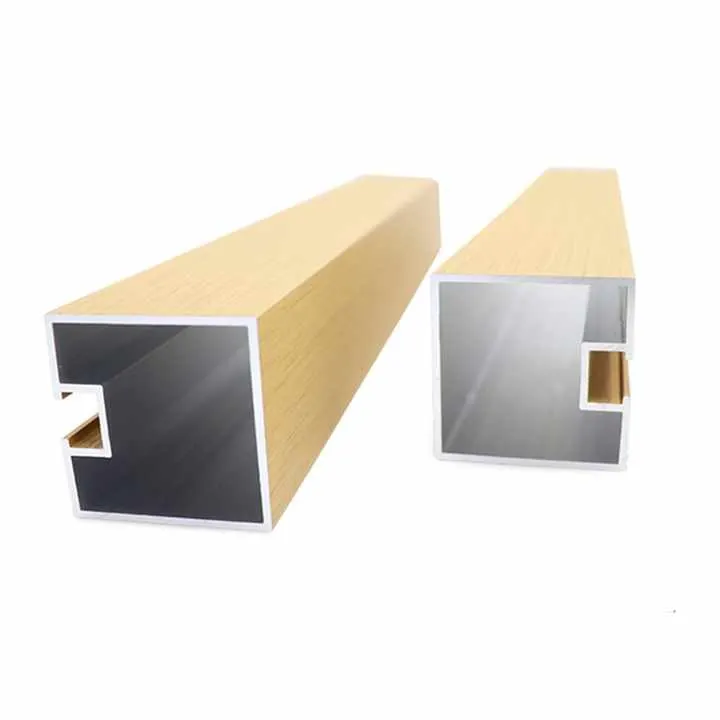
Vægtreduktion føles enkelt på tegningsstadiet. Men de virkelige begrænsninger dukker op, når profilerne kommer i produktion og brug.
Vægtreduktion af profiler er begrænset af vægtykkelse, ekstruderingsflow, dimensionsstabilitet og risiko for defekter. Disse grænser beskytter grundlæggende fremstillingsmuligheder og sikkerhed.
At reducere vægten ændrer altid, hvordan aluminium flyder og afkøles under ekstrudering. Når grænserne overskrides, bliver kvaliteten ustabil.
Begrænsninger i vægtykkelse
Vægtykkelsen er den første hårde grænse. Meget tynde vægge øger ekstruderingsvanskelighederne og skrotprocenten. Under ekstrudering skal aluminium flyde jævnt gennem matricen. Hvis væggene er for tynde, bliver flowet ujævnt.
Tynde vægge afkøles også hurtigere. Det medfører indre spændinger og forvrængning. Efter ældning kan profiler vride sig eller bøje sig. Disse fejl øger omkostningerne til opretning og reducerer udbyttet.
I den virkelige produktion afhænger den mindste vægtykkelse af profilbredde, legering og pressestørrelse. Design, der ignorerer denne virkelighed, mislykkes ofte i masseproduktion.
Balance i ekstruderingsflowet
Letvægtsdesigns fjerner ofte indvendige ribber eller reducerer tværsnittet. Det ændrer metallets strømningsveje. Ujævnt flow skaber overfladelinjer, stansemærker og størrelsesvariationer.
Et afbalanceret flow kræver materiale på de rigtige steder. Fjernelse af for meget materiale ødelægger denne balance. Selv stærke legeringer kan ikke rette op på ubalance i flowet.
Dimensionsstabilitet
Når vægten falder, falder stivheden hurtigere. Profiler med tynde vægge mister form under deres egen vægt. Under skæring, pakning og transport øges deformationen.
Dimensionsmæssig ustabilitet giver senere montageproblemer. Profiler passer måske ikke til armaturer eller stik.
Påvirkning af produktionsudbytte
Letvægtsdesign øger ofte kassationen. Mere kassation betyder højere reelle omkostninger, selv om materialevægten er lavere.
| Begrænsningsområde | Virkning, når den overskrides |
|---|---|
| Vægtykkelse | Revner, forvrængning |
| Flow-balance | Overfladefejl |
| Stivhed | Bøjning, vridning |
| Udbytte | Højere skrotningsgrad |
Vægtreduktion af profiler er begrænset af vægtykkelse, metalflowbalance og dimensionsstabilitet.Sandt
Disse faktorer styrer fremstillingsmuligheder og formkontrol.
Profilvægten kan altid reduceres, så længe legeringsstyrken er høj.Falsk
Selv stærke legeringer fejler, hvis væggene er for tynde, eller flowet er ustabilt.
Hvordan påvirker design bæreevnen?
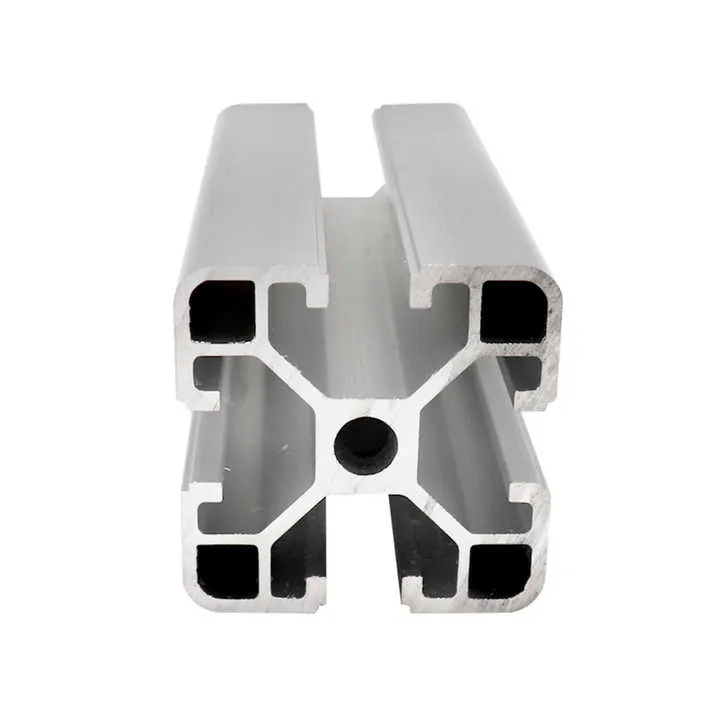
Mange letvægtsdesigns består den visuelle kontrol, men fejler under reel belastning. Bæreevnen afhænger mere af formen end af den samlede vægt.
Designgeometrien styrer direkte bøjningsmodstand, knækrisiko og belastningsfordeling. Dårlig geometri svækker profilerne, selv om materialestyrken forbliver den samme.
Vægtreduktion skal respektere strukturel mekanik.
Sektionsmodul er vigtigt
Bæreevnen afhænger af sektionsmodulet. Fjernelse af materiale nær yderkanterne reducerer stivheden kraftigt. Fjernelse af materiale nær midten har mindre indflydelse.
Design, hvor ydervæggene er tynde for at spare vægt, mister ofte først bøjningsstyrken. Det fører til synlig nedbøjning under belastning.
Risikoen for knæk øges
Tynde vægge øger risikoen for knæk under kompression. Profiler, der bruges i rammer, stativer eller støtter, udsættes for aksiale belastninger. Letvægtsdesigns med lange ikke-understøttede spændvidder knækker let.
Knæk sker ofte pludseligt. Der er kun få advarsler, før det går galt.
Afbrydelse af belastningssti
Godt design leder belastningen gennem kontinuerlige baner. Letvægtsdesigns fjerner nogle gange ribber eller stave, der understøtter lastoverførsel.
Det skaber spændingskoncentration. Revner starter ofte på disse punkter, især under cyklisk belastning.
Belastningsforhold i den virkelige verden
Designberegninger forudsætter ofte ideelle belastninger. I virkeligheden flytter belastningen sig, vibrerer og støder. Letvægtsdesigns har mindre margin til at absorbere disse ændringer.
Profiler, der kun lige opfylder grænserne for statisk belastning, kan svigte tidligt ved dynamisk brug.
| Designvalg | Effekt på belastning |
|---|---|
| Tynde ydervægge | Kraftigt tab af stivhed |
| Fjernede ribben | Spændingskoncentration |
| Lange spændvidder | Risiko for knæk |
| Skarpe hjørner | Initiering af revner |
Profilgeometrien har en større effekt på bæreevnen end den samlede vægt alene.Sandt
Formen styrer stivhed og spændingsfordeling.
Hvis en profil opfylder beregningen af statisk belastning, er dynamisk belastning ikke et problem.Falsk
Dynamiske belastninger overstiger ofte statiske antagelser.
Kan letvægtsprofiler opfylde industriens behov for styrke?

Mange købere er bange for, at letvægtsprofiler er svage. Det er ikke altid sandt. Men at opfylde industriens behov kræver omhyggelige grænser.
Letvægtsaluminiumprofiler kan opfylde industriens behov for styrke, når design, legering og anvendelse er afstemt. Der opstår problemer, når vægtreduktion ignorerer reelle brugssituationer.
Letvægt betyder ikke skrøbelig. Det betyder optimeret.
Betydningen af valg af legering
Stærkere legeringer tillader tyndere sektioner. Men valg af legering påvirker ekstruderingsvanskeligheder, overfladekvalitet og omkostninger.
Legeringer med høj styrke reducerer ofte korrosionsbestandigheden eller ekstruderingshastigheden. Designere skal afveje disse kompromiser.
Anvendelsesspecifikke styrkebehov
Forskellige brancher definerer styrke forskelligt. Byggeri fokuserer på sikkerhedsmargin og langvarig belastning. Automation fokuserer på stivhed og præcision. Transport fokuserer på udmattelsesmodstand.
En letvægtsprofil, der fungerer i én branche, kan være en fiasko i en anden.
Sikkerhedsfaktorer må ikke forsvinde
Letvægtsdesign reducerer ofte sikkerhedsmarginen. Men der er en grund til, at der findes sikkerhedsfaktorer. Temperaturændringer, forkert brug og slid reducerer den reelle styrke over tid.
Design, der fjerner sikkerhedsmarginen, fejler ofte efter år, ikke uger. Disse fejl er dyre og svære at spore.
Testning og validering
Letvægtsdesign har brug for test, ikke antagelser. Belastningstests, udmattelsestests og monteringsforsøg afslører svagheder tidligt.
At springe test over sparer tid på kort sigt, men skaber risiko på lang sigt.
| Industri | Bekymring for vigtig styrke |
|---|---|
| Konstruktion | Sikkerhedsmargin |
| Automatisering | Stivhed |
| Transport | Træthedsliv |
| Elektronik | Kontrol af vibrationer |
Letvægtsaluminiumprofiler kan opfylde industriens styrkebehov med korrekt design og testning.Sandt
Tilpasning af legering, geometri og anvendelse er nøglen.
Industriens standarder for styrke kan ignoreres, hvis vægtbesparelserne er store nok.Falsk
Standarder findes for at forhindre fejl og ansvar.
Hvilke faktorer forhindrer et for stort vægttab?

Mange teams ønsker ekstreme letvægtsdesigns. Men flere reelle faktorer forhindrer, at det er sikkert eller økonomisk.
Overdreven vægtreduktion er begrænset af produktionsforhold, omkostningsstabilitet, kvalitetsrisiko og langsigtet pålidelighed. Disse faktorer definerer den sande grænse.
At ignorere disse grænser øger ofte de samlede projektomkostninger.
Begrænsninger i produktionen
Ekstruderingspresser, matricer og kølesystemer har grænser. Tynde designs gør produktionen langsommere og øger mængden af skrot. Det øger prisen pr. kilo.
På et tidspunkt koster lettere profiler mere, ikke mindre.
Balance mellem omkostninger og fordele
Vægtreduktion sparer materialeomkostninger. Men det øger omkostningerne til værktøj, test og kvalitetskontrol.
Smart design stopper, hvor de samlede omkostninger er lavest, ikke hvor vægten er lavest.
Problemer med montering og håndtering
Letvægtsprofiler deformeres nemt under montering. Medarbejderne kan overspænde skruer eller forskyde dele.
Disse problemer øger monteringstiden og omarbejdet.
Langsigtet pålidelighed
Tynde konstruktioner ældes dårligt. Krybning, udmattelse og korrosion reducerer den resterende styrke. Tunge konstruktioner svigter langsomt. Ultralet design svigter pludseligt.
Pålidelighed betyder mere end teoretisk effektivitet.
| Begrænsende faktor | Resultat |
|---|---|
| Produktion | Højere skrot |
| Omkostningsbalance | Skjulte udgifter |
| Montering | Deformation |
| Pålidelighed | Tidlig fiasko |
Produktions- og pålidelighedsfaktorer definerer den reelle grænse for letvægtsdesign.Sandt
Ud over disse grænser stiger risikoen hurtigere end fordelene.
Den lettest mulige profil er altid den mest omkostningseffektive løsning.Falsk
Ekstrem letvægt øger ofte de samlede omkostninger og risici.
Konklusion
Letvægtsdesign af ekstruderet aluminium har klare grænser. Disse grænser kommer fra fysik, fremstilling og brug i den virkelige verden. Smart design afbalancerer vægt, styrke, omkostninger og pålidelighed i stedet for at jagte minimumsmasse.