Typer af beskyttende wrap til aluminiumsekstrudering?

Overfladeskader opstår ofte efter forsendelse, ikke i produktionen. Ridser, pletter eller oxidering kan ødelægge gode aluminiumsprofiler. Mange købere opdager først problemet, når forsendelsen ankommer.
Beskyttende indpakning til aluminiumsprofiler omfatter PE-film, kraftpapir, bobleplast, skumplast og krympeplast. Hvert materiale beskytter overflader på forskellige måder, f.eks. ved at forhindre ridser, blokere fugt og reducere friktion under opbevaring og transport.
Mange mennesker fokuserer på legeringskvalitet og ekstruderingspræcision. Men overfladebeskyttelse under indpakningen er lige så vigtig. Den rigtige beskyttende indpakning forhindrer skader under transport, håndtering og langtidsopbevaring.
Forståelse af indpakningsmaterialer, tykkelse og opbevaringsforhold hjælper købere med at vælge den mest pålidelige beskyttelsesmetode.
Hvilke materialer bruges til beskyttende ekstruderingsindpakning?
Overfladeridser er et af de mest almindelige problemer under transport af aluminium. Profiler kan se perfekte ud efter ekstrudering. Men friktion mellem stykkerne under transporten kan beskadige finishen.
Beskyttende indpakningsmaterialer til aluminiumsprofiler omfatter normalt PE-beskyttelsesfilm, kraftpapir, bobleplast, skumfilm og krympeplast, som alle er designet til at beskytte overflader mod ridser, fugt og håndteringsskader.

Hvorfor beskyttende indpakning er nødvendig
Aluminiumsprofiler har ofte en delikat overfladefinish. Disse omfatter anodisering, pulverlakering og børstede overflader.
Under transport opstår der flere risici:
- Friktion mellem profiler
- vibrationer under lastbil- eller søtransport
- kontakt med emballagematerialer
- udsættelse for fugtighed
Beskyttende indpakning skaber en fysisk barriere mellem aluminiumsoverfladen og eksterne kræfter.
Almindelige beskyttende indpakningsmaterialer
Flere indpakningsmaterialer bruges i vid udstrækning i aluminiumsekstruderingsindustrien.
| Materiale | Hovedfunktion | Beskyttelsesniveau |
|---|---|---|
| PE-beskyttelsesfilm | Beskyttelse mod ridser på overfladen | Medium |
| Kraftpapir | Let fugtbarriere | Medium |
| Bobleplast | Dæmpning af stød | Høj |
| Skumfilm (EPE) | Stødabsorbering | Høj |
| Krympefolie af plast | Bundtforsegling | Medium |
Hvert materiale tjener forskellige formål.
PE-beskyttelsesfilm
PE-film er det mest almindelige overfladebeskyttelsesmateriale. Det hæfter direkte på aluminiumsoverfladen.
Filmen forhindrer ridser forårsaget af friktion under håndtering.
Mange film har også et let klæbemiddel, som ikke efterlader rester, når de fjernes.
Indpakning af kraftpapir
Kraftpapir indpakker bundter af profiler. Det beskytter mod let fugt og støv.
Den adskiller også aluminiumslag inde i bundter.
Bobleplast og skumfolie
Disse materialer giver stødabsorbering.
De reducerer vibrationer og stød under transport.
Denne beskyttelse er vigtig, når profiler rejser over lange afstande.
Kombineret emballagesystem
Fabrikker er sjældent afhængige af kun ét materiale.
I stedet bruges flere lag sammen.
Typisk indpakningsstruktur:
- PE-film på profilens overflade
- Kraftpapir til indpakning af bundter
- Beskyttelse af skum eller bobler
- Ydre krympefolie
Denne lagdelte beskyttelse reducerer både mekaniske skader og miljørisici.
Beskyttende indpakningsmaterialer hjælper med at forhindre ridser og håndteringsskader under transport af aluminiumsprofiler.Sandt
Beskyttende indpakning skaber en barriere mellem aluminiumsoverflader og ekstern friktion eller påvirkning.
Beskyttende indpakning er unødvendig, hvis aluminiumsprofiler stables omhyggeligt.Falsk
Selv omhyggeligt stablede profiler kan forskubbe sig under transport og forårsage friktion og overfladeskader uden beskyttende indpakning.
Hvordan påvirker emballagens tykkelse overfladebeskyttelsen?
Mange indkøbere fokuserer kun på typen af indpakningsmateriale. Men indpakningens tykkelse spiller også en vigtig rolle. En tynd film kan beskytte mod støv, men ikke mod ridser.
Indpakningens tykkelse påvirker beskyttelsen ved at øge polstringsstyrken, reducere friktionsskader og forbedre modstanden mod rivning under forsendelse og håndtering.
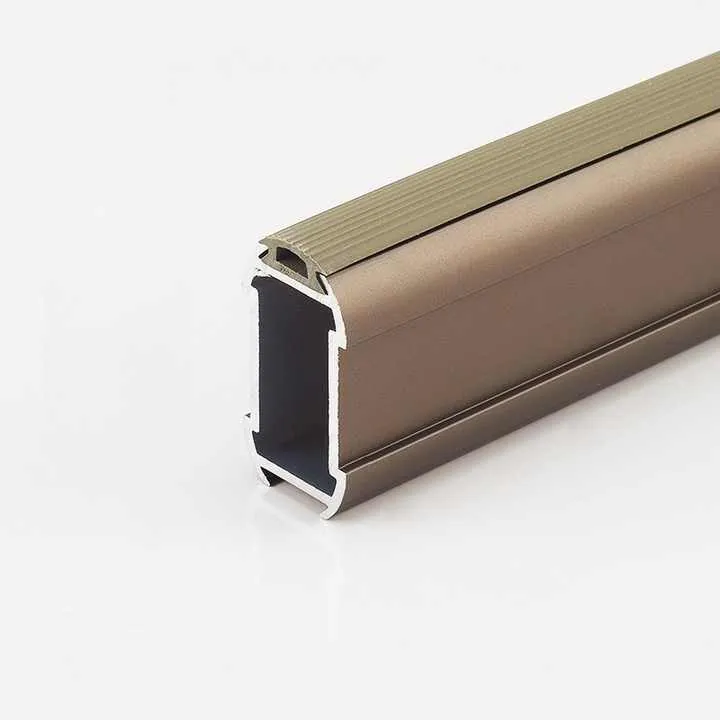
Forståelse af indpakningens tykkelse
Beskyttelsesindpakninger måles efter tykkelse eller tæthed.
For eksempel:
- PE-foliens tykkelse måles i mikrometer
- Skumfilmens tykkelse måles i millimeter
- Bobleplastens tykkelse afhænger af boblens højde
Tykkere materialer giver som regel bedre beskyttelse.
Men tykkelsen påvirker også omkostninger og emballagevolumen.
PE-beskyttelsesfilmens tykkelsesområde
PE-film, der almindeligvis bruges til aluminiumsekstrudering, ligger mellem 30 til 100 mikrometer.
| Tykkelse | Typisk brug | Beskyttelsesniveau |
|---|---|---|
| 30-40 mikron | Let overfladebeskyttelse | Lav |
| 50-60 mikron | Standard eksportemballage | Medium |
| 70-100 mikron | Kraftig beskyttelse | Høj |
Tynde film fungerer til korte transportafstande. Tykkere film er bedre til lange søtransporter.
Skum og pudematerialer
Skumfilm giver stødabsorbering.
Typisk skumtykkelse varierer fra 1 mm til 5 mm.
Tykkere skum giver bedre støddæmpning under vibrationer.
Risikoen ved at bruge tynde wraps
Tynde omslag rives lettere over.
Når der opstår revner, bliver aluminiumsoverflader blottet.
Det øger risikoen for ridser og fugtkontakt.
Balance mellem omkostninger og beskyttelse
Beslutninger om emballage er ofte en afvejning af beskyttelse og omkostninger.
Meget tyk indpakning øger:
- Materialeomkostninger
- pakketid
- Forsendelsesmængde
Utilstrækkelig beskyttelse kan dog føre til skader på produktet.
Mange erfarne eksportører vælger mellemtykkelse med lagdelt beskyttelse.
Praktisk erfaring fra shipping
Ved langdistanceforsendelser opstår der konstant vibrationer.
Lastbiler, skibe og kraner flytter gods mange gange.
Tynd indpakning kan overleve den første indpakning, men svigte efter flere ugers bevægelse.
Den rette tykkelse sikrer, at den beskyttende barriere forbliver intakt indtil levering.
Tykkere beskyttelsesomslag giver generelt bedre modstandsdygtighed over for ridser og transportvibrationer.Sandt
Den øgede tykkelse forbedrer støddæmpningen og rivestyrken under transport.
Tynde indpakningsmaterialer beskytter altid aluminiumsoverflader lige så effektivt som tykke materialer.Falsk
Tynde wraps rives let over og giver begrænset beskyttelse mod vibrationer og stød.
Er det nødvendigt med UV-bestandig indpakning til udendørs opbevaring?
Mange aluminiumsforsendelser forbliver udendørs før installation. Profiler kan ligge på byggepladser eller lagre i ugevis. Eksponering for sollys kan beskadige visse emballagematerialer.
UV-bestandige indpakninger er nødvendige, når aluminiumsprofiler opbevares udendørs, fordi de forhindrer filmnedbrydning, klæbesvigt og overfladeeksponering forårsaget af langvarigt sollys.
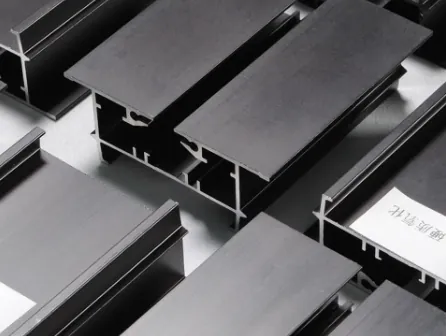
Hvordan UV-lys påvirker emballagematerialer
Ultraviolet stråling nedbryder langsomt plastmaterialer.
Med tiden kan standardindpakningsfilm blive slidte:
- skør
- falmet
- revnet
- svær at fjerne
Disse problemer opstår, når aluminium opholder sig under sollys i længere perioder.
PE-film og UV-eksponering
Standard PE-film fungerer godt i korte transportperioder.
Under stærkt sollys kan filmen dog nedbrydes inden for få uger.
Det klæbende lag kan også ændres.
I nogle tilfælde sætter filmrester sig fast på aluminiumsoverfladen.
UV-bestandig filmteknologi
UV-bestandig beskyttelsesfilm indeholder særlige stabilisatorer.
Disse tilsætningsstoffer bremser de skader, som sollyset forårsager.
Fordelene omfatter:
- længere holdbarhed udendørs
- stabil klæbeevne
- lettere at fjerne film
Når UV-beskyttelse er vigtig
UV-bestandige indpakninger anbefales til:
| Situation | UV-risiko |
|---|---|
| Udendørs opbevaring af byggeri | Høj |
| Ørken eller tropisk klima | Høj |
| Kort opbevaring på lager | Lav |
| Indendørs fabriksopbevaring | Lav |
Projekter i varme klimaer har især gavn af UV-bestandig emballage.
Lange tidsfrister for byggeri
Byggeprojekter bliver ofte forsinkede.
Aluminiumsmaterialer kan blive på stedet længere end planlagt.
UV-bestandig indpakning hjælper med at opretholde beskyttelsen under disse uforudsigelige tidsplaner.
Emballageplanlægning til byggeprojekter
Eksportører spørger ofte kunderne om opbevaringsforhold.
Hvis man forventer udendørs opbevaring, er UV-bestandig film et mere sikkert valg.
Det reducerer risikoen for emballagefejl før installation.
UV-bestandige beskyttelsesfolier hjælper med at forhindre filmnedbrydning, når aluminiumsprofiler opbevares udendørs.Sandt
UV-stabilisatorer i filmen reducerer skader fra sollys og opretholder den beskyttende effekt.
Standard beskyttelsesfilm fungerer på samme måde som UV-bestandige film under langvarig udsættelse for sollys.Falsk
Standardfilm nedbrydes hurtigere under UV-eksponering og kan revne eller efterlade klæberester.
Kan genanvendelige wraps bruges til bulkforsendelse?
Bæredygtighed bliver stadig vigtigere inden for produktion og logistik. Mange virksomheder spørger nu, om emballagematerialer kan genbruges.
Genanvendelige indpakninger kan bruges til bulkforsendelse af aluminium, når der bruges holdbare materialer som vævet stofindpakning, genanvendelige skumovertræk eller kraftige beskyttelsestæpper, og når logistiksystemerne tillader returnering og genbrug.

Traditionel emballage vs. genanvendelige systemer
De fleste eksporterede aluminiumprofiler bruger engangsemballage.
Almindelige materialer omfatter:
- PE-film
- krympefolie
- kraftpapir
Disse materialer er omkostningseffektive, men kan ikke genbruges.
Genanvendelig emballage kræver stærkere materialer.
Almindelige genanvendelige indpakningsmuligheder
Der findes flere genanvendelige emballagesystemer.
| Materiale | Genanvendelighed | Anvendelse |
|---|---|---|
| Indpakning af vævet polypropylen | Høj | Industriel transport |
| Genanvendelige ærmer af skum | Medium | Beskyttelse af profiler |
| Beskyttende flyttetæpper | Høj | Lokal transport |
| Palleovertræk af stof | Høj | Bevægelse på lageret |
Disse materialer tåler gentagen brug.
Logistiske udfordringer
Genbrugsemballage fungerer bedst i lukkede logistiksystemer.
For eksempel:
- transport mellem fabrikker
- indenlandske forsyningskæder
- intern lagerbevægelse
International skibsfart giver udfordringer.
Returnering af emballagematerialer på tværs af lande øger omkostningerne.
Omkostninger vs. bæredygtighed
Genanvendelig emballage reducerer affald.
Det kræver dog yderligere systemer som f.eks:
- returlogistik
- rengøring og inspektion
- sporing af emballageenheder
Virksomhederne skal vurdere, om systemet sparer omkostninger over tid.
Strategi for hybrid emballage
Nogle virksomheder bruger hybridløsninger.
Genanvendelige materialer beskytter profiler inde på fabrikken.
Engangsemballage beskytter dem under eksportforsendelse.
Denne tilgang afbalancerer bæredygtighed med praktisk logistik.
Industritrend mod grønnere emballage
Miljøbestemmelserne bliver flere og flere i hele verden.
Mange aluminiumsindkøbere efterspørger nu genanvendelige eller genbrugelige emballageløsninger.
Denne tendens tilskynder til emballageinnovation i hele ekstruderingsindustrien.
Genanvendelige wraps kan være effektive i bulkforsendelser, når logistiksystemerne understøtter returnering og genbrug.Sandt
Holdbare wraps kan beskytte aluminiumsprofiler og genbruges flere gange, når logistikken tillader det.
Genbrugsemballage er altid billigere end engangsemballage til internationale forsendelser af aluminium.Falsk
International forsendelse gør ofte genbrugsemballage dyrere på grund af omkostninger til returlogistik.
Konklusion
Beskyttende indpakning spiller en vigtig rolle for at bevare kvaliteten af aluminiumsprofiler under forsendelse og opbevaring. De rigtige materialer, den rette tykkelse, UV-bestandighed og passende emballagesystemer arbejder sammen om at forhindre ridser, miljøskader og håndteringsrisici.