Aluminum extrusion minimum radius design rules?
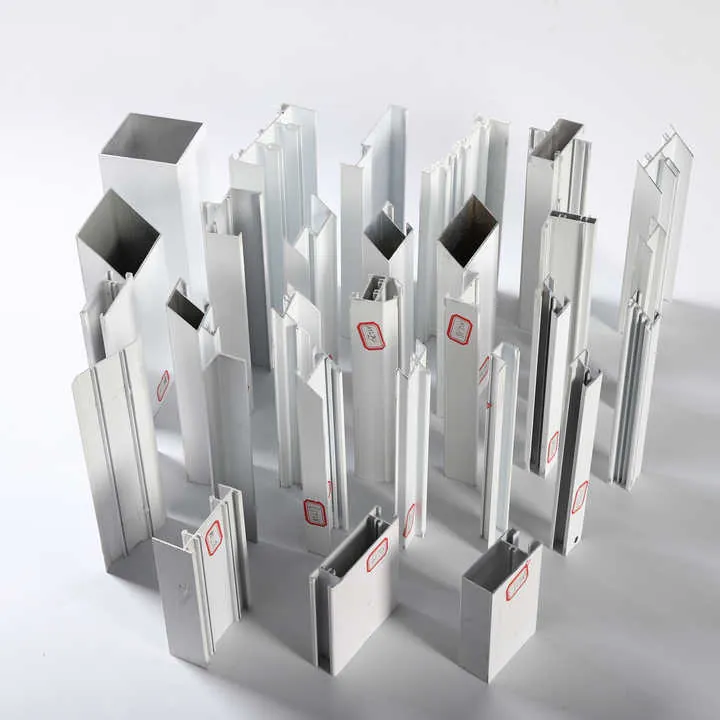
Aluminum profiles often fail late in production because corner radii were guessed, not designed. That risk costs time, tools, and trust.
The minimum radius in aluminum extrusion depends on alloy, wall thickness, and profile flow, and it must be large enough to let metal move without tearing or stress buildup.
Many buyers think radius rules are simple numbers. They are not. Radius is a system result. It comes from metal flow, die strength, and final use. This article explains the rules in plain terms, based on what we see on the shop floor every day.
What is the minimum bend radius for extruded aluminum?
Short radii look clean on drawings, but they are the top reason dies crack and profiles fail.
For most extruded aluminum profiles, the internal corner radius should be at least 0.5 to 1.5 times the wall thickness, depending on alloy and profile shape.

When designers ask for the minimum bend radius, they often mix bending rules with extrusion rules. Extrusion is not sheet bending. The aluminum is pushed through a die as a soft mass. It flows. Corners guide that flow. If a corner is too sharp, the metal does not fill evenly.
How radius works during extrusion
Inside the die, aluminum moves from the container into narrow channels. At corners, flow speed changes. A sharp corner slows metal on the inside edge. The outside edge moves faster. This creates stress and heat differences.
If the radius is too small, three things happen:
- The corner does not fill fully
- Surface lines appear
- Micro cracks form under stress
These defects may not show at first. They appear later during anodizing, machining, or assembly.
Common minimum radius guidelines
Based on production data, these are safe starting points:
| Vægtykkelse (mm) | Recommended Internal Radius (mm) |
|---|---|
| 1.0 – 1.5 | 0.8 - 1.2 |
| 1.6 – 2.5 | 1.2 – 2.5 |
| 2.6 – 4.0 | 2.0 – 4.0 |
| > 4.0 | >= wall thickness |
These are not strict limits. They are working rules that balance die life, surface quality, and cost.
Internal vs external radius
Internal radius matters more than external radius. External corners can look sharp even if the internal radius is large. This is a key design trick.
We often suggest keeping the internal radius generous, then using a small external chamfer or post machining if sharp looks are needed.
Real production impact
When radius is too small:
- Die polishing time increases
- Extrusion speed drops
- Scrap rate rises
- Delivery time extends
In real projects, increasing radius by just 0.5 mm often cuts defect rates by more than half.
The minimum internal corner radius in aluminum extrusion is usually related to wall thickness rather than overall profile size.Sandt
Metal flow stress concentrates at thin walls, so wall thickness controls how small a radius can be without defects.
A zero-radius internal corner can be safely extruded if the alloy is soft enough.Falsk
Zero-radius corners block metal flow and almost always cause cracks, folds, or die failure regardless of alloy softness.
How do wall thickness and alloy impact radius limits?
Designers often focus on shape, but thickness and alloy decide what is possible.
Thicker walls allow larger stress spread and smaller relative radius, while harder alloys need larger radii to avoid cracking and flow imbalance.
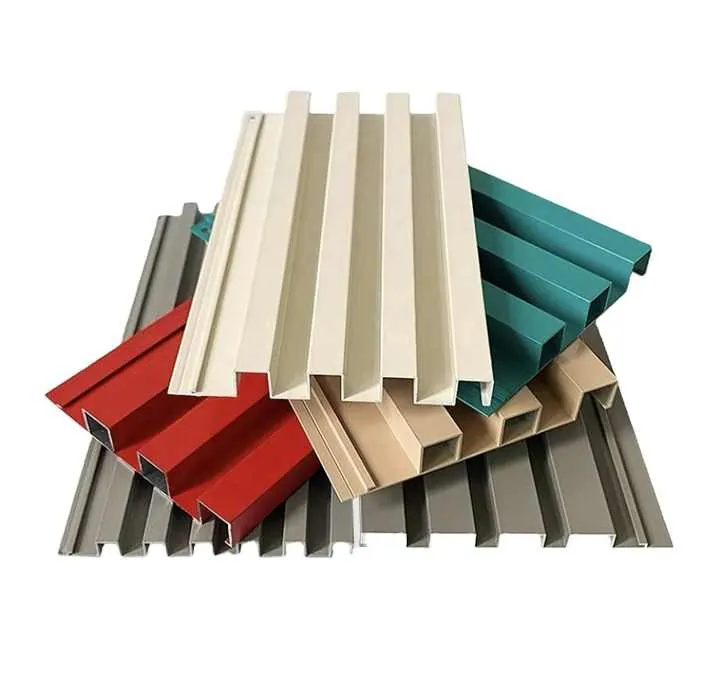
Wall thickness and alloy work together. One cannot be judged alone.
Wall thickness effects
Thin walls cool faster and resist flow. At corners, this resistance is stronger. A small radius on a thin wall creates a choke point.
Key observations from production:
- Thin walls need larger radius ratios
- Thick walls tolerate tighter curves
- Uneven thickness increases risk
Uniform wall thickness helps more than any other design change.
Alloy differences in practice
Not all aluminum behaves the same. Here is a simple comparison:
| Legering | Flow Ability | Radius Sensitivity | Typisk brug |
|---|---|---|---|
| 6063 | Høj | Lav | Arkitektur |
| 6061 | Medium | Medium | Strukturel |
| 6005A | Medium | Medium | Transport |
| 7075 | Lav | Meget høj | Luft- og rumfart |
6063 flows smoothly. It fills corners easily. 6061 is stronger but stiffer. It needs more generous radii.
Why harder alloys need larger radii
Hard alloys resist deformation. During extrusion, they need more pressure to move. At sharp corners, pressure spikes. This leads to:
- Die stress cracks
- Surface tearing
- Short die life
We often advise adding 30 to 50 percent more radius when switching from 6063 to 6061, even if the shape stays the same.
Thickness and alloy combined
A thin wall in a hard alloy is the worst case. Many failures come from this mix.
Good design follows this order:
- Choose alloy for function
- Set minimum wall thickness
- Define corner radius last
Skipping this order leads to redesign loops.
Switching from 6063 to 6061 aluminum usually requires increasing corner radii to maintain extrusion quality.Sandt
6061 has lower flow ability, so larger radii reduce stress and improve metal flow.
Wall thickness has little effect on minimum corner radius if extrusion speed is reduced.Falsk
Speed reduction cannot fully offset flow blockage caused by thin walls and sharp corners.
Can sharp corners weaken profile integrity?
Sharp corners look strong, but they often hide weakness.
Yes, sharp internal corners create stress concentration points that reduce fatigue life and increase crack risk under load and temperature change.
Profile integrity is not just about strength on paper. It is about how the profile behaves after extrusion, machining, and use.
Stress concentration explained simply
Stress flows through material like water through a pipe. Sharp corners act like sudden bends. Pressure builds at the corner.
Dette medfører:
- Local yielding
- Micro crack initiation
- Early fatigue failure
A small radius spreads stress over a wider area.
Impact during secondary processing
Many profiles are later:
- CNC machined
- Drilled
- Svejset
- Anodiseret
Sharp corners amplify problems in all these steps.
During anodizing, sharp corners attract higher current density. This leads to color variation and burn marks.
During welding, heat gathers at corners. This raises distortion risk.
Field failure examples
In load bearing frames, we often see cracks start at sharp internal corners, not at flat sections. Even when calculations pass, real use exposes weak points.
Radius as a strength feature
Adding radius does not weaken a design. It often strengthens it.
Fordelene omfatter:
- Better fatigue resistance
- More stable surface finish
- Longer service life
Designers sometimes fear radius will reduce fit or space. In most cases, the change is small and the gain is large.
Visual sharpness vs structural health
A profile can look sharp without being sharp inside. This is the key idea.
Internal radius protects integrity. External design controls appearance.
Sharp internal corners increase stress concentration and reduce fatigue life in extruded aluminum profiles.Sandt
Stress concentrates at sharp geometry changes, which accelerates crack initiation under cyclic load.
External sharp corners are more dangerous than internal sharp corners for profile strength.Falsk
Internal corners carry more structural stress and are more critical to integrity than external edges.
Are design standards available for corner radii?
Many designers look for a single standard number. That number does not exist.
There is no universal minimum radius standard, but industry guidelines from extrusion associations and manufacturers provide safe design ranges.
Standards give direction, not guarantees.
Common reference sources
Designers often consult:
- Aluminum extrusion design manuals
- Supplier capability guides
- Project specific test data
These documents agree on principles, not exact values.
Typical guideline ranges
Most guides suggest:
- Internal radius >= 0.5 x wall thickness for soft alloys
- Internal radius >= 1.0 x wall thickness for structural alloys
- Larger radii for hollow and thin profiles
These ranges protect both the product and the tooling.
Why standards stay flexible
Extrusion conditions vary:
- Tryk på størrelse
- Design af matrice
- Afkølingsmetode
- Production speed
A radius that works on one press may fail on another. This is why experience matters.
How we apply standards in real projects
We start with guidelines. Then we simulate flow. Then we adjust based on risk.
For high volume projects, we always choose conservative radii. For prototypes, we may test limits.
Best practice for buyers and designers
The safest approach is simple:
- Share load and use conditions early
- Accept radius feedback from the extruder
- Lock radius before die cutting
Late radius changes cost the most.
There is no single global standard that defines one minimum corner radius for all aluminum extrusions.Sandt
Extrusion outcomes depend on alloy, wall thickness, die design, and press capability.
Following a published guideline radius always guarantees defect-free extrusion.Falsk
Guidelines reduce risk but cannot replace project-specific evaluation and testing.
Konklusion
Minimum radius design is not guesswork. It is a balance of alloy, wall thickness, and flow. Respecting these rules protects strength, surface quality, and delivery time.