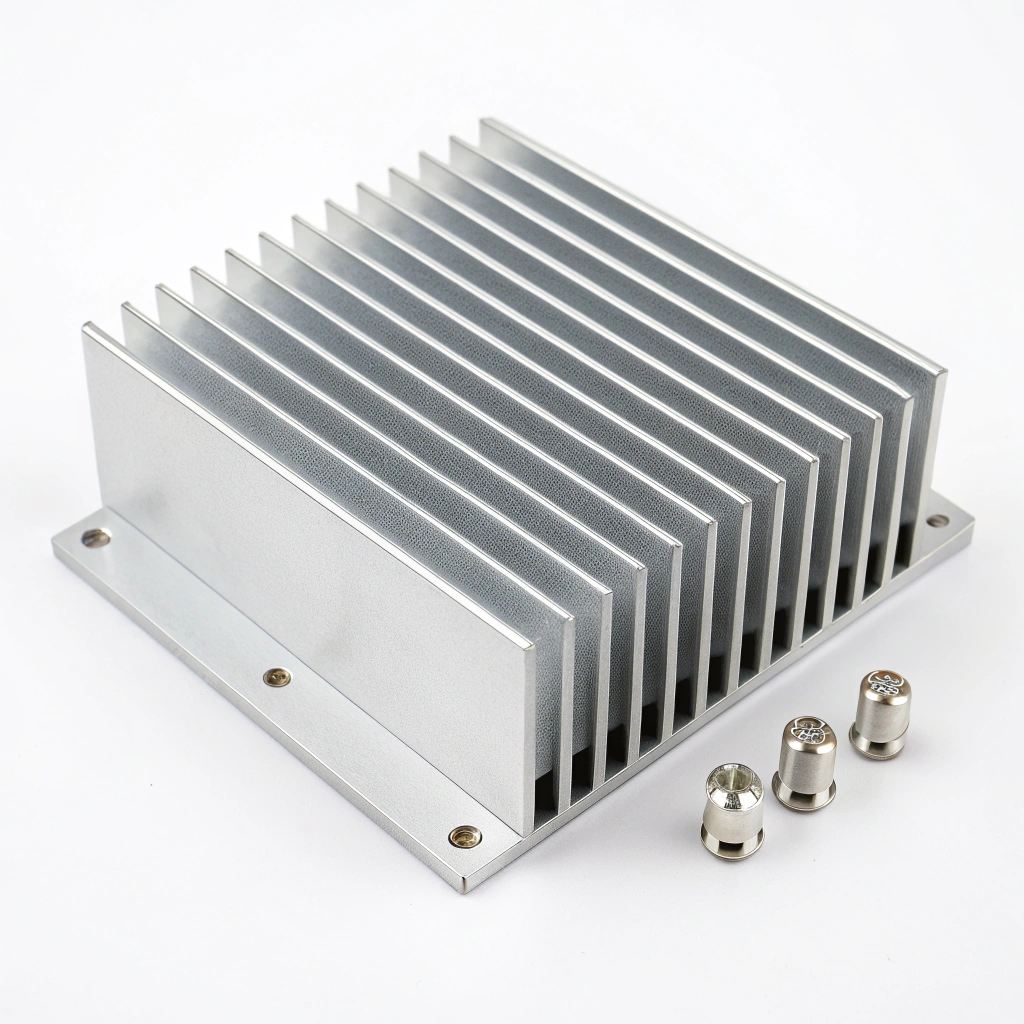
Valgmuligheder for standardvægtykkelse ved ekstrudering af aluminium?
Many buyers struggle with wall thickness decisions. Too thin feels risky. Too thick wastes cost and weight. This confusion often delays drawings and slows RFQs.
Standard wall thickness options exist because extrusion balances strength, flow, cost, and yield, and most profiles fall into repeatable thickness ranges proven by production reality.
Understanding these ranges helps buyers talk clearly with engineers and suppliers, and avoid redesign loops.
What wall thicknesses are considered standard in extrusion?

Thin walls save material, but they increase risk. Thick walls feel safe, but they raise cost and can cause defects. Standard wall thicknesses sit between these extremes.
Most aluminum extrusions use wall thicknesses between 1.0 mm and 6.0 mm, with 1.5 mm to 3.0 mm being the most common range for stable, high-yield production.
This range exists for a reason. It reflects metal flow behavior, die strength, press capability, and cost control.
Why standards exist at all
Extrusion is not only about shape. It is about how aluminum flows through the die. Very thin walls restrict flow and raise pressure. Very thick walls slow cooling and reduce productivity.
Over time, the industry has settled into practical limits that work across many presses and alloys.
Common standard thickness bands
In daily production, wall thickness usually clusters into a few bands.
| Wall thickness range | Typical status | Noter |
|---|---|---|
| 0.8 to 1.2 mm | Thin wall | Possible with limits, higher scrap risk |
| 1.5 to 2.0 mm | Very common | Stable flow, good cost balance |
| 2.0 to 3.0 mm | Most common | Strong, forgiving, easy machining |
| 3.0 to 4.0 mm | Medium thick | Structural feel, higher weight |
| 4.0 to 6.0 mm | Thick wall | Used for load or machining |
| Above 6.0 mm | Very thick | Special cases, low efficiency |
Thin wall reality
Thin walls attract designers. They reduce weight and look modern. However, below about 1.2 mm, extrusion stability drops fast.
Problems that often appear:
- Uneven flow causing twist or bow
- Higher scrap at startup
- Sensitive die wear
- Limited alloy choices
Thin walls are possible, but they demand tighter control. They also raise unit cost even if material weight drops.
The safe middle ground
From experience, 1.8 mm to 2.5 mm is a sweet spot. Many architectural, industrial, and system profiles live here.
This range allows:
- Stable flow
- Normal press speed
- Easy straightening
- Reliable surface quality
- Flexible finishing
When buyers ask for “standard,” this is usually what they mean, even if they do not say the number.
Thick walls are not always safer
Going thicker than needed does not always improve performance. Thick walls can:
- Increase internal stress
- Reduce cooling speed
- Raise extrusion cost per meter
- Waste machining time later
Standard practice is to thicken only where load or machining requires it, not everywhere.
Most standard aluminum extrusions use wall thicknesses between 1.5 mm and 3.0 mm because this range balances flow stability, cost, and strength.Sandt
This range allows stable metal flow, good yield, and flexible finishing across many presses and alloys.
Any wall thickness below 1.0 mm is always easy and cheap to extrude.Falsk
Very thin walls increase pressure, scrap risk, and tooling sensitivity, often raising cost instead of lowering it.
How do different applications influence wall size choice?

Application drives wall thickness more than theory. A drawing that ignores use conditions often returns for revision.
Different applications influence wall thickness choice because each one balances load, durability, assembly method, and cost in a different way.
Arkitektoniske anvendelser
Architecture values appearance, corrosion resistance, and system fit.
Typical wall thickness:
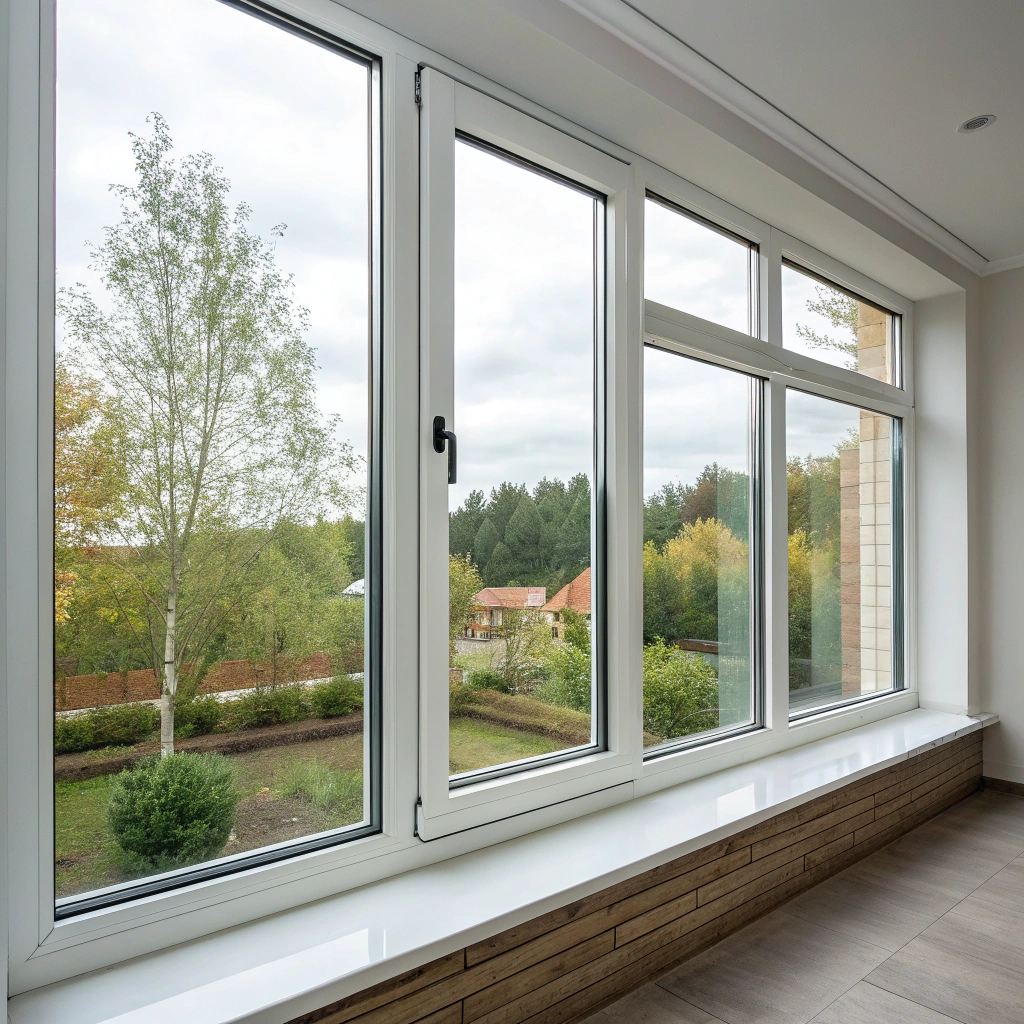
- Windows and doors: 1.2 to 1.8 mm
- Curtain wall mullions: 2.0 to 3.0 mm
- Louvers and shading: 1.0 to 2.0 mm
Why these ranges work:
- Profiles rely on system geometry, not only wall thickness, for strength
- Large volumes reward stable, repeatable extrusion
- Finishes like anodizing prefer even wall distribution
Thin walls are common, but they are supported by chambers, ribs, and depth.
Industrial and machinery frames
Industrial systems value rigidity, repeatability, and easy assembly.
Typical wall thickness:
- Machine frames: 2.0 to 3.0 mm
- Guarding and covers: 1.5 to 2.0 mm
- Conveyors and rails: 2.0 to 4.0 mm
Here, walls are thicker because:
- Profiles take bolt loads
- CNC machining is common
- Profiles are reused across many machines
A slightly thicker wall reduces thread stripping and deformation.
Transportation and automotive
Transportation focuses on weight control, crash behavior, and integration.
Typical wall thickness:
- Structural beams: 2.0 to 4.0 mm
- Battery trays: 2.5 to 4.0 mm
- Interior supports: 1.5 to 2.5 mm
Designers often vary thickness within one profile. Thin walls reduce mass. Thick sections handle load paths.
Electronics and thermal
Electronics need heat dissipation and dimensional control.
Typical wall thickness:
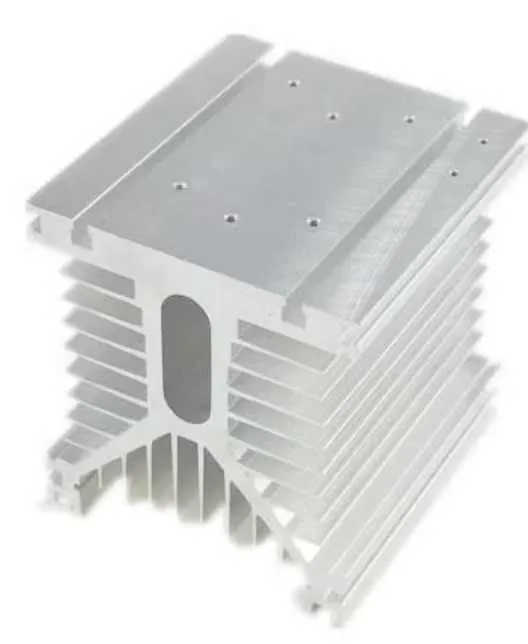
- Heat sinks: 1.5 to 3.0 mm fin thickness
- Housings: 1.2 to 2.0 mm
- LED profiles: 1.0 to 1.8 mm
Very thin fins are possible, but only with certain alloys and strict die control.
Renewable energy structures
Renewable systems prioritize outdoor life and fast assembly.
Typical wall thickness:
- Solar rails: 1.8 to 2.5 mm
- Mounting frames: 2.0 to 3.0 mm
- Inverter housings: 1.5 to 2.5 mm
These profiles must survive wind, snow, and corrosion for decades. Slightly thicker walls reduce long-term risk.
A simple application comparison
| Anvendelse | Almindelig vægtykkelse | Main reason |
|---|---|---|
| Arkitektur | 1.2 to 3.0 mm | Balance looks, strength, cost |
| Industriel | 2.0 to 4.0 mm | Rigidity and machining |
| Transport | 1.5 to 4.0 mm | Weight and load paths |
| Elektronik | 1.0 to 3.0 mm | Thermal and precision |
| Renewables | 1.8 to 3.0 mm | Udendørs holdbarhed |
In practice, application choice sets a range. Then alloy, press size, and finishing narrow it further.
Application requirements strongly influence extrusion wall thickness because load, assembly, and durability needs differ by use case.Sandt
Each application balances strength, weight, cost, and processing in a different way, leading to different standard thickness ranges.
All aluminum extrusion applications should use the same wall thickness to simplify production.Falsk
Using one thickness ignores load, assembly, and performance needs and often increases cost or failure risk.
Are there thickness ranges for specific alloy types?
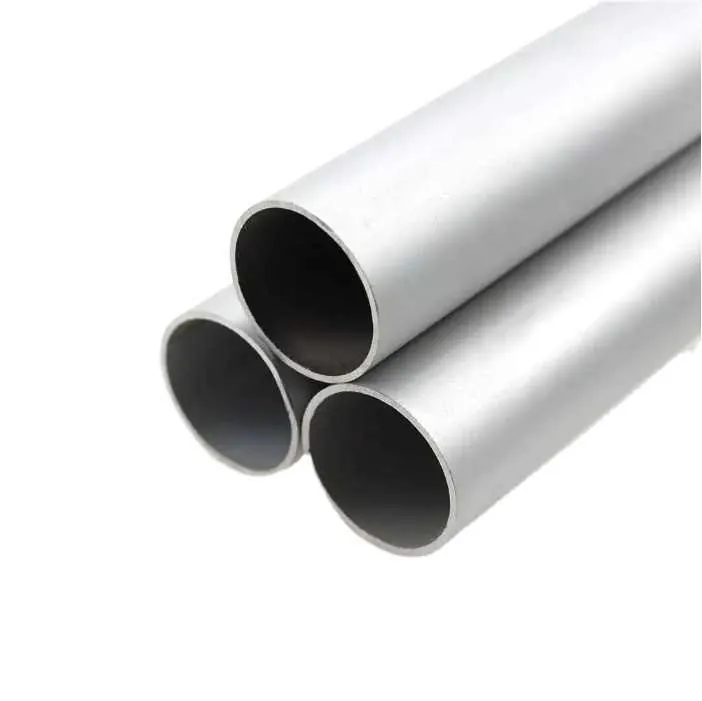
Alloys behave differently during extrusion. Ignoring this leads to unstable flow or poor surface quality.
Yes, different aluminum alloys have practical wall thickness ranges because strength, flow stress, and ductility vary by alloy family.
Why alloy matters
During extrusion, aluminum must flow through narrow die openings. Softer alloys flow easier. Stronger alloys resist flow.
This affects:
- Minimum achievable wall thickness
- Overfladefinishens kvalitet
- Press speed
- Die liv
Common alloy families and thickness behavior
6xxx series (6063, 6061)
This is the most common extrusion family.
Typical wall thickness:
- Minimum practical: 0.8 to 1.0 mm
- Common range: 1.5 to 3.0 mm
- Upper practical: 6.0 mm and above
6063 flows easily and gives good surface finish. It supports thin walls better than many alloys.
6061 is stronger but flows less easily. It prefers slightly thicker walls.
5xxx-serien
These alloys have good corrosion resistance and strength.
Typical wall thickness:
- Minimum practical: 1.5 mm
- Common range: 2.0 to 4.0 mm
They resist flow more than 6063, so thin walls are harder.
7xxx-serien
High strength, but difficult to extrude.
Typical wall thickness:
- Minimum practical: 2.0 to 2.5 mm
- Common range: 3.0 mm and above
Thin walls are risky and expensive with these alloys.
Alloy versus thickness trade-offs
Choosing a stronger alloy does not always allow thinner walls. Often the opposite happens.
A designer may assume higher strength allows thinner walls. In extrusion, higher strength often means:
- Højere tryk
- Lower speed
- Mere skrot
This can erase theoretical benefits.
Practical alloy guidance
| Legeringstype | Thin wall ability | Omkostningsstabilitet | Typical uses |
|---|---|---|---|
| 6063 | Meget god | Høj | Architecture, systems |
| 6061 | God | Medium | Structural, machining |
| 5xxx | Moderat | Medium | Marine, transport |
| 7xxx | Lav | Lav | Dele med høj styrke |
A balanced design often uses 6063 or 6061 in a standard thickness, then adds geometry for strength instead of switching alloy.
Different aluminum alloys support different practical wall thickness ranges due to variations in flow and strength.Sandt
Softer alloys like 6063 can support thinner walls, while stronger alloys often require thicker sections for stable extrusion.
Using a stronger alloy always allows thinner extrusion walls with no production risk.Falsk
Higher strength alloys often flow worse and can require thicker walls to maintain stability and surface quality.
Can tooling be shared across wall thicknesses?

Tooling cost is a major concern. Buyers often ask if one die can cover multiple wall options.
Tooling can sometimes be shared across similar wall thicknesses, but meaningful thickness changes usually require new dies to protect quality and yield.
Why tooling is thickness-specific
An extrusion die controls metal flow. Wall thickness affects:
- Bearing length
- Flow-balance
- Trykfordeling
- Die stress
A die designed for 2.0 mm walls will not behave the same at 3.0 mm.
When sharing is possible
Small adjustments may be possible in limited cases.
Eksempler:
- 2.0 mm to 2.2 mm with minor bearing changes
- Small local thickening for machining pads
- Profiles with wide flow margins
These cases still require engineering review.
When sharing is risky
Tooling should not be shared when:
- Thickness change exceeds 15 to 20 percent
- Profile has thin and thick sections already
- Tight tolerances are required
- Surface finish is critical
Using the wrong die often causes:
- Flow lines
- Dimensionel afdrift
- Excess scrap
- Short die life
Cost versus risk thinking
Some buyers push to reuse dies to save upfront cost. This can backfire.
Die cost is usually a small fraction of:
- Scrap cost
- Delay cost
- Quality claim risk
A stable die matched to thickness often pays back quickly.
Tooling strategy that works
A better approach is:
- Standardize wall thickness families
- Reuse dies within the same family
- Create separate dies for major thickness steps
For example, keep 2.0 mm designs together, and 3.0 mm designs together.
This builds a tooling library that supports growth without chaos.
Small wall thickness changes can sometimes reuse tooling, but larger changes usually require new dies for stable extrusion.Sandt
Die design depends on wall thickness, and large changes disrupt flow balance and quality.
One extrusion die can reliably produce any wall thickness by adjusting press settings.Falsk
Press settings cannot fully compensate for die geometry differences caused by major wall thickness changes.
Konklusion
Standard aluminum extrusion wall thickness options exist because they reflect real production limits. Most designs succeed between 1.5 mm and 3.0 mm. Applications, alloys, and tooling decisions refine this range. Clear thickness strategy reduces cost, risk, and redesign cycles.