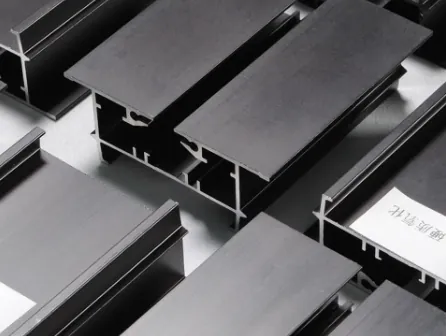
Brandmodstandsklasse for ekstruderet aluminium?
Brandsikkerhed bliver ofte først et problem, når et projekt allerede er designet. Aluminiumsprofiler er lette og stærke, men mange købere bekymrer sig om brandrisikoen. Denne bekymring kan bremse beslutninger og skabe tvivl.
Ekstruderet aluminium i sig selv brænder ikke, men dets brandmodstandsevne afhænger af legering, design, overfladebehandling og systemets anvendelse. Aluminium smelter ved høj temperatur, så det skal vurderes som en del af et komplet brandklassificeret system.
Mange købere holder op med at læse, når de hører “aluminium smelter”. Det er en fejltagelse. Brandegenskaber er mere komplekse, og hvis man forstår dem, kan man træffe bedre design- og indkøbsvalg.
Hvilke brandmodstandsklasser findes der for aluminiumskonstruktioner?
Brandklassificering er ofte forvirrende for købere af aluminium. Mange forventer et simpelt tal, men aluminiumskonstruktioner er ikke klassificeret på samme måde som beton eller stål.
Aluminiumskonstruktioner har normalt ikke en iboende brandmodstandsevne. Klassificeringen gælder for hele konstruktionen, ikke for aluminiumprofilen alene.
Aluminiums opførsel i brand
Aluminium er et ikke-brændbart metal. Det antændes ikke og udvikler ikke giftig røg. Det er en stor fordel i brandsituationer. Men aluminium mister styrke, når temperaturen stiger.
- Smeltepunktet er ca. 660C
- Styrken falder kraftigt over 200C
- Formstabilitet afhænger af profildesign
Det betyder, at aluminium er sikkert i forhold til afbrænding, men ikke i forhold til belastning ved brand.
Brandmodstandsevne forklaret
Brandmodstandsevnen måles i tid. Almindelige værdier omfatter 30, 60, 90 og 120 minutter. Disse tal beskriver, hvor længe en konstruktion kan opfylde bestemte kriterier under en standardbrandtest.
Testen tjekker tre vigtige ting:
- Bærende kapacitet
- Integritet mod flammepassage
- Isolering mod varmeoverførsel
Aluminiumsprofiler alene opfylder normalt ikke de bærende kriterier på et tidligt tidspunkt. Men når de bruges i systemer, kan resultatet ændre sig.
Typiske anvendelser og klassificeringer af aluminium
| Anvendelsesområde | Tilgang til brandvurdering | Typisk bedømmelse |
|---|---|---|
| Rammer til gardinvægge | System testet med glas og tætninger | 30 til 60 minutter |
| Vinduesrammer | Ofte uden rating eller med begrænset rating | 0 til 30 minutter |
| Industrielle profiler | Afhænger af indkapslingen | Systembaseret |
| Skinner til montering af solceller | Normalt ikke klassificeret | Ikke påkrævet |
I mange projekter er aluminium tilladt, fordi det ikke er det vigtigste bærende element under brand.
Designstrategier til at forbedre brandsikkerheden
Designet har en stor effekt på brandresultaterne. Tykke vægge, lukkede sektioner og termiske brud kan forsinke varmeoverførslen.
Almindelige metoder omfatter:
- Øget vægtykkelse
- Tilføjelse af brandhæmmende plader
- Brug af opsvulmende belægninger
- Design af aluminium som sekundær struktur
Disse metoder ændrer ikke selve aluminiummet. De ændrer, hvordan systemet reagerer i brand.
Aluminiumsprofiler er ikke-brændbare og bidrager ikke med brændstof til en brand.Sandt
Aluminium brænder eller antændes ikke under normale brandforhold og er klassificeret som ikke-brændbart.
Aluminiumsprofiler har som standard altid en brandmodstandsevne på 60 minutter.Falsk
Brandklassificering gælder for testede samlinger, ikke for aluminiumsprofiler i sig selv.
Hvordan påvirker overfladebehandlingen brandsikkerheden?
Overfladebehandling vælges ofte på grund af udseende eller korrosionsbestandighed. Brandadfærd diskuteres sjældent, men det betyder noget i nogle tilfælde.
Overfladebehandling ændrer ikke aluminiums smeltepunkt, men det kan påvirke røg, flammespredning og overfladereaktion.

Almindelige overfladebehandlinger af aluminium
De mest almindelige behandlinger omfatter:
- Anodisering
- Pulverlakering
- PVDF-belægning
- Elektroforese
- Mekanisk efterbehandling
Hver behandling tilføjer et tyndt lag til aluminiumsoverfladen.
Belægningers brandadfærd
Belægninger er organiske eller uorganiske. Denne forskel er kritisk i forbindelse med brand.
Organiske belægninger, som pulverlakering og PVDF, kan:
- Brænde eller nedbrydes
- Producerer røg
- Påvirker klassificering af flammespredning
Uorganiske belægninger, som anodisering, brænder ikke.
Flammespredning og røgudvikling
Mange brandregulativer fokuserer på to indekser:
- Indeks for flammespredning
- Indeks for røgudvikling
Overfladebelægninger kan hæve begge værdier.
| Overfladebehandling | Brændbarhed | Risiko for røg | Brandpåvirkning |
|---|---|---|---|
| Anodisering | Ikke-brændbar | Meget lav | Minimal |
| Pulverlakering | Brændbar | Medium | Moderat |
| PVDF-belægning | Brændbar | Middel til høj | Højere |
| Elektroforese | Lav | Lav | Begrænset |
Det er grunden til, at nogle offentlige projekter begrænser belagt aluminium i flugtveje.
Varmeoverførsel og belægningstykkelse
Belægninger er tynde. Typisk tykkelse er:
- Anodisering: 10 til 25 mikrometer
- Pulverlakering: 60 til 120 mikrometer
Disse lag isolerer ikke. Varme passerer hurtigt igennem. Brandmodstandstiden øges ikke.
Valg af overfladebehandling til brandfølsomme projekter
Til projekter som:
- Metrostationer
- Lufthavne
- Hospitaler
- Højtliggende trappeopgange
Anodiseret aluminium foretrækkes ofte. Det opfylder lettere kravene til ikke-brændbart materiale.
Anodisering tilfører ikke brændbart materiale til aluminiumsoverflader.Sandt
Anodisering skaber et oxidlag, der er uorganisk og ikke-brændbart.
Pulverlakering forbedrer aluminiums brandmodstandstid.Falsk
Pulverlakering øger ikke brandmodstandstiden og kan tilføje brændbart materiale.
Kan anodiseret aluminium modstå høje temperaturer?
Anodiseret aluminium opfattes ofte som mere brandsikkert. Det er delvist sandt, men det kræver en klar forklaring.
Anodiseret aluminium modstår overfladeskader ved høje temperaturer, men det mister stadig styrke, når basisaluminiumet varmes op.

Hvad anodisering virkelig gør
Anodisering omdanner aluminiumsoverfladen til aluminiumoxid. Dette lag er:
- Hård
- Stabil
- Ikke-brændbar
Aluminiumoxid har et meget højere smeltepunkt end aluminiummetal.
Sammenligning af temperaturmodstand
| Materialelag | Omtrentlig stabilitet |
|---|---|
| Aluminium metal | Mister styrke over 200C |
| Anodiseret oxidlag | Stabil over 1000C |
| Pulverlakering | Nedbrydes omkring 200-300C |
Det betyder, at overfladen forbliver intakt længere, men at strukturen nedenunder stadig svækkes.
Visuelt udseende ved brandeksponering
Ofte anodiseret aluminium:
- Skifter farve
- Viser mathed i overfladen
- Bevarer belægningens integritet
Pulverlakeret aluminium ofte:
- Bobler
- Skræller
- Producerer røg
Denne forskel har betydning for inspektion og sikkerhedsevaluering efter branden.
Der er stadig strukturelle begrænsninger
Selv med anodisering:
- Belastningsevnen falder hurtigt
- Afbøjningen øges
- Forbindelser kan mislykkes
Anodisering er ikke en brandsikker løsning. Det er en mere sikker overfladeløsning.
Praktiske brugsscenarier
Anodiseret aluminium bruges ofte i:
- Håndlister til brandtrapper
- Underrammer til facaden
- Indvendige offentlige rum
- Transportknudepunkter
Den opfylder reglerne for ikke-brændbare overflader, men er stadig afhængig af systemdesign for brandklassificering.
Anodiseret aluminium bevarer overfladestabiliteten ved meget høje temperaturer.Sandt
Det anodiserede oxidlag er stabilt ved temperaturer, der er meget højere end aluminiummetal.
Anodisering gør det muligt for aluminium at bevare sin fulde strukturelle styrke i brand.Falsk
Anodisering forhindrer ikke aluminium i at miste styrke, når temperaturen stiger.
Hvilke regler definerer kravene til brandklassificering?
Regler for brandklassificering afhænger af region og bygningstype. Købere af aluminium skal forstå, hvilke standarder der gælder, før de afgiver tilbud eller designer.
Krav til brandklassificering kommer fra bygningsreglementer og teststandarder, ikke fra specifikationer for aluminiumsmaterialer alene.
Vigtigste internationale brandstandarder
Forskellige markeder bruger forskellige systemer.
- Europa: EN-standarder
- De Forenede Stater: ASTM og NFPA
- Mellemøsten: Regler for civilforsvar
- Japan: Lov om bygningsstandarder
Aluminiumsprofiler skal passe ind i disse rammer.
Europæisk klassifikationssystem
I Europa er reaktion på brand klassificeret fra A1 til F.
- A1: Ikke-brændbar
- A2: Begrænset bidrag
- B til F: Øget brandrisiko
Bart aluminium og anodiseret aluminium opfylder normalt A1 eller A2. Belagt aluminium kan falde i lavere klasser, medmindre det er testet.
Brandmodstandsdygtighed versus reaktion på brand
Det er forskellige begreber.
Reaktion på ild:
- Hvordan materiale bidrager til brand
- Flammespredning
- Røg
Brandsikkerhed:
- Hvor længe en enhed modstår brand
- Målt i minutter
Aluminium klarer ofte reaktion på brand, men ikke brandmodstandsevne alene.
Fælles forventninger fra myndighederne
| Bygningstype | Typisk krav |
|---|---|
| Boliger | Begrænset brandsikkerhed |
| Kommerciel | 30 til 60 minutters systemer |
| Højhus | Streng systemtestning |
| Industriel | Specifik sag |
Derfor er aluminium meget udbredt, men sjældent alene i brandklassificerede elementer.
Købers ansvar for compliance
Producenter leverer profiler. Designere definerer systemer. Entreprenører installerer samlinger.
Det bør købere gøre:
- Bed om brandtestrapporter
- Bekræft overfladebehandlingsklasse
- Match produktbrug med kode
På den måde undgår man risici i inspektionsfasen.
Kravene til brandmodstandsevne er defineret af bygningsreglementer og testede samlinger.Sandt
Regler og standarder definerer, hvordan systemer skal fungere i brand, ikke individuelle materialer alene.
Alle aluminiumsprofiler opfylder automatisk de globale regler for brandklassificering.Falsk
Overensstemmelse afhænger af anvendelse, overfladebehandling og testet systemdesign.
Konklusion
Aluminiumsprofiler er sikre, ikke-brændbare og bredt accepterede i byggeriet. Brandsikkerheden afhænger af systemdesign, overfladebehandling og lovgivning. At forstå disse grænser hjælper købere med at vælge aluminium med tillid.