


Er aluminiumsekstrudering egnet til anodisering?
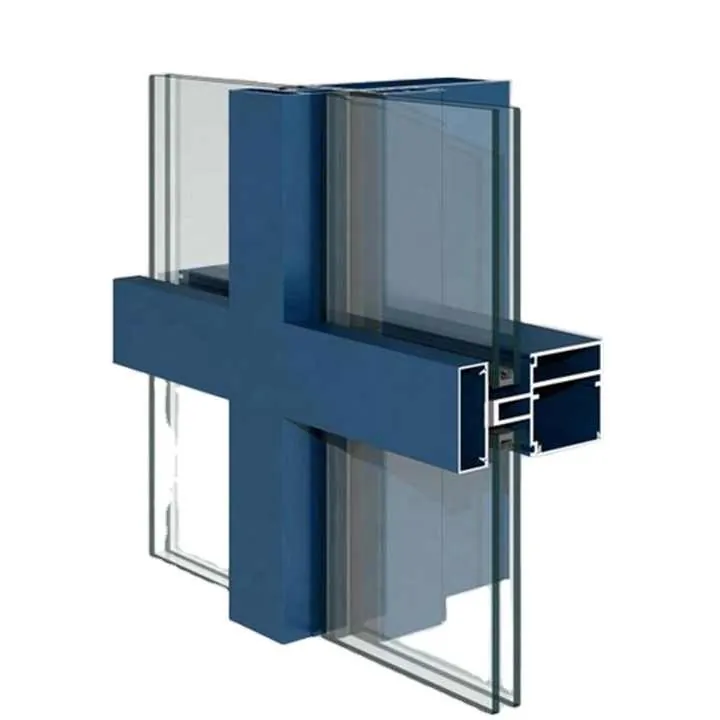
Dårlige anodiseringsresultater skyldes ofte et forkert valg. Legeringen. Mange købere oplever ujævn farve, svage lag og overfladefejl. Disse problemer øger omkostningerne og forsinker projekterne.
Aluminiumsekstruderingslegeringer, der er egnede til anodisering, er dem med lave urenhedsniveauer, stabil kemi og kontrolleret mikrostruktur, såsom legeringer i 6xxx-serien, som danner ensartede og holdbare oxidlag under anodisk behandling.
Mange ingeniører fokuserer kun på processtyring. Det er ikke nok. Valget af legering afgør det meste af det endelige udseende og ydeevne. At forstå dette første skridt hjælper med at undgå kvalitetsrisici senere.
Hvilken legeringsserie egner sig bedst til anodisering?
Der opstår hurtigt problemer, når den forkerte legering anodiseres. Uoverensstemmelse i farve. Striber. Dårlig korrosionsbestandighed. Disse problemer starter ofte ved valg af legering, ikke ved anodiseringstanken.
Aluminiumslegeringsserien 6xxx egner sig bedst til anodisering, fordi den har en god balance mellem magnesium- og siliciumindhold, hvilket giver et ensartet oxidlag med god farverespons og stærk vedhæftning.
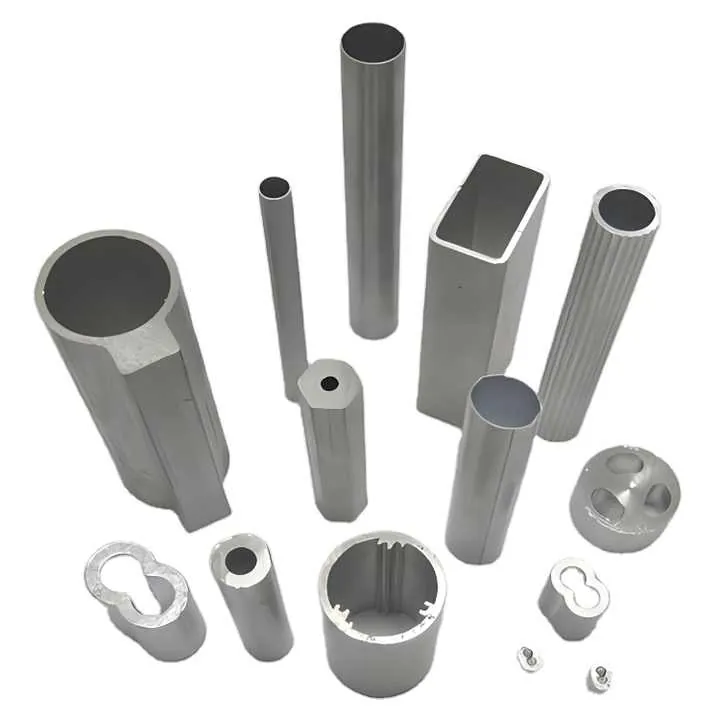
Aluminiumslegeringer opfører sig meget forskelligt under anodisering. Oxidlaget vokser fra grundmetallet. Hvis legeringselementer forstyrrer denne vækst, opstår der defekter. Baseret på produktionserfaring og feedback fra felten fungerer nogle legeringsfamilier bedre end andre.
Hvorfor 6xxx-serien dominerer anodiseringsapplikationer
6xxx-serien omfatter 6063, 6061 og relaterede kvaliteter. Disse legeringer bruges i vid udstrækning til arkitektoniske, industrielle og dekorative profiler. Deres kemi er stabil og forudsigelig.
De vigtigste årsager til deres resultater:
- Moderat magnesiumindhold understøtter oxidvækst
- Silikone forbedrer ekstruderingsflowet uden at skade anodiseringen
- Lavt kobberindhold reducerer farvevariationer
- Finkornet struktur understøtter glatte overflader
6063 kaldes ofte en arkitektonisk legering. Det er ikke marketingsprog. Den giver den mest jævne anodiserede finish under masseproduktionsforhold. 6061 er stærkere, men anodiserer stadig godt, når parametrene kontrolleres.
Sammenligning af almindelige anodiseringslegeringer
| Legering | Anodiseringens kvalitet | Farveuniformitet | Typisk brug |
|---|---|---|---|
| 6063 | Fremragende | Meget høj | Facader, rammer |
| 6061 | God | Høj | Strukturelle dele |
| 6005A | Medium | Medium | Transportsystemer |
| 5052 | Medium | Medium | Pladekomponenter |
| 7075 | Dårlig | Lav | Dele med høj styrke |
Tabellen viser et tydeligt mønster. Når legeringens styrke stiger, falder anodiseringskvaliteten ofte. Det skyldes tilsatte elementer som kobber og zink.
Hvorfor andre serier kæmper
Legeringer i 2xxx- og 7xxx-serien indeholder kobber og zink. Disse elementer oxiderer ikke jævnt. Under anodisering danner de mørke pletter eller svage zoner. Dette fører til dårligt udseende og reduceret korrosionsbestandighed.
5xxx-legeringer indeholder mere magnesium. De kan anodiseres, men farvestyringen er sværere. I tykke film kan de vise grå eller uklare toner.
Fra et leverandørperspektiv er den sikreste anbefaling til anodisering fortsat 6063 eller kontrolleret 6061.
Aluminiumslegeringer i 6xxx-serien giver de mest stabile og ensartede anodiserede overflader blandt almindelige ekstruderingskvaliteter.Sandt
Deres afbalancerede indhold af magnesium og silicium understøtter en jævn vækst af oxidlaget og en ensartet farvegengivelse.
Aluminiumslegeringer i 7xxx-serien er ideelle til dekorativ anodisering på grund af deres høje zinkindhold.Falsk
Høje zink- og kobberniveauer forstyrrer oxiddannelsen og forårsager farve- og overfladefejl under anodisering.
Hvordan påvirker legeringens renhed kvaliteten af oxidlaget?
Mange købere går ud fra, at anodisering er en belægning. Det er det ikke. Det er en kontrolleret oxidering af det uædle metal. Det betyder, at renheden betyder noget på hver mikron.
Højere legeringsrenhed fører til et tættere og mere ensartet oxidlag, fordi færre urenhedspartikler afbryder oxidvæksten og det elektriske strømforløb under anodiseringen.

Renhed betyder ikke kun rent aluminium. Det betyder kontrollerede grænser for uønskede elementer. Jern, kobber og zink er de mest almindelige ballademagere.
Urenhedernes rolle
Under anodisering flyder der strøm gennem aluminiumsoverfladen. Oxid vokser opad og indad. Urenheder blokerer denne strøm. Når det blokeres, bliver oxidtykkelsen ujævn.
Almindelige urenhedseffekter:
- Jern skaber mørke striber
- Kobber forårsager sorte pletter
- Zink nedsætter korrosionsbestandigheden
- Bly skaber pinholes
Selv små mængder betyder noget. En ændring på 0,05 procent kobber kan ændre den endelige farve.
Konsistens i mikrostrukturen
Renhed påvirker også kornstrukturen. Rene legeringer danner fine og jævne korn under ekstrudering. Disse korn reagerer jævnt på anodiseringsstrømmen.
Dårlig renhed fører til:
- Blandede kornstørrelser
- Adskillelsesbånd
- Ujævn ætsning
- Ujævne farvezoner
Det er derfor, at to profiler med samme legeringsnavn kan anodisere forskelligt, hvis de kommer fra forskellige fabrikker.
Praktiske retningslinjer for renhed for købere
| Element | Anbefalet maksimum for anodisering |
|---|---|
| Jern | <= 0,25 procent |
| Kobber | <= 0,05 procent |
| Zink | <= 0,10 procent |
| Bly | Så lavt som muligt |
Disse grænser er strengere end standardlegeringsspecifikationer. De afspejler reel anodiseringsydelse, ikke bare kemisk overensstemmelse.
Fra virkelige produktionslinjer reducerer strammere renhedskontrol afvisningsprocenterne. Det forkorter også justeringen af anodiseringscyklussen.
Lavere urenhedsniveauer forbedrer anodiseringslagets tæthed og visuelle konsistens.Sandt
Færre urenhedspartikler giver et jævnt elektrisk flow og stabil oxidvækst.
Urenheder påvirker kun overfladefarven og har ingen indflydelse på tykkelsen af det anodiserede lag.Falsk
Urenheder forstyrrer strømmen og påvirker direkte oxidets tykkelse og styrke.
Kan legeringer med høj styrke anodiseres effektivt?
Høj styrke kommer ofte med skjulte omkostninger. Anodisering er en af dem. Mange ingeniører spørger, om styrke og udseende kan sameksistere.
Aluminiumlegeringer med høj styrke kan anodiseres, men resultaterne er ofte begrænsede med hensyn til farveuniformitet, lagintegritet og korrosionsbestandighed sammenlignet med legeringer med medium styrke.
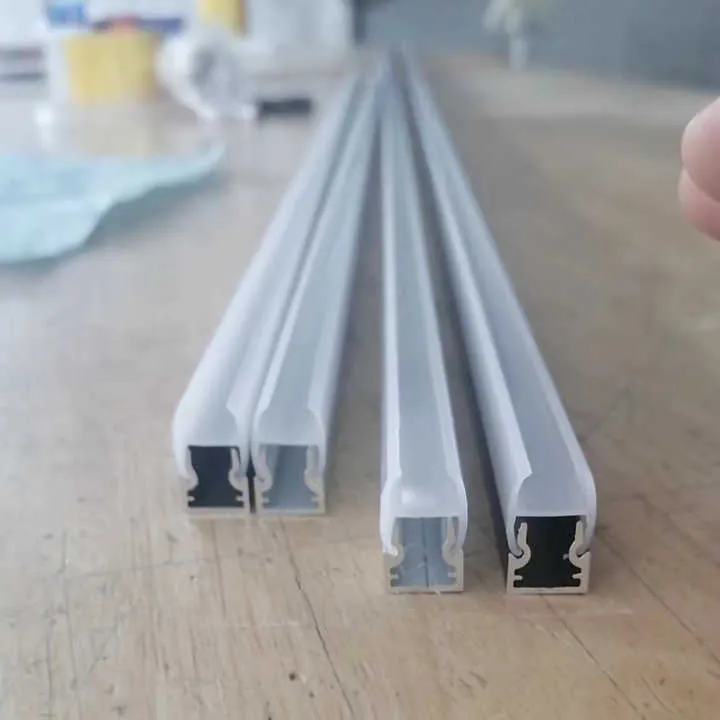
Styrken i aluminium kommer normalt fra kobber, zink eller begge dele. Disse elementer forstyrrer anodiseringens kemi.
Typiske udfordringer med højstyrkelegeringer
Legeringer med høj styrke som 2024 og 7075 viser almindelige problemer:
- Mørk eller ujævn farve
- Brænder i kanterne
- Reduceret vedhæftning af oxid
- Højere afvisningsprocent
Disse problemer opstår ikke altid i små prøver. De dukker ofte op i masseproduktion.
Når anodisering af højstyrkelegeringer giver mening
Der er tilfælde, hvor anodisering stadig er påkrævet:
- Komponenter til luft- og rumfart
- Militært udstyr
- Funktionel korrosionsbeskyttelse
- Behov for elektrisk isolering
I disse tilfælde skal forventningerne justeres. Klar anodisering fungerer bedre end farvet anodisering. Tynde film fungerer bedre end tykke film.
Procesjusteringer, der hjælper
For at forbedre resultaterne:
- Brug lavere strømtæthed
- Anvend længere ramp-up-tider
- Vælg kun anodisering med svovlsyre
- Undgå organiske farvestoffer
Selv med justeringer forbliver resultaterne ringere end 6xxx-seriens finish.
Kompromis mellem styrke og anodisering
| Legeringstype | Styrke-niveau | Anodiseringens udseende |
|---|---|---|
| 6063 | Medium | Fremragende |
| 6061 | Middelhøj | God |
| 2024 | Høj | Dårlig |
| 7075 | Meget høj | Meget dårlig |
Denne afvejning skal diskuteres tidligt i designet. Mange redesigns sker for sent, fordi dette spørgsmål ignoreres.
Aluminiumslegeringer med høj styrke kan anodiseres, men har ofte en ringere overfladekvalitet.Sandt
Indholdet af kobber og zink forstyrrer oxiddannelsen og farvens konsistens.
Højstyrkealuminiumlegeringer anodiserer bedre end legeringer i 6xxx-serien på grund af deres tætte struktur.Falsk
Deres legeringselementer forstyrrer anodiseringen på trods af højere mekanisk styrke.
Hvilke overfladebehandlinger skal gå forud for anodisering?
Anodisering tilgiver ikke fejl. Overfladeforberedelsen lægger grunden til alt, hvad der følger efter.
Overfladebehandlinger som affedtning, alkalisk ætsning og afsmeltning skal gå forud for anodisering for at sikre rene, reaktive aluminiumsoverflader til ensartet oxidvækst.
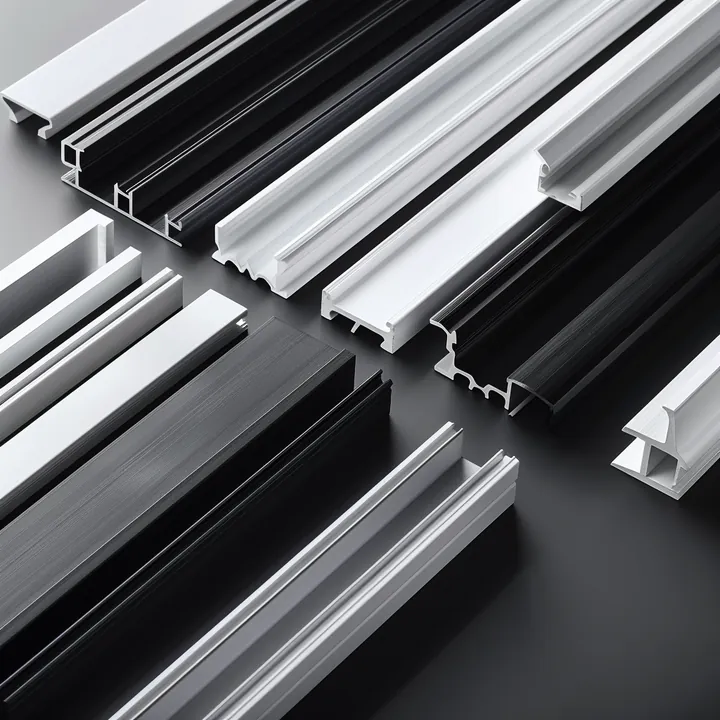
Overspringshandlinger eller forhastet forberedelse fører til permanente defekter. Når de først er anodiseret, kan fejlene ikke rettes.
Affedtning
Ekstruderede materialer indeholder olie fra ekstrudering og håndtering. Disse olier blokerer anodiseringsstrømmen.
Affedtning fjerner:
- Smøremidler
- Fingeraftryk
- Rester af emballage
Både alkalisk og opløsningsmiddelbaseret affedtning kan bruges. Styr tiden nøje for at undgå pletter.
Alkalisk ætsning
Ætsning fjerner overfladeoxider og mindre ridser. Det udjævner også ekstruderingsmærker.
Effekter af korrekt ætsning:
- Ensartet mat overflade
- Reducerede værktøjslinjer
- Bedre farveabsorption
Overætsning medfører dimensionstab og appelsinskalstruktur.
Afsmeltning
Efter ætsning er der legeringsrester tilbage. Disse kaldes smut. Afsmeltning fjerner dem.
Dette trin er afgørende for:
- Fjernelse af kobber
- Fjernelse af jernpartikler
- Fjernelse af zinkrester
Salpetersyrebaseret afsmeltning er almindelig.
Flow for overfladebehandling
| Trin | Formål | Risiko ved at springe over |
|---|---|---|
| Affedtning | Fjern olier | Plettet oxid |
| Ætsning | Nivellering af overflader | Ujævn farve |
| Afsmeltning | Fjern rester | Mørke pletter |
| Skylning | Forhindre overførsel | Kemiske pletter |
Hvert trin bygger videre på det foregående. Dårlig kontrol tidligt skaber synlige fejl senere.
Ud fra langsigtede produktionsdata kan de fleste anodiseringsklager spores tilbage til forberedelse, ikke anodiseringstanke.
Korrekt overfladeforberedelse er afgørende for at opnå en ensartet anodiseret finish.Sandt
Hvert forberedelsestrin sikrer rene og reaktive aluminiumsoverflader til stabil oxidvækst.
Anodiseringskvaliteten afhænger kun af anodiseringsbadet og ikke af overfladeforberedelsen.Falsk
Overfladeforurening og rester forårsager direkte anodiseringsfejl, hvis de ikke fjernes.
Konklusion
At vælge den rigtige legering og kontrollere renhed og forberedelse afgør anodiseringens succes. Mellemstærke, rene 6xxx-legeringer med korrekt overfladebehandling giver stabile, gentagelige resultater på tværs af store ekstruderingsprojekter.


