Hvor meget vægt kan 1 aluminiumsprofil bære?

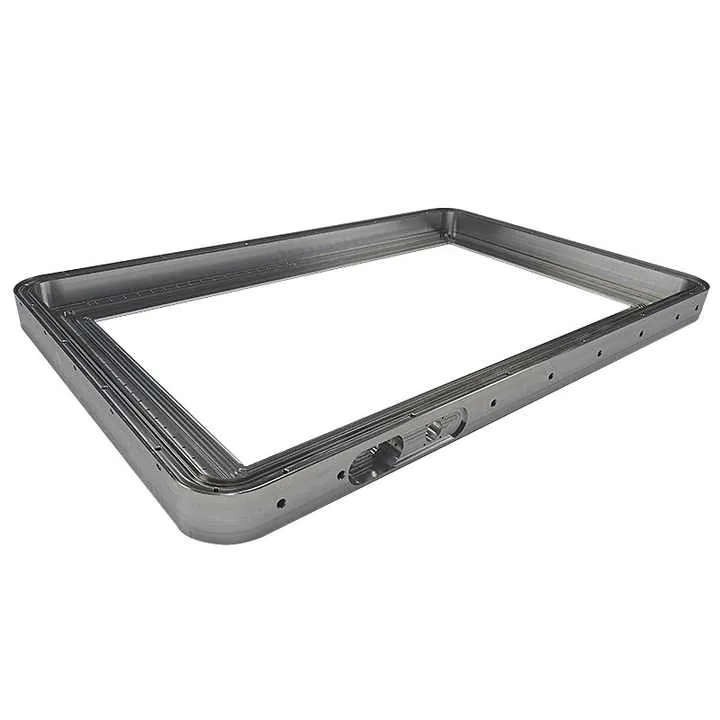
Jeg stod engang over for et scenarie, hvor en lang aluminiumsrammekonstruktion sank sammen under en tung belastning, og jeg spekulerede på, hvor meget vægt en aluminiumsprofil egentlig kan bære?
Belastningskapaciteten for en aluminiumprofil afhænger af legeringskvalitet, profilgeometri, støtteforhold og forbindelsesdesign - der er ikke noget enkelt “hvor meget”-tal, der gælder universelt.
Lad os gennemgå de vigtigste faktorer, den geometriske side, beregningsmetoder, og hvordan forstærkninger hjælper.
Hvad påvirker ekstruderingsstyrken?
Når du vælger en profil og hænger en tung genstand op - hvis du ikke har taget højde for alt, kan der ske fejl.
Belastningsevnen påvirkes af materialets legering, spændets længde og retning, hvordan profilen understøttes, og hvordan den forbindes med andre dele.

Materiale, legering og temperatur
Legeringen har betydning. For eksempel har 6063-T6 en høj flydespænding, mens blødere legeringer som 1100-serien har meget lavere grænser. En stærkere legering giver en højere tilladelig belastning.
Længde og støtteforhold
En profil, der er 500 mm lang og understøttet i begge ender, vil bære mere vægt end et spænd på 2000 mm med en cantilever-opsætning. Kortere spændvidde reducerer bøjning og nedbøjning betydeligt.
Tværsnit og geometri
Et større inertimoment betyder større modstandsdygtighed over for bøjning. En høj profil med tykke vægge vil kunne holde til mere belastning end en tynd, lille profil. Formen og væglayoutet påvirker styrken direkte.
Tilslutninger og fastgørelse
Selv den bedste ekstrudering fejler, hvis dens forbindelser er svage. Dårligt fastgjorte samlinger eller beslag kan blive fejlpunktet. Faste støtter holder altid mere end løst fastgjorte.
Miljø og dynamiske belastninger
Vibrationer, stød og cykliske kræfter sænker den effektive styrke. Langvarige eller dynamiske belastninger kræver meget større sikkerhedsmarginer end statiske anvendelser. Temperatur og korrosion spiller også en rolle.
Oversigt over faktorer
| Faktor | Hvorfor det er vigtigt |
|---|---|
| Legering og hærdning | Definerer styrke og stivhed |
| Længde/spændvidde & støtte | Påvirker nedbøjning og momentkapacitet |
| Tværsnitsgeometri | Bestemmer bøjningsmodstand og stabilitet |
| Design af fastgørelse/tilslutning | Påvirker, hvordan belastninger overføres eller tabes |
| Belastningstype og -miljø | Eksterne forhold påvirker holdbarhed og sikkerhedsfaktorer |
Legeringskvalitet er det eneste, der afgør, hvor meget vægt en aluminiumprofil kan holde til.Falsk
Ud over legeringskvalitet spiller geometri, spændvidde, understøtningsforhold og forbindelsesdesign alle en vigtig rolle.
En profil med kortere spændvidde, der er understøttet i begge ender, vil kunne holde til mere belastning end en længere udkraget profil med samme legering og tværsnit.Sandt
Fordi bøjningsmomenter og nedbøjning øges med længden af spændvidden og svagere understøtningsforhold.
Hvorfor påvirker vægtykkelsen kapaciteten?
Hvis du bare vælger en “20×20 aluminiumsprofil” uden at tjekke dens vægtykkelse, kan du ende med en bjælke, der hænger.
En tykkere væg giver bedre styrke og mindre nedbøjning. Hule sektioner reducerer vægten, men kan reducere stivheden, medmindre de er optimerede.

Hvilke ændringer i vægtykkelse
- Bøjningsmodstand - Tykkere vægge øger inertimomentet. Dette reducerer direkte nedbøjningen under belastning.
- Bucklingmodstand - Vægtykkelsen påvirker, hvor let ekstruderingen deformeres under kompression eller sidekraft.
- Lokal deformation - Tynde vægge får lettere buler, når belastningen fokuseres på små områder.
- Fælles styrke - Tykkere sektioner kan holde skruer og fastgørelsesmidler mere pålideligt, hvilket reducerer risikoen ved forbindelsespunkter.
Eksempel på sammenligning
To profiler med samme udvendige størrelse - f.eks. 40×80 mm - kan have meget forskellig styrke, hvis den ene har 2 mm vægge og den anden 4 mm. Den tykkere modstår langt bedre bøjning og vridning.
Praktiske overvejelser
- Vægtykkelsen påvirker både ydeevne og vægt.
- Du bør afveje vægtykkelse med materialeomkostninger og forventet belastning.
- Ensartet vægtykkelse sikrer forudsigelig opførsel under ekstrudering og brug.
- I applikationer med høj belastning giver tykkere vægge bedre holdbarhed og pålidelighed.
| Væggens tykkelse | Bøjningsstyrke | Afbøjning | Styrke af fastgørelse |
|---|---|---|---|
| 1,5 mm | Lav | Høj | Svag |
| 2,5 mm | Moderat | Medium | Acceptabel |
| 4 mm | Høj | Lav | Stærk |
En tykkere væg fordobler altid ekstruderingens belastningskapacitet, uanset andre faktorer.Falsk
Tykkere vægge forbedrer kapaciteten, men spændvidde, legering, understøtning og geometri påvirker stadig den samlede belastningskapacitet.
Vægtykkelsen er en nøglefaktor, fordi den påvirker sektionens inertimoment, nedbøjning og lokale modstand.Sandt
Vægtykkelsen bidrager væsentligt til sektionsegenskaber og stivhed, som er afgørende for belastningskapaciteten.
Hvordan beregner man sikre belastningsgrænser?
Da en kunde bad mig om at angive den tilladte belastning for en specialfremstillet aluminiumsramme, brugte jeg formler i stedet for at gætte.
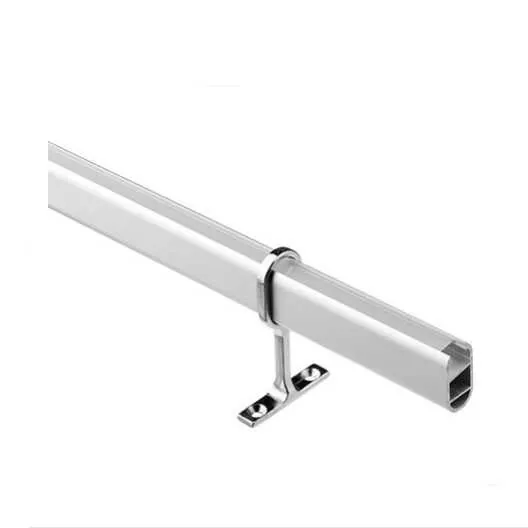
Beregning af sikre belastningsgrænser bruger typisk formler for bøjning og nedbøjning af bjælker - man vælger den tilladte nedbøjning og løser derefter den tilladte belastning ved hjælp af profilegenskaber og understøtningstype.
Grundlæggende trin
- Definer spændvidden (L), understøtningstype (enkelt understøttet, udkraget osv.)
- Brug det korrekte elasticitetsmodul (E), normalt omkring 70 GPa for aluminium.
- Find profilets inertimoment (I) og tværsnitsmodul (W)
- Vælg en acceptabel afbøjningsgrænse (ofte L/1000 eller L/500)
- Beregn belastning (P) ved hjælp af nedbøjningsformler
- Tjek bøjningsspændingen, og sørg for, at den er under materialets flydespænding
- Anvend sikkerhedsfaktorer, normalt ×2 eller ×3 for konservativt design
Formelreference
- Afbøjning (central belastning):
[
\delta = \frac{P \cdot L^3}{48 \cdot E \cdot I}
] - Løsning for belastning:
[
P = \frac{48 \cdot E \cdot I \cdot \delta}{L^3}
] - Bøjningsspænding:
[
\sigma = \frac{M}{W} = \frac{P \cdot L/4}{W}
]
Eksempel
Hvis en aluminiumsprofil med et spænd på 1000 mm har I = 4000 mm⁴, og den tilladte nedbøjning er 1 mm, kan du beregne P i overensstemmelse hermed. Kontroller derefter, at bøjningsspændingen er langt under flydegrænsen (f.eks. 200 MPa for 6063-T6), og juster.
| Parameter | Værdi |
|---|---|
| Spændvidde (L) | 1000 mm |
| E | 70.000 MPa |
| I |