Hvordan fremstilles ekstruderet aluminium?

Da jeg første gang trådte ind i et ekstruderingsanlæg, så jeg den glødende billet, den gigantiske stempel og den lange profil, der blev trukket ud. Det slog mig: Dette er en omhyggeligt kontrolleret proces, ikke bare “skubbe metal gennem en form”.
Ekstrudering af aluminium fremstilles ved at opvarme en legering, presse den gennem en formet matrice under højt tryk, afkøle den, rette den ud og efterbehandle overfladen.
Lad mig gennemgå, hvordan det hele fungerer, og hvorfor hvert element er vigtigt.
Hvilke faser definerer fremstilling af aluminiumsekstrudering?
I hjertet af ekstrudering er der forskellige faser - fra råmateriale til færdig profil. At forstå disse hjælper dig som leverandør med at stille de rigtige spørgsmål og holde dine partnere ansvarlige.
Stadierne omfatter forberedelse af form og værktøj, opvarmning af emner, ilægning i pressen, ekstrudering gennem formen, slukning og afkøling, retning/strækning, skæring og efterbehandling.
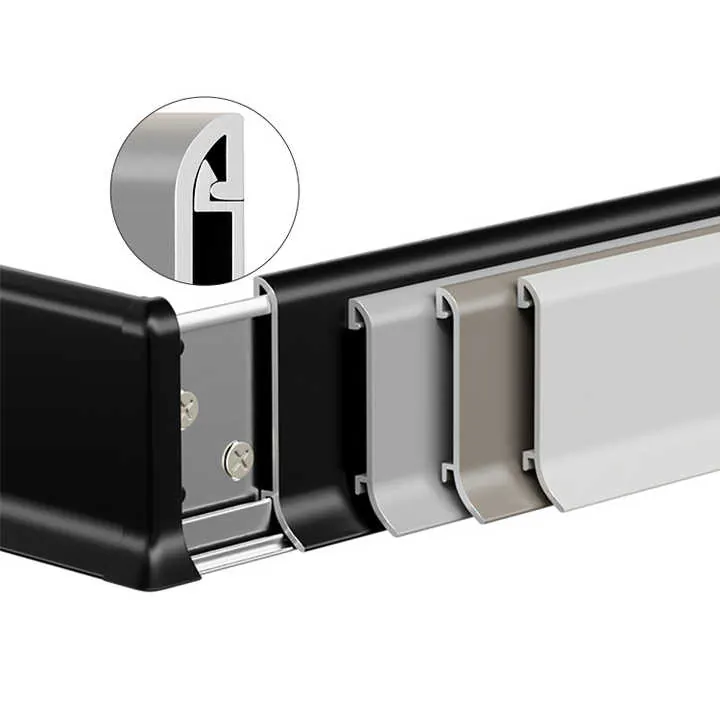
Opdeling af scenen
- Forberedelse af form og værktøj: Den matrice, der danner profilens form, skal bearbejdes præcist, forvarmes og justeres. Ellers går det ud over alle efterfølgende trin.
- Opvarmning af billets: En massiv aluminiumsbillet opvarmes til en bestemt temperatur for at gøre den formbar, men alligevel forblive solid. Hvis det er for koldt, kan det ikke flyde; hvis det er for varmt, forringes egenskaberne.
- Indlæsning i pressen: Emnet overføres til ekstruderingspressens beholder. Der kan påføres smøremidler eller slipmidler for at reducere friktionen.
- Ekstrudering gennem matricen under tryk: Stemplet anvender et højt tryk. Aluminiummet strømmer gennem matricens åbning og kommer ud som en profil. Ekstruderingsforholdet (størrelsen på emnet i forhold til størrelsen på formen) er vigtigt her.
- Køling/slukning: Når profilen kommer ud, skal den afkøles hurtigt eller kontrolleret for at stabilisere dens struktur og form. Dette hjælper med at forhindre vridning eller forvrængning.
- Strækning/udretning: Efter afkøling kan profiler have små bøjninger eller spændinger. Strækmaskiner hjælper med at justere dem og sikre, at de er lige.
- Tilskæring og efterbehandling: Profilen skæres til i de ønskede længder og flyttes ofte til overfladebehandling, bearbejdning eller samling.
Hvorfor denne fulde sekvens er vigtig
Hver fase påvirker den næste. Hvis matricen er dårligt forberedt, flyder emnet måske ikke korrekt. Hvis opvarmningen er slukket, kan stemplets tryk være for lavt eller for højt og forårsage fejl. Hvis afkølingen er ukontrolleret, er det ikke sikkert, at retningen retter helt op på forvridningerne.
Ekstruderingsprocessen begynder altid med en støbt, smeltet aluminiumsbillet.Falsk
Ved ekstrudering af aluminium er emnet fast og opvarmet, ikke smeltet, før det presses.
Retning eller strækning er et almindeligt trin efter ekstrudering for at sikre, at profilen er lige.Sandt
Strækningen hjælper med at fjerne skævheder eller bøjninger og sikrer geometrisk nøjagtighed.
Hvorfor påvirker ekstruderingstrykket resultaterne?
Trykket i ekstruderingspressen er en kritisk parameter, ikke bare et tal. Det påvirker materialeflow, formnøjagtighed, overfladefinish og værktøjets levetid.
Ekstruderingstrykket påvirker resultaterne, fordi et højere tryk tvinger aluminiummet gennem strammere eller mere komplekse matricer, men for meget eller ukontrolleret tryk kan forårsage defekter, større slid, dårligere overfladefinish eller indre fejl.
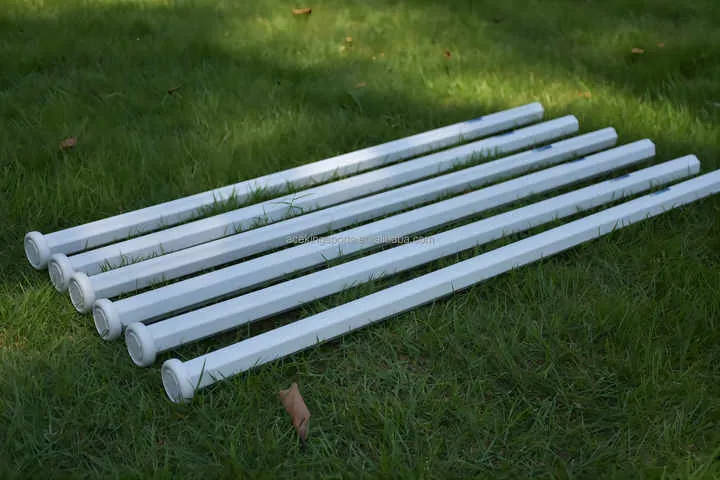
Hvordan presset viser sig i praksis
- Jo tykkere, mere kompleks profilen er, eller jo hårdere legeringen er, jo mere tryk skal der til for at tvinge aluminiummet gennem matricen.
- Hvis trykket er for lavt i forhold til matricestørrelsen og temperaturen, fylder aluminiummet måske ikke matricen ordentligt, hvilket resulterer i hulrum i overfladen, ujævn vægtykkelse eller ufuldstændige former.
- Hvis trykket er for højt uden ordentlig kontrol eller værktøjsstøtte, kan det forårsage overdreven værktøjsslitage, overophedning af værktøjet eller metallet eller endda beskadige matricen, hvilket reducerer dens levetid og øger omkostningerne.
- Trykket påvirker også flowhastigheden og dermed indirekte profilens udgangstemperatur. Et hurtigt flow under højt tryk kan føre til højere udgangstemperaturer, hvilket kan påvirke rethed, køleadfærd og overfladetilstand.
Konsekvenser for din outputkvalitet
For dine aluminiumsprofiler, der spænder fra 10 mm til 400 mm, betyder uoverensstemmende tryk, at du kan få det:
- Skæve eller snoede profiler
- Overflademærker eller slæbelinjer
- Variationer i vægtykkelse eller indvendige fejl
- Kortere levetid for værktøjet
Højere ekstruderingstryk betyder altid bedre profilfinish.Falsk
Højere tryk uden matchende billettemperatur, værktøjstilstand og formdesign kan føre til defekter og dårligere finish.
Et korrekt kontrolleret ekstruderingstryk forbedrer de ekstruderede deles dimensionsnøjagtighed og overfladekvalitet.Sandt
Afbalanceret tryk sikrer korrekt flow, værktøjslevetid og ensartethed i den færdige profil.
Hvor forbedres overfladefinishen i ekstrudering?
Overfladefinish er en vigtig egenskab - især hvis dine profiler skal anodiseres, pulverlakeres eller være synlige i arkitektoniske anvendelser. Flere dele af processen påvirker finishen, og der er efterbehandlingstrin efter ekstruderingen.
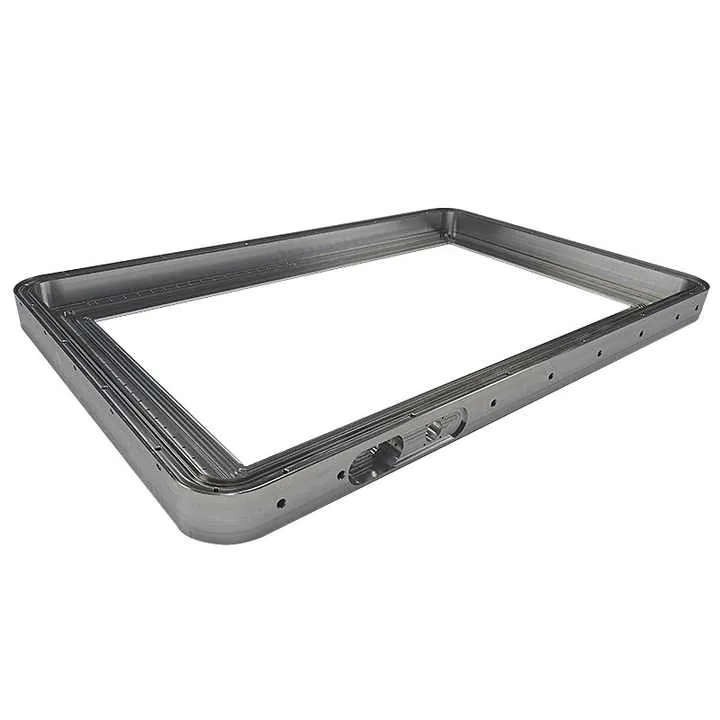
Overfladefinishen forbedres gennem omhyggeligt design af værktøj og form, kontrolleret flow og afkøling under ekstrudering og dedikerede efterbehandlingsprocesser som anodisering eller mekanisk behandling.
Hvor finish-forbedringer sker
- Form- og værktøjstilstand: En matrice med et poleret leje, korrekt geometri og ingen slitage giver et renere flow og færre overflademærker.
- Flowkontrol under ekstrudering: Ujævnt flow, for stor friktion eller for høj udgangstemperatur kan forårsage uregelmæssigheder i overfladen.
- Køletrin: Korrekt afkøling får overfladen til at størkne jævnt og hjælper med at undgå bølger, revner eller ruhed.
- Behandlinger efter ekstrudering: Slibning, børstning eller sandblæsning forbedrer basisfinishen. Et glattere udgangspunkt giver bedre resultater ved anodisering eller pulverlakering.
- Valg af overfladebehandling: Anodisering giver korrosionsbestandighed og farve. Pulverlakering tilføjer tekstur og visuel appel. Begge dele kræver en ren, glat overflade for at fungere godt.
Relevans for din virksomhed
Hvis din kunde forventer finish i arkitektonisk kvalitet eller udsatte dele (som i belysning eller solrammer), kan overfladekvalitet ikke være en eftertanke. Den skal være indbygget i processen fra formforberedelse til efterbehandling.
Overfladekvaliteten ved ekstrudering afhænger kun af efterbehandlingsprocessen (anodisering eller maling).Falsk
Finishkvaliteten afhænger også af selve ekstruderingsprocessen: formdesign, værktøjets tilstand, flow, køling og mekanisk forberedelse.
Korrekt værktøj og køling i ekstruderingen kan reducere omkostningerne til efterbehandling betydeligt.Sandt
Hvis ekstruderingen forlader pressen med en ren, ensartet overflade og minimale defekter, vil efterbehandling og belægning koste mindre og være mere ensartet.
Kan automatisering effektivisere ekstruderingsproduktionen?
I moderne produktion transformerer automatisering og digital styring processer, herunder ekstrudering af aluminium.
Ja, automatisering kan strømline ekstruderingsproduktionen ved at integrere procesovervågning, realtidskontrol af temperatur og tryk og automatisering af skæring, køling og materialehåndtering.

Hvordan automatisering hjælper
- Overvåger billet- og matricetemperatur og justerer ekstruderingshastighed eller -tryk.
- Håndterer automatisk profilbevægelse fra presse til kølebord til strækker til savlinje.
- Anvender ensartet kraft under strækningen for at holde tolerancerne stramme.
- Muliggør dataindsamling og procesdiagnostik i realtid.
- Forbedrer sikkerheden ved at reducere manuel håndtering af varme materialer.
Fordele for din produktion
Automatisering hjælper dig med dine globale kunder og B2B-leverancer i store mængder:
- Oprethold ensartet kvalitet over store partier
- Reducer cyklustiden og forbedr leveringshastigheden
- Reducer skrot og manuelle fejl
- Spor batchydelse og produktkvalitet ved hjælp af digitale systemer
Spørg din ekstruderingspartner, hvilken automatisering de bruger - fra PLC-styrede presser til robothåndtering og inline-inspektionsværktøjer.
Automatisering i ekstruderingsfremstilling reducerer altid de endelige produktomkostninger.Falsk
Automatisering kan reducere omkostningerne, men investeringen er høj; det betaler sig kun, hvis kravene til volumen, variation og kvalitet berettiger det.
Implementering af digital processtyring i ekstrudering kan forbedre konsistensen og reducere spild.Sandt
Overvågning og styring af vigtige procesparametre fører til færre fejl og bedre repeterbarhed.
Konklusion
Fra forberedelse af værktøj til opvarmning af emner, ekstrudering under tryk, afkøling, opretning, overfladebehandling og automatisering er fremstilling af ekstruderet aluminium en præcis og optimerbar proces. Forståelse af hvert trin hjælper dig som leverandør med at stille klogere spørgsmål, opbygge bedre partnerskaber og levere højere kvalitet til dine kunder.