Where to Buy Cheap Aluminum Extrusion?

I’ve been hunting for budget‑friendly aluminum extrusion profiles for years. When material costs rise and lead‑times stretch, finding affordable stock becomes a real win.
You can find cheap aluminum extrusion by sourcing from clearance and over‑stock suppliers, comparing standard alloy profiles from multiple vendors, verifying quality carefully, and taking advantage of bulk deals to reduce unit cost.
I’ll walk you through where to look for budget extrusions, why comparing materials matters, how to check quality on a tight budget, and how bulk purchases can cut your overall spend.
What suppliers offer budget extrusions?
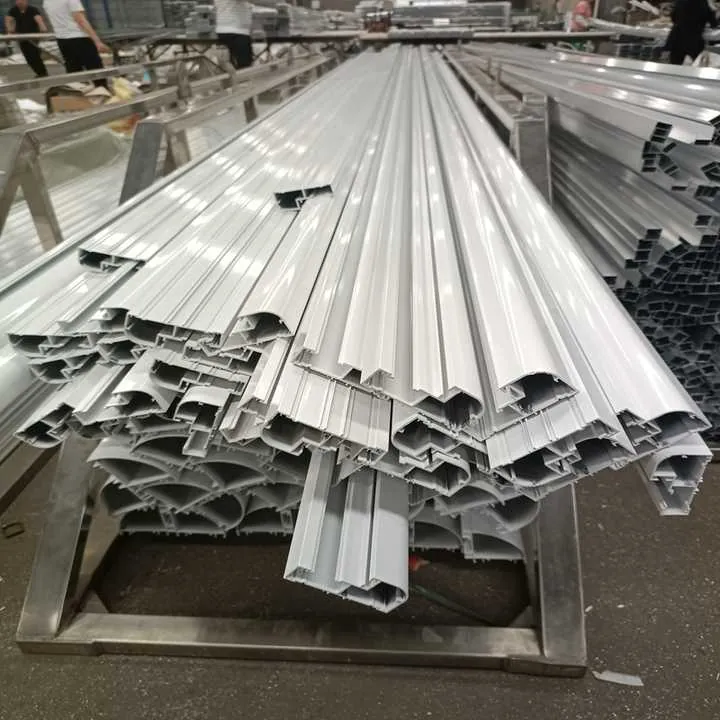
Finding budget extrusions starts with knowing which suppliers cater to over‑stock, standard sizes and clearance inventory rather than custom high‑end profiles.
Many distributors specialising in standard shapes or t‑slot systems offer lower‑cost extrusion options suitable for less demanding applications.
Here are a few supplier types and examples:
Supplier types & examples
| Typ dodavatele | Co hledat | Budget signal |
|---|---|---|
| Over‑stock/clearance yards | Profiles leftover from large runs or discontinued sizes | “Clearance sale – final stock” |
| Standard profile distributors | Pre‑made standard shapes (angles, channels, tubes) in common alloys | “Standard size stock”, “no custom die required” |
| T‑slot framing specialists | T‑slot extrusions used for general purpose framing often cost less | “Lite series”, “economy profile” |
| Large industrial suppliers | Have stock in volume and offer better pricing per unit | “Volume pricing”, “stocking program” |
Here’s why this matters:
- Choosing standard shapes means the die is already made, which lowers cost.
- Clearance inventory often means you get leftover stock at reduced pricing.
- Focusing on widely used alloys keeps cost down because production runs are larger.
When you approach a supplier, ask:
- “Do you stock this profile in standard alloy (e.g., 6063‑T5) and standard length?”
- “Is this leftover stock or a special run?”
- “What is the minimum order?”
- “Are specials or finish options extra cost?”
These types of questions help you identify genuine budget options rather than listings that appear cheap but require hidden costs.
Tips when looking for cheap suppliers
- Ask for standard alloys rather than exotic ones.
- Vyhněte se custom die orders, because new dies drive up cost.
- Check whether the finish is raw or if finishing adds cost.
- Search for leftover stock nebo discontinued sizes.
- Consider shipping cost; sometimes a cheap item becomes expensive after freight.
In summary: yes, you může buy cheap aluminum extrusion — just focus on standard profiles, stock items, smaller lengths or bulk sets, and suppliers geared toward budget supply.
Why compare low‑cost extrusion materials?
Choosing a low‑cost extrusion is tempting, but you should not skip comparing materials. Material quality, dimensions, alloy, and finish still matter even at budget prices.
Comparing low‑cost extrusion materials helps you avoid hidden drawbacks like non‑standard alloy, poor surface finish, dimensional variability, or higher scrap/waste — all of which erode value even if the unit cost is low.

Key aspects to compare
- Alloy type and temper – For example, 6063‑T5 vs 6063‑T6 vs 6061‑T6. The alloy influences strength, finishability, machinability.
- Profile dimension accuracy – If low cost material has wider tolerances, you might need extra processing and that adds cost/time.
- Povrchová úprava – Raw vs anodised vs milled. If you plan to machine or finish later, a raw finish may be acceptable; if not, the finish matters.
- Length and wastage – Buying short lengths or cutting down from large stock affects waste. A low cost per meter doesn’t always equate to overall savings if there’s a lot of scrap.
- Supplier reliability – Even cheap material from an unreliable supplier might mean late delivery or quality issues, costing you more.
Why comparison is critical
- A low‑cost extrusion might use a lower alloy or weaker temper, which could mean it bends under load when you install it.
- A standard profile from a reputable low‑cost supplier still saves money and performs; but a super‑cheap profile from an unknown supplier might compromise downstream work.
Table: High‑cost vs Low‑cost trade‑offs
| Funkce | Higher‑cost extrusion | Lower‑cost extrusion |
|---|---|---|
| Slitina/Temper | Premium alloy, tight spec | Standard alloy, looser spec |
| Dokončení | Custom anodise or coat | Raw or standard finish |
| Tolerance | Tight dimension control | Wider tolerances |
| Doba realizace | Possibly custom order | Standard stock or clearance |
| Náklady na jednotku | Vyšší | Dolní |
| Risk of re‑work | Nízká | Vyšší |
In short: comparing low‑cost materials helps you spot when “cheap” is still good value and when “cheap” may cost more in re‑work or risk.
Comparing alloy, finish and tolerance is important when selecting low cost aluminum extrusion.Pravda
Even low cost extrusion must meet functional requirements to avoid added cost or failure later.
All low‑cost aluminum extrusion profiles are inferior in quality to standard cost profiles.False
Some low‑cost profiles come from reputable stock suppliers and meet adequate specs; cost alone is not a quality guarantee.
How to verify quality of cheap profiles?
Buying cheap aluminum extrusion introduces risk. You need to verify that what you are getting is fit for purpose. Even budget profiles require checks to avoid paying more later in time or materials.
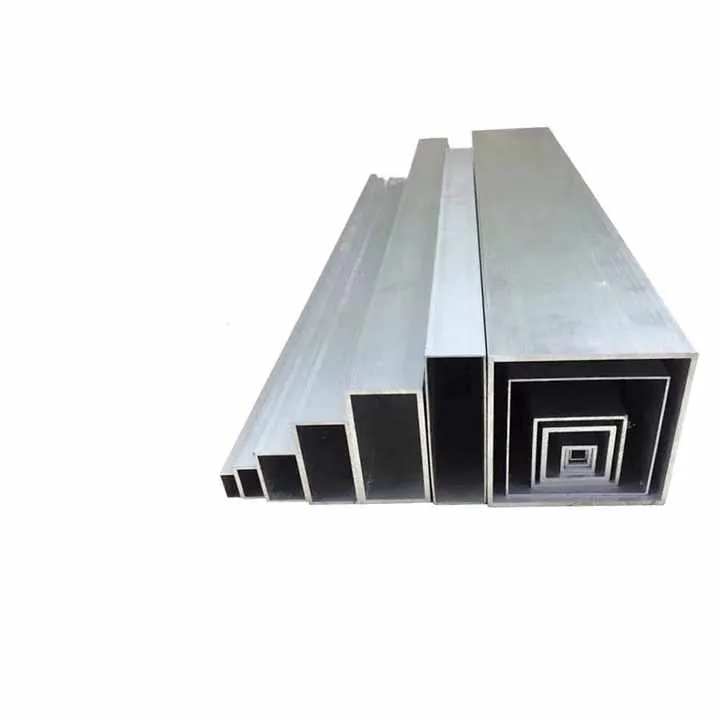
Verifying quality of cheap profiles means checking alloy/temper, dimensions, straightness, surface finish, and whether they meet your spec for the application.
What to inspect and how
Slitina a temperace
- Ask supplier for the alloy spec: e.g., “6063‑T5” or “6061‑T6”.
- If they cannot provide it, treat the material as higher risk.
- Sometimes low‑cost material uses lower temper (like T4) which may reduce strength.
Dimensions & Tolerance
- Use a caliper or micrometer to measure profile cross‑section dimensions.
- Check wall thickness on channels or tubes.
- Make sure the dimensions match your design; cheap profiles may have wider variability.
Straightness & Squareness
- Lay the profile on a flat surface and check for bow or twist.
- This is especially important for longer lengths; straightness issues cost more to fix later.
Surface Finish & Appearance
- Raw surface: acceptable if you will machine/finish later.
- Anodised or coated: check that finish is even, no peeling, no pitting.
- Cheap profiles may skip or compromise finishing.
Documentation & Traceability
- Ask for any certificate or test report for material if your application demands it.
- Even budget materials benefit from some traceability for structural or resale contexts.
Practical workflow
- Order and receive a small test length from supplier.
- Measure and inspect alloy mark, dimension, finish on the test part.
- If acceptable, proceed with full batch. If not, renegotiate or cancel.
- At delivery of full batch, sample test random pieces early.
- Document any anomalies and keep photos and logs.
Why this is especially relevant for cheap profiles
Cheap profiles often skip extra quality control steps, so you are more likely to find issues. The cost savings vanish if you later discover poor straightness or finish that require rework. Verifying early keeps you safe.
Even cheap aluminum extrusion profiles should be inspected for alloy, dimension, straightness and finish.Pravda
Quality assurance is needed regardless of cost to avoid failures and additional costs.
You can skip inspection if you buy from a ‘cheap’ supplier because all aluminum extrusion is the same.False
Different alloy, finish and tolerance matter; assuming all is equal risks defects and waste.
Can bulk deals reduce extrusion expenses?
Yes — buying in bulk or leveraging volume discounts is one of the most effective ways to bring down cost per unit when using aluminum extrusion.
Bulk deals reduce the unit cost of extrusion by spreading fixed costs (die, cut, prep, finish) across more length, improving freight efficiency and enabling better pricing from suppliers.

Proč pomáhá velké množství
- Suppliers often offer a lower unit price when you commit to a larger quantity.
- Shipping cost per unit decreases when you order a full truckload or pallet vs a few pieces.
- Reduces waste because you can better use standard stock lengths rather than many short runs.
- Enables you to negotiate better terms (finish included, faster delivery) because you are a higher‑volume customer.
How to get bulk discounts
- Ask the supplier: “What is your volume break at 500 lbs / 1000 lbs?”
- Consider a stocking program: commit to reorder and get preferential pricing.
- Použijte standard lengths: buy full 20 ft bars and cut in‑house if practical.
- Combine orders across profiles or alloy types to hit volume thresholds.
- Plan ahead: if you know you will need x units per quarter, negotiate one order for the quarter.
Risks & trade‑offs
- Storage costs: bulk purchase means you need space; unused inventory ties up cash.
- Specification changes: if your project changes and you have excess of one profile, you may waste material.
- Finish or ageing: if the material still needs finishing or ageing, you might not realize full savings.
Example scenario
I once bought 100 pieces of standard 6063‑T5 1″×1″ channel in full stock from a distributor. Because I committed to the full bundle, the unit price dropped about 15% versus a smaller order. Freight cost per item dropped by 30%. The extra inventory sat for two months before use — I incurred some storage cost, but overall savings still prevailed.
Table: Order size vs cost per unit
| Velikost objednávky | Estimated cost per unit | Poznámky |
|---|---|---|
| 10 pieces | Base unit price | Higher shipping per unit |
| 100 pieces | ~‑10% to ‑15% cost per unit | Better freight loading, storage needed |
| Full bundle/truckload | ~‑15% to ‑25% cost per unit | Max efficiency, needs usage plan |
In summary: yes — bulk deals může significantly reduce extrusion expenses if you have usage plan, storage capability, and commit to a standard profile.
Buying in bulk extrusions reduces cost per unit and shipping cost per piece.Pravda
Volume purchasing enables lower unit pricing and better freight efficiency.
Bulk orders always save money regardless of your storage and usage plan.False
If you buy bulk but don’t use it in a reasonable time, storage and obsolescence may offset savings.
Závěr
Cheap aluminum extrusion is absolutely viable — you just need to pick the right supplier, compare materials carefully, verify quality despite lower cost, and leverage bulk deals when possible. Done well, you’ll hit the right mix of cost‑effectiveness and performance instead of falling into the “cheap but broken later” trap.