Jaké jsou nevýhody hliníkových rámů?
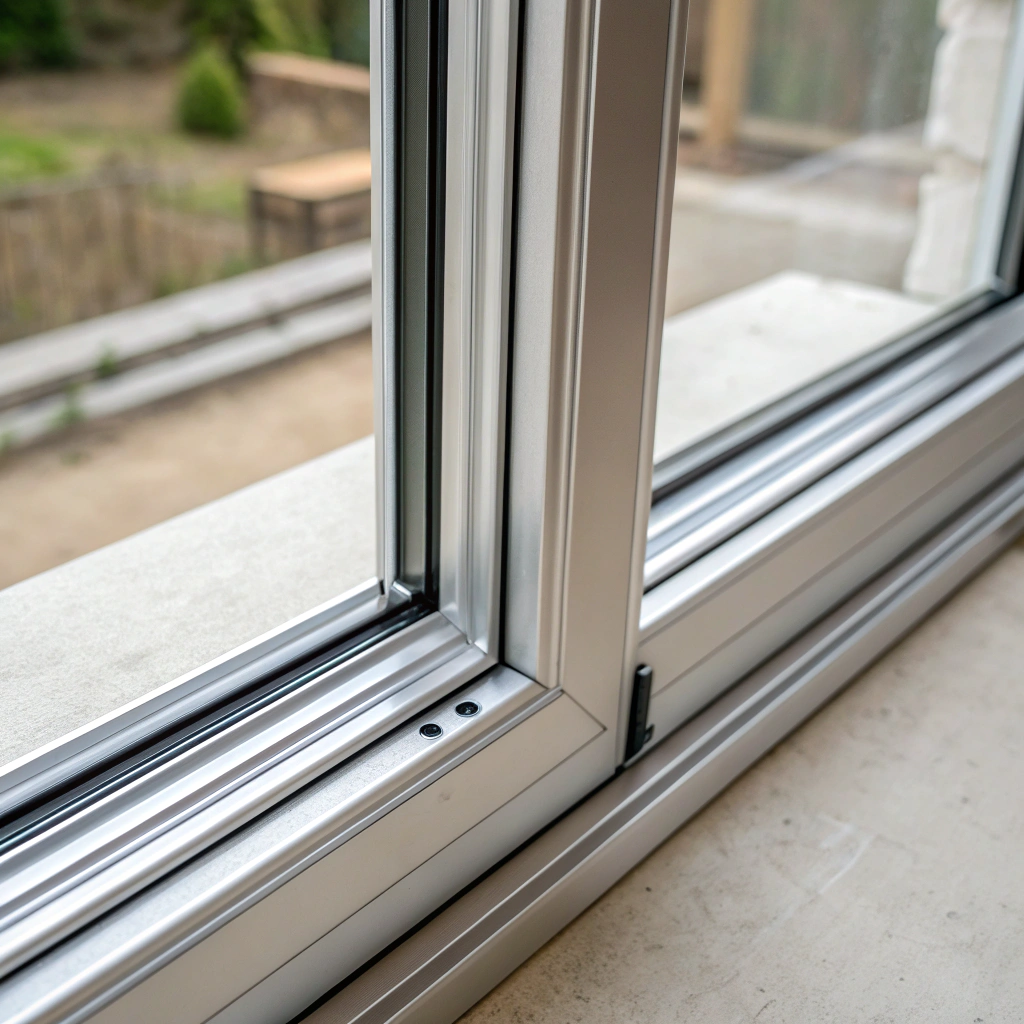
Aluminum window frames often look sleek and modern. But behind the surface, many buyers discover hidden drawbacks in comfort, efficiency, and cost.
Aluminum frames can lead to heat loss, condensation, corrosion, and poor thermal performance — making them less ideal than alternatives for many homes.
Before you choose frames for your windows, it makes sense to look into these issues. Understanding the downsides helps avoid regrets and choose the right material.
Why should we avoid aluminum?
Aluminum seems strong and durable. Still, it has weakness in heat insulation and energy efficiency that make many people rethink it.
Aluminum easily transfers heat and cold. In temperate or cold climates, that leads to high energy bills and cold drafts.
Aluminum is a metal with high thermal conductivity. That means heat moves quickly through it. In a window frame, this becomes a thermal bridge. In winter, warm indoor air escapes and cold air enters. In summer, heat can seep inside.
This thermal bridging causes two main problems:
- Higher heating or cooling costs: HVAC systems must run more to maintain indoor comfort.
- Cold or hot spots near windows: People feel drafts or uneven room temperature.
Also, condensation can build on aluminum before the inner surface warms. Moisture can collect and lead to mold or water damage around the frame.
Beyond insulation issues, aluminum frames can suffer from corrosion or oxidation if exposed to salt air or acidic rain. Without proper surface treatment, frames may degrade or discolor over time.
Finally, aluminum windows often have weaker sealing compared to other materials. Over years, seals may shrink or leak — letting water or air in. This degrades window performance.
| Nevýhoda | Efekt |
|---|---|
| High thermal conductivity (thermal bridging) | Heat loss in winter, heat gain in summer, higher energy bills |
| Riziko kondenzace | Cold drafts, moisture near windows, possible mold |
| Corrosion / oxidation risk (in harsh environments) | Frame degradation, discoloration, leaks |
| Seal aging or failure | Water leaks, air infiltration, lower energy efficiency |
Given these drawbacks, aluminum frames make sense only when combined with thermal breaks, good sealing, and protective coatings. Otherwise, they bring long-term costs and discomfort.
Aluminum frames have poor thermal insulation compared to vinyl or wood.Pravda
Aluminum conducts heat quickly, causing thermal bridging through the frame.
Aluminum frames are always corrosion‑free because they are metal.False
In salted air or acidic rain environments, untreated aluminum may corrode or oxidize over time.
What is the problem with aluminum windows?
On paper, aluminum windows look strong and slim. But real-world performance sometimes fails expectations. Issues include condensation, noise transfer, and difficulties in sealing or sound insulation.
Aluminum window frames often leak cold or heat, let sound pass easily, and may suffer seal failure — making them uncomfortable or inefficient for long-term use.
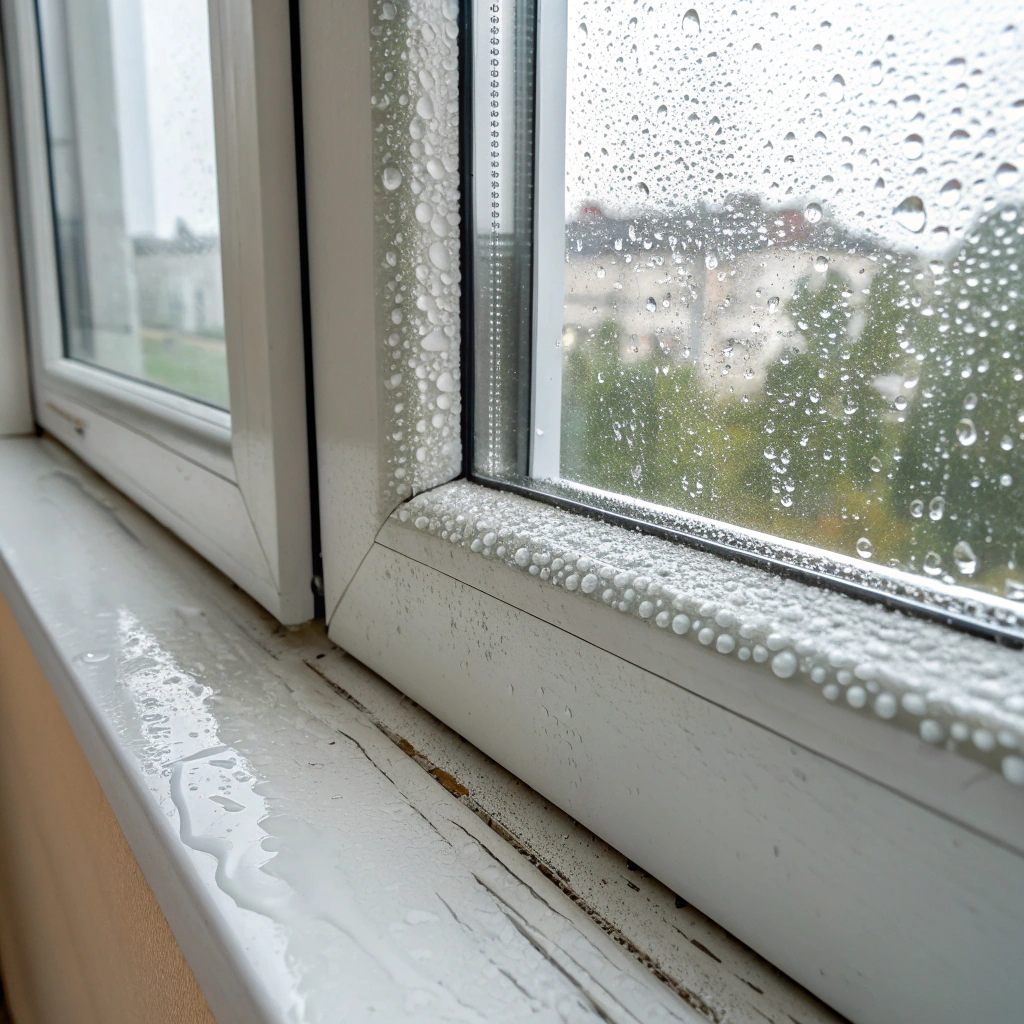
Aluminum windows have thin frame profiles. That allows more glass area and better light. But thin frames also mean less room for insulation or multi‑chamber design. As a result:
- Cold air penetrates during winter, making rooms chilly — even if glass is double or triple glazed.
- Heat enters quickly during summer, making indoor spaces hotter.
- Soundproofing is poorer: aluminum does not damp noise as well as vinyl or wood. Traffic, rain or outdoor noise remains noticeable.
Also, windows need proper sealing. Aluminum windows often rely on gaskets or sealants that shrink or age. Once seals degrade, water leaks, drafts, or air infiltration happens. That damages energy efficiency and indoor comfort.
When condensation appears, moisture accumulates around frame joints. That risks corrosion or mold, especially on surfaces that remain cool. Even coated aluminum can get micro‑cracks over time, risking oxidation underneath.
Another issue: thermal comfort near windows. In cold climates, sitting near an aluminum window may feel chilly even when heating is on. In hot climates, surface may become hot, radiating heat. That reduces living comfort.
Combined, these problems may make aluminum windows a poor choice for homes aiming for energy efficiency, quiet rooms, or comfort over decades. Unless extra measures are taken — thermal breaks, proper sealing, insulating glass — the disadvantages stack up.
Aluminum window frames often perform poorly in sound insulation.Pravda
Aluminum does not damp noise as well as materials like vinyl or wood.
Aluminum windows never leak air or water if installed correctly.False
Over time gaskets or sealants may age, shrink or crack, leading to air or water infiltration.
Should I get aluminum or vinyl windows?
When you choose new windows, material matters for comfort, energy cost, and durability. Vinyl (PVC) windows offer advantages over aluminum in many areas — but they also have trade‑offs.
Vinyl windows often outperform aluminum windows in insulation, moisture resistance, and lower maintenance — making them better for energy efficiency and comfort.

Zde je srovnání:
| Funkce | Hliníková okna | Vinylová okna |
|---|---|---|
| Heat insulation | Poor (thermal bridging) | Good (PVC resists heat flow) |
| Sound insulation | Nízká až střední | Better than aluminum for typical PVC profiles |
| Odolnost proti vlhkosti | Needs coating, may corrode | Naturally resistant, no rust |
| Údržba | Needs coatings or periodic checks | Low maintenance, no painting |
| Frame strength / slim profile | High strength — slim frames possible | Thick frames needed for strength, may block light |
| Lifespan (under good conditions) | 15–25 let | 20–30 years easily |
| Náklady | Často vyšší | Often lower or comparable |
Vinyl frames rarely corrode or rust. They handle moisture well. Seals in vinyl frames often stay flexible longer, reducing air or water leaks. They also resist condensation better, so indoor comfort improves.
However, vinyl frames have some downsides:
- They may be thicker and bulkier. That reduces glass area and daylight.
- In some climates, PVC may expand or contract slightly with temperature. That can affect sash fitting or seal tightness.
- For very large windows or structural applications, PVC may not be strong enough without reinforcement.
If you prioritize energy efficiency, quiet interiors, and low maintenance — vinyl is often the better choice. If you need very slim frames or structural strength (e.g. large glass curtain walls), aluminum may still be viable — but only with thermal breaks and good coatings.
Vinyl window frames generally provide better thermal insulation than aluminum frames.Pravda
PVC material has lower thermal conductivity than aluminum so it reduces heat transfer.
Aluminum frames are always more durable than vinyl frames.False
Aluminum may corrode or lose sealing over time, while vinyl resists moisture and requires less maintenance.
What is the life expectancy of an aluminum window frame?
Many manufacturers claim aluminum is durable. In reality, lifespan depends heavily on environment, maintenance, and whether the frame has thermal breaks or protective coatings.
Under typical home conditions and proper maintenance, aluminum window frames last about 15 to 25 years before performance degrades noticeably.
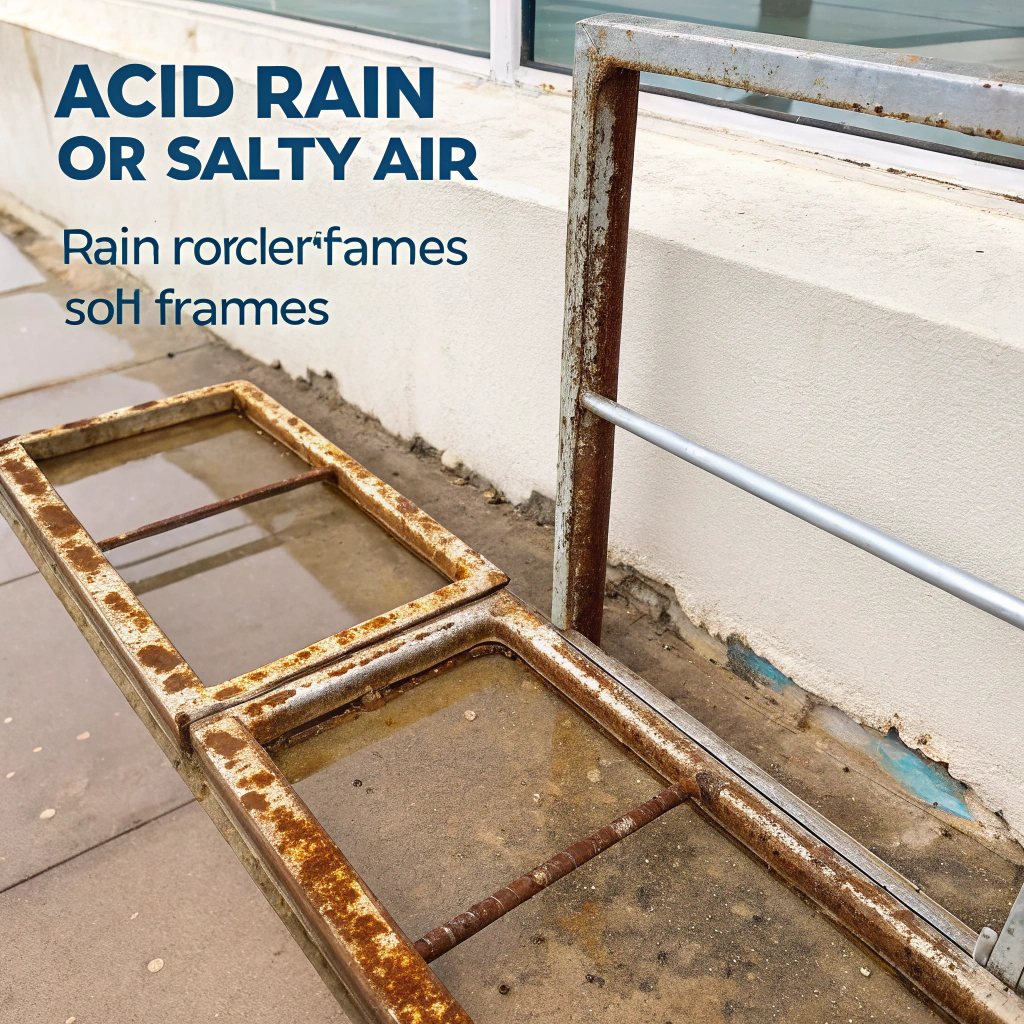
Here are factors that influence lifespan:
- Životní prostředí: Coastal or humid zones accelerate corrosion. Acid rain or salty air speeds oxidation and wear.
- Údržba: Without regular cleaning and inspection of seals/coatings, frames may develop leaks or oxidation.
- Design quality: Frames with thermal breaks and high‑quality seals fare better than cheap, simple aluminum frames.
- Use and weather cycles: Frequent opening/closing, exposure to rain, sun and temperature swings stress materials and seals.
A typical life expectancy chart might look like:
| Stav | Expected Years of Good Performance |
|---|---|
| Dry, temperate climate + good maintenance | 20-25 let |
| Humid or coastal climate + occasional maintenance | 15-20 let |
| Harsh climate (salt air, heavy rain) + minimal maintenance | 10-15 let |
| Poor quality frame or cheap sealant, no maintenance | 8-12 let |
Even after 20 years, aluminum frames may look intact. But issues like air leaks, drafts, seal failure, or corrosion are likely. Glass sealant may leak, leading to condensation inside panes. Frame may lose straightness due to temperature cycles.
Using thermal‑break aluminum or aluminum clad‑wood hybrid frames improves lifespan. But switching to vinyl or fiberglass windows often gives longer performance with less upkeep.
A standard aluminum window frame typically lasts 15 to 25 years under good conditions.Pravda
Corrosion, seal failure, and environmental effects usually set the endurance limit.
Aluminum window frames remain maintenance‑free for their entire lifespan.False
They require coating, cleaning, and seal checks to avoid corrosion and leaks over time.
Závěr
Aluminum window frames may look smart and strong. Yet they bring real drawbacks: poor insulation, condensation risk, weaker sealing, and maintenance needs. For most homes, vinyl frames or thermal‑break alternatives give better comfort, lower energy cost, and longer, hassle‑free use. Choose carefully — and plan for real conditions, not just looks.