how is hex chrome used in aluminum extrusion industry?
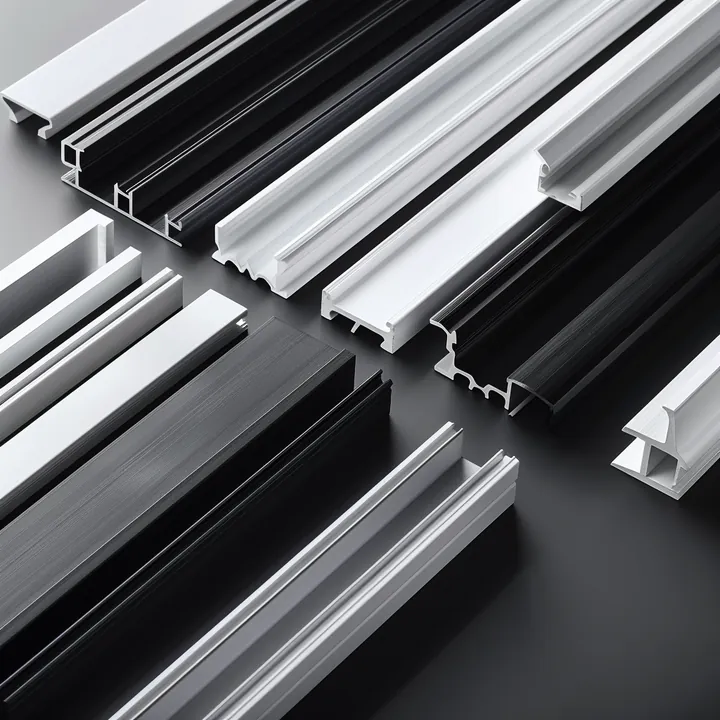
I often see manufacturers struggle with surface‑treatment for aluminum extrusions — using hex chrome seems to help, but brings big problems.
Hex chrome (hexavalent chromium) is used in conversion coatings on aluminum extrusions to boost corrosion resistance, adhesion and finishing quality — however, it is highly regulated due to toxicity.
In this article I walk you through how hex chrome works in aluminum extrusion, why it gives advantages, how to apply it safely in a production environment, and whether alternatives make sense today.
What role hex chrome plays in surface treatment?
When I first learned about aluminum extrusion finishing I was surprised to see hex chrome in the process — it plays more than a decorative role.
Hex chrome functions in chromate conversion coatings (chem films) on aluminum extrusions as a passive corrosion inhibitor, a primer for paint/coat adhesion, and a surface enhancement step.

In the aluminum extrusion industry, the surface finish and final performance of the extruded profiles are critical. Once the aluminum alloy (for example 6063‑T5 or 6061‑T6) is extruded, machined or cut to shape, then you may apply surface treatments. One common method is chromate conversion coating (often called chem film) which uses chromium compounds in the +6 oxidation state (hexavalent chromium, or “hex chrome”) to create a thin conversion layer on the aluminum surface.
Key roles of the hex chrome conversion coating
- Corrosion inhibition: The hex chrome species form a passive film by reacting with the aluminum oxide/hydroxide layer, often depositing chromium compounds and creating a barrier to aggressive ions like chlorides.
- Adhesion promotion: The conversion coating improves paint, powder‑coat or anodize adhesion on the extrusion surface.
- Surface finish uniformity: In extrusion profiles with complex cross‑sections, the conversion coating ensures that subsequent coatings (paint, anodizing etc) apply more evenly.
- Electrical or contact requirements: In some applications the conversion layer must maintain electrical contact or meet resistance specifications.
Why aluminum extrusion producers often use it
For a manufacturer, applying a chem film with hex chrome has been a standard because it is well‑understood, compatible with many downstream coatings, and provides a proven performance baseline.
Practical workflow in extrusion context
- Extrude the aluminum profile
- Mechanical cleaning / degrease / etch
- Immerse or spray apply chromate conversion bath
- Rinse and dry
- Apply downstream finish
- Final inspection and packaging
Summary of role
In short: hex chrome in aluminum extrusion surface treatment acts as a foundation layer. It improves corrosion resistance, enables downstream treatments, ensures finishing consistency, and helps meet industrial specs.
Hex chrome creates a passive layer that improves corrosion resistance and promotes coating adhesion in aluminum extrusions.Pravda
This is correct — hex chrome chemically converts the surface and provides barrier and adhesion properties.
Hex chrome is used only to color the aluminum surface in extrusion finishing.False
False — its primary role is corrosion inhibition and adhesion, not just aesthetics.
Why hex chrome improves corrosion resistance?
If you face field failures on extruded profiles you’ll ask: Why did the corrosion start? Hex chrome gives a specific answer.
Hex chrome conversion coatings improve corrosion resistance because they chemically inhibit anodic and cathodic reactions on aluminum surfaces, block chloride ingress and stabilize the substrate‑coating interface.

Corrosion on aluminum alloys is often driven by exposure to moisture, salts, pollutants, and galvanic coupling. The hex chrome film provides such benefit.
Mechanism of corrosion resistance
- Hex chrome species form a conversion layer with chromium compounds that reduce the number of active corrosion sites.
- The film blocks or delays ingress of aggressive species like chlorides.
- The conversion film helps maintain coating integrity.
- Hex chrome shows “self‑healing” behavior in some cases.
- In salt spray tests, hex chrome coatings outperform many alternatives.
Why aluminum extrusion companies care
Corrosion resistance is critical for extrusions used in outdoor environments. Hex chrome ensures durability and performance, helping avoid failures in harsh conditions.
Quantitative comparison and limitations
While very effective, hex chrome is not always allowed. Its performance depends on surface preparation and downstream process compatibility.
Důsledky pro vaši firmu
Using hex chrome helps meet high performance standards in export markets. But it also requires good process control, documentation and customer communication.
Hex chrome conversion coatings block moisture and chlorides, reducing corrosion on aluminum extrusions.Pravda
Correct — they act as a chemical barrier and help prevent corrosion.
Hex chrome increases the strength of aluminum alloys used in extrusion.False
False — it does not affect the mechanical strength, only surface corrosion resistance.
How to apply hex chrome safely?
Applying hex chrome is not just a technical pick‑and‑dip — you must manage strong chemicals, worker safety, and environmental regulation.
Safe application of hex chrome in aluminum extrusion surface treatment requires proper bath control, ventilation, worker protection, waste treatment and compliance with regulatory limits for hexavalent chromium exposure.
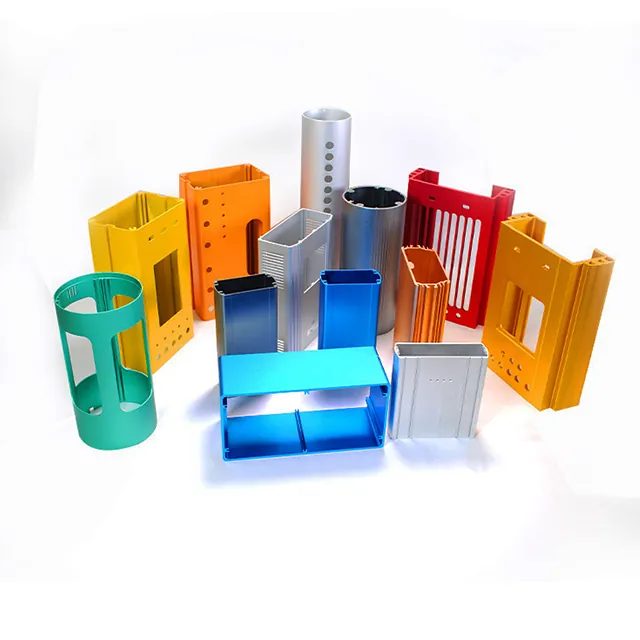
Hex chrome is toxic and highly regulated, so safety in application is essential.
Process design and equipment
- Use dedicated tanks with containment.
- Maintain proper bath chemistry (pH, temperature, time).
- Rinse and dry parts thoroughly.
- Use automation to reduce exposure.
- Install local exhaust ventilation (LEV).
Worker protection and training
- Provide PPE: gloves, goggles, aprons.
- Train workers on risks and safety rules.
- Monitor air exposure and contamination levels.
- Keep work areas clean and labeled.
Environmental and waste management
- Treat rinse water and prevent discharge.
- Dispose of sludge and spent chemicals properly.
- Comply with regional laws (REACH, OSHA, etc).
Quality control and documentation
- Measure coating thickness, adhesion, salt spray resistance.
- Keep process logs and compliance records.
- Communicate spec to customers for traceability.
Řízení rizik
- Track evolving regulations globally.
- Prepare for future phase‑outs of hex chrome.
- Monitor exposure and waste risks closely.
Hex chrome use in extrusion requires strict environmental, worker safety, and waste management controls.Pravda
Correct — due to toxicity and regulatory restrictions.
Hex chrome can be applied without any ventilation or protective equipment.False
False — proper controls and PPE are mandatory.
Can alternatives replace hex chrome today?
Given the regulatory pressure and health risks of hex chrome, I wondered: can we switch to alternatives in extrusion finishing and still meet performance?
Yes—there are viable alternatives to hex chrome for aluminum conversion coatings and surface treatments today—but each must be evaluated for performance, cost, compatibility and export‑market demands.

Alternatives to hex chrome are now available and improving.
Alternative technologies
| Alternativní | Popis | Klady | Nevýhody |
|---|---|---|---|
| Trivalent chromium (Cr III) | Safer chromium state | Lower toxicity | Slightly lower performance in some cases |
| Non-chromate (Zr, Ti, etc) | Chromium-free conversion coat | Safer, greener | May need thicker layers |
| Barrier coatings | PVD, thermal spray | Durable, eco-friendly | Higher cost, complex |
| Eloxování | Electrolytic oxide layer | Familiar, proven | Changes thickness, dimension |
Performance vs regulatory trade‑off
Some non-hex coatings match or exceed performance; others still lag in harsh test environments.
For your extrusion business considerations
- Know your customer’s spec and market rules.
- Test alternatives on your alloy types.
- Ensure compatibility with powder/paint.
- Evaluate cost and process change impact.
- Consider offering dual lines: with and without hex chrome.
Final assessment
Yes, alternatives can replace hex chrome today in many extrusion applications. But testing and validation are key before switching.
Trivalent chromium conversion coatings are a safer alternative to hex chrome with lower toxicity.Pravda
Correct — Cr(III) coatings have reduced health risks and growing industry adoption.
"ThereFalse
Vysvětlení není k dispozici.