


Hliníkové výlisky Omezení materiálu RoHS?

Many buyers worry about hidden restricted substances in aluminum extrusions. A small mistake can lead to rejected shipments, legal risks, and damage to brand reputation.
RoHS material restrictions control the use of hazardous substances in aluminum extrusions and related products. Manufacturers must manage raw materials, coatings, and production processes to meet these limits and provide proof of compliance.
Many customers ask about RoHS during early sourcing talks. This topic matters even more for buyers in Europe, North America, and Japan. In many projects, RoHS compliance is not just a technical request. It is a legal and commercial requirement. A reliable extrusion supplier must understand the rules, control the production process, and provide clear documents when needed.
What substances are banned under RoHS in extrusions?

Many companies focus only on aluminum alloy quality. Still, some projects fail because restricted substances appear in coatings, additives, or processing materials.
RoHS restricts substances such as lead, mercury, cadmium, hexavalent chromium, PBB, PBDE, and several phthalates. These materials must stay below specific concentration limits in aluminum extrusion products.
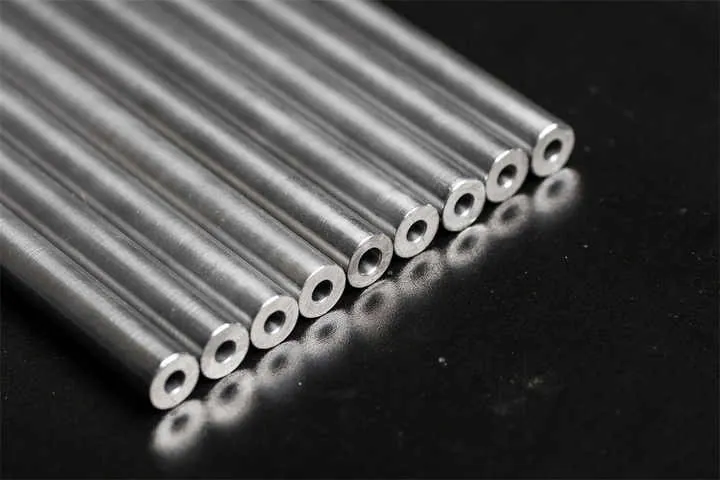
RoHS stands for Restriction of Hazardous Substances. The regulation started in the European Union. Now many countries follow similar rules. In aluminum extrusion production, RoHS mainly controls hazardous substances that may appear in raw materials, coatings, paints, lubricants, and surface treatments.
Main Restricted Substances
The table below shows the common restricted substances under RoHS.
| Látka | Maximum Limit | Common Risk Area |
|---|---|---|
| Olovo (Pb) | 0.1% | Alloy additives, solder |
| Rtuť (Hg) | 0.1% | Old electrical parts |
| Kadmium (Cd) | 0.01% | Pigments, coatings |
| Hexavalent Chromium (Cr6+) | 0.1% | Povrchová úprava |
| PBB | 0.1% | Flame retardants |
| PBDE | 0.1% | Plastic materials |
| DEHP | 0.1% | Plastic additives |
| BBP | 0.1% | Flexible plastics |
| DBP | 0.1% | Sealants |
| DIBP | 0.1% | Industrial plasticizers |
Why Aluminum Extrusions Usually Perform Well
Pure aluminum itself normally does not contain restricted substances above RoHS limits. Most problems come from secondary materials. For example, painted profiles, anodized parts, gaskets, thermal breaks, labels, or plastic accessories may introduce compliance risks.
Many extrusion buyers think anodized aluminum automatically meets RoHS rules. That is not always true. Some chemical treatments may include restricted chromium compounds if process control is weak. This issue appears more often in older factories with outdated treatment systems.
Common Risk Points During Sourcing
Several sourcing situations create higher RoHS risks:
Recycled Aluminum Sources
Recycled aluminum helps reduce costs and supports sustainability goals. Still, poor material sorting can introduce lead or other contaminants. Reliable suppliers must test incoming billets carefully.
Low-Cost Powder Coatings
Cheap coating suppliers sometimes use pigments or additives that fail RoHS requirements. Buyers should always ask for coating compliance reports.
Mixed Production Lines
Factories that process both compliant and non-compliant products on the same line may face contamination risks. Good process separation is important.
What Serious Buyers Usually Request
Large industrial buyers often request:
- RoHS declaration
- Third-party laboratory reports
- Material composition statements
- Surface treatment details
- Batch traceability records
This request is common in automotive, electronics, lighting, and solar industries. Many procurement managers now include RoHS checks in supplier audits before placing large orders.
RoHS restrictions only apply to raw aluminum metal.False
RoHS also covers coatings, additives, plastics, and surface treatments connected to aluminum extrusions.
Hexavalent chromium in surface treatment can create RoHS compliance risks.Pravda
Some older treatment systems may still use restricted chromium compounds if process control is poor.
How is compliance verified during production?

Some suppliers promise RoHS compliance during sales talks. Still, buyers often discover later that no testing or tracking system actually exists inside the factory.
RoHS compliance is verified through raw material inspection, supplier qualification, laboratory testing, production traceability, and final inspection reports before shipment.
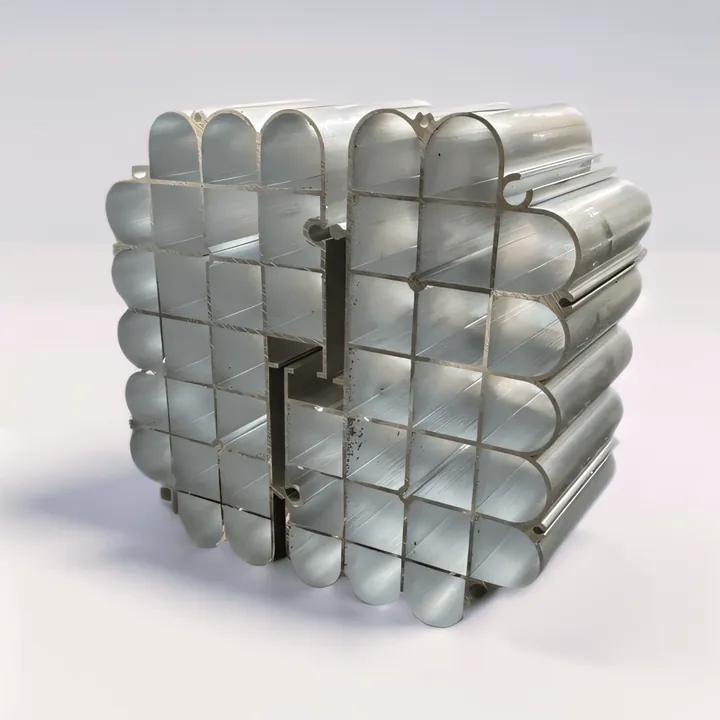
A professional extrusion manufacturer does not rely only on supplier promises. Real compliance needs control throughout the full production cycle. In many export projects, buyers expect a documented system instead of verbal confirmation.
Incoming Raw Material Inspection
The process usually starts with billet inspection. Reliable factories review supplier certificates and perform random material testing. This step helps reduce contamination risks before extrusion begins.
Some manufacturers use handheld XRF analyzers for fast screening. These devices detect heavy metals like lead and cadmium quickly. Still, XRF testing alone is not enough for full compliance validation.
Production Process Control
Factories with strong quality systems separate compliant and non-compliant materials clearly. This separation matters in several production stages:
| Fáze výroby | Compliance Focus |
|---|---|
| Billet storage | Material identification |
| Vytlačování | Cross-contamination control |
| CNC obrábění | Lubricant management |
| Povrchová úprava | Chemical monitoring |
| Balení | Label and ink compliance |
Laboratory Testing
Third-party testing remains one of the most trusted verification methods. Many international buyers request SGS, TUV, or Intertek reports before shipment approval.
Typical RoHS laboratory methods include:
XRF Screening
Fast and cost-effective. Useful for routine inspections.
Mokrá chemická analýza
More accurate for detailed substance detection.
GC-MS Testing
Often used for phthalate analysis in plastics and seals.
Traceability Matters
Strong traceability systems help suppliers identify which batch used which billet, coating, or chemical. This system becomes very important when customers report quality problems later.
In our industry, stable traceability often separates serious manufacturers from trading-only suppliers. Buyers in automotive and electronics sectors pay close attention to this point during factory audits.
Why Production Records Matter
Many customers only ask for the final certificate. Still, experienced buyers know that production records are more valuable than a simple document. A certificate without process control has little meaning.
Good compliance systems usually include:
- Batch numbers
- Supplier records
- Chemical inventory logs
- Testing history
- Inspekční zprávy
- Corrective action records
These files help prove compliance during customs checks or customer audits.
Third-party laboratory reports are commonly used to verify RoHS compliance.Pravda
Many buyers request SGS, TUV, or Intertek testing reports before shipment.
RoHS compliance can be verified without controlling raw material sources.False
Raw material inspection is one of the first and most important compliance control steps.
Can surface finishes affect RoHS status?
Many buyers focus on extrusion alloy grades but forget that surface finishes may introduce restricted chemicals into otherwise compliant aluminum products.
Yes, surface finishes can affect RoHS status because coatings, anodizing chemicals, paints, and pretreatment materials may contain restricted substances if process controls are weak.
Surface finishing plays a major role in aluminum extrusion manufacturing. It improves appearance, corrosion resistance, durability, and product value. Still, this stage also creates one of the biggest RoHS compliance risks.
Common Surface Finishes in Aluminum Extrusion
The most common finishing methods include:
- Eloxování
- Práškové lakování
- Elektroforéza
- Povlak PVDF
- Přenos struktury dřeva
- Brushing and polishing
Each process uses different chemicals. Some older chemical systems may contain restricted substances.
Anodizing Risks
Anodizing itself is usually RoHS compliant when managed correctly. The main concern comes from pretreatment chemicals and sealing processes.
Older chromate conversion coatings sometimes contain hexavalent chromium. This substance is restricted under RoHS because it creates environmental and health risks.
Many modern factories now use chromium-free systems. Buyers should still confirm this point instead of making assumptions.
Powder Coating Risks
Powder coating suppliers may use pigments and additives from different sources. Cheap powders may contain restricted heavy metals. This issue becomes more common when suppliers focus only on low cost.
Good manufacturers normally request compliance declarations from coating suppliers and perform periodic testing.
Comparing Surface Finish Risks
| Povrchová úprava | Main RoHS Risk |
|---|---|
| Eloxování | Chromium compounds |
| Práškové lakování | Heavy metal pigments |
| Elektroforéza | Chemické přísady |
| Přenos struktury dřeva | Ink composition |
| Povlak PVDF | Additive compliance |
Why Buyers Should Ask Detailed Questions
Some suppliers simply state "RoHS compliant" on quotations. Still, buyers should ask deeper questions:
What pretreatment chemicals are used?
This question helps identify chromium-related risks.
Are coating suppliers audited?
A strong supply chain management system reduces hidden risks.
Are finish-specific RoHS tests available?
This request gives stronger proof than general declarations.
Surface Finish Compliance Is Not Automatic
Many buyers believe all anodized or powder-coated aluminum products automatically meet RoHS requirements. That assumption creates problems during audits and customs inspections.
Compliance depends on:
- Chemical selection
- Supplier quality
- Řízení procesů
- Testing frequency
- Documentation management
Factories with strong technical teams usually perform better because they update chemical systems based on changing regulations.
Surface finishes can introduce restricted substances into aluminum extrusion products.Pravda
Coatings, pigments, and treatment chemicals may contain restricted substances if not controlled properly.
All anodized aluminum products automatically comply with RoHS.False
Compliance depends on the chemicals and processes used during anodizing.
Do suppliers provide material declaration forms?
Many procurement teams struggle when suppliers cannot provide clear compliance documents. Missing declarations often delay projects and increase audit pressure.
Most professional aluminum extrusion suppliers provide material declaration forms, RoHS declarations, and testing reports to support customer compliance requirements.
Material declaration forms have become standard in many industries. Large OEM buyers often require these documents before approving new suppliers. In some projects, production cannot begin until all compliance paperwork is complete.
What Is a Material Declaration Form?
A material declaration form explains the substances used in a product. It may include:
- Složení slitiny
- Coating information
- Restricted substance status
- Supplier confirmation
- Regulatory references
Different customers use different formats. Some companies create their own templates. Others follow international systems like IPC-1752.
Common Compliance Documents
The table below shows the most common files buyers request from extrusion suppliers.
| Dokument | Účel |
|---|---|
| Prohlášení RoHS | Confirms compliance status |
| Material Declaration Form | Lists material composition |
| Test Report | Shows laboratory verification |
| SDS | Explains chemical safety data |
| Certifikát o shodě | Confirms production compliance |
Why Declarations Matter for Buyers
Material declarations help buyers reduce legal and commercial risks. Many importers must prove compliance to customs authorities or downstream customers.
This issue becomes more important in industries such as:
- Elektronika
- Automobilový průmysl
- Medical equipment
- Osvětlení
- Obnovitelná energie
- Průmyslová automatizace
What Reliable Suppliers Usually Include
Professional extrusion manufacturers normally provide:
Signed Company Declaration
This document confirms the supplier accepts compliance responsibility.
Batch-Based Reports
Some buyers request reports linked to specific production lots.
Third-Party Testing
Independent verification builds stronger customer confidence.
Updated Regulatory Statements
Regulations change often. Good suppliers update declarations regularly.
Common Problems Buyers Face
Not all suppliers manage documentation well. Buyers often see several weak points:
- Expired reports
- Missing signatures
- Generic templates
- Incomplete substance lists
- Reports unrelated to actual production batches
These problems create audit risks later.
Why Long-Term Suppliers Invest in Compliance
Suppliers that export to Europe, Japan, and North America usually build stronger documentation systems because customers expect high transparency.
In our field, strong documentation often reflects strong factory management overall. Companies that control production data well usually also control quality and delivery better.
A supplier that responds quickly with organized declarations often saves buyers time during qualification, customs clearance, and customer audits.
Material declaration forms help buyers prove regulatory compliance.Pravda
These documents provide material and substance information required during audits and import processes.
RoHS declarations are only needed for electronics manufacturers.False
Many industries using aluminum extrusions request RoHS documentation, including automotive, lighting, and renewable energy sectors.
Závěr
RoHS compliance in aluminum extrusion involves much more than alloy selection. Buyers must also review coatings, chemicals, testing systems, and supplier documentation. Strong process control and transparent records help reduce compliance risks and support stable long-term business cooperation.


