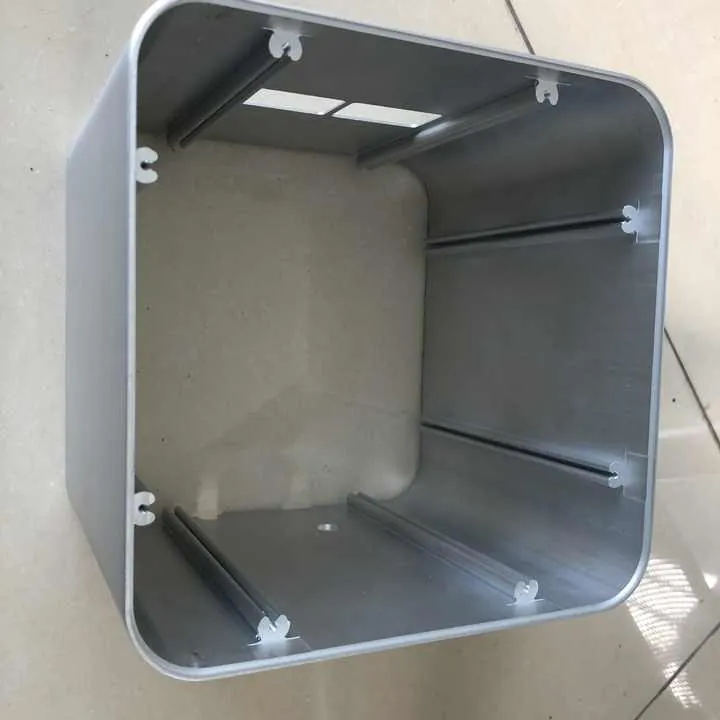
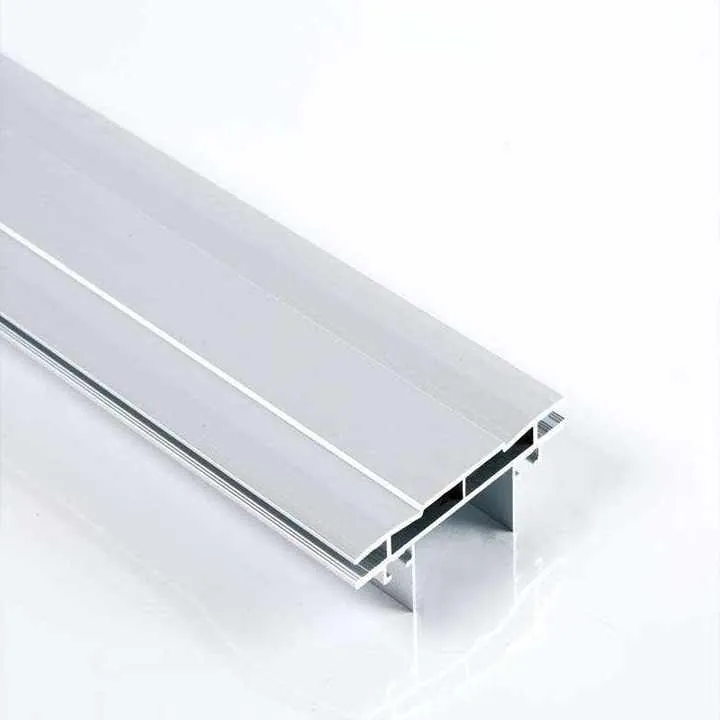
Aluminum extrusion powder coating requirements?

Powder coating failures on aluminum — peeling, uneven paint, poor adhesion — can ruin custom extrusions even before use. That risk scares clients and harms reputation.
Proper powder coating requirements for extruded aluminum ensure strong adhesion, even color, long durability, and consistent appearance.
If the process is controlled well, finished parts look good and resist weather for years. Below I explain the steps, why cleaning matters, color issues, and which specs we follow.
Transitioning from raw extrusions to fully finished ones takes several careful steps. Let’s go deeper into each key question.
What are the key steps in powder coating extrusions?
Powder coating seems simple. But missing a step often leads to defects or weak coating.
The key steps are: pretreatment and cleaning, drying, powder application (spray), curing in oven, and quality inspection — each is essential for consistent, durable finish.

Step‑by‑step overview
Powder coating of aluminum extrusions involves these major steps. Each must be done carefully.
| Krok | Účel | Typická praxe |
|---|---|---|
| Pretreatment & cleaning | Remove oils, oxides, dirt, contamination | Alkaline degrease, acid etch or conversion coating, rinsing |
| Sušení | Ensure no moisture remains before coating | Hot air or oven drying at controlled temp |
| Powder application | Apply even layer of powder across surfaces | Electrostatic spray or fluidized bed for complex profiles |
| Léčba | Melt and fuse powder into smooth, hard coating | Oven curing at 160–200°C for specified time based on powder type |
| Cooling & inspection | Check for defects, adhesion, uniformity, thickness | Visual inspection, adhesion test, thickness gauge, gloss check |
Pretreatment is often the most critical. If the surface is not cleaned thoroughly, powder cannot adhere properly. Even a trace of oil or dust causes peeling later. Drying matters to avoid moisture trapped under coating, which leads to blisters or voids.
Powder application must cover all surfaces, including recesses, corners, and inside channels of extruded profiles. For complex shapes, electrostatic spray may not reach all areas. Some shops use fluidized‑bed or special hooks to rotate profiles.
Curing transforms the dry powder into a continuous film. Temperature must be matched to powder type and alloy. Over‑heating can affect the alloy temper. Under‑heating yields soft, chalky coating that chips easily.
After curing, inspection catches defects early. Coating thickness, color uniformity, gloss, adhesion — all must meet the spec. If any issue appears, batch may need rework or scrap.
With this workflow, powder coating delivers strong, durable, attractive finish on aluminum extrusions every time.
Pretreatment and cleaning are optional steps in powder coating aluminum extrusions.False
Without pretreatment, contaminants prevent good adhesion and the coating is likely to peel or blister.
Curing temperature must match the powder type and alloy used to ensure a proper coating.Pravda
Correct curing ensures the powder melts and bonds without damaging aluminum temper or leaving soft coating.
How does pre-treatment affect coating durability?
Skipping or doing a weak pretreatment often causes failure months after delivery — peeling, corrosion, or uneven finish show up when parts are in use.
Proper pretreatment removes oils, oxidation, and contamination. It ensures powder bonds firmly to aluminum and resists environmental stress for years.
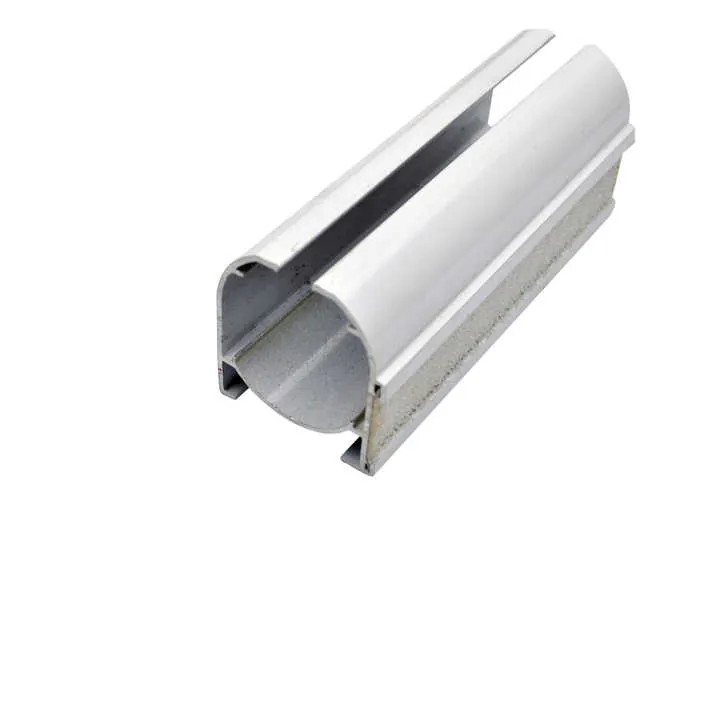
Pretreatment methods and their effect
Pretreatment cleans and primes the surface. Common pretreatments include alkaline degreasing, acid etching, conversion coating, and rinsing. Each has a role.
- Alkaline degreasing removes oil, grease, fingerprints, cutting fluid residue — common after extrusion or CNC machining.
- Acid etching or mild acid dip helps remove oxide and gives slightly rough profile for better mechanical bonding.
- Conversion coating (chromate or phosphate) adds a thin chemical layer that improves adhesion and corrosion resistance.
- Rinsing with clean water ensures no residues remain.
- Sušení removes moisture before powder application.
If pretreatment is weak or skipped:
- Powder may not stick well — coating may peel or chip with handling.
- Coating adhesion at corners or deep channels is weak.
- Corrosion can start under coating if contaminants remain — rust or white oxidation may appear under paint.
- Color and gloss become uneven due to hidden oil or residue under coating.
Pretreatment quality often determines final coating life more than powder type or thickness. Even best powders fail on contaminated surfaces.
Pretreatment and durability table
| Pretreatment Process | Effect on Coating Durability | Risk if Omitted or Weak |
|---|---|---|
| Alkaline degrease | Removes oils and dust; promotes bonding | Coating may not adhere; bubbles, peeling |
| Acid etch / mild dip | Removes oxide; slightly etches surface | Poor bonding in corners or edges |
| Konverzní povlak | Adds micro‑anchor layer; improves corrosion resistance | Coating may lift under stress or salt exposure |
| Proper rinsing & drying | Prevents contaminant trapping or moisture blisters | Blistering, uneven gloss, adhesion loss |
Pretreatment also affects how coating behaves under stress. For outdoor parts exposed to rain, humidity, UV, or salt air, poor pretreatment means coating fails early. That damages not only appearance but also exposes bare metal. That can begin corrosion and reduce lifetime.
In long extrusions with complex shapes, cleaning and rinsing must reach all recesses. Otherwise pockets of contamination remain hidden. Such hidden spots often become failure points.
I always recommend specifying pretreatment method explicitly in purchase orders or contracts. For example: “Aluminum must be cleaned in alkaline bath, rinsed thoroughly, conversion coated, then powdered within 8 hours.” That ensures consistency and reduces coating failure risk.
Conversion coating before powder coating improves adhesion and corrosion resistance.Pravda
Conversion coating adds a chemical bonding layer that helps powder coat bind and resists environmental degradation.
Rinsing after cleaning is optional if surface appears clean.False
Without proper rinsing, cleaning residues or cleaning bath traces may remain and compromise powder adhesion or cause blistering later.
Are certain colors more prone to fading?
Bright or dark colors often look great at first. But under sun, rain or pollution, some fade or lose gloss faster than others. That harms long-term appearance.
Yes. Certain colors — especially dark, vibrant, or metallic shades — fade or change gloss more under UV and weather exposure. Lighter or neutral colors tend to hold appearance longer.

Why some colors fade faster
Powder coating pigments and resins react differently under UV, heat, and environmental stress. Factors influencing fading:
- Pigment type: Organic pigments (bright reds, blues, yellows) degrade under UV faster than inorganic or metallic pigments.
- Resin formulation: Some powders use resins less resistant to UV or moisture. Those coatings chalk, fade, or lose gloss.
- Surface finish and gloss level: Glossy coatings show scratches and dulling more easily than matte finishes.
- Životní prostředí: Coastal areas, high sun, acid rain, pollution accelerate fading and corrosion under coating.
Color durability table
| Color Type / Shade | Common Fade Risks | Best Use or Consideration |
|---|---|---|
| Bright organic colors | UV fading, chalking, loss of gloss | Indoor or shaded outdoor use; expect recoat |
| Dark shades (black, dark gray, dark blue) | Heat absorption, color shift, gloss loss | Use only when heat control and UV inhibitors are applied |
| Metallic or mica-based powders | Minimal fade, good gloss retention | Suitable for architectural or outdoor use |
| Light neutral colors | Low fade risk, less heat absorption | Good for outdoor, coastal, or high-sun areas |
For architectural or outdoor extrusions — window frames, railings, curtain walls — many architects and engineers choose neutral, light, or metallic colors. These hold better over time. When bold or dark colors are required for design reasons, it is wise to use UV-resistant powder, clear UV seal top‑coat, or schedule repainting after a certain period.
Durability also depends on powder quality and correct curing. Cheap powders or improper cure may chalk or fade quickly, regardless of color. Good powders designed for outdoor use often cost more but save maintenance later.
I often advise clients to request accelerated weathering tests or color-fade data when they pick unusual or dark shades for outdoor structures. That helps avoid unpleasant surprises after a few years under sun and rain.
Dark powder coat colors absorb more heat and may fade faster than light colors under direct sunlight.Pravda
Dark coatings absorb more UV and heat, which accelerates pigment and resin degradation.
All powder coat colors fade at the same rate regardless of pigment type and environment.False
Fade rate depends on pigment stability, resin, curing quality, and environmental exposure — so different colors and powders behave differently.
What industry specs guide powder coating processes?
Standards and specs give clear requirements. Without them, “powder coated” remains vague and unreliable. Good specs protect clients and suppliers.
Industry specifications like ISO, EN, and some national standards define pretreatment, powder coating thickness, corrosion resistance, adhesion, impact resistance, and colorfastness — these specs guide process control and inspections.
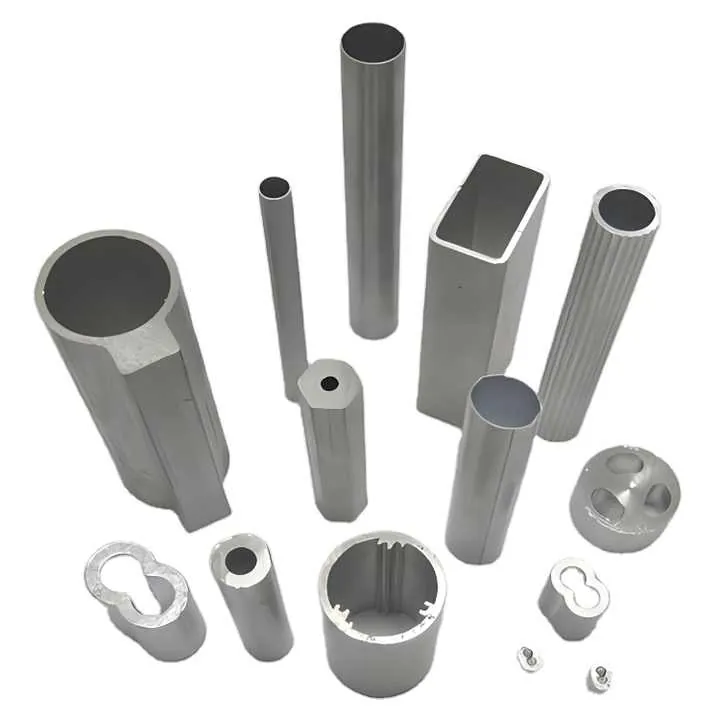
Common specs and what they cover
Major specs used worldwide:
| Spec / Standard | Hlavní zaměření | Typical Requirements for Aluminum Extrusions |
|---|---|---|
| ISO 12944 (parts 5–6) | Corrosion protection and painting systems | Pretreatment, coating thickness, salt‑spray resistance for outdoor use |
| EN 12206 / EN 15773 | Powder coating on metallic substrates | Surface preparation, coating film thickness, adhesion, impact resistance, color uniformity |
| Qualicoat / GSB (industry certifications) | Quality label for architectural coatings | Pre‑treatment method, powder quality, color shade match, batch traceability |
| AAMA 2604 / 2605 (US standard) | High performance coatings for architectural metals | Gloss retention, film integrity, salt spray resistance, weathering after cycles |
These specs often define:
- Pretreatment steps (cleaning, conversion coating)
- Minimum powder coat film thickness (e.g. 60–80 microns dry film)
- Max film variation across profile (e.g. ±15 microns)
- Adhesion test standards (cross‑cut, bend, impact)
- Corrosion resistance under salt spray or humidity cycles (e.g. 1000 hours salt spray)
- Color and gloss retention after weathering cycles
Why following specs matters
Using a certified spec or standard gives clarity. Clients and suppliers share the same benchmark. That reduces disputes over “good finish” or “acceptable wear.”
Certificates like Qualicoat or GSB show that the powder, process, and plant meet international quality norms. For architectural projects or export orders, these certifications often become mandatory.
Specifications also guide inspection and testing: what tests to run, how often, and what results are acceptable. That helps to build quality control systems and batch traceability.
When quoting for extrusions, I often ask clients: “Which standard do you want us to follow, and do you need certification?” That way, coating thickness, pretreatment, environmental resistance, and tests are clearly defined before production.
EN 12206 defines pretreatment, film thickness, adhesion and corrosion tests for powder coated aluminum.Pravda
EN 12206 (and similar industry specs) sets requirements for substrate preparation, coating thickness, adhesion and environmental resistance.
Following a recognized powder coating standard is optional and usually unnecessary for architectural aluminum.False
Standards help ensure coating quality, durability and consistency; skipping them increases risk of coating failure or disputes.
Závěr
Powder coating aluminum extrusions well demands more than just paint. Proper cleaning, application, curing, and testing ensure long‑lasting, uniform, weather‑resistant finish. Following industry specs protects both manufacturers and clients and delivers reliable quality.