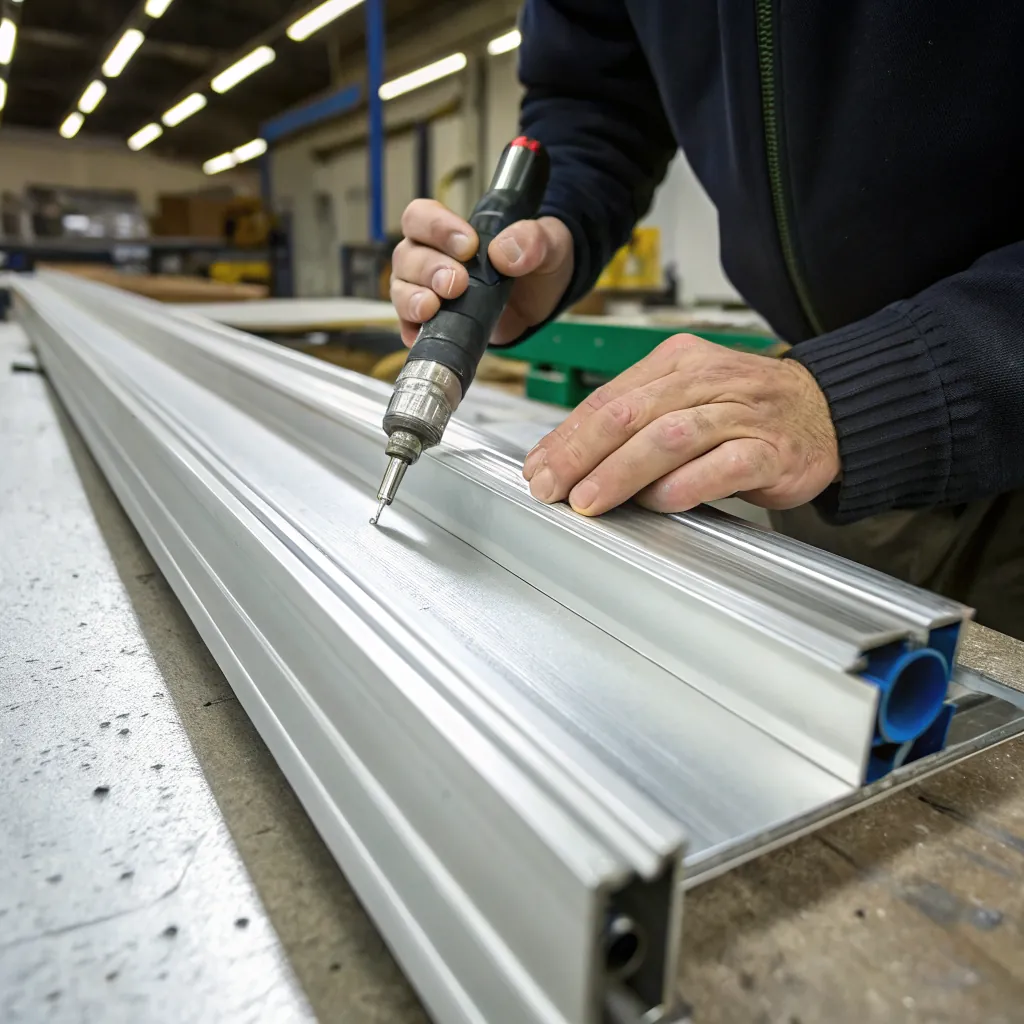
Normy pro opakovatelnost rozměrů hliníkových výlisků?

Mnoho projektů s hliníkovými výlisky selhává nikoli kvůli pevnosti, ale kvůli pomalým změnám rozměrů. Malé změny rozměrů způsobují problémy při montáži, zpoždění a skryté náklady. Opakovatelnost rozměrů se často předpokládá, ale není ověřována.
Opakovatelnost rozměrů hliníkových výlisků závisí na jasných normách, kontrolovaných procesech, stabilním nástrojovém vybavení a spolehlivých kontrolních systémech. Bez těchto prvků mají i zkušení dodavatelé potíže s dosahováním konzistentních výsledků.
Opakovatelnost není o jedné dobré šarži. Je to o dosažení stejných rozměrů znovu a znovu, v průběhu týdnů, měsíců a výrobních sérií.
Jaké normy zajišťují opakovatelné rozměry extruze?

Mnoho kupujících požaduje přísné tolerance, ale málokdo rozumí tomu, odkud tyto tolerance pocházejí. Existují normy, které definují, co znamená opakovatelnost v reálné výrobě.
Opakovatelnost rozměrů se řídí mezinárodními normami, interními normami závodu a dohodnutými specifikacemi zákazníka. Tyto normy definují přijatelné odchylky a metody měření.
Normy vytvářejí společný jazyk mezi kupujícím a dodavatelem.
Mezinárodní normy tolerance
Mezinárodní normy definují základní rozměrové limity pro hliníkové výlisky. Tyto normy zohledňují velikost profilu, složitost tvaru a chování slitiny. Větší profily umožňují širší tolerance. Menší profily umožňují přísnější kontrolu.
Tyto normy chrání obě strany. Zabraňují nereálným požadavkům a omezují spory. Pokud výkres odkazuje na normu, jsou očekávání jasná.
Specifikace podle požadavků zákazníka
Mnoho projektů vyžaduje přísnější limity než obecné normy. V těchto případech definují kritické rozměry výkresy zákazníka. Tyto výkresy je nutné před zahájením výroby pečlivě zkontrolovat.
Továrny by měly potvrdit, které rozměry jsou kritické a které funkční. Pokud se všechny rozměry považují za kritické, zvyšují se náklady a množství odpadu.
Interní normy pro kontrolu výroby
Silné továrny vytvářejí vnitřní limity, které jsou přísnější než vnější normy. Tyto vnitřní cíle pomáhají absorbovat odchylky v procesech.
Když se vnitřní limity přiblíží limitům zákazníka, jsou včas přijata nápravná opatření. Tím se zabrání dodávkám mimo specifikace.
Definice měření
Normy také definují, jak a kde se rozměry měří. Měření horkých profilů dává jiné výsledky než měření po stárnutí. Jasná definice zabraňuje záměně.
| Standardní typ | Účel |
|---|---|
| Mezinárodní | Definujte základní toleranci |
| Specifikace zákazníka | Řídicí funkce |
| Vnitřní limit | Chraňte stabilitu |
| Měřicí pravítko | Zajistěte konzistenci |
Opakovatelnost rozměrů závisí na jasných tolerančních normách a definovaných měřicích metodách.Pravda
Normy sjednocují očekávání a omezují odchylky.
Opakovatelnost znamená výrobu profilů bez rozměrových odchylek.False
Veškerá výroba vykazuje odchylky v rámci stanovených limitů.
Jak továrny kontrolují přesnost jednotlivých šarží?
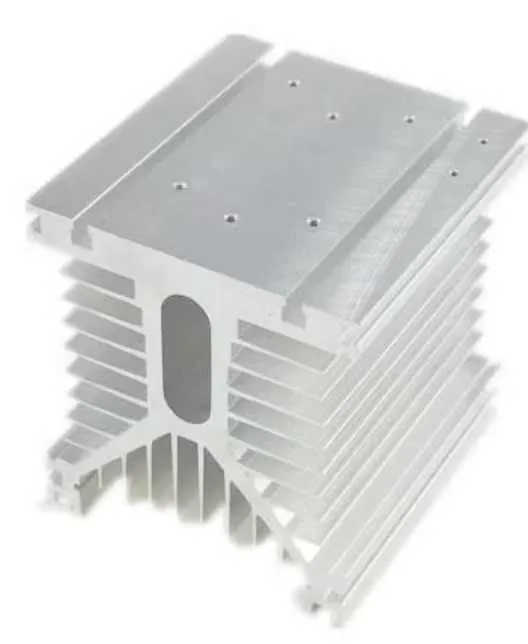
Jedna dobrá šarže ještě neznamená kontrolu. Skutečná opakovatelnost se projeví, když šarže zůstávají konzistentní v průběhu času.
Továrny kontrolují přesnost jednotlivých šarží prostřednictvím řízení procesů, uzamčení parametrů a nepřetržitého monitorování. Stabilita je důležitější než rychlost.
Opakovatelnost je součástí každodenních návyků.
Řízení parametrů procesu
Rozměry ovlivňují teplota vytlačování, velikost polotovaru, rychlost vytlačování a rychlost ochlazování. Silné továrny zaznamenávají tyto parametry pro každý provoz.
Jakmile jsou nalezena stabilní nastavení, jsou uzamčena. Změny vyžadují schválení. Tím se snižuje náhodná variabilita mezi šaržemi.
Standardizované postupy nastavení
Chyby při nastavení způsobují změny velikosti. Standardizovaná instalace formy, vyrovnání lisu a postupy při spouštění provozu snižují vliv lidského faktoru.
Přehledné kontrolní seznamy pomáhají obsluze opakovat pokaždé stejné nastavení.
Zpětná vazba mezi šaržemi
Továrny by měly porovnávat výsledky aktuálních šarží s předchozími šaržemi. Trendy odhalují pomalý posun před překročením limitů.
Včasná oprava je levnější než kompletní přepracování.
Disciplína řízení změn
Opakovatelnost selhává, když změny nejsou kontrolovány. Nové polotovary, noví operátoři nebo nové směny – to vše ovlivňuje výkon.
Silné továrny dokumentují změny a vyhodnocují rizika před pokračováním výroby.
| Oblast řízení | Dopad na přesnost |
|---|---|
| Řízení teploty | Stabilita velikosti |
| Nastavení standardu | Snížená variabilita |
| Sledování trendů | Včasné varování |
| Kontrola změn | Prevence driftu |
Přesnost mezi jednotlivými šaržemi závisí na stabilních procesních parametrech a kontrolovaných změnách.Pravda
Konzistence vychází z opakovatelných nastavení a monitorování.
Pokud jedna šarže splňuje toleranci, budou ji přirozeně splňovat i budoucí šarže.False
Bez kontroly se odchylky časem hromadí.
Může opotřebení nástrojů ovlivnit opakovatelnost rozměrů?
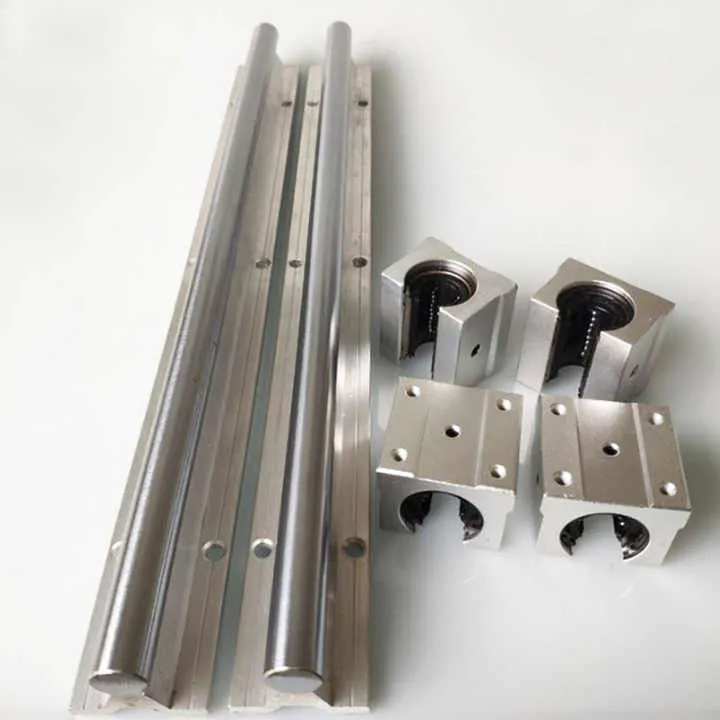
Opotřebení nástrojů je skrytou příčinou odchylek rozměrů. Mnohé továrny si problémy uvědomí až po obdržení stížností.
Opotřebení nástrojů přímo ovlivňuje rozměry výlisků tím, že v průběhu času mění tok kovu a tvar profilu. Řízení opotřebení je nezbytné pro opakovatelnost.
Ignorování opotřebení nástrojů vede ke nestabilitě stabilních procesů.
Jak se opotřebovávají formy během výroby
Extruzní matrice jsou vystaveny vysokému tlaku a teplu. V průběhu času se ložiskové plochy opotřebovávají. To mění odpor proudění.
S změnou průtoku se rozměry pomalu zvětšují nebo zmenšují. Tento posun zpočátku často zůstává v toleranci, ale pak náhle překročí limity.
Vzory opotřebení a složitost profilu
Složité profily se opotřebovávají nerovnoměrně. Tenké části a ostré rohy se opotřebovávají rychleji. To vede k asymetrii.
Bez kontroly zůstávají tyto změny skryté, dokud se neobjeví problémy při montáži.
Údržba a opravy forem
Silné továrny pravidelně kontrolují lisovací formy. Měří opotřebení ložisek a v případě potřeby je leští nebo opravují.
Korekce obnovuje rovnováhu a prodlužuje životnost nástroje. Vynechání údržby šetří čas v krátkodobém horizontu, ale zvyšuje množství odpadu v budoucnu.
Sledování životnosti nástrojů
Sledování počtu provedených cyklů pomáhá předvídat opotřebení. Lze tak naplánovat preventivní údržbu.
Reaktivní údržba je vždy dražší.
| Faktor nástrojů | Vliv na opakovatelnost |
|---|---|
| Opotřebení ložiska | Odchylka velikosti |
| Nerovnoměrné opotřebení | Deformace tvaru |
| Údržba | Obnova stability |
| Sledování života | Předvídatelná kontrola |
Opotřebení nástrojů způsobuje postupnou změnu rozměrů hliníkových výlisků.Pravda
Opotřebení mění tok kovu a velikost profilu.
Opotřebení nástrojů má vliv pouze na povrchovou úpravu, nikoli na rozměry.False
Opotřebení přímo mění geometrii profilu.
Které kontrolní systémy ověřují opakovatelnost?
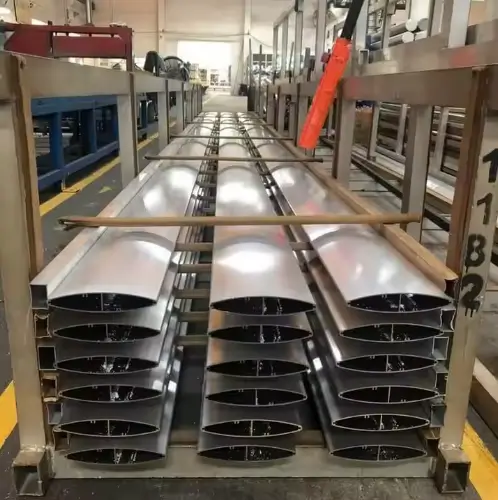
Opakovatelnost nelze předpokládat. Musí být ověřena pomocí kontrolních systémů, které včas detekují odchylky.
Inspekční systémy ověřují opakovatelnost měřením trendů, nikoli pouze jednotlivých vzorků. Dobré systémy se zaměřují na data, nejen na úspěch nebo neúspěch.
Kontrola uzavírá regulační smyčku.
Kontrola během výroby
Kontrolní měření profilů během výroby umožňují rychlé úpravy ještě předtím, než dojde k ovlivnění celé série.
Operátoři měří kritické rozměry v definovaných intervalech. Výsledky se zaznamenávají a kontrolují.
Systémy konečné kontroly
Konečná kontrola potvrzuje kvalitu zásilky. Zajišťuje, že profily po ochlazení a stárnutí splňují dohodnuté tolerance.
Konečná kontrola nenahrazuje kontrolu procesu. Pouze odhaluje problémy až pozdě.
Statistická kontrola procesu
Statistické metody sledují změny v čase. Kontrolní grafy ukazují, zda jsou procesy stabilní.
Když se data blíží limitům, jsou přijata opatření ještě předtím, než dojde k selhání.
Kalibrace a měření
Kontrolní nástroje musí být kalibrovány. Nekalibrované nástroje vyvolávají falešnou důvěru.
Konzistence měřicí metody je stejně důležitá jako přesnost nástroje.
| Typ kontroly | Účel |
|---|---|
| V procesu | Včasná korekce |
| Finále | Potvrzení odeslání |
| Statistický | Detekce trendů |
| Kalibrace | Důvěryhodnost dat |
Ověření opakovatelnosti vyžaduje kontrolu založenou na trendech, nikoli pouze závěrečné kontroly.Pravda
Trendy odhalují odchylky před selháním.
K zajištění opakovatelnosti rozměrů stačí pouze závěrečná kontrola.False
Konečné kontroly odhalují problémy příliš pozdě na to, aby je bylo možné napravit.
Závěr
Opakovatelnost rozměrů při extruzi hliníku je řízená, nikoli náhodná. Normy definují limity, procesy zajišťují stabilitu, nástroje musí být spravovány a kontrola ověřuje trendy. Když všechny prvky fungují společně, opakovatelné rozměry se stávají předvídatelnými namísto riskantními.