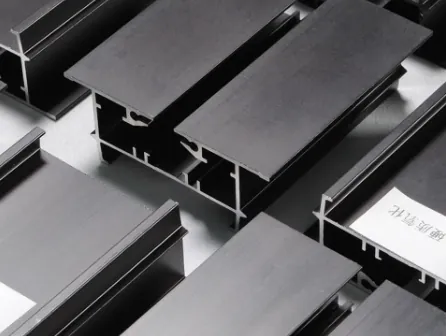
Hliníková extruze doporučená slitina pro venkovní použití?
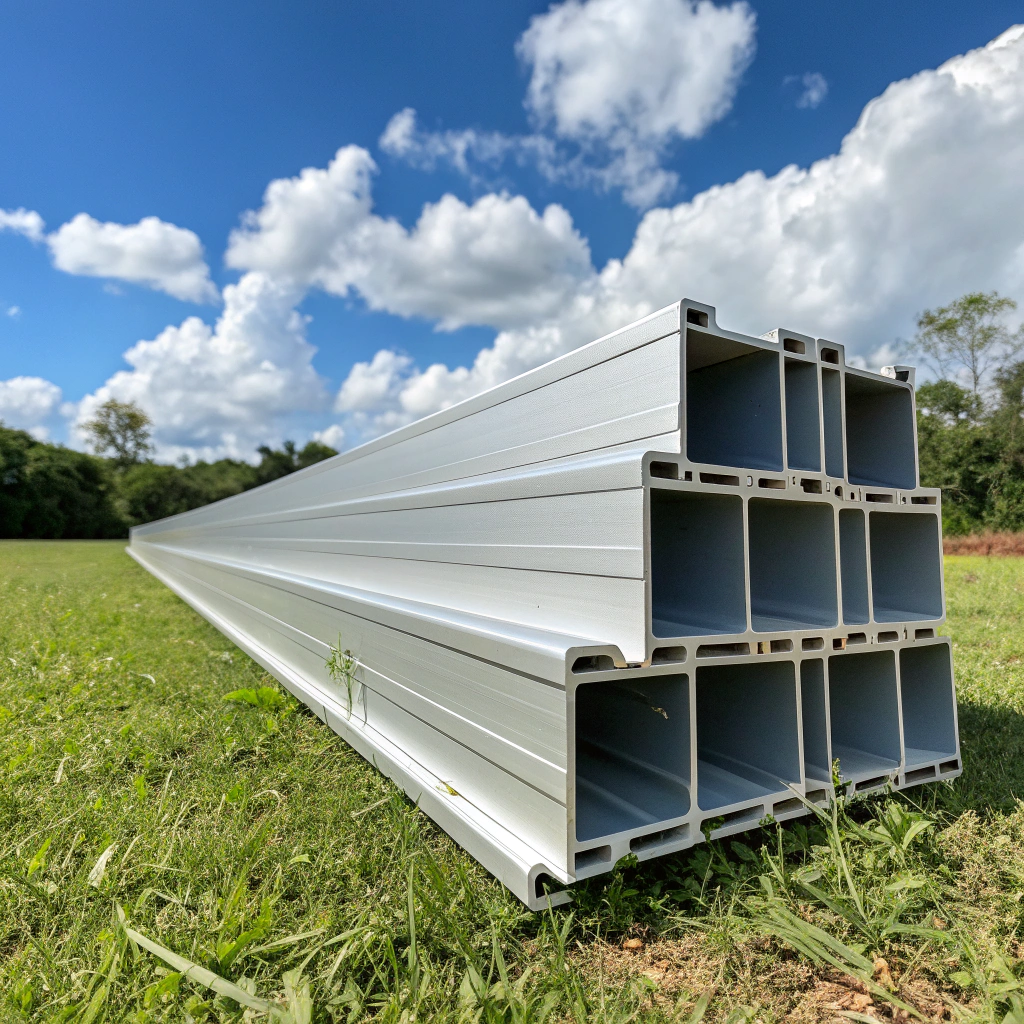
Venkovní projekty často selhávají, protože je zvolena nesprávná hliníková slitina. Koroze, blednutí barvy a ztráta pevnosti se projeví rychleji, než se očekávalo. Tím vznikají náklady, zpoždění a rizika.
Ano, hliníkové výlisky mohou velmi dobře fungovat ve venkovním prostředí, ale pouze v případě, že je zvolena správná slitina a povrchová úprava pro dané prostředí, zatížení a životnost.
Mnoho kupujících se zaměřuje především na cenu nebo tvar. Tento přístup často vede k brzké výměně. Lepší cestou je porozumět tomu, jak chemický složení slitiny, vlhkost a povrchová úprava spolupracují.
Které slitiny hliníku jsou nejvhodnější pro venkovní použití?
Venkovní expozice rychle odhalí slabé slitiny. Některé slitiny korodují, některé se deformují a některé ztrácejí vzhled. Proto je výběr slitiny prvním, nikoli druhotným technickým rozhodnutím.
Pro většinu projektů venkovního vytlačování hliníku jsou nejvhodnější materiály 6063 a 6061, protože vyvažují odolnost proti korozi, pevnost a povrchovou úpravu.
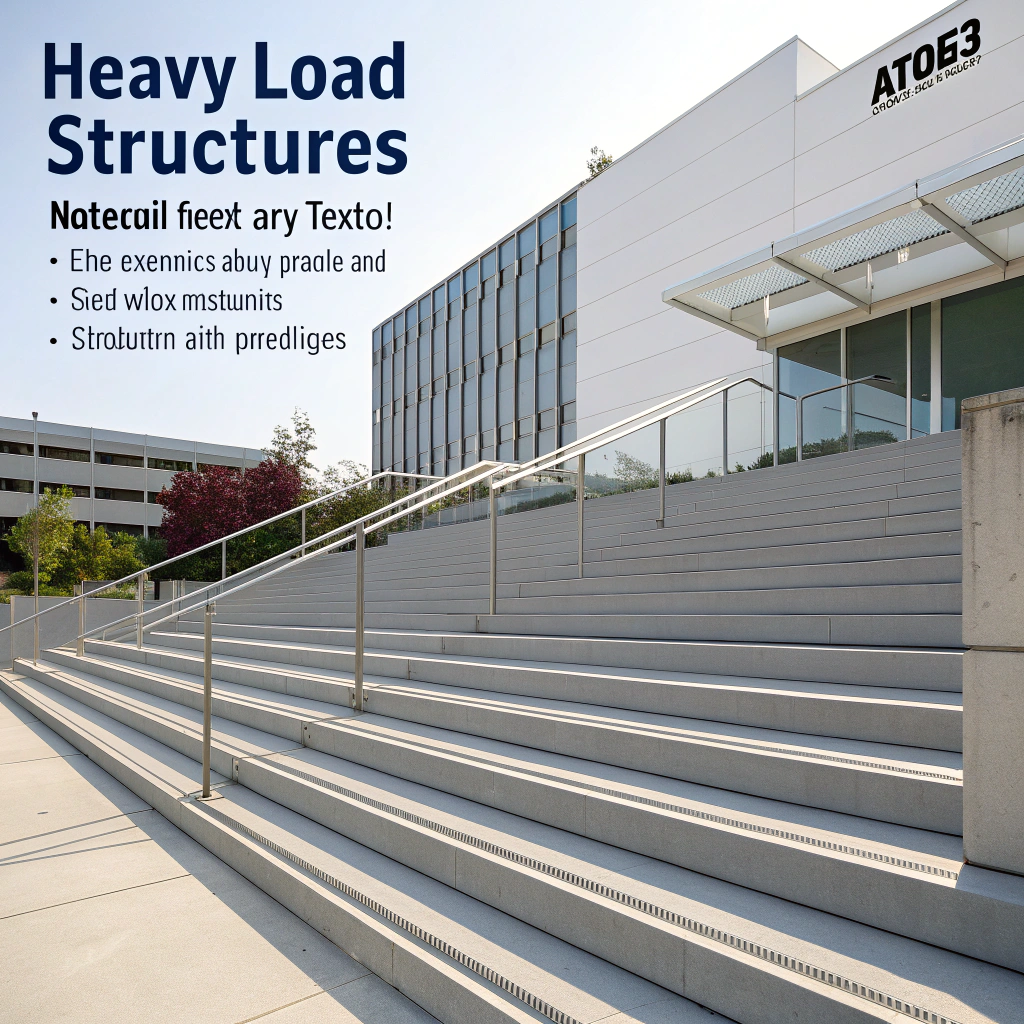
Proč záleží na výběru slitiny v exteriéru
Ve venkovních podmínkách působí tři stálá namáhání. Jsou to vlhkost, změny teploty a UV záření. Hliníkové slitiny reagují na každý faktor jinak. Špatná slitina může první rok vypadat dobře, ale ve třetím roce může selhat.
Často se setkávám s tím, že kupující předpokládají, že všechen hliník je stejný. To není pravda. Legující prvky, jako je hořčík a křemík, mění chování hliníku na vzduchu. Tyto prvky ovlivňují rychlost koroze, tvrdost a kvalitu povrchu.
Běžné slitiny hliníku pro venkovní vytlačování
Níže je uvedeno jednoduché srovnání běžně používaných vytlačovacích slitin pro venkovní použití.
| Slitina | Odolnost proti korozi | Úroveň síly | Kvalita povrchové úpravy | Typické venkovní použití |
|---|---|---|---|---|
| 6063 | Vynikající | Střední | Velmi hladký | Fasády, rámy, zábradlí |
| 6061 | Velmi dobré | Vysoká | Dobrý | Konstrukční rámy, podpěry |
| 6005A | Dobrý | Vysoká | Střední | Průmyslové venkovní systémy |
| 6082 | Dobrý | Velmi vysoká | Střední | Konstrukce pro velké zatížení |
6063 se široce používá pro architektonické venkovní výrobky. Snadno se lisuje a poskytuje čistý eloxovaný povrch. 6061 je pevnější a hodí se tam, kde záleží více na zatížení než na vzhledu.
Shoda slitiny s typem projektu
U viditelných venkovních dílů záleží na kvalitě povrchu. 6063 je obvykle nejbezpečnější volbou. Pro nosné venkovní rámy je často vhodnější 6061. V mnoha projektech se obě slitiny objevují ve stejném systému.
Faktory reálného výkonu ve venkovním prostředí
Venkovní hliník se nepodařilo vyrobit proto, že by byl hliník slabý. Selhává proto, že výběr slitiny ignoruje klimatické podmínky. Pobřežní vzduch, průmyslové znečištění a vysoká vlhkost vzduchu urychlují korozi. Výběr správné slitiny snižuje dlouhodobé riziko.
Slitiny 6063 a 6061 jsou široce používány pro venkovní vytlačování hliníku díky vyvážené odolnosti proti korozi a pevnosti.Pravda
Obě slitiny obsahují hořčík a křemík, které zvyšují odolnost proti korozi a mechanickou stabilitu ve venkovním prostředí.
Všechny hliníkové slitiny pro vytlačování se ve venkovním prostředí chovají stejně dobře bez ohledu na jejich složení.False
Různé legující prvky mění korozní chování a pevnost, což vede k velmi rozdílnému chování ve venkovním prostředí.
Jaký vliv má vystavení vlhkosti na výběr slitiny?
Hlavním nepřítelem venkovního hliníku je vlhkost. Déšť, vlhkost, kondenzace a solná mlha časem napadají kovový povrch. Výběr slitiny ovlivňuje, jak rychle se poškození projeví.
Vyšší vystavení vlhkosti vyžaduje slitiny s vyšší přirozenou odolností proti korozi a lepší stabilitou povrchu.
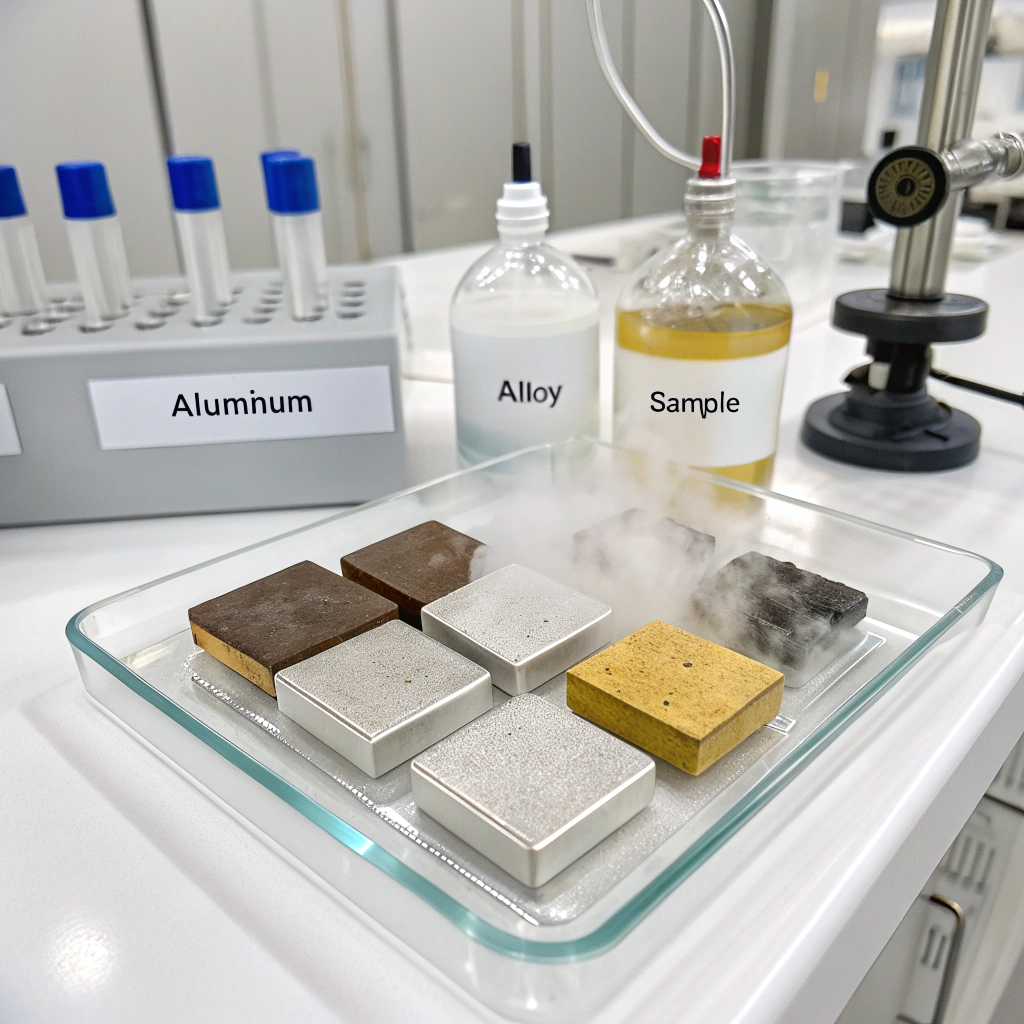
Porozumění typům vlhkosti
Ne všechna vlhkost se chová stejně. Slabý déšť v suchých oblastech se liší od stálé vlhkosti v pobřežních oblastech. Kondenzace ve stinných oblastech může být horší než přímý déšť.
Existují tři hlavní vlhkostní prostředí:
- Suché venkovní prostředí s občasným deštěm
- Vlhké venkovní prostředí s častou kondenzací
- Námořní nebo průmyslové použití soli nebo chemikálií
Každé prostředí vyžaduje jinou strategii slévání.
Jak slitiny reagují na vlhkost
Čistý hliník tvoří tenkou vrstvu oxidu, která ho chrání. Tuto vrstvu podporují některé legující prvky. Jiné ji oslabují. Odolnost proti korozi zvyšuje hořčík. Měď ji snižuje.
Proto jsou slitiny řady 6000 ve venkovním prostředí výkonnější než slitiny řady 2000. Těžké slitiny mědi korodují rychleji, jsou-li vystaveny vlhkosti.
Průvodce výběrem slitiny poháněné vlhkostí
| Úroveň vlhkosti | Doporučené slitiny | Vyhýbání se slitinám | Důvod |
|---|---|---|---|
| Nízká | 6063, 6005 | 2011 | Stabilní vrstva oxidu |
| Střední | 6063, 6061 | 2024 | Vyvážená odolnost |
| Vysoká | 6061, 6082 | 7075 | Lepší odolnost proti důlkové korozi |
| Námořní | 6061, 5083 | Řada 2000 | Odolnost proti soli |
Rizika dlouhodobé expozice
Vlhkost jen zřídka způsobuje okamžité selhání. Způsobuje pomalou tvorbu důlků, zabarvení a ztrátu tloušťky řezu. V průběhu let dochází k oslabení spojů a spojovacích zón.
V minulých projektech se poškození vlhkostí často objevovalo nejprve v blízkosti otvorů pro šrouby a řezných hran. Proto musí být volba slitiny v souladu s povrchovou úpravou a designem.
Design a slitina musí spolupracovat
Samotná slitina nemůže vyřešit problémy s vlhkostí. Záleží na konstrukci odvodnění, těsnění a povrchové úpravě. Přesto je třeba začít se slitinou odolnou vůči vlhkosti a snížit tak riziko již od prvního dne.
Působení vlhkosti zvyšuje význam korozivzdorných hliníkových slitin.Pravda
Voda a vlhkost urychlují korozi, a proto je výběr slitiny rozhodující pro dlouhodobou životnost.
Působení vlhkosti má na vlastnosti hliníkové slitiny pro vytlačování malý vliv.False
Různé slitiny reagují na vlhkost velmi odlišně, zejména při dlouhodobém vystavení ve venkovním prostředí.
Jsou eloxované povrchové úpravy preferovány ve venkovním prostředí?
Venkovní hliník není jen o pevnosti. Záleží i na vzhledu a životnosti povrchu. Eloxování se často volí, ale ne vždy se mu rozumí.
Ano, eloxované povrchové úpravy jsou v exteriéru velmi oblíbené, protože zvyšují odolnost proti korozi, barevnou stálost a tvrdost povrchu.

Co eloxování skutečně dělá
Eloxování zesiluje přirozenou vrstvu oxidu na hliníku. Tato vrstva se stává součástí kovu. Neloupe se jako barva. Díky tomu je ve venkovním prostředí velmi stabilní.
Tento proces také umožňuje kontrolu barev. Přírodní stříbrné, bronzové, černé a šampaňské odstíny zůstávají pod vlivem UV záření stabilní.
Eloxování vs. jiné povrchové úpravy ve venkovním prostředí
| Typ povrchové úpravy | Venkovní odolnost | Odolnost proti UV záření | Potřeba údržby |
|---|---|---|---|
| Eloxování | Vynikající | Velmi vysoká | Nízká |
| Práškové lakování | Velmi dobré | Střední až vysoká | Střední |
| Povrchová úprava frézováním | Špatný | Nízká | Vysoká |
| Barva | Střední | Nízká | Vysoká |
Eloxování se nejlépe provádí u slitiny 6063 díky hladkým vytlačovacím povrchům. Silnější anodické vrstvy se lépe uplatňují v drsném prostředí.
Limity eloxovaných povrchových úprav
Eloxování není dokonalé. Nezakryje škrábance. Sladění barev mezi jednotlivými šaržemi vyžaduje kontrolu. V mořských zónách je zapotřebí silnější eloxování.
V kombinaci se správnou slitinou však eloxování nabízí jednu z nejdelších životností ve venkovním prostředí.
Když eloxování není nejlepší volbou
Pro velmi složité barvy může být vhodnější práškové lakování. Pro těžké průmyslové použití, kde vzhled není tak důležitý, může být přijatelná povrchová úprava frézováním a ochrana designu.
Při výběru eloxování je třeba zohlednit slitinu, klima a vizuální cíle.
Povrchová úprava z eloxovaného hliníku zvyšuje odolnost proti korozi a barevnou stálost.Pravda
Anodická vrstva zesiluje ochranný povrch oxidu a odolává UV záření a vlhkosti.
Eloxované povrchové úpravy jsou pouze dekorativní a nemají vliv na venkovní vlastnosti.False
Eloxování výrazně zvyšuje odolnost proti korozi a tvrdost povrchu.
Lze ve stavebnictví používat slitiny pro námořní použití?
Slitiny pro námořní použití jsou často zmiňovány v outdoorových projektech. Někteří kupující předpokládají, že jsou vždy lepší. Tento předpoklad je třeba pečlivě přezkoumat.
Slitiny pro námořní použití lze použít ve stavebnictví, ale ne vždy jsou nejpraktičtější a nejekonomičtější volbou.
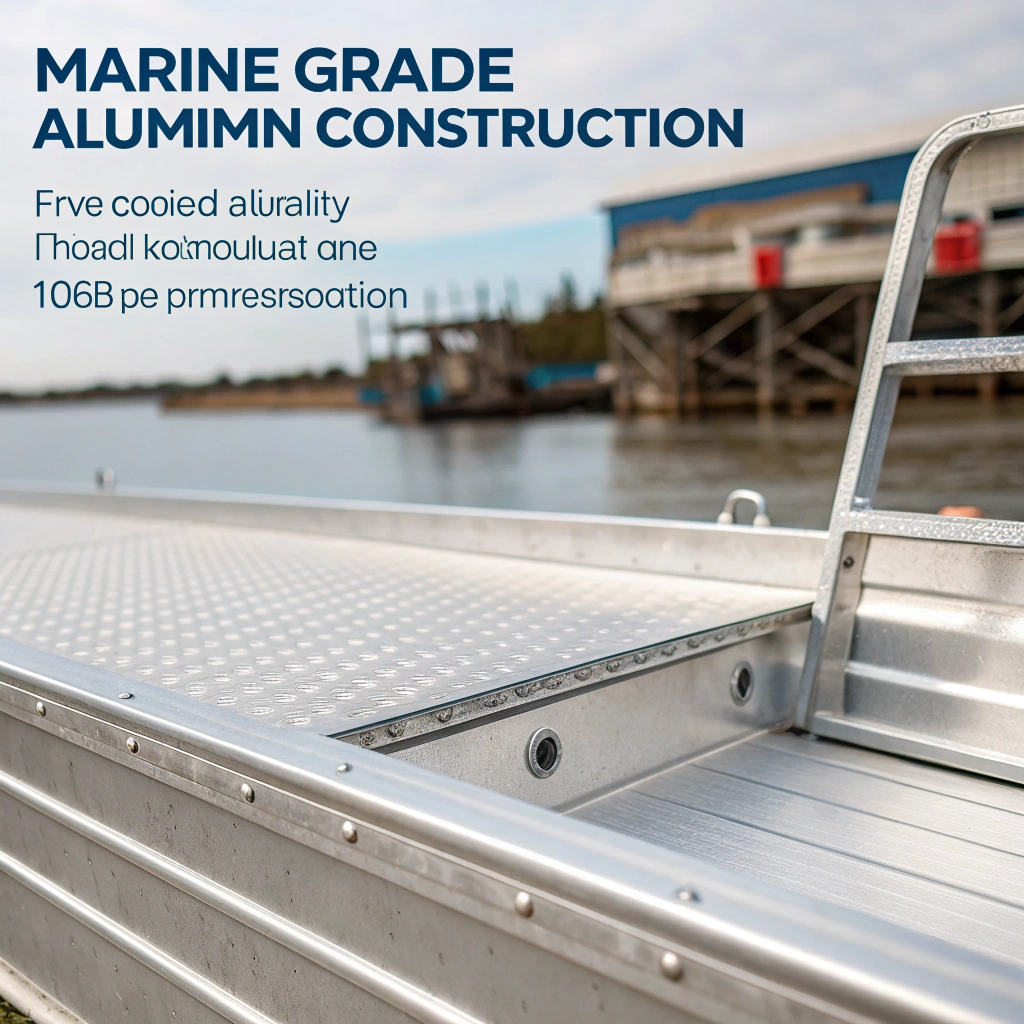
Co definuje hliník námořní kvality
Slitiny pro námořní použití jsou navrženy tak, aby odolávaly korozi ve slané vodě. Obvykle patří do řady 5000 a obsahují vysoký obsah hořčíku.
Mezi běžné lodní slitiny patří 5083 a 5052. Tyto slitiny velmi dobře odolávají důlkové korozi ve slaném prostředí.
Limity pevnosti a vytlačování
Slitiny pro námořní použití jsou odolné proti korozi, ale slabší z hlediska složitosti vytlačování. Nedají se vytlačovat tak snadno jako slitiny řady 6000. Povrchová úprava je také drsnější.
To omezuje jejich použití v architektonických profilech a systémech s úzkou tolerancí.
Případy použití ve stavebnictví
Slitiny pro námořní použití mají smysl v:
- Pobřežní struktury
- Offshore plošiny
- Zařízení na nábřeží
- Průmyslové zóny s vysokým obsahem soli
Nemusí dávat smysl v:
- Dekorativní fasády
- Složité lisované tvary
- Projekty s omezeným rozpočtem
Kompromisy v oblasti nákladů a zpracování
Námořní slitiny jsou dražší. Opotřebení nástrojů je vyšší. Možnosti povrchové úpravy jsou omezené. Výsledky eloxování jsou méně konzistentní.
Pro mnoho stavebních projektů se 6061 s vhodným eloxováním osvědčuje dostatečně dobře i bez nákladů na lodní třídu.
Praktická logika výběru
Nejlepším přístupem je výběr podle prostředí. Pokud je expozice soli stálá, platí slitiny pro námořní použití. Pokud tomu tak není, zůstávají praktickým standardem slitiny řady 6000.
Hliníkové slitiny pro námořní použití nabízejí vynikající odolnost proti korozi v prostředí bohatém na soli.Pravda
Vysoký obsah hořčíku zvyšuje odolnost proti korozi ve slané vodě.
Hliníkové slitiny pro námořní použití jsou vždy nejlepší volbou pro všechny venkovní stavební projekty.False
Přinášejí náklady, omezení vytlačování a v jiných než námořních prostředích jsou zbytečné.
Závěr
Venkovní vytlačování hliníku je úspěšné, pokud jsou sladěny slitina, prostředí a povrchová úprava. 6063 a 6061 pokrývají většinu potřeb. Vlhkost zvyšuje riziko. Eloxování zvyšuje ochranu. Slitiny pro námořní použití jsou speciální nástroje, nikoliv standardní odpovědi.