Hliníkové výlisky vhodné slitiny pro ohýbání?

Mnoho hliníkových výlisků při ohýbání praská. Jiné se vrásní nebo ztrácejí kontrolu nad tvarem. Tyto problémy znamenají plýtvání materiálem a časem. Většina poruch je způsobena výběrem nesprávné slitiny nebo temperace.
Slitiny hliníku vhodné pro ohýbání jsou slitiny s vyváženou pevností a tažností, které umožňují plastickou deformaci bez vzniku trhlin, jako jsou specifické slitiny řady 6xxx a 5xxx ve vhodných teplotách.
Ohýbání není jen formovací krok. Je to zkouška chování materiálu. Pochopení limitů slitiny před ohýbáním zabraňuje nákladnému přepracování konstrukce a zmetkům.
Které hliníkové slitiny jsou nejlépe ohebné?
Špatná ohebnost často překvapí kupující. Na papíře vypadá mnoho slitin podobně. V praxi se však jejich chování při ohybu značně liší.
Slitiny hliníku s nejlepší ohybatelností jsou slitiny s nízkou až střední pevností a vysokou tažností, zejména řady 6xxx, jako je 6063, a řady 5xxx, jako je 5052.
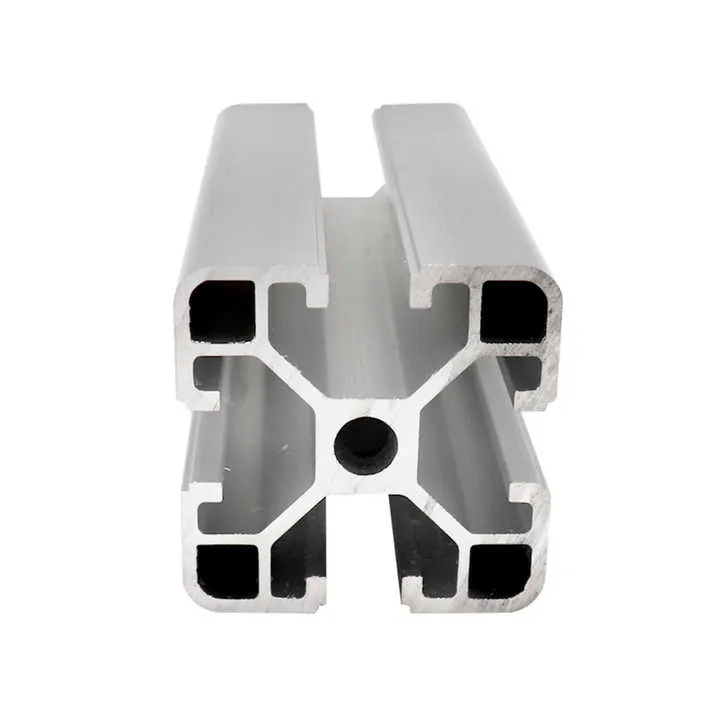
Ohybatelnost závisí na tom, jak velkou deformaci může slitina absorbovat, než praskne. To úzce souvisí s chemickým složením slitiny a strukturou zrn.
Proč je tvárnost důležitější než pevnost
Při ohýbání se vnější poloměr roztahuje, zatímco vnitřní poloměr se stlačuje. Pokud se slitina nemůže dostatečně roztáhnout, vznikají trhliny.
Slitiny s vysokou tažností umožňují:
- Větší poloměry ohybu
- Těsnější ohyby
- Méně povrchových trhlin
Slitiny s vysokou pevností odolávají deformaci. Tato odolnost zvyšuje riziko vzniku trhlin.
Nejvýkonnější rodiny slitin
Slitiny řady 6xxx jsou nejčastější volbou pro ohýbané výlisky.
Mezi důvody patří:
- Vyvážený obsah hořčíku a křemíku
- Stabilní struktura zrna
- Předvídatelná reakce na formování
Materiál 6063 se hojně používá pro zakřivené rámy a architektonické tvary. Tvar 6061 lze také ohýbat, ale vyžaduje větší poloměry.
Slitiny řady 5xxx, jako je 5052, nabízejí ještě vyšší tažnost. Velmi dobře se ohýbají, ale ve složitých výliscích jsou méně časté.
Porovnání ohybatelnosti podle slitiny
| Slitina | Relativní ohybatelnost | Typický poloměr ohybu |
|---|---|---|
| 6063 | Velmi vysoká | Těsné |
| 5052 | Velmi vysoká | Velmi těsné |
| 6061 | Střední | Mírná |
| 6005A | Středně nízká | Velké |
| 7075 | Velmi nízká | Velmi velký |
Tato tabulka ukazuje jasný trend. S rostoucí pevností klesá ohybatelnost.
Praktické rady pro výběr slitiny
U konstrukcí, které vyžadují ohýbání:
- Zvolte slitinu s nejnižší pevností, která vyhovuje potřebám zatížení
- Vyhněte se slitinám bohatým na měď
- Zadání ohýbání na začátku návrhu
Na základě zkoušek ohýbání v mnoha projektech lze zjistit, že samotná volba slitiny může snížit riziko vzniku trhlin o více než polovinu.
Hliníková slitina 6063 nabízí vynikající ohybatelnost pro operace vytlačovacího ohýbání.Pravda
Jeho vyvážené chemické složení zajišťuje vysokou tažnost a stabilní deformační chování.
Slitiny hliníku s vysokou pevností se obecně ohýbají lépe než slitiny s nízkou pevností.False
Vyšší pevnost obvykle znamená nižší tažnost a vyšší riziko vzniku trhlin při ohýbání.
Jak ovlivňuje temperace výkonnost při ohýbání?
Výběr slitiny je jen polovina rozhodnutí. O úspěchu či neúspěchu často rozhoduje teplota.
Temperace hliníku silně ovlivňuje jeho výkonnost v ohybu, protože tvrdší temperace snižují tažnost, zatímco měkčí temperace umožňují větší plastickou deformaci.

Temperace popisuje tepelnou a mechanickou historii hliníku. Řídí pevnost, tvrdost a tažnost.
Běžné tempery používané při ohýbání
Extrudovaný hliník se často dodává v těchto teplotách:
- T4: ošetřeno roztokem a přirozeně stárnuté
- T5: chlazené z vytlačování a uměle stárnuté
- T6: ošetřeno roztokem a uměle stárnuto
Každý z nich se při ohýbání chová jinak.
Měkčí temperamenty se lépe ohýbají
Temperace T4 nabízí nejlepší ohybatelnost. Umožňuje prokluzování a roztahování hliníkových zrn.
Výhody T4 pro ohýbání:
- Nižší mez kluzu
- Vyšší prodloužení
- Snížené riziko vzniku trhlin
Tempery T5 a T6 jsou silnější, ale méně šetrné.
Kompromis mezi pevností a tvařitelností
Použití měkkého popuštění zlepšuje ohýbání, ale snižuje konečnou pevnost. Mnoho projektů to řeší tak, že se nejprve ohýbá a pak stárne.
Typický přístup:
- Extrudování v T4
- Provádění ohýbání
- Tepelné zpracování na T6
Tato sekvence zlepšuje tvarovatelnost i konečné vlastnosti.
Srovnání vlivu temperamentu
| Temperament | Úroveň síly | Ohybatelnost |
|---|---|---|
| T4 | Nízká | Vynikající |
| T5 | Střední | Mírná |
| T6 | Vysoká | Špatný |
Ignorování temperace často vede k nečekanému praskání i při použití správné slitiny.
Ze zkušeností z výroby vyplývá, že přechod z T6 na T4 před ohýbáním řeší mnoho případů poruch bez nutnosti změny slitiny.
Měkčí temperace hliníku, jako je T4, zlepšují ohybové vlastnosti.Pravda
Nižší tvrdost umožňuje větší plastickou deformaci bez vzniku trhlin.
Hliník T6 se díky vyšší pevnosti ohýbá snadněji než T4.False
Vyšší pevnost snižuje tažnost a zvyšuje riziko vzniku trhlin.
Lze silnostěnné výlisky čistě ohýbat?
Tloušťka přidává další vrstvu obtíží. Mnozí předpokládají, že silné stěny nelze dobře ohýbat. To však není vždy pravda.
Silnostěnné hliníkové výlisky lze ohýbat čistě, pokud je správně kontrolována slitina, temperace, poloměr ohybu a nástrojové vybavení.

Tloušťka stěny ovlivňuje rozložení deformace při ohybu. Čím silnější je stěna, tím větší je rozdíl napětí mezi vnitřním a vnějším povrchem.
Problémy s tlustými řezy
Mezi nejčastější problémy patří:
- Praskliny vnějšího poloměru
- Vlnění vnitřního poloměru
- Zkreslení průřezu
Tyto problémy se zvyšují s tloušťkou a malými poloměry ohybu.
Klíčové faktory, které umožňují čisté ohýbání
Čisté ohýbání silných výlisků vyžaduje:
- Dostatečně velký poloměr ohybu
- Měkké temperování před ohýbáním
- Interní podpůrné nástroje
- Řízená rychlost ohýbání
Třmeny nebo výplně mohou podpírat duté profily.
Pravidla poloměru ohybu pro silné stěny
Jednoduchým vodítkem je zvětšovat poloměr ohybu s rostoucí tloušťkou stěny.
Typické pravidlo:
- Tenká stěna: poloměr se rovná 1 až 2násobku tloušťky stěny.
- Silná stěna: poloměr se rovná 3 až 5násobku tloušťky stěny.
Jedná se o výchozí body, nikoli o záruky.
Faktory ohybové výkonnosti tlustých stěn
| Faktor | Vliv na ohyb |
|---|---|
| Tloušťka stěny | Vyšší stres |
| Poloměr ohybu | Kontrolní kmen |
| Temperament | Řídí tažnost |
| Nástroje | Tvar ovládacích prvků |
Tlustostěnné díly se často podaří ohnout ve více fázích, nikoli v jednom průchodu.
Z dílenských zkoušek vyplývá, že většina selhání při ohýbání tlustých výlisků vzniká při pokusech o použití pravidel pro tenké stěny.
Silnostěnné hliníkové výlisky lze úspěšně ohýbat při správné kontrole procesu.Pravda
Úpravy poloměru, popuštění a nástrojů omezují praskání a deformace.
Silnostěnné hliníkové výlisky nelze ohýbat bez prasklin.False
Správnými parametry slitiny a ohýbání lze praskání předejít.
Jsou některé slitiny náchylné k praskání při ohýbání?
Ano. Některé slitiny snadno praskají, a to i při mírném ohýbání. Toto riziko je třeba si uvědomit včas.
Některé hliníkové slitiny jsou náchylné k praskání při ohýbání kvůli nízké tažnosti, hrubé struktuře zrn nebo vysokému obsahu legujících prvků, jako je měď a zinek.

Praskání je příznakem omezené deformační kapacity. Hlavní roli hraje chemie slitiny.
Vysoce rizikové skupiny slitin
Mezi slitiny s vyšším rizikem vzniku trhlin patří:
- Slitiny řady 2xxx
- Slitiny řady 7xxx
- Přestárlé slitiny 6xxx
Tyto slitiny upřednostňují pevnost před tvářitelností.
Proč měď a zinek zvyšují tvorbu trhlin
Měď a zinek zpevňují hliník, ale snižují skluz mezi zrny. Při ohýbání se napětí koncentruje na hranicích zrn.
To vede k:
- Iniciace mikrotrhlin
- Šíření trhliny podél linie ohybu
- Náhlá zlomenina
Povrchové trhliny se mohou zdát malé, ale během provozu se často zvětšují.
Vliv struktury zrna
Hrubá zrna zhoršují ohybové vlastnosti. Snižují rovnoměrnou deformaci.
Velikost zrn je ovlivněna:
- Vytlačovací teplota
- Rychlost chlazení
- Složení slitiny
Špatná kontrola procesu zvyšuje riziko vzniku trhlin i u normálně ohybatelných slitin.
Srovnání rizik prasklin
| Slitina | Riziko prolomení | Ohybatelnost |
|---|---|---|
| 6063 | Nízká | Vysoká |
| 6061 | Střední | Střední |
| 6005A | Středně vysoká | Nízká |
| 2024 | Vysoká | Velmi nízká |
| 7075 | Velmi vysoká | Extrémně nízká |
Konstruktéři by se měli vyhnout vysoce rizikovým slitinám, pokud je vyžadováno ohýbání. Pokud je to nevyhnutelné, je nutné použít větší poloměry a měkčí tempery.
Z analýzy poruch vyplývá, že praskání slitiny při ohybu je zřídkakdy náhodné. Je předvídatelné a lze mu předcházet.
Slitiny hliníku bohaté na měď a zinek jsou náchylnější k praskání při ohýbání.Pravda
Tyto prvky snižují tažnost a zvyšují koncentraci napětí.
U všech hliníkových slitin existuje podobné riziko vzniku trhlin při ohýbání.False
Riziko vzniku trhlin se značně liší v závislosti na chemickém složení slitiny a temperaci.
Závěr
Úspěšné ohýbání hliníkových výlisků závisí na tvárnosti slitiny, volbě temperace, kontrole tloušťky stěny a povědomí o riziku vzniku trhlin. Včasný výběr slitin vhodných pro ohýbání a měkkých temperací předchází poruchám a zajišťuje čisté a opakovatelné výsledky ohýbání.