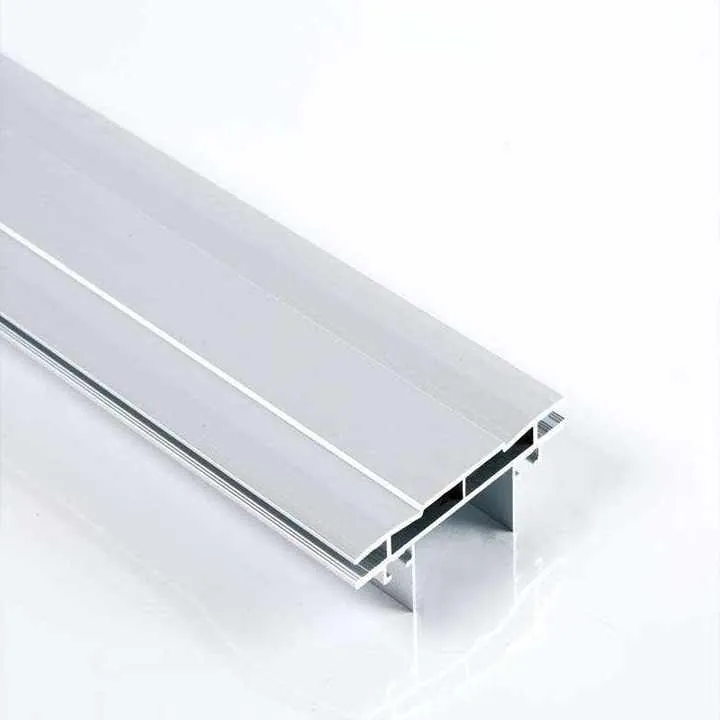
Možnosti hliníkových profilů pro konstrukční rámy?

Mnoho projektů selže ještě před zahájením. Špatná volba rámu vede k ohýbání, vibracím nebo brzkému selhání. Mnoho kupujících předpokládá, že všechny hliníkové výlisky fungují stejně. Tento předpoklad vytváří riziko.
Hliníkové výlisky nabízejí flexibilní, pevné a škálovatelné možnosti pro konstrukční rámování, pokud se použije správný profil, slitina a způsob konstrukce.
Konstrukční rámování není jen o pevnosti. Jde o průběh zatížení, konstrukci spojů a dlouhodobou stabilitu. Tento článek vysvětluje, jak vybrat možnosti hliníkových výlisků pro skutečné konstrukční použití.
Které typy výlisků jsou ideální pro konstrukční použití?

Konstrukční rámy selhávají, když se profily vybírají podle vzhledu, a ne podle funkce. Tenké stěny, otevřené profily a slabé spoje způsobují skryté problémy.
Uzavřené a polouzavřené hliníkové lisované profily se silnějšími stěnami jsou ideální pro konstrukční rámování díky lepšímu rozložení zatížení a odolnosti proti zkroucení.
Výběr správného typu výlisku je prvním krokem k bezpečnému rámu.
Běžné typy konstrukčních hliníkových výlisků
Ne každé vytlačování se hodí pro strukturu. Některé jsou dekorativní. Některé jsou nosné.
Mezi nejběžnější typy konstrukcí patří:
- Čtvercové a obdélníkové duté profily
- Průmyslové profily s T-drážkou
- Průřezy I-nosníků a T-nosníků
- Skříňové profily s vnitřními žebry
Každý typ zvládá zatížení jinak.
Proč jsou duté profily výkonnější
Uzavřené duté profily odolávají ohybu a kroucení lépe než otevřené tvary. Zatížení se rozkládá po celém obvodu.
Díky tomu jsou stabilní při působení svislých i vodorovných sil.
Srovnání běžných typů vytlačování
| Typ profilu | Odolnost proti ohybu | Odolnost proti kroucení | Typické použití |
|---|---|---|---|
| Otevřený tvar U | Nízká | Velmi nízká | Lehké rámy |
| Profil T-drážky | Střední | Střední | Modulární systémy |
| Čtvercová dutina | Vysoká | Vysoká | Konstrukční rámy |
| Krabice s žebry | Velmi vysoká | Velmi vysoká | Rámy pro velké zatížení |
Tato tabulka ukazuje, proč v konstrukčních návrzích převažují duté profily.
Tloušťka stěny je důležitější než velikost
Mnoho kupujících se zaměřuje pouze na vnější rozměry. To způsobuje nedostatečný design.
Velký profil s tenkými stěnami může selhat dříve než menší profil se silnými stěnami.
Tloušťka stěny přímo ovlivňuje:
- Odolnost proti vzpěru
- Životnost při únavě
- Pevnost kloubů
Skutečné zkušenosti s výrobou
V jednom projektu si zákazník vybral široký T-drážkový profil, aby podpořil pohybující se zařízení. Rám během provozu vibroval.
Po přechodu na skříňový profil s vnitřními žebry vibrace prudce poklesly, aniž by se zvětšila velikost.
Uzavřené hliníkové vytlačovací profily poskytují lepší konstrukční vlastnosti než otevřené profily.Pravda
Uzavřené profily rovnoměrně rozkládají napětí a odolávají ohybu a kroucení.
Pro konstrukční rámování lze bezpečně použít jakýkoli hliníkový výlisek, pokud je dostatečně velký.False
Rozhodující je tvar profilu a tloušťka stěny, nejen velikost.
Jak se vybírají profily rámů na základě zatížení?

Chybný výpočet zatížení je tichou příčinou poruchy. Mnoho rámů vypadá pevně, ale při dynamickém nebo nerovnoměrném zatížení selhávají.
Výběr profilu rámu musí vycházet z typu, směru, velikosti a součinitele bezpečnosti zatížení, nikoli pouze ze statické hmotnosti.
Pochopení chování zátěže mění způsob výběru profilů.
Typy zatížení v konstrukčních rámech
Konstrukční rámy zřídka přenášejí pouze jeden typ zatížení.
Mezi běžné zátěže patří:
- Statické zatížení v důsledku hmotnosti zařízení
- Dynamické zatížení od pohybu
- Rázové zatížení náhlou silou
- Zatížení rozložené podél nosníků
Každé zatížení působí na rám jinak.
Směr zatížení a dráhy napětí
Svislé zatížení způsobuje ohyb. Vodorovná zatížení způsobují smyk. Kroutivé síly vznikají v důsledku posunutí.
Profily musí být v souladu s dráhami zatížení, aby nedocházelo ke koncentraci napětí.
Základní logika výběru zátěže
Proces obvykle probíhá v těchto krocích:
- Určení maximálního zatížení
- Určení směru zatížení
- Určení délky rozpětí
- Zvolte bezpečnostní faktor
- Kontrola mezí průhybu
Vynechání jakéhokoli kroku vede k riziku.
Typické použité bezpečnostní faktory
| Typ aplikace | Bezpečnostní faktor |
|---|---|
| Statické vybavení | 1,5 až 2,0 |
| Stěhování strojů | 2,0 až 3,0 |
| Přístup lidí | 3,0 nebo vyšší |
Vyšší bezpečnostní faktory snižují riziko průhybu a únavy.
Na vychýlení záleží více než na selhání
Mnoho hliníkových rámů se nerozbije. Příliš se ohýbají.
Příčiny nadměrného vychýlení:
- Nesouosost
- Hluk
- Uvolnění upevňovacího prvku
- Únavové trhliny
Návrhové limity často používají poměry průhybu jako L/200 nebo L/300.
Praktický příklad návrhu
Dopravní rám nesl jen mírnou hmotnost. Pevnost profilu byla dostatečná, ale průhyb způsoboval problémy s vedením pásu.
Po přechodu na vyšší profil při stejné hmotnosti se průhyb snížil, aniž by se změnily náklady na materiál.
Při výběru profilu je třeba zohlednit nejen pevnost, ale i směr zatížení a mezní průhyby.Pravda
Rámy často selhávají spíše v důsledku nadměrného ohybu než zlomení.
Pokud hliníkový rám nepraskne, je konstrukčně přijatelný.False
Nadměrný průhyb může přesto způsobit funkční a únavové problémy.
Mohou výlisky nahradit ocel v konstrukčních rámech?

Ocel je často považována za standardní konstrukční materiál. Hliník je někdy zavrhován příliš brzy.
Hliníkové výlisky mohou nahradit ocel v mnoha aplikacích konstrukčních rámů, pokud je prioritou snížení hmotnosti, odolnost proti korozi a modularita.
Rozhodnutí závisí na cílech aplikace, nikoli na tradici.
Výhoda poměru pevnosti a hmotnosti
Hliník má nižší absolutní pevnost než ocel. Je však mnohem lehčí.
Díky tomu má hliník vysoký poměr pevnosti a hmotnosti.
U mnoha rámů je hmotnost důležitější než pevnost.
Koroze a životní prostředí
Ocel potřebuje nátěr nebo lakování. Hliník si vytváří vlastní vrstvu oxidu.
Ve vlhkém nebo venkovním prostředí vydrží hliník často déle a s menšími nároky na údržbu.
Výhody výroby a montáže
Hliníkové výlisky umožňují:
- Montáž pomocí šroubů
- Modulární rozšíření
- Snížené svařování
- Rychlejší instalace
Tyto výhody snižují náklady na pracovní sílu.
Srovnání hliníkových a ocelových rámů
| Majetek | Hliníkový výlisek | Ocelová konstrukce |
|---|---|---|
| Hmotnost | Nízká | Vysoká |
| Odolnost proti korozi | Vysoká | Střední |
| Rychlost výroby | Rychle | Pomalejší |
| Modularita | Vynikající | Omezené |
| Počáteční náklady na materiál | Vyšší | Dolní |
Tato tabulka ukazuje kompromisy, nikoli vítěze.
Kde by hliník neměl nahradit ocel
Hliník není ideální pro:
- Zóny s velmi vysokou teplotou
- Extrémní nárazové zatížení
- Velmi těžká statická zatížení
V těchto případech stále dominuje ocel.
Skutečný vhled do projektu
V projektu tovární plošiny se přechodem z oceli na hliník snížila celková hmotnost o více než 40 procent.
To umožnilo menší základy a rychlejší instalaci.
Hliníkové výlisky mohou nahradit ocel v mnoha konstrukčních rámových aplikacích.Pravda
Hliník má výhody z hlediska hmotnosti, koroze a modulárnosti.
Hliníkové výlisky jsou ve srovnání s ocelovými konstrukcemi vždy slabší a nebezpečnější.False
Správně navržené hliníkové rámy mohou bezpečně splňovat mnoho konstrukčních požadavků.
Jaké konstrukce zvyšují stabilitu konstrukčních systémů?

Mnoho konstrukčních poruch je způsobeno špatnou konstrukcí, nikoli slabým materiálem. Samotné profily nezaručují stabilitu.
Stabilita konstrukce se zvyšuje díky správné geometrii, vyztužení, konstrukci spojů a rozložení zatížení.
Na výběru designu často záleží více než na třídě materiálu.
Význam triangulace
Trojúhelníkové tvary odolávají deformaci. Obdélníky ne.
Přidáním diagonální výztuhy se zvýší tuhost bez větší hmotnosti.
Konstrukce spoje a pevnost spoje
Slabé spoje ničí silné rámy.
Šroubové spoje musí:
- Rovnoměrné rozložení nákladu
- Zabránit rotaci
- Udržování předpětí
Volné spoje způsobují vibrace a únavu.
Principy geometrie rámu
Stabilní rámy se řídí jednoduchými pravidly:
- Kratší rozpětí snižují ohyb
- Vyšší průřezy zvyšují tuhost
- Symetrie vyrovnává zátěž
Ignorování geometrie způsobuje nerovnoměrné namáhání.
Společná vylepšení stability
| Metoda návrhu | Přínos pro stabilitu |
|---|---|
| Diagonální výztuha | Snižuje kolísání |
| Křížové výztuhy | Posílení kloubů |
| Žebrované profily | Zvýšení tuhosti |
| Nosníky se sdílením zatížení | Snížení špičkového stresu |
Tyto metody fungují společně, nikoli samostatně.
Regulace vibrací v hliníkových rámech
Hliník je lehčí, takže je třeba věnovat pozornost vibracím.
Řešení zahrnují:
- Zvyšování výšky sekce
- Přidání tlumicích prvků
- Zlepšení těsnosti kloubů
Ignorování vibrací vede k hluku a únavě.
Poučení z designu na základě zkušeností
U jednoho automatizovaného systému rám splňoval pevnostní limity, ale během provozu vibroval.
Po přidání diagonálních výztuh se vibrace snížily beze změny profilů.
Stabilita konstrukce do značné míry závisí na geometrii rámu a konstrukci spojů.Pravda
Dobrá konstrukce rozkládá zatížení a omezuje deformace.
Použití silnějších hliníkových profilů samo o sobě zaručuje stabilitu konstrukce.False
Špatná geometrie a slabé spoje mohou stále způsobovat nestabilitu.
Závěr
Konstrukční rámování z hliníkových výlisků je úspěšné, pokud typ profilu, analýza zatížení, volba materiálu a geometrie konstrukce spolupracují. Díky chytrému výběru a správnému návrhu jsou hliníkové rámy pevné, stabilní a spolehlivé v mnoha konstrukčních aplikacích.