Požadavky na vodivost hliníkových výlisků?

V reálných projektech často selhávají elektrické a tepelné parametry. Mnoho týmů si vybírá hliníkové profily bez kontroly vodivosti. To způsobuje hromadění tepla, ztrátu signálu nebo bezpečnostní riziko. Tyto problémy jsou nákladné a později se obtížně odstraňují.
Požadavky na vodivost hliníkových výlisků závisí na elektrickém použití, tepelném zatížení, volbě slitiny a povrchové úpravě. Díky správným normám a kontrole slitin mohou hliníkové výlisky splňovat elektrické i tepelné požadavky v náročných systémech.
Mnoho kupujících se nejprve zaměřuje na tvar a cenu. Vodivost se často kontroluje příliš pozdě. Tento článek vysvětluje, jak funguje vodivost při vytlačování hliníku. Vysvětluje také, jak normy, slitiny a povlaky ovlivňují výkonnost v reálných projektech.
Jaké normy vodivosti platí pro elektrické aplikace?
Elektrické systémy selhávají, když je vodivost příliš nízká. To může způsobit pokles napětí, zahřívání a dokonce i riziko požáru. Mnoho kupujících předpokládá, že hliník funguje vždy stejně. Není to pravda.
Elektrická vodivost hliníkových výlisků se obvykle udává v procentech IACS a většina elektrických návrhů vyžaduje hodnoty mezi 55 a 62 procenty IACS v závislosti na slitině a temperaci.
Proč existují elektrické normy
Normy elektrické vodivosti pomáhají inženýrům porovnávat materiály. Poskytují jasné číslo namísto odhadu. Pro hliník se nejčastěji používá norma IACS. Tato stupnice porovnává materiály s čistou žíhanou mědí.
Většina hliníkových slitin používaných pro vytlačování není čistý hliník. Legující prvky zvyšují pevnost. Zároveň snižují vodivost. Z tohoto důvodu jsou normy důležitější než marketingové termíny.
Běžné referenční hodnoty vodivosti
Níže je uvedena jednoduchá tabulka, kterou používá mnoho nákupčích a inženýrů.
| Typ materiálu | Typická vodivost (IACS %) | Běžné použití |
|---|---|---|
| Čistý hliník | 61 až 65 | Přípojnice, vodiče |
| Řada 1xxx | 60 až 63 | Elektrické profily |
| Řada 6xxx | 45 až 58 | Strukturální a smíšené využití |
Tato tabulka ukazuje, proč je výběr slitiny důležitý. Silný profil může v elektrické roli selhat. Profil s vysokou vodivostí může selhat při zatížení.
Normy, na které se často odkazuje
Elektrotechnické projekty se často řídí národními nebo oborovými předpisy. Tato pravidla ne vždy uvádějí jedinou slitinu. Definují minimální vodivost nebo výkon.
Příklady zahrnují:
- Minimální vodivost pro uzemňovací systémy
- Mezní hodnoty odporu pro rozvodné lišty
- Limity nárůstu tepla při současném zatížení
V praxi by si kupující měli vyžádat údaje ze zkoušek vodivosti. Pouhý certifikát mlýna nemusí stačit. Zkouška vodivosti po vytlačení poskytuje větší jistotu.
Praktické rady z výroby
V reálných továrnách se vodivost mění v závislosti na řízení procesu. Záleží na teplotě vytlačování, rychlosti kalení a stárnutí. Dva profily se stejnou slitinou mohou vykazovat rozdílnou vodivost.
Z tohoto důvodu by se u seriózních elektroinstalačních projektů mělo:
- Definice minimální hodnoty IACS ve výkresech
- Vyžádat si protokoly o zkouškách na úrovni šarže
- Vyhněte se míchání dodavatelů pro jeden systém
Tento přístup snižuje riziko a zlepšuje dlouhodobou stabilitu systému.
Elektrická vodivost hliníkových výlisků se běžně udává pomocí stupnice IACS.Pravda
IACS je standardní reference používaná pro porovnání vodivosti hliníku s mědí.
Všechny hliníkové slitiny mají stejnou elektrickou vodivost.False
Různé řady slitin a temperací vykazují velmi rozdílné úrovně vodivosti.
Jak se určuje tepelná vodivost chladicích komponent?
Porucha chlazení způsobí vypnutí systému. Jako chladiče se používá mnoho hliníkových dílů. Přesto si kupující často pletou tepelnou vodivost s elektrickou vodivostí.
Tepelná vodivost se udává ve wattech na metr kelvinu a hliníkové výlisky používané k chlazení se obvykle pohybují v rozmezí 150 až 220 W na metr kelvinu v závislosti na slitině a temperaci.
Porozumění hodnotám tepelné vodivosti
Tepelná vodivost udává, jak rychle se teplo pohybuje materiálem. Vyšší hodnoty znamenají lepší přenos tepla. Hliník je oblíbený, protože vyvažuje hmotnost, cenu a tepelný tok.
Čistý hliník má velmi vysokou tepelnou vodivost. Je však měkký. Konstrukční slitiny vyměňují některé tepelné vlastnosti za pevnost.
Typické hodnoty používané při návrhu
V následující tabulce jsou uvedeny běžné referenční hodnoty používané tepelnými inženýry.
| Série Alloy | Tepelná vodivost (W/mK) | Typická aplikace |
|---|---|---|
| 1050 | 220 | Rozptylovače tepla |
| 6063-T5 | 200 | Chladiče LED |
| 6061-T6 | 167 | Chladicí konstrukční díly |
Tato čísla jsou průměrná. Skutečné výsledky závisí na procesu a stavu povrchu.
Konstrukční faktory nad rámec materiálu
Samotná tepelná vodivost neurčuje chladicí výkon. Často záleží více na tvaru a povrchu.
Mezi klíčové faktory patří:
- Výška a rozteč ploutví
- Směr proudění vzduchu
- Kontaktní odpor ve spojích
Vytlačování s nižší vodivostí může být lepší než vytlačování s vyšší vodivostí, pokud je optimalizována geometrie.
Časté chyby kupujících
Mnoho kupujících požaduje pouze název slitiny. Předpokládají, že zaručuje tepelné výsledky. To je riskantní. Výkon chladiče závisí na kompletní konstrukci systému.
V reálných projektech patří mezi osvědčené postupy:
- Žádost o podporu tepelné simulace
- Testování prototypů při zatížení
- Vyvarování se nadměrnému eloxování, pokud není potřeba
Tím se zkracuje cyklus redesignu a zlepšuje životnost výrobku.
Tepelná vodivost hliníkových výlisků se měří ve wattech na metr kelvinu.Pravda
Tato jednotka je standardem v tepelné technice a při navrhování přenosu tepla.
Vyšší tepelná vodivost vždy zaručuje lepší chladicí výkon.False
Důležitou roli hraje také geometrie, proudění vzduchu a kontaktní odpor.
Mohou povrchové nátěry narušovat vodivost?
Povrchová úprava zlepšuje vzhled a odolnost proti korozi. Zároveň může snížit vodivost. Tento kompromis se často ignoruje.
Povrchové úpravy, jako je eloxování a práškové lakování, snižují elektrickou i tepelnou vodivost tím, že na hliníkové výlisky přidávají odporovou vrstvu.
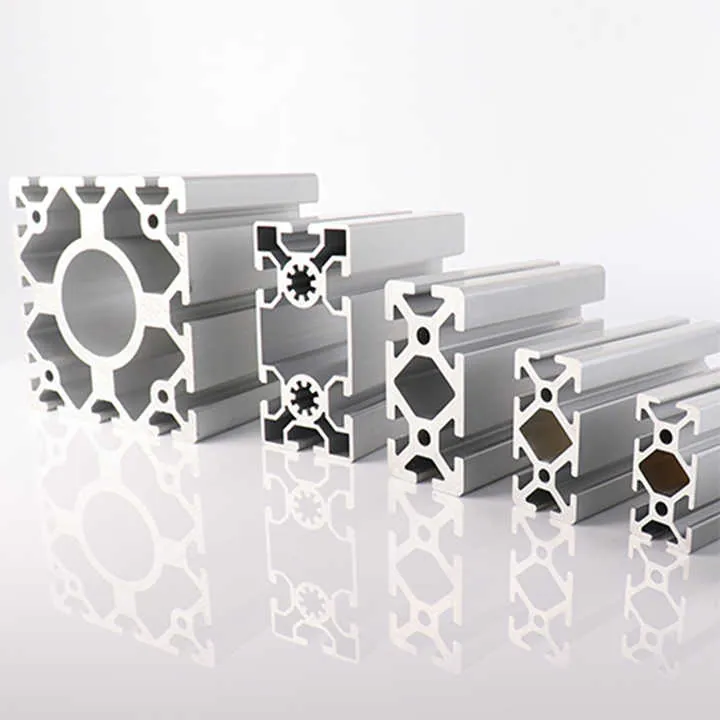
Jak povlaky ovlivňují elektrický tok
Eloxování vytváří vrstvu oxidu. Tato vrstva je tvrdá a ochranná. Je také elektrickým izolantem. I tenké anodické vrstvy blokují tok proudu.
Práškové lakování přidává silnější vrstvu polymeru. Ta plně izoluje povrch. Elektrický kontakt musí být navržen kolem něj.
Tepelný vliv nátěrů
Povlaky zpomalují přenos tepla na povrchu. Tím se nemění tepelná vodivost objemu. Ovlivňuje však uvolňování tepla do vzduchu.
Tenké čiré eloxování má omezený vliv. Silné dekorativní eloxování nebo barva snižují účinnost chlazení.
Srovnání běžných nátěrů
| Povrchová úprava | Elektrický náraz | Tepelný dopad |
|---|---|---|
| Povrchová úprava frézováním | Žádné | Žádné |
| Čirý elox | Vysoká izolace | Nízká až střední |
| Tvrdý elox | Úplná izolace | Střední |
| Práškové lakování | Úplná izolace | Vysoká |
Tato tabulka pomáhá kupujícím vybrat správnou povrchovou úpravu pro danou funkci.
Konstrukční řešení používaná v praxi
Inženýři často maskují kontaktní oblasti. To umožňuje uzemnění nebo přenos tepla tam, kde je to potřeba. Další metodou je následné obrábění po nanesení povlaku.
Dobrá komunikace mezi kupujícím a vytlačovatelem je rozhodující. Povrchová úprava by měla být definována funkčními zónami, nejen barvou nebo tloušťkou.
Eloxování vytváří na hliníkových výliscích elektricky izolační vrstvu.Pravda
Oxidová vrstva blokuje tok elektrického proudu.
Práškové lakování zlepšuje elektrickou vodivost hliníkových výlisků.False
Práškový nátěr je polymerní vrstva a působí jako izolant.
Které slitiny splňují požadavky na vysokou vodivost?
Výběr nesprávné slitiny způsobuje snížení výkonu. Mnoho silných slitin je špatně vodivých. Vysoká vodivost vyžaduje jasné priority.
Vysoce vodivé hliníkové výlisky obvykle používají slitiny 1xxx nebo 6xxx s řízeným složením a popouštěním pro vyvážení pevnosti a vodivosti.
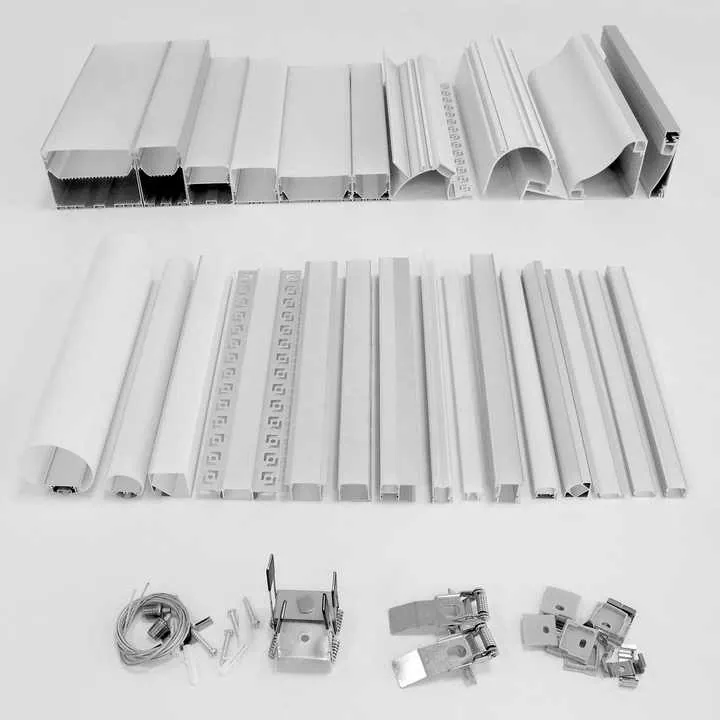
Skupiny slitin a vodivost
Nejlépe vede čistý hliník. Chybí mu však pevnost. Legující prvky snižují množství volných elektronů. To snižuje vodivost.
Nejběžnějším kompromisem je řada 6xxx. Nabízí dobrou pevnost, odolnost proti korozi a přijatelnou vodivost.
Běžně používané slitiny
Níže je uvedeno praktické srovnání.
| Slitina | Úroveň vodivosti | Úroveň síly | Typické použití |
|---|---|---|---|
| 1070 | Velmi vysoká | Velmi nízká | Přípojnice |
| 1350 | Vysoká | Nízká | Elektrické vodiče |
| 6063 | Středně vysoká | Střední | LED a rámečky |
| 6061 | Střední | Vysoká | Konstrukční části |
Tato tabulka ukazuje, proč žádná slitina není ideální pro všechny úlohy.
Řízení teploty a procesu
Teplota ovlivňuje vodivost. Nadměrné stárnutí snižuje pevnost, ale zlepšuje vodivost. Nedostatečné stárnutí působí opačně.
Extrudéry upravují dobu stárnutí tak, aby splňovaly cíle. Kupující by měli včas uvést požadavky na vodivost. Pozdější změny jsou nákladné.
Zkušenosti s reálnými projekty
V jednom projektu si kupující vybral silnou slitinu. Pozdější testování ukázalo nadměrné teplo. Náprava si vyžádala změnu slitiny a aktualizaci nástrojů. To zpozdilo uvedení na trh.
Jasné cíle vodivosti ve fázi RFQ tomuto riziku předcházejí. Pomáhá také dodavatelům vybrat správné procesní okno.
Čisté slitiny hliníku poskytují nejvyšší elektrickou vodivost.Pravda
Menší počet legujících prvků umožňuje lepší tok elektronů.
Silnější hliníkové slitiny mají vždy vyšší vodivost.False
Přidané legující prvky zvyšují pevnost, ale snižují vodivost.
Závěr
Vodivost hliníkových výlisků závisí na normách, slitině, temperaci a povrchové úpravě. Elektrické a tepelné potřeby je třeba definovat včas. Jasné specifikace a testování pomáhají vyhnout se selhání a přepracování návrhu.