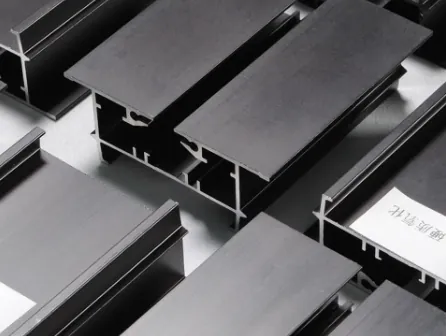
Omezení poměru extruze hliníkových profilů?

Vytlačování hliníku často selhává, když je poměr příliš posunut. Profily praskají, nástroje se lámou a náklady rychle rostou. Mnoho kupujících se s tímto problémem setkává až poté, co jsou výkresy již opraveny.
Poměr vytlačování hliníkových profilů je omezen napětím při toku kovu, stavem polotovaru, pevností matrice, typem slitiny a schopností lisu. Jakmile některý z faktorů dosáhne svého limitu, stabilní vytlačování již není možné.
Mnozí konstruktéři požadují vyšší převodové poměry, aby snížili hmotnost nebo zkrátili dobu obrábění. To dává smysl. Vytlačování však není neomezené. Znalost skutečných limitů pomáhá vyhnout se předělávkám, zpožděním a rizikům v oblasti kvality.
Co omezuje poměr vytlačování u hliníkových profilů?
Poměr vytlačování hliníku je podíl průřezu polotovaru a konečného průřezu profilu. Teoreticky platí, že vyšší je lepší. V praxi se velmi brzy objeví několik fyzikálních limitů.

První tvrdá mez vychází z napětí při proudění kovu. Hliník se musí deformovat a projít otvorem zápustky. S rostoucím poměrem odpor rychle roste. Lis musí vyvinout mnohem větší sílu. Jakmile požadovaná síla překročí kapacitu lisu, přestane být vytlačování možné.
Druhým limitem je pevnost matrice. Vysoký poměr znamená tenké otvory v matrici a velké délky ložisek. Zvyšuje se napětí uvnitř matrice. Pokud napětí překročí pevnost oceli matrice, dochází k prasklinám nebo zlomení. Životnost nástroje prudce klesá ještě před jeho selháním.
Třetí limit vychází z teploty. Při vyšších poměrech vzniká větší tření a deformační teplo. Pokud teplota kovu příliš vzroste, objeví se trhání povrchu a horké zkraty. Pokud teplota příliš klesne, zastaví se průtok a dojde k nárůstu tlaku.
Meze mechanické síly
Vytlačovací síla roste téměř lineárně s vytlačovacím poměrem pro stejnou slitinu a velikost polotovaru. Lisovací kapacita proto stanovuje pevný strop.
| Faktor | Vliv na vytlačovací poměr |
|---|---|
| Tonáž lisu | Přímý limit |
| Průměr sochoru | Větší polena umožňují vyšší poměry |
| Stav kontejneru | Opotřebované kontejnery snižují maximální poměr |
Pokud je síla příliš velká, lisovací součásti se rychleji unaví. Dlouhodobé poškození často stojí více než změna konstrukce.
Limity namáhání matrice
Napětí v zápustce se nestupňuje jemně. Jakmile se otvory zúží, prudce stoupá.
- Tenká žebra zvyšují napětí
- Dlouhá ložiska zvyšují napětí
- Asymetrické profily zvyšují napětí
Jakmile je napětí v zápustce příliš vysoké, dojde k náhlému selhání. Varování je malé.
Stabilita toku kovů
Vysoké poměry zvyšují nevyváženost průtoku. Některé zóny zrychlují, zatímco jiné zaostávají. To způsobuje:
- Kroucení
- Klanění
- Povrchové linie
- Vnitřní dutiny
Stabilní průtok je s rostoucím poměrem stále obtížnější.
Poměr vytlačování je omezen především lisovací silou a pevností matrice.Pravda
Vyšší vytlačovací poměry zvyšují potřebnou sílu a vnitřní namáhání matrice, dokud není dosaženo limitů zařízení nebo nástrojů.
Poměr vytlačování hliníku nemá žádnou skutečnou horní hranici, pokud je rychlost dostatečně snížena.False
I při velmi nízkých otáčkách je kapacita lisu, pevnost matrice a fyzikální vlastnosti toku kovu pevně omezují.
Jak ovlivňuje volba slitiny dosažitelný poměr?
Všechny hliníkové slitiny se netlačí stejně. Na výběru slitiny často záleží více než na velikosti lisu.
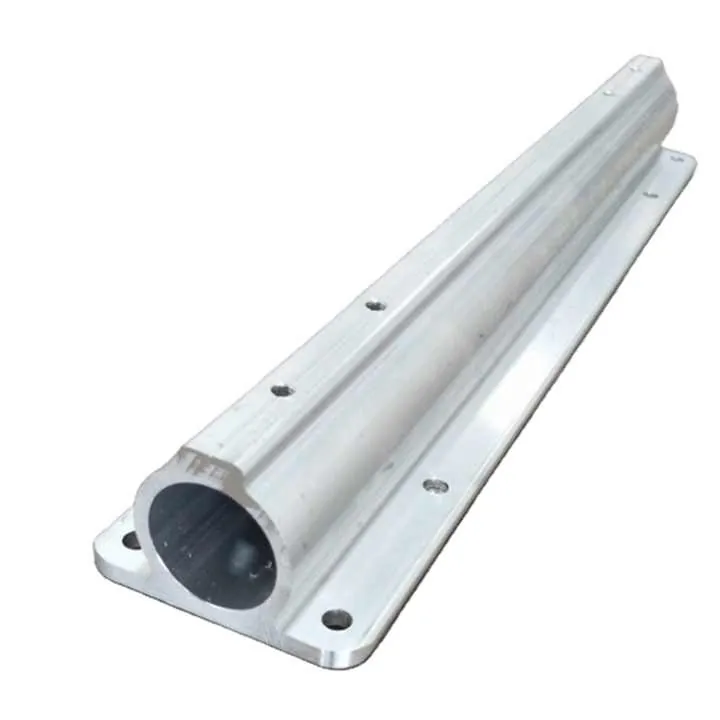
Měkké slitiny snadno tečou. Tvrdé slitiny odolávají deformaci. To přímo ovlivňuje dosažitelný poměr vytlačování.
Slitiny 6xxx jsou nejvhodnější pro vytlačování. 6063 umožňuje mnohem vyšší poměry než 6061. 6082 umožňuje nižší poměry než obě. Slitiny 7xxx jsou mnohem omezenější.
Rozdíly napětí při proudění podle slitiny
Každá slitina má při teplotě vytlačování jiné napětí toku. Vyšší napětí při proudění znamená větší sílu a nižší maximální poměr.
| Rodina slitin | Schopnost relativního vytlačovacího poměru |
|---|---|
| 1xxx | Velmi vysoká |
| 3xxx | Vysoká |
| 5xxx | Střední |
| 6xxx | Vysoká až střední |
| 7xxx | Nízká |
6063-T5 může za dobrých podmínek často dosáhnout poměru nad 80:1. 6061-T6 může mít problémy s poměrem nad 50:1. Některé slitiny 7xxx jsou omezeny na méně než 20:1.
Chemické účinky slitiny
Drobné chemické změny mají význam.
- Vyšší obsah hořčíku zvyšuje pevnost, ale snižuje průtok
- Křemík zlepšuje vytlačitelnost
- Měď snižuje vytlačitelnost
Recyklovaný obsah může také zvýšit obsah nečistot, což snižuje konzistenci toku při vysokých poměrech.
Vliv tepelného zpracování
Vytlačování se provádí za horka, ale na reakci slitiny stále záleží.
- Homogenizované polotovary lépe tečou
- Špatná homogenizace zvyšuje tlakové špičky
- Nerovnoměrný chemický složení polotovarů způsobuje nevyváženost toku
Volba nesprávné slitiny pro tenký profil často vede k překročení bezpečných mezí.
Hliník 6063 obvykle dosahuje vyšších vytlačovacích poměrů než 6061.Pravda
6063 má nižší napětí při toku a lepší vytlačitelnost, což umožňuje vyšší poměry za podobných podmínek.
Všechny slitiny 6xxx mají téměř identické limity vytlačovacího poměru.False
Dokonce i v rámci jedné rodiny způsobují chemické a pevnostní rozdíly velké rozdíly v dosažitelných poměrech.
Mohou tenkostěnné profily dosáhnout vysokých vytlačovacích poměrů?
Tenké stěny jsou nejčastějším důvodem, proč jsou vytlačovací poměry příliš vysoké.

Na mnoha výkresech je tloušťka stěny snížena z důvodu úspory hmotnosti. Tenké stěny však zároveň zvyšují poměr vytlačování a napětí v zápustce. To je nebezpečná kombinace.
Tloušťka stěny v závislosti na poměru
S klesající tloušťkou stěny se zmenšuje plocha profilu. Poměr rychle roste.
| Tloušťka stěny | Typický rozsah bezpečného poměru |
|---|---|
| Nad 3,0 mm | 30:1 až 60:1 |
| 2,0 až 3,0 mm | 40:1 až 80:1 |
| 1,0 až 2,0 mm | 50:1 až 100:1 |
| Pod 1,0 mm | Vysoce rizikové |
Tenké stěny pod 1,2 mm často vyžadují speciální slitiny, nízké rychlosti a krátkou životnost matrice.
Problémy s rovnováhou toku
Tenké části se ochlazují rychleji. Silné části zůstávají déle horké. To způsobuje nerovnoměrné proudění.
- Tenké stěny brzy zamrzají
- Silné stěny udržují tok
- Profil se na výstupu zkresluje
Vysoký poměr to ještě zhoršuje, protože rozdíly v rychlosti proudění rostou.
Strukturální limity výlisku
Velmi tenké stěny vyžadují velmi tenké zápustky. Tyto jazyky se při vysokém zatížení ohýbají nebo lámou.
I když je vytlačování možné, může být míra zmetků vysoká.
Tenké stěny mohou dosáhnout vysokých poměrů pouze tehdy, když:
- Slitina je měkká
- Tisk je velký
- Rychlost je velmi nízká
- Konstrukce matrice je optimalizovaná
To prudce zvyšuje náklady.
Tenkostěnné hliníkové profily mohou dosáhnout vysokých vytlačovacích poměrů pouze za kontrolovaných podmínek.Pravda
Tenké stěny zvyšují napětí v zápustce a nerovnováhu toku, což vyžaduje optimalizaci slitiny, rychlosti a nástrojů.
Tloušťka stěny má na limity vytlačovacího poměru malý vliv.False
Tloušťka stěny přímo ovlivňuje plochu profilu, napětí v zápustce a stabilitu toku kovu.
Které výrobní parametry definují maximální vytlačovací poměry?
I v případě správné slitiny a konstrukce rozhodují o konečné hranici výrobní parametry.
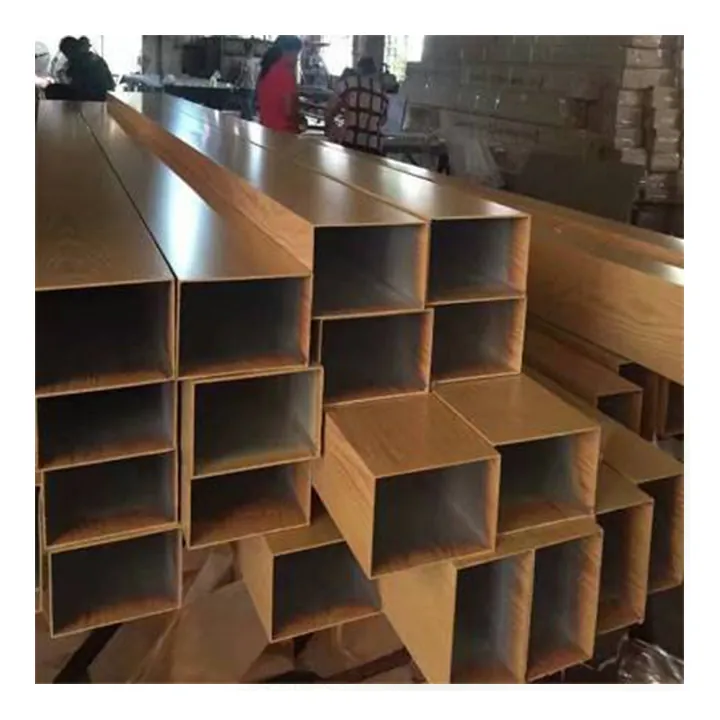
Tyto parametry jsou často nastavitelné, ale pouze v úzkém bezpečném rozsahu.
Teplota polotovaru
Teplota sochoru řídí napětí proudění.
- Příliš nízký tlak: tlakové špičky, poškození těla
- Příliš vysoká: trhání povrchu, růst zrn
Vyšší převodové poměry vyžadují vyšší teplotu polotovaru, ale jen do určité míry.
Rychlost vytlačování
Pomalejší otáčky mírně snižují tlak a zlepšují stabilitu proudění.
- Vysoký poměr často vyžaduje nízkou rychlost
- Příliš pomalé snižuje produktivitu
- Příliš rychlé způsobuje povrchové vady
Nastavení rychlosti nemůže překonat limity lisu nebo matrice.
Mazání a stav nádoby
Tření zvyšuje zatížení.
- Opotřebované nádoby zvyšují tření
- Špatné mazání zvyšuje tlak
- Znečištěné povrchy polotovarů zvyšují odolnost
Dobrá údržba může prodloužit mezní hodnoty poměru o 5 až 10 procent.
Parametry konstrukce matrice
Konstrukce matrice je největší pákou po výběru slitiny.
- Délka ložiska řídí průtok
- Kapesní konstrukce vyrovnává rychlost
- Kvalita zápustkové oceli ovlivňuje pevnost
Špatný návrh matrice může snížit dosažitelný poměr na polovinu.
| Parametr | Vliv na maximální poměr |
|---|---|
| Teplota kulatiny | Střední |
| Rychlost | Střední |
| Konstrukce matrice | Vysoká |
| Údržba | Střední |
Tuhost a vyrovnání lisu
Starší lisy se při zatížení více prohýbají. To způsobuje nerovnoměrný tok a koncentraci napětí v lisu. Moderní lisy zvládají vysoké poměry lépe i při podobné tonáži.
Konstrukce formy má větší vliv na maximální vytlačovací poměr než rychlost vytlačování.Pravda
Optimalizovaná geometrie matrice zlepšuje průtok a snižuje napětí mnohem více než samotné změny rychlosti.
Zvýšením teploty polotovaru lze vždy bezpečně zvýšit vytlačovací poměr.False
Příliš vysoká teplota způsobuje povrchové vady a nestabilitu materiálu.
Závěr
Poměr vytlačování hliníku je omezen fyzikou, nástroji, slitinou a řízením procesu. Překročení těchto limitů zvyšuje náklady a rizika. Včasné pochopení skutečných hranic vede k lepším návrhům a stabilní výrobě.