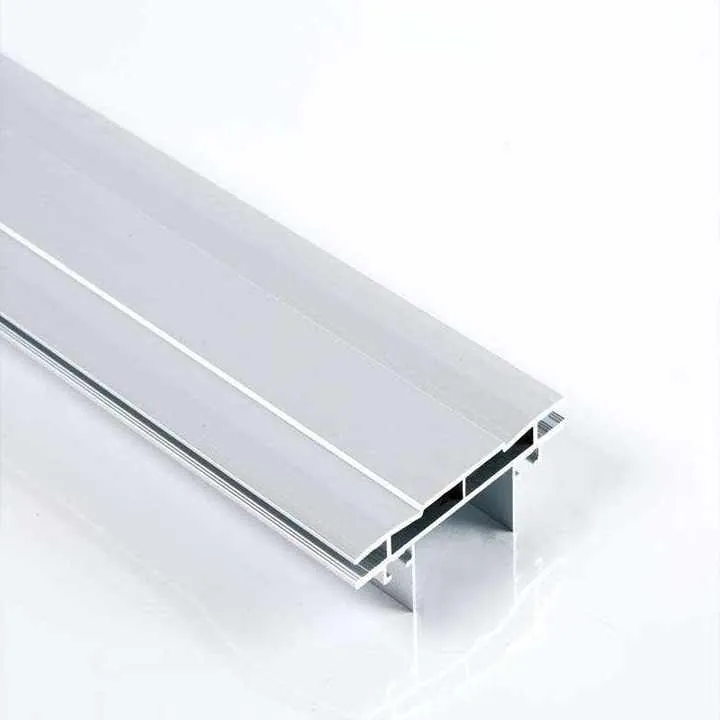
Metoda měření rovnosti hliníkových výlisků?
Extrudované hliníkové profily mohou projít vizuální kontrolou, ale přesto mohou být nefunkční kvůli mírným ohybům nebo zkroucení. I malé odchylky mohou ovlivnit přesnost a stabilitu montáže.
Měření přímočarosti kontroluje, zda profil zůstává v přijatelném oblouku nebo zakřivení po celé své délce - zajišťuje, že díly budou správně pasovat a fungovat.
Pochopení způsobu měření a kontroly rovinnosti pomáhá předcházet vrácení, přepracování nebo zastavení montážní linky.
Jaké nástroje se používají k měření přímosti profilu?
Profily se mohou zdát rovné, ale k potvrzení jejich lineární celistvosti na vzdálenost několika metrů jsou zapotřebí přesné nástroje. Různé nástroje slouží různým potřebám v závislosti na geometrii profilu a požadované toleranci.
Přímost hliníkových výlisků lze měřit pomocí pravítek, povrchových desek s číselníkovými indikátory, laserových skenerů nebo 3D souřadnicových měřicích strojů (CMM).
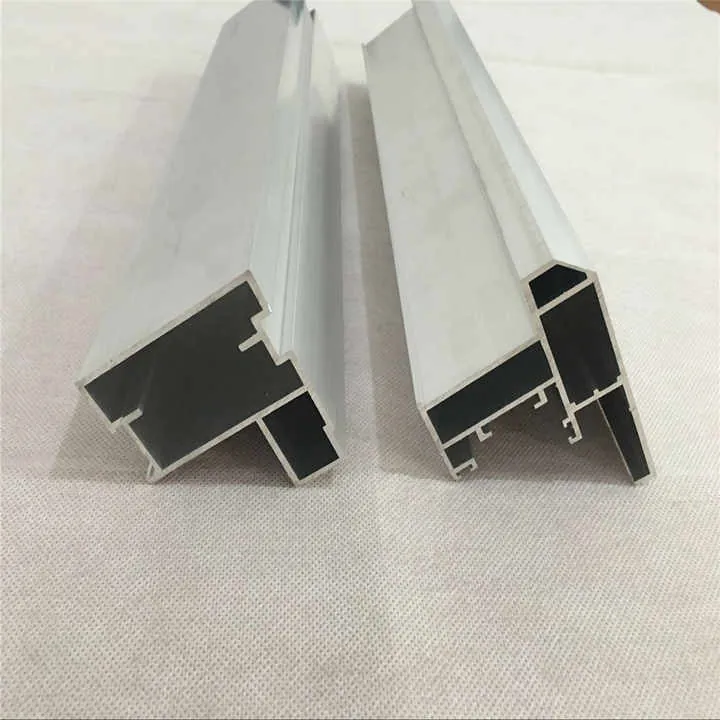
Zde je přehled běžných nástrojů:
| Nástroj | Jak to funguje | Nejlepší pro |
|---|---|---|
| Přímka a měřidlo | Přiložte pravítko podél profilu; změřte mezeru pomocí měřidla. | Rychlá ruční kontrola krátkých nebo standardních dílů |
| Povrchová deska + číselníkový indikátor | Umístěte profil na rovnou desku; změřte odchylku pomocí číselníkového měřidla. | Přesné lokální měření na rovných plochách |
| Laserový liniový skener | Laserové snímání celého profilu pro zjištění zakřivení nebo prohnutí | Dlouhé profily, vysoké nároky na přesnost |
| 3D souřadnicový měřicí stroj (CMM) | Digitální sondování bodů podél profilu pro mapování odchylek | Složité průřezy nebo kritické aplikace |
| Optický profilový projektor | Projekce tvaru profilu a porovnání se šablonou | Menší úseky nebo opakované kontroly |
Každá metoda má své výhody a nevýhody. Ruční nástroje jsou levné, ale časově náročné. Laserové a souřadnicové měřicí stroje jsou rychlé a přesné, ale stojí více. Pro běžnou výrobu mnoho továren kombinuje obojí: rychlé kontroly na lince, podrobné skenování v laboratoři.
Číselníky na povrchové desce umožňují přesné měření místní odchylky.Pravda
Tato metoda detekuje malý oblouk nebo ohyb pomocí známé roviny.
Laserové skenery nejsou vhodné pro kontrolu přímosti výtlaku.False
Laserové skenery se běžně používají pro dlouhé profily a poskytují rychlé výsledky s vysokým rozlišením.
Jak se vypočítá odchylka od přímosti?
Nestačí vědět, že profil není přímý, ale musíme kvantifikovat, jak moc se po celé délce odchyluje od skutečné přímky. Díky tomu je měřitelný a srovnatelný.
Odchylka od přímosti se vypočítá změřením maximální mezery mezi profilem a referenční čarou nebo rovinou a následně se uvede v milimetrech na metr nebo v celkové úkloně.

Zde se dozvíte, jak změřit a vypočítat rovinnost:
- Umístěte profil na rovný povrch nebo jej vyrovnejte vedle známého pravítka.
- K měření použijte měrku nebo číselníkový indikátor. největší mezera mezi profilem a referencí.
- Všimněte si celkový luk nebo vypočítat odchylku na jednotku délky, například mm/m.
- Při použití digitálních nástrojů (laser/CMM) software často automaticky vypočítá maximální odchylku.
Příklad výpočtu:
- Délka profilu: 4 metry
- Naměřený maximální příklon ve středním bodě: 2,0 mm
- Odchylka přímosti: 2,0 mm ÷ 4 m = 0,5 mm/m
V tomto případě má profil prohnutí 0,5 mm na metr - přijatelné nebo nepřijatelné v závislosti na dohodnuté toleranci.
Lze také zkontrolovat více bodů, aby bylo možné zjistit postupné ohýbání a ostré deformace. U dutých nebo tenkostěnných profilů mohou i malé odchylky ovlivnit uložení nebo pevnost.
Odchylka přímočarosti se vypočítá vydělením maximálního příklonu délkou profilu.Pravda
Tím se získá standardní jednotka mm/m, což usnadňuje porovnávání různých velikostí.
Odchylku od rovnosti nelze kvantifikovat a posuzuje se vizuálně.False
Správné měřící nástroje a metody výpočtu poskytují přesné hodnoty příklonu nebo zakřivení.
Jsou laserové metody lepší pro dlouhé profily?
Laserové systémy se rychle stávají standardem v laboratořích kvality - zejména tam, kde profily přesahují 3 metry nebo kde je třeba dodržet přísné tolerance.
Ano, laserové skenery nabízejí vyšší rychlost, přesnost a kontrolu po celé délce, takže jsou ideální pro dlouhé hliníkové profily nebo velkosériovou výrobu.

Výhody laserových metod:
- Bezkontaktní měření - zabraňuje fyzickému zkreslení při kontrole.
- Skenuje po celé délce - nejen náhodný výběr vzorků
- Rychlé a automatizované - dokáže zkontrolovat desítky profilů za hodinu.
- Výsledky v reálném čase - okamžité označení vyhověl/nevyhověl
- 3D mapování profilu - zjistit nejen prohnutí, ale také zkroucení, deformace a promáčknutí.
Tyto systémy jsou užitečné zejména pro:
- Konstrukční hliníkové profily pro architekturu
- Lineární kolejnicové výlisky pro automatizační zařízení
- Montážní systémy solárních panelů, kde záleží na umístění
- Automobilové nebo letecké díly s přísnými tolerancemi tvaru
Laserové skenery obvykle pracují s vlastním softwarem, který v reálném čase vizualizuje profilovou křivku a porovnává ji s nominálními daty CAD. Obsluha okamžitě vidí jakoukoli odchylku a zaznamenává výsledky pro dávkovou evidenci.
Některé vytlačovací závody také integrují laserové skenery. in-line, což umožňuje korekci procesu v reálném čase. Pokud se profil začne ohýbat, lze upravit chlazení nebo napnutí bez zastavení výroby.
Laserové skenování umožňuje rychlé, celoplošné a velmi přesné měření přímosti.Pravda
Dokáže detekovat i malé odchylky a mapovat geometrii profilu na dlouhých úsecích.
Laserové nástroje jsou pomalejší než ruční kontrola rovinnosti pomocí měrky.False
Laserové nástroje jsou rychlejší a dokáží rychle a přesně změřit více profilů.
Jaké toleranční meze se vztahují na přímost vytlačování?
Tolerance definují, co se považuje za přijatelné a co za vadné. U rovnosti závisí na délce profilu, aplikaci a specifikaci zákazníka.
Typická tolerance přímosti se pohybuje od 0,5 mm/m u standardních profilů do 0,3 mm/m u přesných dílů a až do 1 mm/m u méně kritických aplikací.
Neexistuje žádné jednotné globální pravidlo - ale průmyslové pokyny uvádějí společné hodnoty:
| Délka profilu | Typická tolerance přímosti |
|---|---|
| 1-2 metry | ± 0,3 až 0,5 mm na metr |
| 2-4 metry | ± 0,5 mm na metr |
| Více než 4 metry | ± 0,7 až 1,0 mm na metr |
| Vysoce přesné díly | ± 0,1-0,3 mm na metr (podle specifikace) |
Tolerance mohou být u profilů přísnější:
- Jsou používány v mechanické sestavy
- Musí vyrovnání s upevňovacími prvky nebo kolejnicemi
- Jsou součástí rámy nebo skříně strojů
- Bude CNC obrábění nebo vrtání po vytlačování
Kupující by měli vždy uvádět toleranci rovinnosti ve výkresech nebo kupní smlouvy. V opačném případě mohou dodavatelé používat standardní interní normy, které nemusí odpovídat konečnému použití.
Některé továrny používají různé tolerance v závislosti na slitině, tloušťce profilu a složitosti matrice. U kritických projektů mohou klienti dokonce požadovat certifikát rovinnosti s údaji o zkouškách pro jednotlivé šarže.
Standardní tolerance přímosti vytlačování je obvykle 0,5 mm na metr, pokud není uvedeno jinak.Pravda
Jedná se o široce používaný benchmark v průmyslu pro profily pro všeobecné použití.
Tolerance přímosti nezávisí na délce profilu ani na použití.False
Delší nebo kritičtější profily často vyžadují přísnější kontrolu. Tolerance se liší v závislosti na případu použití.
Závěr
Rovnost se netýká jen vzhledu - má vliv na přizpůsobení, funkci a výkon. Ať už používáte jednoduché rovinoměry nebo pokročilé laserové skenery, klíčem k úspěchu je přesné měření odchylek, jejich jasná dokumentace a zajištění, aby každá šarže splňovala dohodnutou toleranci. Zejména u dlouhých nebo přesných profilů znamená dobrá rovinnost méně starostí v dalším průběhu výroby.