Požadavky na práškové lakování hliníkových výlisků?

Poruchy práškového lakování hliníku - odlupování, nerovnoměrná barva, špatná přilnavost - mohou zničit zakázkové výlisky ještě před použitím. Toto riziko děsí zákazníky a poškozuje pověst.
Správné požadavky na práškové lakování extrudovaného hliníku zajišťují silnou přilnavost, rovnoměrnou barvu, dlouhou životnost a konzistentní vzhled.
Pokud je proces dobře řízen, hotové díly vypadají dobře a odolávají povětrnostním vlivům po dlouhá léta. Níže vysvětluji jednotlivé kroky, proč je důležité čištění, problémy s barvou a specifikace, které dodržujeme.
Přechod od surových výlisků k plně hotovým vyžaduje několik pečlivých kroků. Pojďme se jednotlivým klíčovým otázkám věnovat hlouběji.
Jaké jsou klíčové kroky při nanášení práškové barvy na výlisky?
Práškové lakování se zdá být jednoduché. Vynechání jednoho kroku však často vede k vadám nebo slabému povlaku.
Klíčovými kroky jsou: předběžná úprava a čištění, sušení, nanášení prášku (nástřik), vytvrzování v peci a kontrola kvality - každý z nich je nezbytný pro konzistentní a trvanlivý povrch.

Přehled krok za krokem
Práškové lakování hliníkových výlisků zahrnuje tyto hlavní kroky. Každý z nich musí být proveden pečlivě.
| Krok | Účel | Typická praxe |
|---|---|---|
| Předúprava a čištění | Odstranění olejů, oxidů, nečistot a znečištění | Alkalické odmašťování, leptání kyselinou nebo konverzní nátěr, oplachování |
| Sušení | Před nanesením nátěru se ujistěte, že nezůstala žádná vlhkost | Sušení horkým vzduchem nebo v sušičce při řízené teplotě |
| Aplikace prášku | Naneste rovnoměrnou vrstvu prášku na celý povrch | Elektrostatický nástřik nebo fluidní vrstva pro složité profily |
| Léčba | Tavení a tavení prášku do hladkého, tvrdého povlaku. | Vytvrzování v troubě při 160-200 °C po stanovenou dobu v závislosti na typu prášku. |
| Chlazení a kontrola | Kontrola vad, přilnavosti, rovnoměrnosti, tloušťky | Vizuální kontrola, zkouška přilnavosti, tloušťkoměr, kontrola lesku |
Předúprava je často nejkritičtější. Pokud není povrch důkladně vyčištěn, prášek nemůže správně přilnout. I stopa oleje nebo prachu způsobuje pozdější odlupování. Důležité je vysušení, aby se pod nátěrem nezachytila vlhkost, která vede ke vzniku puchýřů nebo dutin.
Prášek se musí nanášet na všechny povrchy, včetně prohlubní, rohů a vnitřních kanálů lisovaných profilů. U složitých tvarů nemusí elektrostatický nástřik dosáhnout na všechny plochy. Některé dílny používají k otáčení profilů fluidní lože nebo speciální háky.
Vytvrzováním se suchý prášek změní na souvislý film. Teplota musí odpovídat typu prášku a slitině. Přehřátí může ovlivnit temperaci slitiny. Při nedostatečném zahřátí vzniká měkký, křídový povlak, který se snadno odštěpuje.
Po vytvrzení kontrola včas odhalí vady. Tloušťka nátěru, rovnoměrnost barvy, lesk, přilnavost - to vše musí odpovídat specifikaci. Pokud se objeví nějaký problém, může být nutné šarži přepracovat nebo vyřadit.
Díky tomuto pracovnímu postupu poskytuje práškové lakování vždy silnou, odolnou a atraktivní povrchovou úpravu hliníkových profilů.
Předúprava a čištění jsou volitelné kroky při nanášení práškových barev na hliníkové výlisky.False
Bez předběžné úpravy zabraňují nečistoty dobré přilnavosti a povlak se může odlupovat nebo tvořit puchýře.
Teplota vytvrzování musí odpovídat typu použitého prášku a slitiny, aby byl zajištěn správný povlak.Pravda
Správné vytvrzení zajistí, že se prášek roztaví a spojí, aniž by došlo k poškození hliníkového temperu nebo ke vzniku měkkého povlaku.
Jak předúprava ovlivňuje trvanlivost nátěru?
Vynechání nebo nedostatečná předběžná úprava často způsobí poruchu několik měsíců po dodání - odlupování, koroze nebo nerovnoměrná povrchová úprava se projeví až při používání dílů.
Správná předběžná úprava odstraňuje oleje, oxidaci a znečištění. Zajišťuje pevné spojení prášku s hliníkem a odolnost vůči vlivům prostředí po dlouhá léta.
Metody předúpravy a jejich vliv
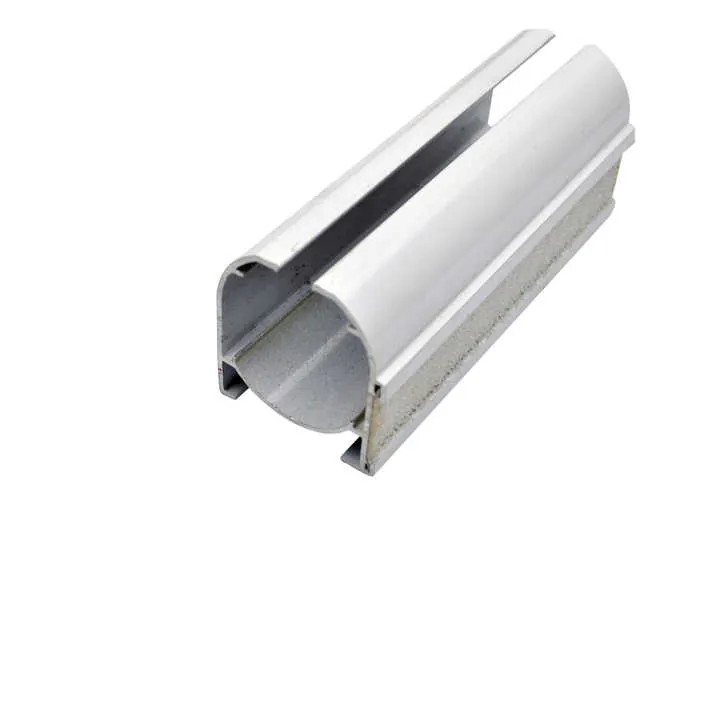
Předběžná úprava čistí a připravuje povrch. Mezi běžné předúpravy patří alkalické odmašťování, leptání kyselinou, konverzní nátěr a oplachování. Každá z nich má svou úlohu.
- Alkalické odmašťování odstraňuje olej, mastnotu, otisky prstů, zbytky řezné kapaliny - běžné po vytlačování nebo CNC obrábění.
- Leptání kyselinou nebo mírné ponoření do kyseliny pomáhá odstraňovat oxid a vytváří mírně drsný profil pro lepší mechanické lepení.
- Konverzní povlak (chromátový nebo fosfátový) přidává tenkou chemickou vrstvu, která zlepšuje přilnavost a odolnost proti korozi.
- Opláchnutí čistou vodou zajistí, že nezůstanou žádná rezidua.
- Sušení odstraňuje vlhkost před aplikací pudru.
Pokud je předúprava slabá nebo je vynechána:
- Prášek nemusí dobře držet - při manipulaci se může odlupovat nebo odlupovat.
- Přilnavost nátěru v rozích nebo hlubokých kanálech je slabá.
- Pokud pod nátěrem zůstanou nečistoty, může začít koroze - pod nátěrem se může objevit rez nebo bílá oxidace.
- Barva a lesk jsou nerovnoměrné kvůli skrytému oleji nebo zbytkům pod nátěrem.
Kvalita předúpravy často určuje konečnou životnost nátěru více než typ nebo tloušťka prášku. I ty nejlepší prášky selhávají na znečištěných površích.
Tabulka předúpravy a trvanlivosti
| Proces předúpravy | Vliv na trvanlivost nátěru | Riziko v případě opomenutí nebo slabého místa |
|---|---|---|
| Alkalické odmašťování | Odstraňuje oleje a prach; podporuje lepení | Nátěr nemusí přilnout; bublinky, odlupování |
| Leptání kyselinou / mírné ponoření | Odstraňuje oxid; mírně leptá povrch | Špatné lepení v rozích nebo na hranách |
| Konverzní povlak | Přidává vrstvu mikrokotvy; zlepšuje odolnost proti korozi | Povlak se může při namáhání nebo působení soli zvedat |
| Správné oplachování a sušení | Zabraňuje zachycování nečistot nebo tvorbě puchýřů od vlhkosti. | Plíseň, nerovnoměrný lesk, ztráta přilnavosti |
Předběžná úprava také ovlivňuje chování povlaku při namáhání. U venkovních dílů vystavených dešti, vlhkosti, UV záření nebo slanému vzduchu znamená špatná předběžná úprava brzké selhání nátěru. To poškozuje nejen vzhled, ale také odhaluje holý kov. To může odstartovat korozi a snížit životnost.
U dlouhých výlisků se složitými tvary se musí čištění a oplachování dostat do všech prohlubní. Jinak zůstanou skryté kapsy znečištění. Taková skrytá místa se často stávají místem poruchy.
Vždy doporučuji v objednávkách nebo smlouvách výslovně specifikovat způsob předběžné úpravy. Například: “Hliník musí být vyčištěn v alkalické lázni, důkladně opláchnut, opatřen konverzním nátěrem a poté do 8 hodin zaprášen.” To zajistí konzistenci a sníží riziko selhání povlaku.
Konverzní nátěr před nanášením práškové barvy zlepšuje přilnavost a odolnost proti korozi.Pravda
Konverzní nátěr přidává vrstvu chemického pojiva, která pomáhá práškovému laku přilnout a odolává degradaci vlivem prostředí.
Opláchnutí po čištění není povinné, pokud se povrch zdá být čistý.False
Bez řádného opláchnutí mohou zůstat zbytky čištění nebo stopy po čisticí lázni, které mohou narušit přilnavost prášku nebo později způsobit tvorbu puchýřů.
Jsou některé barvy náchylnější k vyblednutí?
Světlé nebo tmavé barvy často vypadají na první pohled skvěle. Ale pod vlivem slunce, deště nebo znečištění některé blednou nebo ztrácejí lesk rychleji než jiné. To poškozuje dlouhodobý vzhled.
Ano. Některé barvy - zejména tmavé, zářivé nebo metalické odstíny - pod vlivem UV záření a povětrnostních vlivů blednou nebo mění lesk více. Světlejší nebo neutrální barvy si obvykle déle udrží vzhled.

Proč některé barvy blednou rychleji
Práškové pigmenty a pryskyřice reagují různě na UV záření, teplo a zátěž prostředí. Faktory ovlivňující blednutí:
- Typ pigmentu: Organické pigmenty (jasně červené, modré, žluté) se pod UV zářením rozkládají rychleji než anorganické nebo kovové pigmenty.
- Složení pryskyřice: Některé prášky používají pryskyřice méně odolné vůči UV záření nebo vlhkosti. Tyto nátěry se křídují, blednou nebo ztrácejí lesk.
- Povrchová úprava a úroveň lesku: Na lesklých nátěrech se snáze objevují škrábance a otupení než na matných.
- Životní prostředí: Pobřežní oblasti, vysoké slunce, kyselé deště, znečištění urychlují blednutí a korozi pod nátěrem.
Tabulka trvanlivosti barev
| Typ barvy / odstín | Běžná rizika vyblednutí | Nejlepší použití nebo úvaha |
|---|---|---|
| Jasné organické barvy | UV blednutí, křídování, ztráta lesku | Použití ve vnitřních prostorách nebo ve stínu; očekává se opakovaný nátěr |
| Tmavé odstíny (černá, tmavě šedá, tmavě modrá) | Absorpce tepla, změna barvy, ztráta lesku | Používejte pouze při použití tepelné regulace a UV inhibitorů. |
| Kovové nebo slídové prášky | Minimální blednutí, dobré zachování lesku | Vhodné pro použití v architektuře nebo venku |
| Světlé neutrální barvy | Nízké riziko vyblednutí, menší absorpce tepla | Vhodné pro venkovní, pobřežní nebo vysoce osluněné oblasti |
Pro architektonické nebo venkovní výlisky - okenní rámy, zábradlí, závěsy - volí mnoho architektů a inženýrů neutrální, světlé nebo kovové barvy. Ty se lépe udržují v čase. Pokud jsou z designových důvodů vyžadovány výrazné nebo tmavé barvy, je rozumné použít práškový lak odolný proti UV záření, bezbarvý vrchní lak s UV těsněním nebo naplánovat po určité době opětovné natírání.
Trvanlivost závisí také na kvalitě prášku a správném vytvrzení. Levné prášky nebo nesprávné vytvrzení mohou rychle křídovat nebo vyblednout, bez ohledu na barvu. Kvalitní prášky určené pro venkovní použití často stojí více, ale ušetří pozdější údržbu.
Často klientům doporučuji, aby si při výběru neobvyklých nebo tmavých odstínů pro venkovní konstrukce vyžádali testy zrychleného odolávání povětrnostním vlivům nebo údaje o blednutí barev. Vyhnete se tak nepříjemným překvapením po několika letech na slunci a dešti.
Tmavé barvy práškových laků absorbují více tepla a na přímém slunečním světle mohou blednout rychleji než světlé barvy.Pravda
Tmavé nátěry absorbují více UV záření a tepla, což urychluje degradaci pigmentu a pryskyřice.
Všechny barvy práškových laků blednou stejně rychle bez ohledu na typ pigmentu a prostředí.False
Rychlost blednutí závisí na stabilitě pigmentu, pryskyřici, kvalitě vytvrzování a působení prostředí - různé barvy a prášky se tedy chovají různě.
Jakými průmyslovými specifikacemi se řídí procesy práškového lakování?
Normy a specifikace poskytují jasné požadavky. Bez nich zůstává “práškové lakování” vágní a nespolehlivé. Dobré specifikace chrání zákazníky i dodavatele.
Průmyslové specifikace, jako jsou ISO, EN a některé národní normy, definují předběžnou úpravu, tloušťku práškového nátěru, odolnost proti korozi, přilnavost, odolnost proti nárazu a barevnou stálost - tyto specifikace jsou vodítkem pro řízení procesů a kontroly.
Běžné specifikace a jejich pokrytí
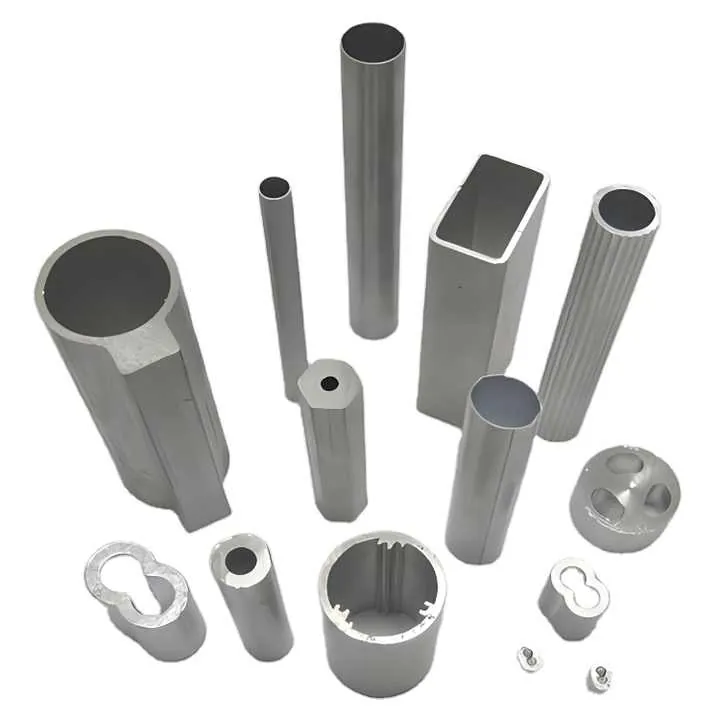
Hlavní specifikace používané po celém světě:
| Specifikace / Standard | Hlavní zaměření | Typické požadavky na hliníkové výlisky |
|---|---|---|
| ISO 12944 (části 5-6) | Antikorozní ochrana a nátěrové systémy | Předúprava, tloušťka nátěru, odolnost proti solnému postřiku pro venkovní použití |
| EN 12206 / EN 15773 | Práškové lakování na kovových podkladech | Příprava povrchu, tloušťka povlaku, přilnavost, odolnost proti nárazu, barevná jednotnost |
| Qualicoat / GSB (průmyslové certifikace) | Značka kvality pro architektonické nátěry | Metoda předúpravy, kvalita prášku, shoda barevných odstínů, sledovatelnost šarží |
| AAMA 2604 / 2605 (americká norma) | Vysoce výkonné nátěry pro architektonické kovy | Zachování lesku, celistvost filmu, odolnost proti solné mlze, odolnost proti povětrnostním vlivům po cyklech |
Tyto specifikace často definují:
- Kroky předúpravy (čištění, konverzní nátěr)
- Minimální tloušťka vrstvy práškového laku (např. 60-80 mikronů suchého filmu)
- Maximální odchylka vrstvy napříč profilem (např. ±15 mikronů)
- Normy pro zkoušky přilnavosti (příčný řez, ohyb, náraz)
- Odolnost proti korozi při solné mlze nebo cyklech vlhkosti (např. 1000 hodin solné mlhy)
- Zachování barvy a lesku po cyklech povětrnostních vlivů
Proč je důležité dodržovat specifikace
Použití certifikované specifikace nebo normy je jednoznačné. Zákazníci a dodavatelé mají stejná měřítka. To snižuje počet sporů o “dobrou povrchovou úpravu” nebo “přijatelné opotřebení”.”
Certifikáty jako Qualicoat nebo GSB prokazují, že prášek, proces a zařízení splňují mezinárodní normy kvality. U architektonických projektů nebo exportních zakázek jsou tyto certifikáty často povinné.
Specifikace jsou také vodítkem pro kontrolu a testování: jaké testy provádět, jak často a jaké výsledky jsou přijatelné. To pomáhá vytvářet systémy kontroly kvality a sledovatelnosti šarží.
Při zpracování nabídek na výlisky se klientů často ptám: “Kterou normu chcete, abychom dodržovali, a potřebujete certifikaci?” Tímto způsobem je jasně definována tloušťka povlaku, předběžná úprava, odolnost vůči životnímu prostředí a zkoušky před zahájením výroby.
Norma EN 12206 definuje zkoušky předběžné úpravy, tloušťky vrstvy, přilnavosti a koroze pro práškově lakovaný hliník.Pravda
Norma EN 12206 (a podobné průmyslové specifikace) stanoví požadavky na přípravu podkladu, tloušťku povlaku, přilnavost a odolnost vůči okolnímu prostředí.
Dodržování uznávané normy pro práškové lakování je volitelné a pro architektonický hliník obvykle zbytečné.False
Normy pomáhají zajistit kvalitu, trvanlivost a konzistenci nátěru; jejich vynechání zvyšuje riziko selhání nátěru nebo sporů.
Závěr
Dobré práškové lakování hliníkových výlisků vyžaduje víc než jen barvu. Správné čištění, nanášení, vytvrzování a testování zajišťuje dlouhotrvající, jednotnou a povětrnostním vlivům odolnou povrchovou úpravu. Dodržování průmyslových specifikací chrání výrobce i zákazníky a přináší spolehlivou kvalitu.