Ohýbají se hliníkové profily?
Lead-in:
Ever tried to bend an aluminum profile only to watch it crack or stay stubborn straight? You might wonder if bending is even possible — and how to make it work.
Feature answer:
Yes, aluminum extrusions can bend. Their ability to bend depends on shape, alloy, thickness, and the method used. With care they can flex or reshape without damage.
If you want to use aluminum extrusions in a bent or curved form, read on to learn what matters — and how to bend safely.
What factors affect extrusion bendability?
Lead-in:
Imagine two metal pieces. One bends softly, one snaps. Why such difference?
Feature answer:
Extrusion bendability depends on alloy grade, extrusion shape, wall thickness, and internal stresses. These factors together decide how easily an extrusion bends without cracking.

In depth:
Key factors for bendability
When deciding if an aluminum extrusion can bend, several things matter.
| Faktor | How it affects bendability |
|---|---|
| Alloy grade (e.g. 6063 vs 6061) | Softer alloys bend easier. Harder alloys resist bending or crack. |
| Cross‑section shape | Solid or complex cross‑section resists bending more. Simple hollow shapes bend easier. |
| Tloušťka stěny | Thinner walls bend easier. Thick walls need more force and risk cracking. |
| Internal stresses from extrusion | If extrusion has residual stress, bending may cause distortions or cracks. |
| Length of the extrusion | Longer sections allow more gradual bending. Short ones bend sharply and may break. |
Alloy and shape matter
Aluminum comes in many grades. Some are more ductile. For example, 6063-T5 is softer than 6061-T6. That softness helps bending. Using a tougher alloy often means bending becomes harder or risk of cracking increases. Also the shape matters. A hollow tube or simple channel bends easier than a heavy solid bar. The more metal there is across the section, the harder bending becomes.
Internal stress and length effect
During extrusion, metal can build internal stress. If stress is uneven, bending may release stress unevenly. That can lead to warping or cracks. Also the length of the piece plays a role. A long extrusion lets you bend with a gentle curve. A short piece may force a sharp bend. Sharp bends mean more stress concentration and risk.
Because several factors overlap, bendability is not a yes‑or‑no but a combination. For a project, check alloy, wall, shape, length, and history before bending.
Alloy grade affects how easily aluminum extrusions can bend.Pravda
Softer alloys are more ductile and tolerate bending more easily; harder alloys resist bending and may crack.
The length of the extrusion does not influence its ability to bend.False
Shorter extrusions force sharper bends which increase risk of cracking; longer extrusions allow gentler curves which ease bending.
Why wall thickness influences bending?
Lead-in:
Feel the difference between a thin sheet and a thick block. Bending a thick block feels harder.
Feature answer:
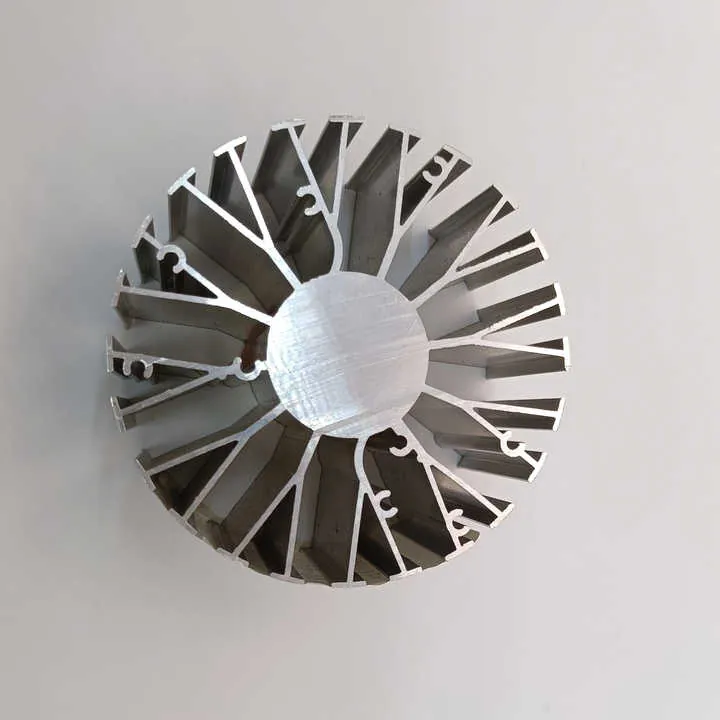
Wall thickness changes stiffness. Thicker walls make extrusion rigid and resistant to bending. Thinner walls allow easier bending, so thickness is critical for bendability.
In depth:
The role of wall thickness in bending
Wall thickness defines how much metal resists bending forces. The thicker the wall, the more force is needed. Thinner walls require less force and bend more easily.
Bending resistance increases fast with thickness
Metal resists bending roughly in proportion to the section’s area and its geometry. A thick wall raises that resistance sharply. For example, doubling wall thickness more than doubles stiffness. That means bending force grows quickly.
Risk of cracking or deformation with thick walls
Thick walls concentrate stress on the outer fibers during bending. The outer surface undergoes stretching, inner surface compressing. If the metal cannot stretch enough, cracks appear. If stress is too high, the inner and outer surfaces may deform unevenly.
Here is a simple comparison of bending difficulty by wall thickness:
| Wall thickness (mm) | Bend effort needed | Risk of cracking / deformation |
|---|---|---|
| 1.5 – 3.0 | Nízká | Low if alloy is ductile |
| 3.0 – 5.0 | Mírná | Moderate, need care |
| 5.0 – 10.0 | Vysoká | High, risk of cracking unless careful methods |
| > 10.0 | Velmi vysoká | Very high, often not feasible |
Practical meaning for design and bending
When designing or ordering extrusions, think about how you may want to bend them later. If you expect curves or angles, choose thinner walls — but not too thin to lose strength. If thick walls are needed for load or structure, plan alternative ways (like welding joints instead of bending the whole piece).
Also check how bending will change wall thickness distribution. In a bend, outer wall becomes slightly thinner. This may weaken structural performance. If that matters, consider reinforcement or different design.
Thicker‑walled extrusions are easier to bend than thinner ones.False
Thicker walls increase stiffness significantly; they require much more force and risk cracks, so they are harder to bend.
Thinner wall extrusions bend more easily but may lose strength after bending.Pravda
Thinner walls reduce bending resistance and make bending easier; after bending outer surface stretches which can reduce structural strength slightly.
How to bend extrusions safely?
Lead-in:
Bending metal blindly might break it. Proper method makes the difference.
Feature answer:
Use controlled bend radius, proper support, correct tooling, and if needed stress‑relief to bend safely. Avoid sharp bends and unsupported spans.

In depth:
Steps to bend extrusions with safety
When bending aluminum extrusions, follow careful steps.
- Support the piece fully along the bend zone. Use fixtures or mandrels if hollow.
- Use a proper bend radius. Choose gentle curves, not sharp angles.
- Apply slow and even force. Avoid sudden bends or hammering.
- Monitor for signs of stress: cracking, deformation, uneven wall thinning.
- After bending, inspect closely for cracks or weak spots.
Why these steps matter
Aluminum bends differently than steel. It is softer but less tolerant for sharp bending. Without support, hollow or thin‑walled extrusions can collapse or warp. Sharp bends concentrate stress at the bend point. That may crack the outer surface or crumple the inner side.
Using a mandrel or internal support helps keep shape. It prevents inward collapse if the section is hollow. Slow bending spreads stress gradually. It reduces risk of cracking or uneven deformation.
When to use specialized tools or methods
If the extrusion shape is complex, or wall is thick, simple bending may fail. In such cases consider:
- Hot bending (with controlled heating).
- Segment‑by‑segment bending — pre‑bending at multiple spots.
- Cutting and welding — sometimes safer than bending.
Gentle force and gradual bend help. With right tools, bending becomes a controlled process. Without tools, risks increase fast.
Hollow extrusions should be supported internally during bending to prevent collapse.Pravda
Internal support helps maintain shape under bending stress and prevents inward collapse of hollow or thin‑walled sections.
Hammering an extrusion is a safe way to bend metal quickly.False
Hammering applies sudden force concentrated at one point; this can cause cracks, warping, or uneven deformation and is unsafe for controlled bending.
Can heat improve bending results?
Lead-in:
Heat can soften metal. Maybe it helps aluminum bend better.
Feature answer:
Yes, gentle heat can make aluminum extrusions more flexible and reduce the risk of cracking during bending. But temperature must be controlled.
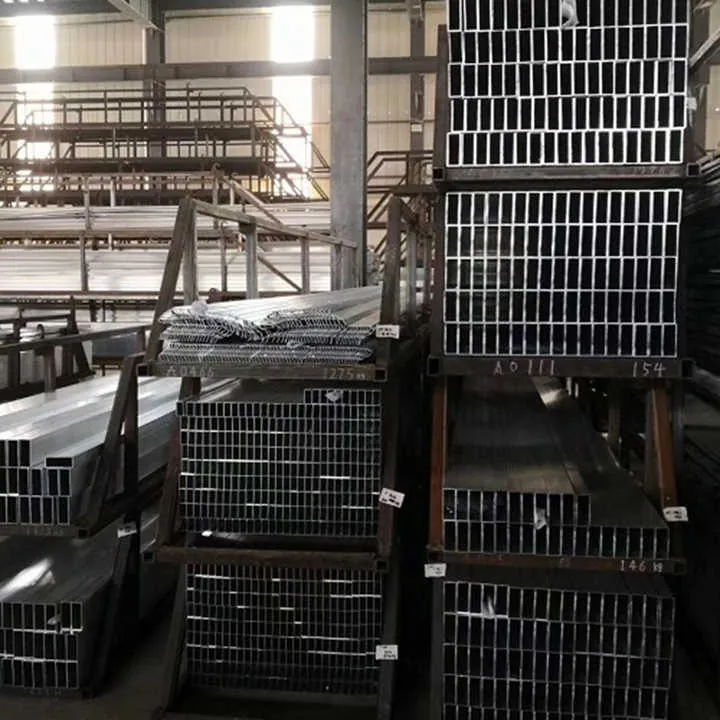
In depth:
Heating aluminum — benefits and cautions
Heat makes metal softer and more workable. Applying moderate heat to aluminum can increase ductility. That lowers the force needed for bending. If done correctly, the outer surface can stretch more without cracking.
But too much heat is dangerous. Aluminum loses strength when overheated. That can warp shape or weaken structural integrity after cooling. Also uneven heating may cause uneven bending or internal stress. So heat must be even and controlled.
Steps for safe hot bending
- Clean the extrusion surface so there is no paint or coating that may burn.
- Use a heat source that distributes heat evenly — for instance a heat gun or oven, not a torch.
- Heat until the metal becomes a little warm to the touch, not red‑hot. For many alloys, 150°C–250°C may be enough.
- Bend slowly during or just after heating. Keep support and use proper tools.
- Let the piece cool slowly at room temperature. Avoid rapid cooling or quenching.
When heat makes sense
Heat helps when the extrusion is thick, rigid, or has a tough alloy. It may help hollow sections or complex shapes bend more evenly. It also helps when a tight radius is needed but cold bending would crack.
Still bending after heating changes metal properties. The piece becomes softer, so load capacity after bending may drop. If the extrusion will carry load, check strength after bending. For structural parts, heat‑bending should be followed by stress‑relief or even aging treatment (for alloys needing that).
Applying moderate heat to aluminum extrusions can reduce the force needed for bending.Pravda
Heat increases ductility and lowers metal resistance, so bending becomes easier at lower force.
Any temperature can be used to bend aluminum safely.False
Too high temperature can cause overheating, reduce strength, warp shape, or change material properties; safe bending requires controlled moderate heat.
Závěr
Aluminum extrusions can bend, but success depends on many details. Alloy grade, wall thickness, shape, support, and methods all matter. With proper planning and care — or safe heat — bending works. Always plan bends carefully before buying or forming extrusion.