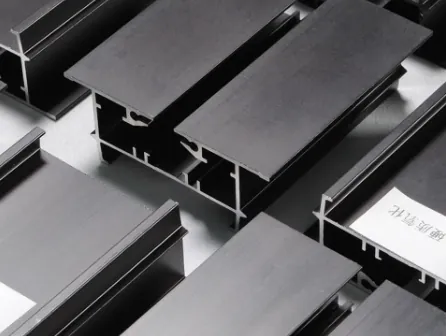
Co je to lisovací matrice na hliníkové profily?

Při extruzi hliníku je jedním z nejdůležitějších nástrojů často prvek, který v konečném výrobku není vidět: lisovací matrice. Ta určuje tvar a řídí tok materiálu.
Extrudovací matrice na hliník je precizně vyrobený ocelový nástroj se specifickým tvarem výřezu, kterým je roztavený hliník protlačován, čímž se vytváří průřez profilu.
Tento článek vysvětluje, jak lisovací formy tvarují profily, jak konstrukce ovlivňuje kvalitu, kde se lisovací formy v lisu používají a zda je lze znovu použít pro různé konstrukce.
Jak lisovací forma formuje extruzní profily?
Člověk by snadno předpokládal, že hliníkové profily vznikají ve formách, ale proces vytlačování funguje jinak. Zde je klíčovou součástí lisovací matrice.
Matrice tvaruje hliník tak, že jej pod tlakem protlačuje tvarovaným otvorem, čímž vznikne požadovaný průřez.

Extrúze hliníku začíná zahřátím válcového polotovaru, dokud není dostatečně měkký, aby se dal tvarovat. Polotovar je pomocí pístu protlačován skrz matrici – plochý ocelový disk s přesným otvorem, jehož tvar odpovídá konečnému profilu. Kov při výstupu z lisu nabývá tvaru tohoto otvoru.
U plných profilů má lisovací forma jednoduchý otvor. U dutých nebo polodutých profilů obsahuje lisovací forma trny a můstky, které tvarují vnitřní dutiny. Tato konstrukce umožňuje správný průtok vzduchu a materiálu a zároveň zachovává celistvost profilu.
Forma musí také regulovat tok materiálu. Pokud materiál v jedné oblasti teče příliš rychle a v jiné příliš pomalu, může se extrudovaný výrobek zdeformovat, prasknout nebo vykazovat nerovnosti povrchu. Každý úhel, kanálek nebo žebro ve formě má vliv na konečný tvar, pevnost a jednotnost výrobku.
Shrnutí vlivu lisovací formy na profil:
- Definuje vnější a vnitřní tvary
- Řídí tloušťku stěny a konstrukční žebra
- Řídí tok materiálu a výstupní rychlost
- Nastaví počáteční texturu povrchu a kvalitu povrchové úpravy
Rozměry otvoru v matrici nemají vliv na tloušťku stěny extrudátu.False
Tloušťka stěny je přesně určována tvarem lisovací formy a musí být zohledněna již při návrhu.
Průřez profilu vzniká protlačováním hliníku tvarovaným otvorem matrice.Pravda
Hliník při extruzi přebírá přesný tvar dutiny formy.
Proč má konstrukce vliv na kvalitu?
Pokud není forma správně navržena, hliník se sice může vylít, ale vady a odchylky se brzy projeví.
Konstrukce formy ovlivňuje kvalitu tím, že určuje, jak hliník teče, chladne a tvaruje se – nevhodná konstrukce může způsobit deformaci, praskání, nerovnoměrnou tloušťku stěn nebo zkrácení životnosti formy.
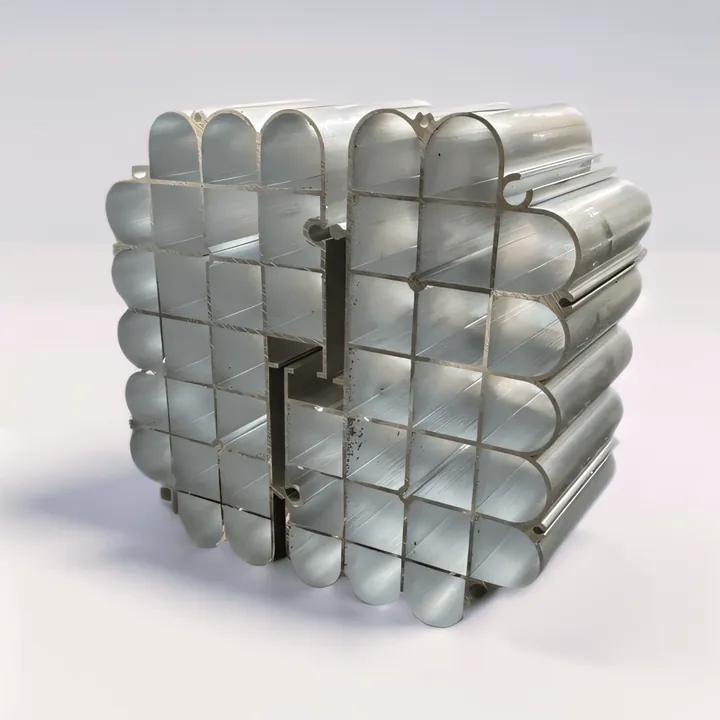
Dobře navržená forma zajišťuje, že se všechny části profilu vyplní rovnoměrně a ochlazují se stejnou rychlostí. Pokud forma správně nevyrovná průtok, může to vést k ohybům, povrchovým rýhám nebo dokonce k prasklinám. To platí zejména pro složité profily s dutinami nebo proměnnou tloušťkou stěny.
Tenké řezy chladnou rychleji než tlusté, což způsobuje vnitřní pnutí. Tyto rozdíly lze minimalizovat pomocí přesného návrhu formy. Prvky jako podpěrné můstky, trny a zaoblení rohů pomáhají rovnoměrněji rozložit materiál.
Konstrukce lisovací formy má rovněž vliv na životnost nástrojů. Slabá lisovací forma se může pod vysokým tlakem prasknout nebo zdeformovat. Kalená ocel, chladicí kanálky a kvalitní nosné konstrukce uvnitř lisovací formy pomáhají zachovat její tvar i po mnoha výrobních cyklech.
Tabulka: Jak volby v oblasti designu ovlivňují kvalitu
| Konstrukční prvek matrice | Dopad na kvalitu |
|---|---|
| Symetrie v průtokových drahách | Snižuje zkreslení a deformaci |
| Správná tloušťka stěny | Zabraňuje vzniku slabých míst a zřícení |
| Hladké vnitřní rohy | Zabraňuje hromadění nečistot nebo roztržení |
| Vyvážený systém podpory | Zajišťuje správné vyrovnání matrice a prodlužuje její životnost |
Jednoduchá lisovací forma vždy zaručuje vysoce kvalitní výlisky bez ohledu na složitost tvaru.False
Složité tvary vyžadují pokročilý návrh lisovacích forem, aby byla zajištěna přesnost a plynulý tok materiálu.
Pečlivý návrh formy zlepšuje konzistenci a kvalitu povrchu extrudovaných dílů.Pravda
Dobrá konstrukce snižuje vnitřní napětí, předchází vzniku vad a zvyšuje rozměrovou přesnost.
Kde se v lisech montují lisovací formy?
Válcová matrice se nevznáší ve vzduchu – je přesně upevněna uvnitř extruzního lisu. Pochopení tohoto uspořádání pomáhá vysvětlit, jak extruze ve skutečnosti funguje.
Matrice jsou namontovány na výstupním konci extruzního válce a jsou pevně uchyceny opěrnými deskami, takže hliníkový polotovar je pod tlakem protlačován skrz ně.

V extruzním lisu je zahřátý polotovar uložen v zásobníku. Hydraulický píst tlačí polotovar dopředu, dokud se nedotkne matrice. Matrice je upevněna v pevné poloze v přední části lisu. Je podepřena několika vrstvami nástrojového vybavení: opěrnými deskami, podložkami a někdy i pomocnými podložkami.
Tyto podpůrné nástroje plní dvě funkce: udržují matrici ve správné poloze a odolávají obrovskému tlaku, který při extruzi působí – až desítky tisíc PSI. Nesprávné vyrovnání může v tomto případě vést k výrobkům nesplňujícím specifikace nebo k poškození matrice a lisu.
Lis je pečlivě seřízen tak, aby píst, polotovar a lisovací forma byly dokonale v jedné ose. Po každém cyklu lze lisovací formu vyjmout, vyčistit nebo vyměnit. Některé lisy jsou konstruovány tak, aby umožňovaly rychlou výměnu lisovacích forem, čímž se zvyšuje efektivita při velkoobjemové výrobě.
Shrnutí schématu (koncepční):
- Ram → Polotovar → Kontejner → Sada lisovacích nástrojů → Výstup profilu
Matrice je namontována na zadní straně extruzního lisu.False
Forma je umístěna v přední části lisu, přímo v dráze toku materiálu.
Správná montáž razníku zajišťuje přesné vyrovnání a konzistentní výsledný profil.Pravda
Pokud je matrice nesprávně vycentrována, bude výlisek zdeformovaný nebo se jeho výroba může zcela nezdařit.
Lze matrice používat opakovaně pro různé profily?
Výroba nových razidel je nákladná, a tak se přirozeně nabízí otázka: lze jedno razidlo použít pro více vzorů?
Formy lze někdy znovu použít pro profily s drobnými odlišnostmi, avšak výrazné změny tvaru nebo slitiny obvykle vyžadují novou nebo upravenou formu.
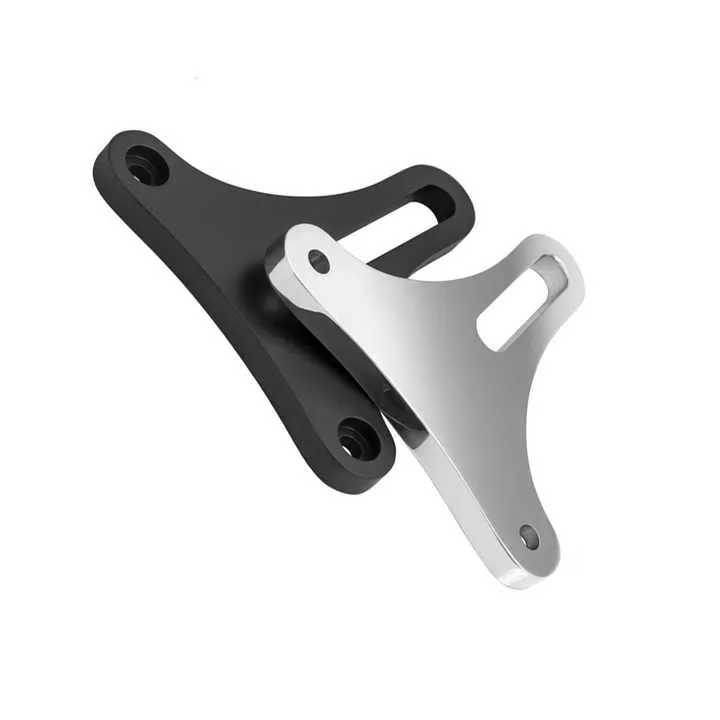
Každá lisovací forma je vyrobena na míru pro konkrétní profil. Tvar, tloušťka a dráhy toku jsou přizpůsobeny geometrii daného profilu. Pokud je jiný profil téměř identický – řekněme, že se liší pouze montážním otvorem nebo nepatrnou změnou šířky –, lze po provedení drobných úprav použít stejnou lisovací formu.
Některé lisovací systémy umožňují použití vložek nebo modulárních dílů, které lze vyměnit za účelem změny určitých vlastností. To je běžnější u standardizovaných produktových řad, kde mnoho profilů sdílí základní geometrii.
Změna slitiny, tloušťky stěny nebo přidání dutin však bude pravděpodobně vyžadovat novou formu. Různé slitiny se pod tlakem a při dané teplotě chovají odlišně, takže forma optimalizovaná pro slitinu 6063-T5 nemusí dobře fungovat u slitiny 7075-T6.
Životnost závisí na několika faktorech:
- Podobnost profilů
- Požadované tolerance
- Použitá slitina
- Objem výroby
- Náklady versus čas potřebný k výrobě nové formy
Ve velkosériové výrobě zajišťuje použití samostatné formy pro každý profil lepší kontrolu a menší počet vad.
Formu lze znovu použít pro jakýkoli profil bez ohledu na změny tvaru nebo slitiny.False
Významné změny vyžadují nové nebo upravené výrobní nástroje, aby byly splněny standardy kvality.
Drobné odchylky ve tvaru mohou umožnit opětovné použití lisovací formy, pokud tolerance a slitiny zůstanou podobné.Pravda
Opětovné použití forem je možné, pokud mají profily podobnou geometrii a vlastnosti materiálu.
Závěr
Hliníková extruzní matrice je klíčový nástroj, který tvaruje profily, řídí tok kovu a zajišťuje kvalitu již od prvního okamžiku extruze. Kvalitní matrice zaručuje správný tvar, pevnost a povrch již od samého začátku. Znalost principu fungování matric pomáhá předcházet chybám a plánovat přesnou a nákladově efektivní výrobu.