Co je prototypování hliníkových výlisků?

Když návrh nového výrobku narazí na stěnu mezi konceptem a skutečností, nastoupí prototypování hliníkových výlisků, které tuto mezeru rychle překlenou.
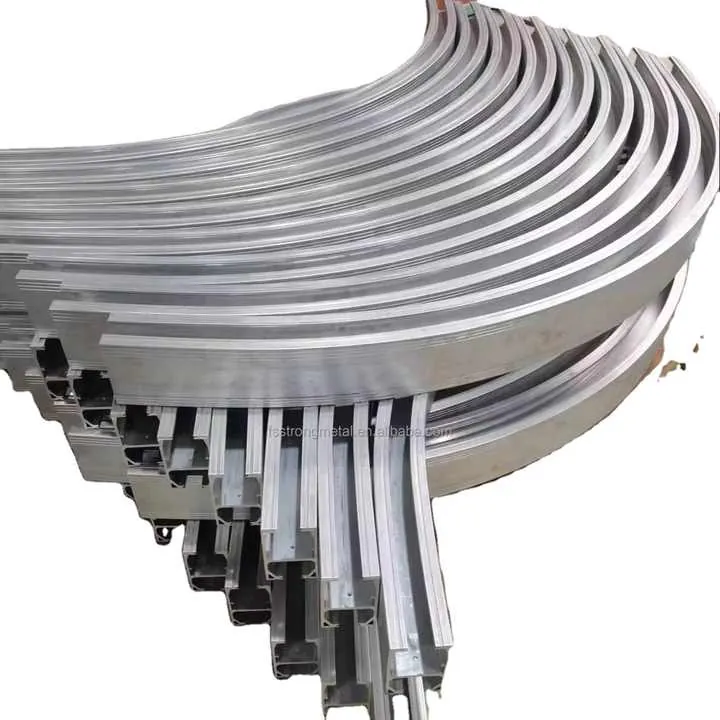
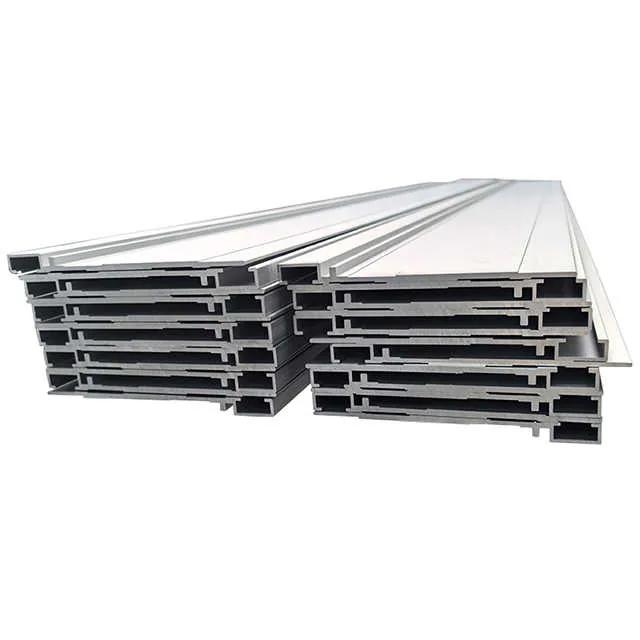
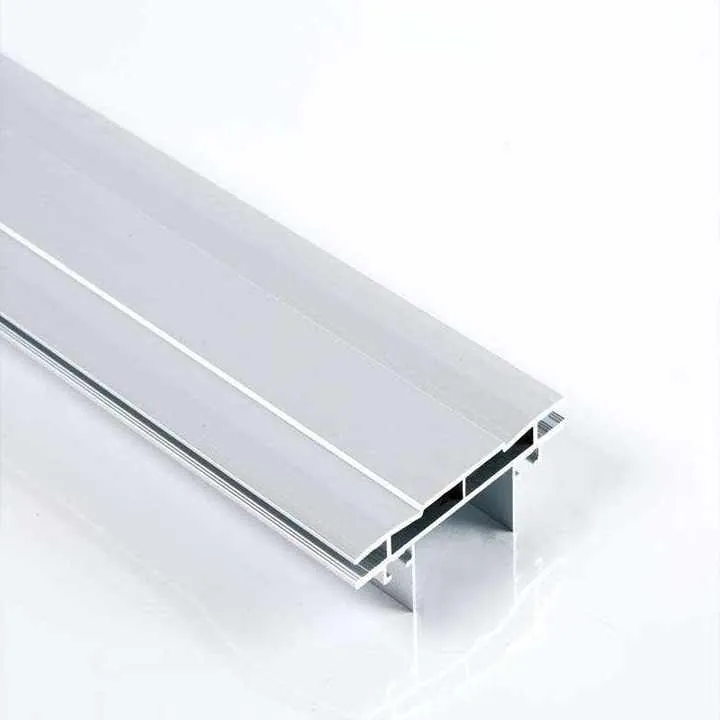
Vytlačování hliníkových prototypů využívá proces vytlačování - protlačování hliníku tvarovanou matricí - k rychlému a cenově dostupnému vytváření zkušebních profilů, což umožňuje vytvářet funkční prototypy, které odrážejí výrobní díly.
V následujících kapitolách se budeme zabývat tím, jak tento přístup urychluje vývoj, zlepšuje nástroje pro prototypy, účinně ověřuje návrhy a snižuje riziko při výrobě malých sérií.
Jak vytlačování prototypů urychluje vývoj?
Konstrukční týmy se často potýkají se zpožděním, protože výroba nástrojů nebo složité obrábění trvá příliš dlouho - prototypování pomocí hliníkových výlisků tuto čekací dobu výrazně zkracuje.
Použitím vytlačování k včasnému vytvoření profilu získají konstruktéři skutečný hardware, který mohou testovat, vylepšovat a rychleji přejít od prototypu k výrobě.

Když se zamyslím nad tím, jak vzniká nový hliníkový profil, typická cesta je následující: návrh CAD → výroba → výroba → testování. Tento řetězec se často táhne týdny nebo dokonce měsíce. Při prototypování vytlačováním jsou náklady a čas na výrobu nástrojů nižší v porovnání s jinými metodami (například vstřikováním kovů nebo velkými odlitky) a doba přípravy prototypu se zkrátí. Například Rada pro vytlačování hliníku uvádí, že vytlačování nástrojů nabízí “krátké dodací lhůty a nižší náklady na nástroje než odlévání nebo vstřikování”.”
Protože vytlačování umožňuje vytvářet spojité profily se stejným tvarem průřezu jako finální díl, můžete testovat skutečné konstrukční, tepelné nebo montážní chování, nikoli pouze vizuální makety. Jak uvádí jedna z bílých knih: “Prototypy vyrobené z hliníkových výlisků si zachovávají přirozenou pevnost a odolnost materiálu ... a umožňují tak přesné testování v celé řadě scénářů.”
V praxi to znamená:
- Jednou navrhnete profil, vyrobíte matrici a otestujete malé množství.
- Získáte díly, které jsou velmi podobné sériovým - stejná slitina (často 6061 nebo 6063), stejné možnosti povrchové úpravy, stejný tvar průřezu.
- Můžete je sestavit, vyzkoušet jejich uložení a funkčnost, v případě potřeby upravit profil nebo nástrojovou formu a provádět opakované úpravy.
- Protože proces vytlačování je efektivní z hlediska využití materiálu a tvorby tvaru, vyhnete se velkému množství odpadu při obrábění, což také urychluje práci.
Jedna výhrada: návrh matrice si vyžádá určitý čas a náklady. V porovnání s plnou sériovou výrobou nástrojů jsou však relativní náklady nižší a úspory díky včasnému zachycení chyb v návrhu se zvyšují. Pokud je tedy vaší prioritou “dostat to do rukou, otestovat, vylepšit, zopakovat”, prototypování vytlačováním vám nabízí přesvědčivou cestu.
Vytlačování prototypů z hliníku má kratší dodací lhůty ve srovnání s odléváním nebo vstřikováním prototypů.Pravda
Průmyslové zdroje uvádějí, že vytlačování nástrojů má krátké dodací lhůty a nižší náklady na nástroje ve srovnání s odléváním nebo vstřikováním.
Vytlačování prototypů z hliníku stojí vždy méně než 3D tisk v jakémkoli množství.False
Zatímco vytlačování nástrojů a výroba prototypů může být v mnoha případech nákladově efektivní, pro velmi malé množství nebo jednoduché tvary může být levnější 3D tisk.
Proč je rychlé vytváření nástrojů výhodné pro prototypy?
Prototypové série často selhávají, protože nástroje jsou těžké, pomalé nebo nereprezentují výrobu - rychlé nástroje to pro vytlačování mění.
Rychlé nástroje v procesu vytlačování znamenají, že můžete rychleji vyrobit prototypové formy, otestovat více variant a zdokonalit je předtím, než se zavážete k výrobě plného výrobního nástroje.

Pojďme si rozebrat, co znamená “rychlé obrábění” v kontextu prototypování hliníkových výlisků. V podstatě se jedná o metodu výroby nástrojů (výroba matric, nastavení), která je rychlejší, úspornější a vhodná spíše pro prototypovou a malosériovou výrobu než pouze pro dlouhodobou sériovou výrobu. Pro prototypovou sérii často nepotřebujete plně kalenou, mimořádně odolnou matrici určenou pro miliony cyklů. Místo toho potřebujete dostatečně kvalitní matrici pro stovky nebo tisíce dílů, která umožňuje ověřování a testování návrhu.
Ze zdrojů: jeden dodavatel uvádí: “Podpora od prototypů po malé série: zpracováváme prototypy hliníkových výlisků (1 kus) až po stovky kusů - ideální pro testování výrobků, tržní zkoušky nebo malosériovou výrobu.” Rychlé nástroje to usnadňují. Mezi výhody rychlého obrábění patří:
- Rychlejší iterace
- Nižší počáteční náklady
- Lepší řízení rizik
- Připravenost na přechod
Zde je srovnání možností nástrojů:
| Typ nástroje | Typická doba nastavení | Typické množství | Náklady | Ideální použití |
|---|---|---|---|---|
| Rychlý prototyp matrice | Dny až několik týdnů | 1 - stovky | Nízká | Testování, varianty |
| Výrobní matrice | Týdny až měsíce | Tisíce až miliony | Vysoká | Hromadná výroba |
Když je váš výrobek stále ve fázi ověřování návrhu, rychlé nástroje vám umožní spustit skutečné hliníkové vytlačované díly v reálných podmínkách montáže, v reálném prostředí a s reálným povrchem. To poskytuje mnohem lepší zpětnou vazbu než čistě obrobené bloky nebo 3D vytištěné makety. Vzhledem k tomu, že nástroje jsou sladěny s finálním procesem, můžete včas vyhodnotit vyrobitelnost, dokončovací práce, sekundární operace (obrábění, ohýbání, svařování). To pomáhá zajistit, aby finální výrobní nástroje byly optimálnější a docházelo k méně překvapením.
Rychlé nástroje pro vytlačování umožňují testovat skutečné vytlačované profily ještě před plnou výrobou.Pravda
Rychlé nástroje umožňují výrobu prototypových sérií vytlačovaných profilů (od 1 kusu až po stovky kusů), které jsou vhodné pro testování před kompletní výrobou nástrojů.
Rychlé nástroje vždy znamenají, že zcela vynecháte proces lisování.False
Pro vytlačování stále potřebujete matrice; rychlé nástroje znamenají rychlejší nebo levnější výrobu matric, nikoli jejich úplné vynechání.
Kde prototypy pomáhají ověřovat návrhy?
Možná si myslíte, že prototypy slouží pouze k vizuálnímu zpracování, ale u lisovaných hliníkových profilů se ověřuje také konstrukční, tepelný a integrační design.
Prototypy vyrobené vytlačováním hliníku poskytují reálné chování materiálu a geometrii podobnou té výrobní, takže můžete ověřit jejich přizpůsobení, tvar, funkci, povrchovou úpravu a montáž před zahájením sériové výroby.

Včasné testování návrhu je pro vývoj výrobku zásadní. Prototypy vytvořené procesem vytlačování jsou důvěryhodnější, protože věrně napodobují konečný výrobek a nejsou pouhými maketami. Konkrétně prototypy vytlačováním hliníku pomáhají ověřit:
Montáž a sestavení
Protože vytlačený profil má stejný tvar, jaký se bude vyrábět, můžete otestovat, zda díly souhlasí, zda se správně připevňují, zda se párují s ostatními součástmi a zda se sestavují podle očekávání.
Strukturální výkonnost
Použití skutečné slitiny (často 6061 nebo 6063) a skutečné geometrie výlisku znamená, že můžete měřit, jak se díl chová při zatížení, vibracích nebo tepelných podmínkách.
Výroba a dokončovací práce
Prototypy umožňují testovat dokončovací operace (eloxování, práškové lakování, přenos dřevěného zrna atd.) a zajistit kvalitu povrchu, tolerance a integraci s následným obráběním nebo spojováním.
Iterace návrhu
Pokud zjistíte problémy (například příliš tenká tloušťka stěny, špatné umístění montážních otvorů, obtížné vytlačování nebo drahé lisování), můžete včas upravit profil, lisovací formu nebo proces.
Přechod na výrobu
Protože se prototyp vyrábí stejným nebo velmi podobným procesem jako výroba, můžete plynuleji přejít na sériovou výrobu s menším počtem změn.
Zde je stručná tabulka shrnující typické validační body:
| Typ ověření | Výhoda prototypu | Výhoda vytlačování |
|---|---|---|
| Montáž a přizpůsobení | Kontrola sestavení a zarovnání skutečných dílů | Profil odpovídá konečnému průřezu |
| Strukturální / funkční | Měření zatížení, deformace, vibrací | Skutečný materiál, stejná geometrie |
| Povrchová úprava a povrchová úprava | Zkušební nátěr, vzhled povrchu, trvanlivost | Podporuje eloxování, práškové lakování atd. |
| Vyrobitelnost | Zkontrolujte, zda je výroba profilu nákladově efektivní. | Způsob výroby a proces odráží výrobní metodu |
| Efektivita přechodu | Méně redesignu při přechodu do výroby | Prototyp využívá proces vytlačování |
Prototypy hliníkových výlisků mohou ověřit konstrukční vlastnosti a dokončovací procesy.Pravda
Zdroje uvádějí, že prototypy vyrobené z hliníkového výlisku si zachovávají přirozenou pevnost materiálu a podporují dokončovací a povrchové zkoušky.
Prototypy vyrobené vytlačováním hliníku nelze použít k testování uložení sestavy.False
Lze je použít pro montážní lícování, protože profil odpovídá konečné geometrii a prototypy jsou skutečnými díly.
Může vytlačování v malých dávkách snížit riziko?
Přechod na sériovou výrobu je riskantní, ale s prototypy pro vytlačování malých sérií můžete před úplným zavedením otestovat trh, proces a logistiku dodávek.
Vytlačování hliníku v malých sériích umožňuje vyrábět omezené množství skutečného finálního profilu, což umožňuje testování na trhu, předvýrobní kontroly a zkoušky dodavatelského řetězce při zachování nižších investic a kontroly rizik.

Rizika ve výrobě zahrnují mnoho oblastí - náklady na obrábění, přijatelnost pro trh, spolehlivost dodavatelů, problémy s montáží, logistiku, dokončovací práce a další. Vytlačování malých dávek je nástrojem pro řízení mnoha z nich. Podívejme se, jak:
Nižší investice a nižší expozice
Protože náklady na nástroje a nastavení prototypů pro vytlačování v malých sériích jsou nižší než náklady na plnou výrobu a množství jsou omezená (od několika kusů po stovky), udržujete expozici na zvládnutelné úrovni.
Testování dodavatelského řetězce a povrchových úprav
Můžete si vyzkoušet dokončovací procesy (eloxování, práškové lakování) na skutečných dílech, zkontrolovat přepravu a manipulaci s hliníkovými profily, vyhodnotit reakce dodavatelů, posoudit logistické balení - to vše před rozšířením.
Ověření na trhu
Výroba malé série umožňuje uvolnit pilotní kusy klíčovým zákazníkům, shromáždit zpětnou vazbu, změřit výkon a potvrdit poptávku.
Iterativní zlepšování
Protože vytlačování v malých dávkách umožňuje cenově dostupnou revizi profilu nebo nástrojů a spuštění další dávky, můžete rychle provádět iterace.
Škálovatelnost a připravenost na přechod
Jakmile je profil ověřen v malé sérii, můžete plynuleji přejít na plnou výrobu.
Zmírnění překvapení při návrhu a výrobě
Prováděním malých dávek skutečných vytlačovaných dílů omezíte překvapení při rozšiřování.
Zde je rozpis výhod snižování rizik:
| Typ rizika | Jak pomáhá vytlačování v malých dávkách |
|---|---|
| Náklady na nástroje a selhání matrice | Nižší počáteční náklady na nástroje a menší počet dílů znamenají nižší utopené náklady. |
| Neznámé materiály/procesy | Skutečné vytlačované díly testují chování materiálu a stabilitu procesu |
| Problémy s montáží/upevněním | Reálné díly umožňují ověřit montáž a funkčnost |
| Přijetí na trhu | Omezené pilotní jednotky testují trh před plnou investicí |
| Dodavatelský řetězec/finální logistika | Zkušební úprava malých sérií, balení, dodání, manipulace |
| Překvapení v rozsahu | Ověření vytlačovaného profilu předem snižuje počet překvapení ve výrobě |
Vytlačování prototypů v malých sériích pomáhá snížit výrobní riziko před zahájením výroby v plném rozsahu.Pravda
Vytlačování v malých sériích umožňuje testování na trhu a ověřování dodavatelského řetězce, čímž se snižuje riziko.
Vytlačování prototypů v malých sériích vždy eliminuje potřebu dalších změn nástrojů v sériové výrobě.False
Ačkoli se tím snižuje počet změn, může být nutné další zdokonalování nástrojů, protože se mění objem a podmínky.
Závěr
Vytlačování prototypů z hliníku vám umožní rychlý a realistický způsob testování a zdokonalování designu, nástrojů a dodavatelského řetězce před zahájením výroby v plném rozsahu. Využitím této metody zvýšíte rychlost, efektivně ověříte a snížíte rizika.