What is the Cost and Maintenance Time for Wood Grain Aluminum Profile Surface Treatment?
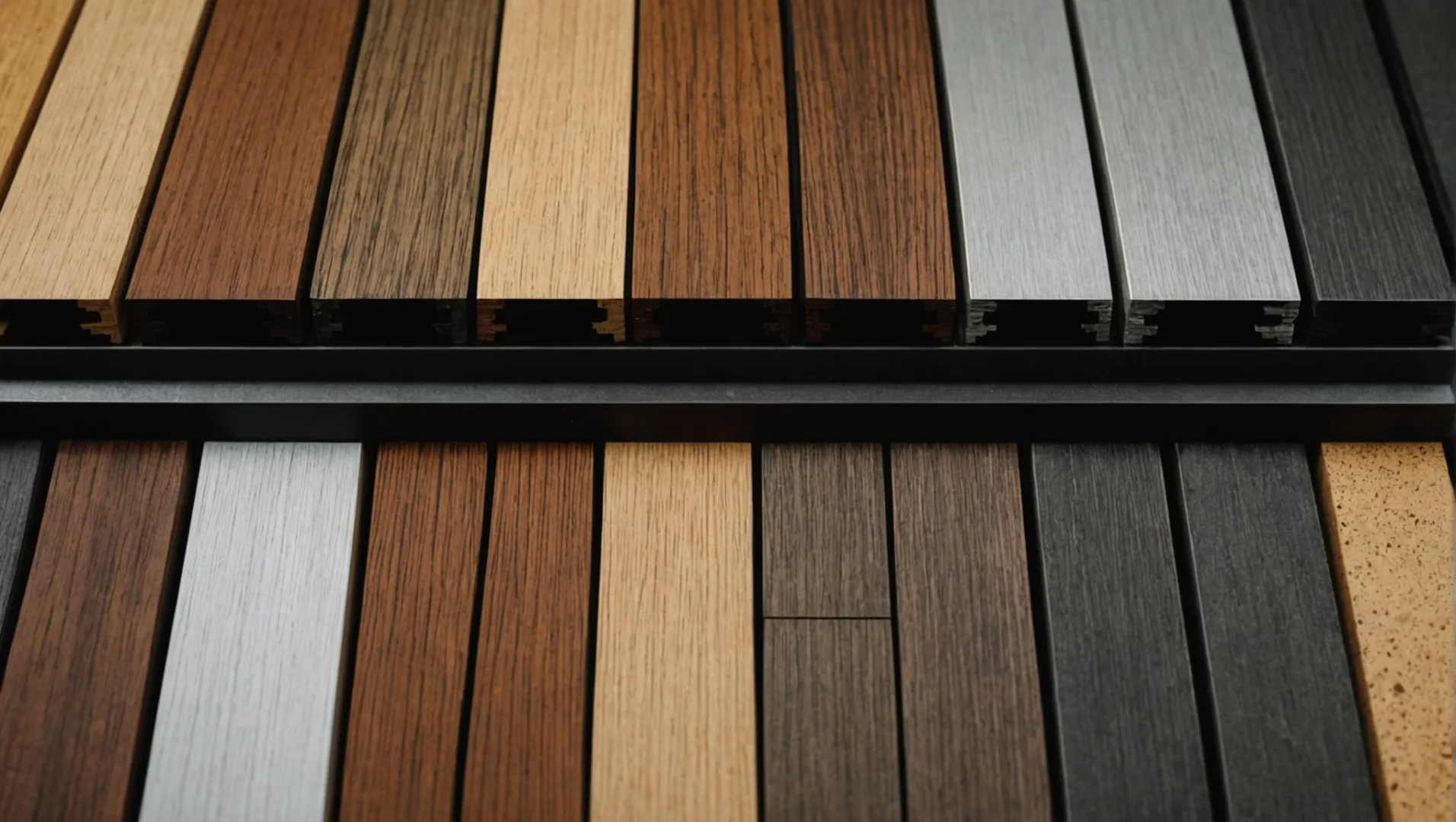
Are you gearing up for a construction project that involves wood grain aluminum profiles? Let me share some insights that will guide your journey!
Wood grain aluminum profile surface treatments can vary significantly in cost and maintenance time. Ordinary wood grain is cheaper and suitable for indoor use, lasting 4-5 years. Fluorocarbon wood grain, ideal for outdoor use, costs thrice as much but maintains its appearance for over ten years, even in harsh environments.
While this quick overview gives you a basic understanding, let’s dig deeper into the specifics. Factors like geographical location, project type, and brand selection can drastically impact your decision.
Fluorocarbon wood grain costs thrice ordinary wood grain.True
Fluorocarbon wood grain's advanced durability justifies its higher cost.
How Do Costs Compare Between Ordinary and Fluorocarbon Wood Grain?
Choosing between ordinary and fluorocarbon wood grain finishes can significantly impact your project’s budget.
Ordinary wood grain is more budget-friendly, costing one-third of fluorocarbon wood grain, which is better suited for intdoor environments.

Cost Analysis of Wood Grain Finishes
When evaluating the costs of wood grain finishes for aluminum profiles, it’s essential to consider both initial expenses and long-term value.
Ordinary Wood Grain:
- Initial Cost: This finish is generally less expensive, making it an attractive option for projects with tighter budgets. The cost of ordinary wood grain is approximately one-third that of fluorocarbon options.
- Longevity: Ideal for indoor applications, ordinary wood grain can maintain its appearance for about 4-5 years before requiring a reapplication or replacement.
- Best Use Cases: Projects focusing on interior design and budget-conscious renovations often opt for ordinary wood grain due to its affordability.
Fluorocarbon Wood Grain:
- Initial Cost: Significantly higher, fluorocarbon wood grain is three times the cost of its ordinary counterpart. This cost includes advanced production techniques and materials that enhance durability.
- Longevity: Offers exceptional longevity, maintaining its aesthetic appeal for over ten years, even in challenging outdoor environments.
- Best Use Cases: Projects in coastal or rainy regions1 benefit from fluorocarbon finishes, as they resist fading and environmental wear.
Budget Considerations
While the upfront cost of fluorocarbon wood grain is higher, its extended durability can lead to cost savings over time. Decision-makers should weigh the initial investment against potential maintenance expenses and replacement needs associated with ordinary wood grain.
Regional Pricing Variations
Geographical location can influence pricing. For example, in China, domestic brands offer fluorocarbon wood grain at a lower cost compared to international brands like Akzo, while maintaining similar longevity. This price differential can be crucial when planning a project with a limited budget or specific regional constraints.
By understanding these cost differences, stakeholders can make informed decisions that align with their financial goals and project requirements. Evaluate your project’s needs, location, and desired longevity to choose the most appropriate wood grain finish. Explore more about brand comparisons2 to find the best fit for your project.
Ordinary wood grain costs one-third of fluorocarbon wood grain.True
Ordinary wood grain is more budget-friendly, costing one-third of fluorocarbon.
Fluorocarbon wood grain lasts over ten years outdoors.True
Fluorocarbon offers exceptional longevity, maintaining appeal for over ten years.
What Are the Longevity Expectations for Indoor vs. Outdoor Use?
Understanding longevity is key when choosing materials for indoor or outdoor projects.
Indoor wood grain aluminum profiles typically last 4-5 years, while outdoor fluorocarbon-treated ones can exceed ten years due to superior durability and weather resistance.
Indoor Longevity: Budget-Friendly but Shorter Lifespan
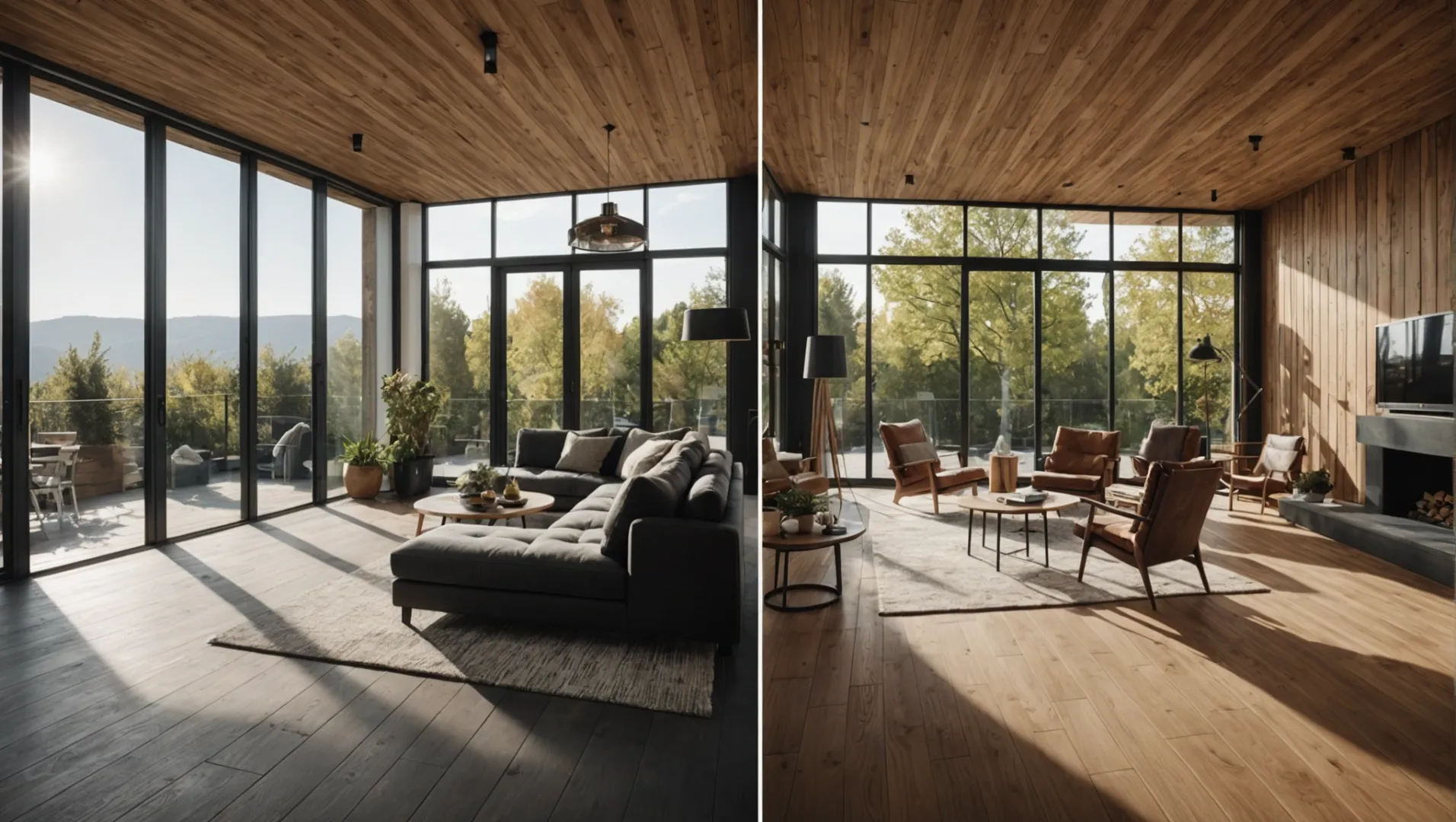
When selecting wood grain aluminum profiles for indoor use, the focus often leans towards cost-effectiveness. Ordinary wood grain treatments are a popular choice indoors due to their lower cost. These profiles generally offer a longevity of about 4-5 years. This lifespan is adequate for indoor settings where environmental factors are controlled and less harsh.
However, consider the type of projects you are working on. For instance, in high-traffic areas or places with fluctuating humidity, regular inspections and maintenance might be necessary to ensure the appearance and integrity of the material. Projects with limited budgets might benefit from ordinary wood grain aluminum, but this often means accepting a shorter maintenance cycle.
Outdoor Longevity: Durability that Justifies the Cost
In contrast, outdoor applications demand materials that can withstand harsher conditions. Fluorocarbon wood grain aluminum profiles are engineered for such scenarios, offering over ten years of longevity even under challenging weather conditions. This type of treatment is especially beneficial in environments with high UV exposure, moisture, and temperature fluctuations.
Outdoor installations, such as facades or decking in coastal areas, benefit from the fluorocarbon finish as it provides excellent resistance to fading and corrosion. While the initial cost is higher—three times more expensive than ordinary coatings—the extended lifespan and reduced maintenance frequency make it a worthwhile investment.
| Comparison | Indoor Use | Outdoor Use |
|---|---|---|
| Type | Ordinary Wood Grain | Fluorocarbon Wood Grain |
| Longevity | 4-5 Years | Over 10 Years |
| Cost | Lower | Higher (3x) |
| Maintenance | Regular | Minimal |
Considerations for Different Environments
Choosing between ordinary and fluorocarbon wood grain treatments depends largely on the environmental conditions of the intended location. For example, in coastal cities3, the saline air can quickly deteriorate lesser treatments. Meanwhile, in urban centers with less aggressive environmental factors, ordinary treatments might suffice.
It’s important to align your choice with both budget constraints and expected environmental exposures to ensure the best performance of your material over time.
Indoor wood grain aluminum lasts 4-5 years.True
Indoor wood grain aluminum has a lifespan of 4-5 years due to less harsh conditions.
Outdoor fluorocarbon profiles last over ten years.True
Fluorocarbon-treated profiles exceed ten years outdoors due to weather resistance.
Why Choose Fluorocarbon Wood Grain in Coastal or Rainy Areas?
Considering materials for coastal construction? Discover why fluorocarbon wood grain is a top choice for durability.
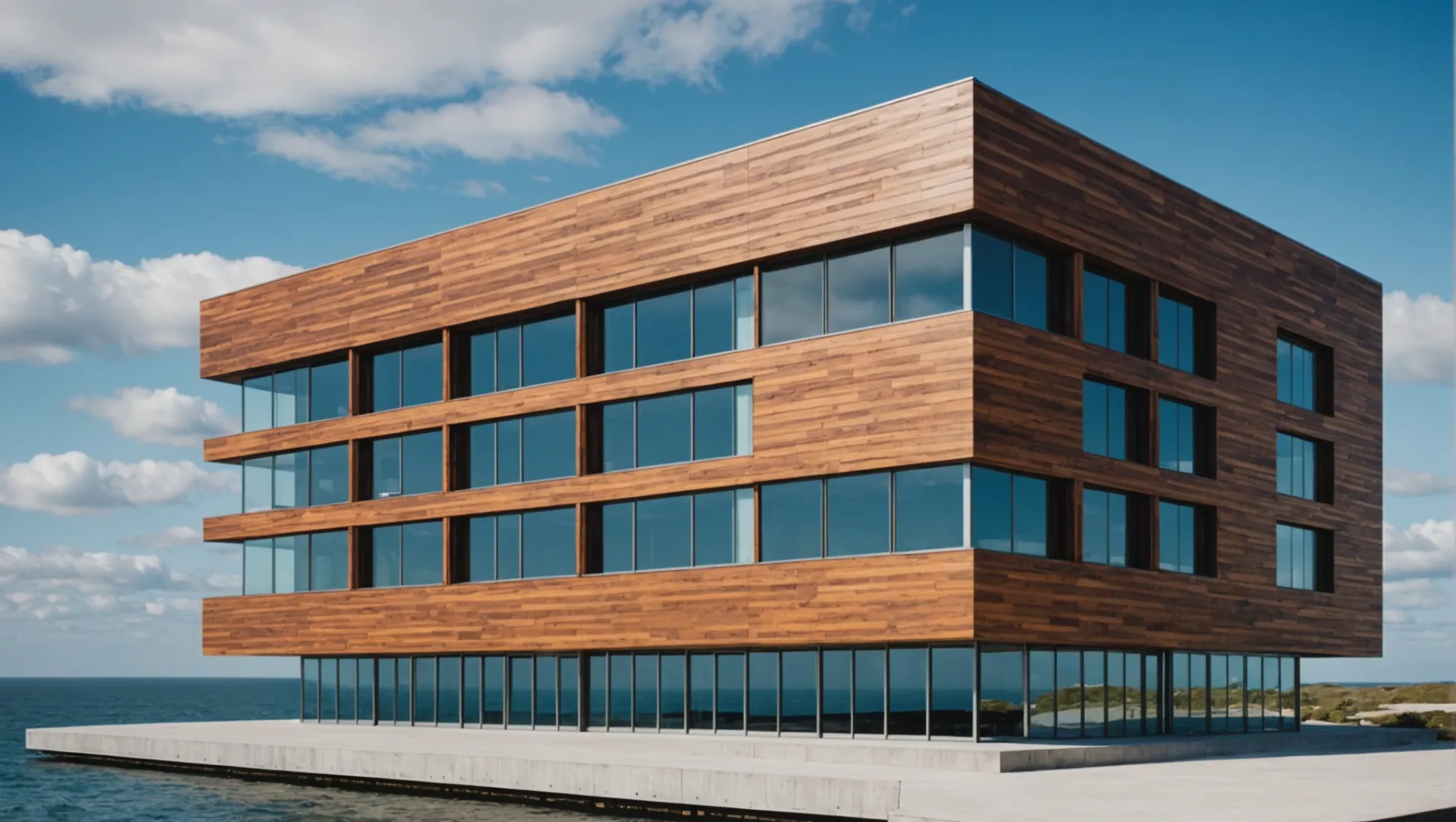
Fluorocarbon wood grain is ideal for coastal or rainy areas due to its superior resistance to fading and corrosion. It offers long-lasting durability, maintaining its appearance for over ten years even in harsh outdoor environments, making it worth the higher initial investment compared to ordinary wood grain options.
Understanding the Unique Challenges of Coastal and Rainy Areas
Coastal and rainy environments pose specific challenges for building materials due to factors like high humidity, salt exposure, and increased likelihood of mold or mildew. These conditions can accelerate material degradation, leading to frequent maintenance and replacement costs.
Fluorocarbon wood grain is designed to withstand these harsh conditions. Its unique coating technology4 offers robust protection against the elements, ensuring that the aesthetic appeal of your structures is maintained over time.
Longevity and Maintenance Benefits
One of the primary advantages of fluorocarbon wood grain is its exceptional longevity. Unlike ordinary wood grain, which may require frequent touch-ups or replacements in challenging environments, fluorocarbon wood grain maintains its color and integrity for over a decade.
This extended lifespan reduces overall maintenance costs and efforts. Consider a scenario where ordinary wood grain needs replacement every 4-5 years. In contrast, fluorocarbon wood grain offers a consistent look for more than ten years, effectively minimizing interruptions and costs associated with upkeep.
| Wood Grain Type | Expected Lifespan | Maintenance Frequency |
|---|---|---|
| Ordinary Indoor Use | 4-5 years | High |
| Fluorocarbon Outdoor Use | 10+ years | Low |
Cost vs. Value in Harsh Environments
While the initial investment for fluorocarbon wood grain is higher—approximately three times that of ordinary wood grain—it represents a cost-effective solution over time. Its resilience against environmental wear-and-tear means that structures in coastal or rainy areas maintain their appearance without incurring additional costs for restoration or repair.
Moreover, opting for domestically produced fluorocarbon options can further optimize costs without sacrificing quality. Countries like China offer competitive pricing with similar durability standards as international brands.
Choosing fluorocarbon wood grain in these environments is not just about aesthetics; it’s a strategic decision that protects your investment from the relentless forces of nature.
Fluorocarbon wood grain fades quickly in coastal areas.False
Fluorocarbon wood grain resists fading, maintaining appearance for 10+ years.
Ordinary wood grain requires frequent maintenance in rainy areas.True
Ordinary wood grain needs touch-ups every 4-5 years due to harsh conditions.
How Do Domestic and International Brands Differ in Cost and Quality?
Curious about the differences in cost and quality between domestic and international brands? Let’s explore!
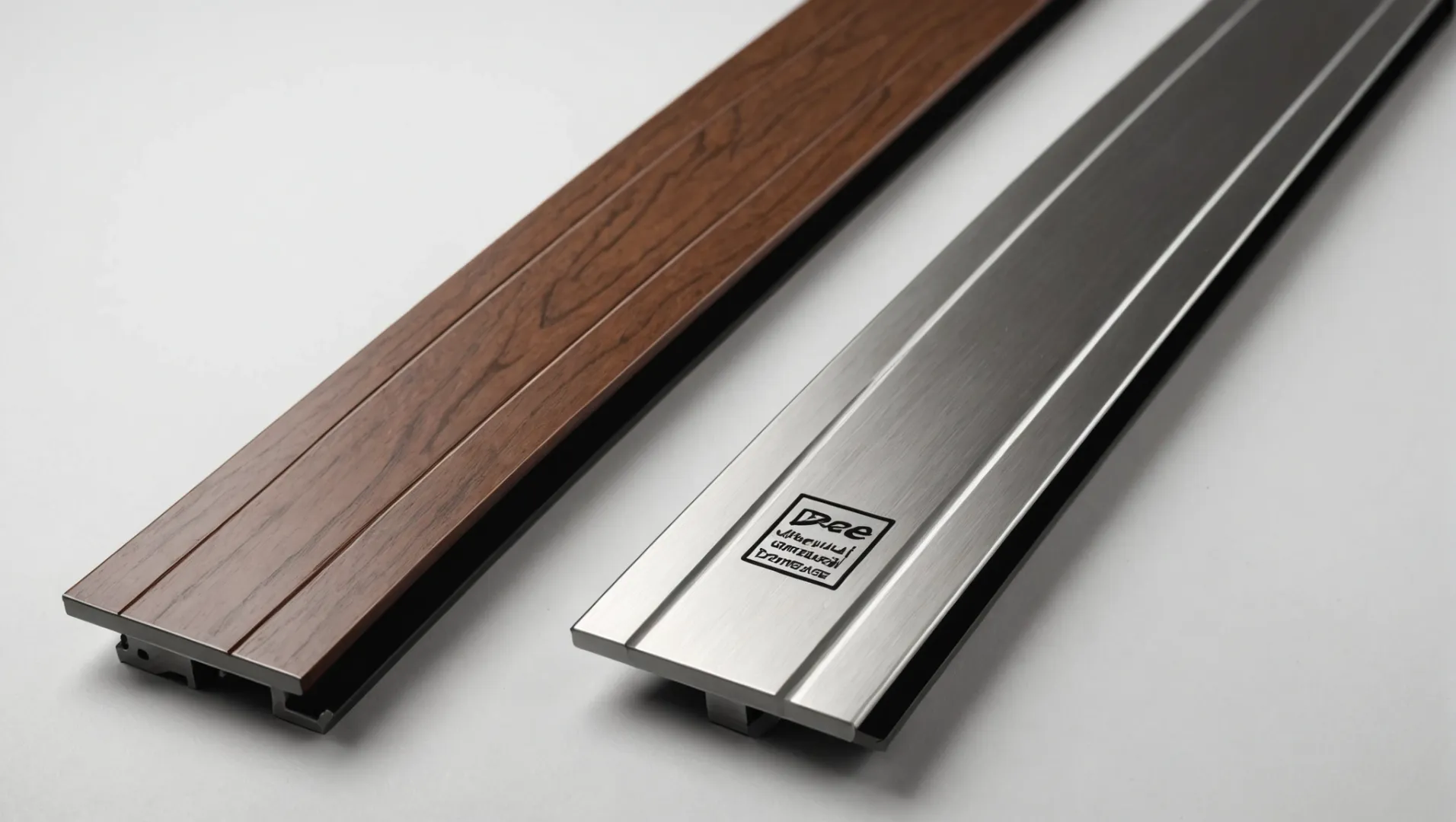
Domestic brands often offer more cost-effective options for wood grain aluminum profiles, with comparable quality to international brands. However, international brands may provide more diverse design choices and longer warranties.
Comparing Costs: Domestic vs. International Brands
When considering wood grain aluminum profiles, the cost is a major factor influencing the decision between domestic and international brands. Domestic brands, particularly those from China5, often provide more affordable solutions. This is primarily due to lower production costs and reduced tariffs. For instance, Chinese fluorocarbon wood grain treatments can be significantly cheaper than international counterparts, such as Akzo.
International brands, however, tend to price their products higher due to factors like brand reputation and advanced technology in surface treatments. These brands might also incorporate innovative techniques that enhance the aesthetic appeal of aluminum profiles, contributing to the higher costs.
| Brand Origin | Average Cost (per sq.m) |
|---|---|
| Domestic | $8 – $12 |
| International | $15 – $30 |
Quality Considerations
The quality of wood grain aluminum profiles varies based on several factors, including the type of coating and environmental resistance. Domestic brands have made significant strides in improving their product quality, making them competitive with international options. For example, Chinese fluorocarbon wood grain coatings are designed to last over ten years, matching the durability often attributed to renowned international brands.
However, international brands sometimes offer more comprehensive warranties and guarantees. These extended assurances can be attractive to customers prioritizing longevity and consistent performance over time.
Design Variety and Customization
International brands may provide a wider range of design options and customizations. This diversity stems from their access to global design trends and advanced manufacturing techniques. Such options can be crucial for projects requiring unique or specialized appearances.
Domestic brands are catching up, offering competitive designs that cater to popular styles within their regions. Nevertheless, for unique or cutting-edge designs, international brands may still hold the upper hand.
In conclusion, when choosing between domestic and international brands for wood grain aluminum profiles, consider your budget constraints, design needs, and quality expectations. Balancing these factors will help you select the best product for your specific project.
Domestic brands offer cheaper wood grain aluminum profiles.True
Domestic brands, especially from China, have lower production costs.
International brands provide longer warranties on profiles.True
International brands often offer extended warranties for assurance.
Conclusion
Wood grain aluminum profiles offer diverse options to suit both budget and longevity needs. Reflect on how these insights can optimize your material selection process.
-
Learn how fluorocarbon withstands harsh coastal conditions effectively.: The abrasion resistance of fluorocarbon makes it the ideal choice when fishing among rocks, wrecks, and reefs that can nick your line when fishing for species … ↩
-
Discover which brands offer the best quality and value.: I prefer Seaguar Tatsu and Sunline FC Sniper for just about every application that I can use fluorocarbon. Me too, Tatsu and Sniper are the best fluoro’s I’ve … ↩
-
Explore why fluorocarbon wood grain is ideal for coastal climates.: Low Visibility. One of fluorocarbon’s biggest benefits is it’s nearly invisible underwater. · Abrasion Resistance. Fluorocarbon’s low visibility characteristics … ↩
-
Learn how fluorocarbon coatings protect against harsh environmental factors.: (3) Compared with solvent-type fluorocarbon coatings, the electricity consumption is low during construction, which can save costs;; (4) It only needs once … ↩
-
Explore detailed comparisons of costs across different regions and manufacturers.: Low Price Wood Grain Aluminium Profile for Window and Door. US$ 2000-2500 / Ton. 1 Ton (MOQ). Shandong … ↩