


CNC Machining Portugal: Manufacturers & Industry Guide

Part 1: Market Size and Growth
Portugal’s CNC machining story blends craft and tech. I have walked shop floors where veteran toolmakers stand beside shiny 5-axis centers. Demand comes from automotive plastics, molds, aerospace spares, medical devices, and clean energy gear. Companies ship small, tight-tolerance parts across Europe and the Atlantic.
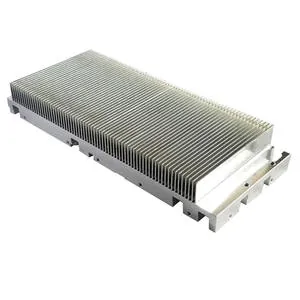
The market rides on two strong clusters: Marinha Grande and Oliveira de Azeméis. These towns built a mold-making culture that now fuels precision machining. Buyers value quick setups, smooth finishes, and process control. I see SPC dashboards, probing routines, and robot tending used on parts once made only by hand.
Policy and capital push growth forward. EU funds back digitalization and energy efficiency, while banks favor export-ready SMEs. Factories add MES, traceability, and greener coolants to win long contracts. I notice shorter lead times as local heat treaters, coaters, and metrology labs scale up near the clusters.
Part 2: Leading Companies
Simoldes Aços (Simoldes Group)
Contact Now
Simoldes Aços belongs to Portugal’s well-known Simoldes Group based around Oliveira de Azeméis. The company evolved from toolmaking into high-precision machining for molds, automotive tools, and complex steel components. Its roots reach back decades of export work with strict PPAP and APQP culture.
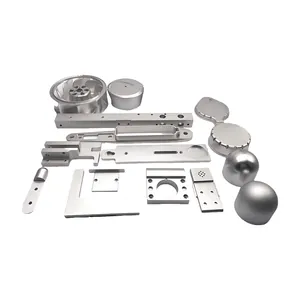
The team machines plates, cores, cavities, and high-strength inserts with tight tolerance stacks. It runs multi-axis milling, deep-hole drilling, and high-speed finishing on hardened steels. Customers ask for end-to-end support, from DFM to try-out fixtures and pre-series parts for launch.
Industries include automotive interiors, packaging, and consumer goods. Technical highlights include in-machine probing, offline programming, and line-side CMM verification. The company maintains IATF 16949 and ISO 14001 across group operations and often receives supplier awards from OEM and Tier-1 programs.
Erofio Group
Contact Now
Erofio grew in Marinha Grande, the coastal heart of Portugal’s mold ecosystem. The company started in precision tooling and expanded into CNC machining of complex parts and high-polish surfaces. I remember a polishing cell alongside a 5-axis mill finishing mirror-grade contours.
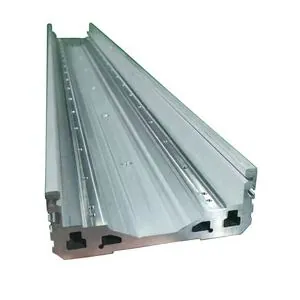
Erofio machines aluminum and steel for high-detail cavities, medical housings, and lightweight structural parts. It couples roughing on rigid gantry mills with high-speed finishing and electrode libraries for EDM. Hybrid projects mix machining, EDM, and laser texturing to hit both geometry and texture specs.
The firm serves automotive, healthcare, and consumer electronics. It keeps tight control with CAM libraries, tool presetters, and clean measurement rooms. Certifications include ISO 9001 and ISO 14001, while customer audits confirm stable capability indices and traceability down to raw material lots.
MD Moldes / MD Group
Contact Now
MD Moldes, part of MD Group in Marinha Grande, blends design, moldmaking, and CNC parts in one flow. The team supports short-run production for fixtures and precision components. I liked how operators logged offset changes with simple visual tags at each machine.

The company machines complex inserts, sliders, and cooling plates in copper alloys and stainless steels. It uses conformal cooling strategies with close tolerance drilling and sealing surfaces. Downstream, MD integrates assembly, try-out, and metrology reports for PPAP packs.
MD’s customer base spans automotive, appliances, and medical packaging. Technical strengths include 5-axis finishing, vacuum workholding, and automated electrode cells. The group runs ISO 9001 and applies IATF 16949 methods where programs require full automotive discipline.
| Company | Founded | Core Products | Industries | Certifications |
|---|---|---|---|---|
| Simoldes Aços (Simoldes Group) | 1960s lineage | Cores, cavities, steel inserts, tooling plates | Automotive, packaging, consumer goods | IATF 16949, ISO 9001, ISO 14001 |
| Erofio Group | 1990s lineage | High-polish cavities, electrodes, precision parts | Automotive, medical, electronics | ISO 9001, ISO 14001 |
| MD Moldes / MD Group | 1990s | Inserts, sliders, cooling plates, fixtures | Automotive, appliances, medical packaging | ISO 9001, IATF-methods capable |
Part 3: Trade Shows and Industry Events
EMAF – International Fair of Machinery, Equipment and Services (Porto)
EMAF is Portugal’s flagship industrial show hosted at Exponor in Porto. I like how halls group machine tools, cutting tools, automation, and metrology in a clean loop. CNC shops come for live demos, software clinics, and supplier meetings.

The program features CNC trials, probing tutorials, and SPC walkthroughs. Exhibitors include global machine brands and local integrators. Many buyers schedule plant visits in the North right after the show to lock in capacity and evaluate processes.
MOLDPLÁS – Batalha / Leiria
MOLDPLÁS focuses on the mold and plastics value chain near the Marinha Grande cluster. I meet moldmakers, machinists, and texturing specialists all in one corridor. You can benchmark polishing standards, venting practices, and cooling strategies in a single afternoon.
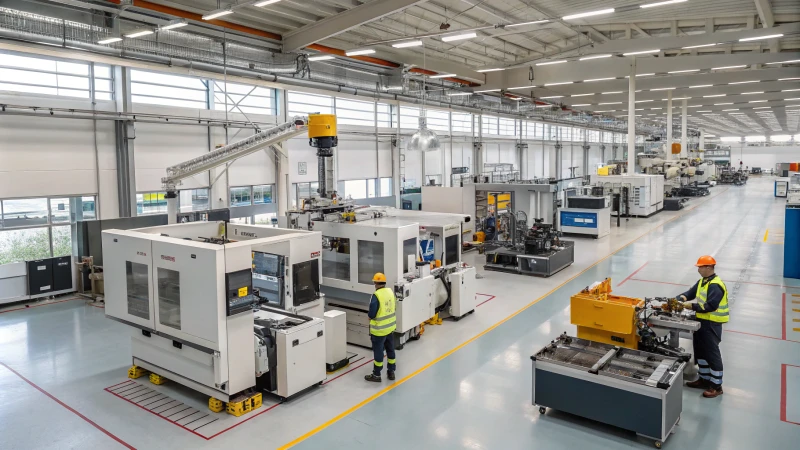
The event offers case studies on cycle-time cuts and tool life extensions. Booths showcase high-speed milling, EDM strategies, and laser texturing for complex grain patterns. It is also a hiring venue where students meet shop leaders from the region.
| Event | Date | Location | Highlights |
|---|---|---|---|
| EMAF – International Fair of Machinery, Equipment and Services | Biennial | Porto (Exponor) | Live CNC demos, probing clinics, SPC sessions |
| MOLDPLÁS | Annual | Batalha / Leiria | Mold and plastics cluster focus, laser texture, HSM |
Part 4: Impact of Global Trade Policies
EU policy sets the frame for Portuguese machining. Customs rules, sanctions, and export controls influence alloy sourcing and measuring gear. The EU’s CBAM and eco-design rules push shops to track energy, scrap, and emissions. I see more dashboards that convert kilowatt hours and coolant usage into job-level data.
Local substitution is rising. Foundries, heat treaters, and coaters invest near the clusters to cut transit time. Risk falls when tooling steel, electrodes, and inserts are available within a short truck ride. Shops also standardize tools, holders, and probing cycles to reduce supply shocks.
International competition stays firm from Central Europe and Asia. Portugal wins on complex geometry, surface quality, and fast engineering response. Green machining, solar power, and mist control help meet buyer ESG checks. Ports like Leixões and Sines keep exports moving when air cargo gets tight.
Part 5: Conclusion
Portugal’s CNC ecosystem is deep, export-ready, and steady. I see veteran mentors training young programmers on real parts, not just samples. That mix of experience and digital skill lifts yield and shortens ramps. The clusters keep attracting partners in metrology, coatings, and automation.
Challenges are real. Energy prices, labor gaps, and tight customer audits test every process. Teams that double down on fixtures, CAM libraries, and clean measurement will keep an edge. I expect more multi-axis cells, in-machine probing, and closed-loop SPC across the country.
Recommended Reading:
CNC Machining Philippines
CNC Machining Malaysia
CNC Machining Singapore
CNC Machining Hong Kong
CNC Machining Colombia
CNC Machining Romania
CNC Machining Iraq
CNC Machining Vietnam
Anodized aluminium profiles in electronics product
Extruded Aluminum Beam
6063 and 6061 Extruded LED Lighting Telecommunications and Audio Industrial Aluminum Heat Sink Profile
Anodized Aluminum Tubes


