Can a Liquid Cooling Plate Use Dielectric Coolants?
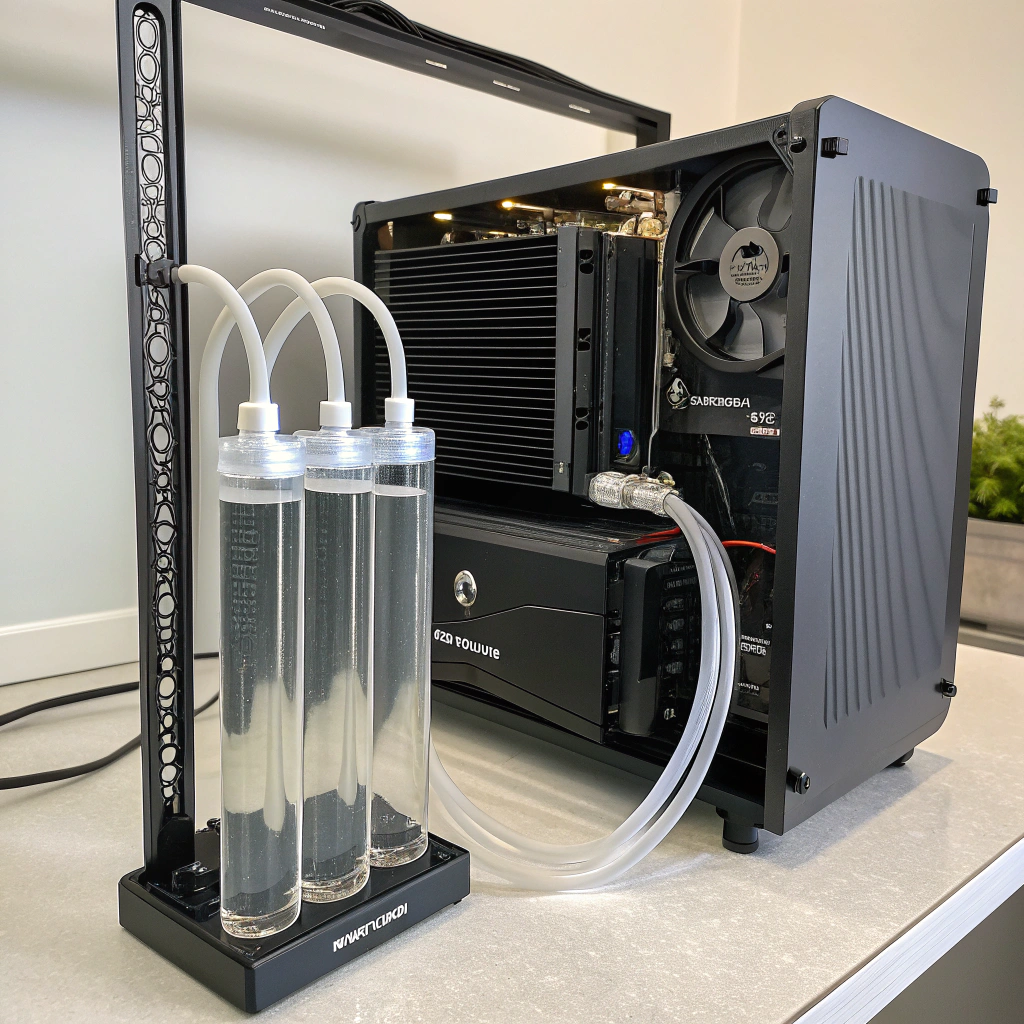
When you think about liquid cooling systems, the first thing that comes to mind is probably water. But what if there’s a safer, more efficient solution for cooling your high-performance electronics?
Yes, a liquid cooling plate can absolutely use dielectric coolants. These specialized fluids are non-conductive, making them perfect for cooling sensitive electronics without the risk of short circuits.
As technology advances, the demand for safer and more efficient cooling solutions increases. Let’s take a closer look at dielectric coolants, why they’re a great choice for certain systems, and how they work in cooling applications.
What Are Dielectric Coolants?
Dielectric coolants are gaining popularity in high-tech industries. But what exactly are they, and why should you consider them for your cooling system?
Dielectric coolants are fluids that don’t conduct electricity. They are designed to effectively transfer heat while providing electrical insulation, making them ideal for cooling sensitive electronics.
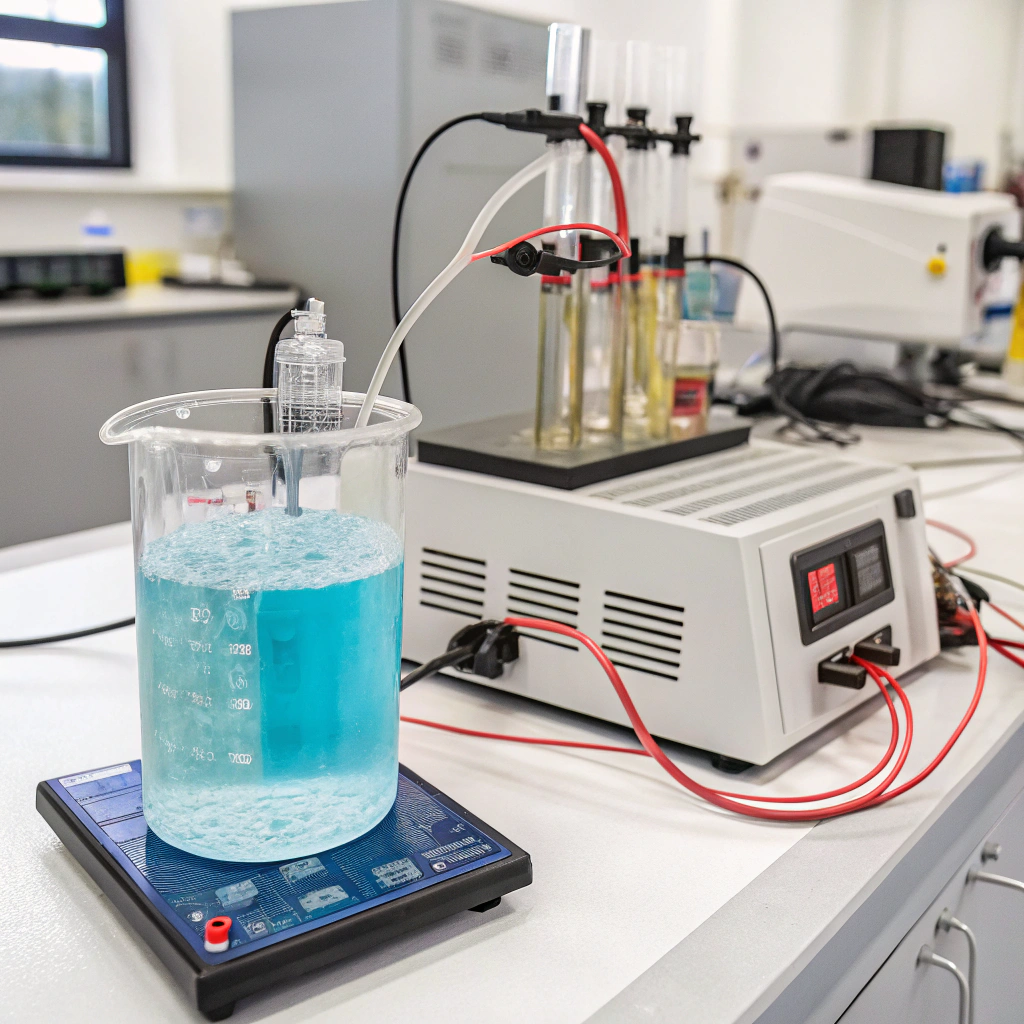
Dielectric coolants are fluids specifically engineered for applications where electrical safety is crucial. Unlike standard water-based coolants, dielectric coolants are non-conductive, meaning they don’t conduct electricity. This feature is particularly useful in electronic systems, where even a tiny electrical current could cause catastrophic damage. These fluids are commonly used in high-performance computing systems, power electronics, and electric vehicles, where traditional cooling methods might not offer the same level of protection.
Dielectric coolants typically have high thermal conductivity and low viscosity, which helps them transfer heat more efficiently from the components they are cooling. Some of the most common dielectric coolants include engineered synthetic fluids, mineral oils, and even specially formulated organic compounds. These fluids are also non-corrosive, which prevents them from causing damage to delicate internal parts over time. Additionally, many dielectric coolants are designed with properties that prevent foam formation, ensuring efficient circulation within the cooling system.
When it comes to selecting dielectric coolants, one of the critical factors to consider is their heat transfer capability. Efficient heat removal from the heat-generating components is essential to prevent overheating, which can lead to performance degradation or failure. Dielectric fluids like 3M’s Fluorinert and other synthetic coolants offer exceptional heat transfer properties, allowing them to maintain temperature control under high load conditions. However, it’s essential to weigh the cost of dielectric coolants, as they tend to be more expensive than traditional coolants.
Moreover, dielectric coolants can be a safer alternative to water-based cooling solutions. In the event of a leak, these fluids will not cause short circuits, which is a significant advantage in systems where electrical components are sensitive or exposed. Their ability to isolate electricity while still providing cooling makes them a preferred option in many mission-critical systems, such as those found in the aerospace, defense, and medical industries.
| Type of Dielectric Coolant | Characteristics | Example |
|---|---|---|
| Synthetic Fluids | High heat transfer, low viscosity | 3M Fluorinert |
| Mineral Oil | Non-conductive, inexpensive | Mineral oils |
| Organic Compounds | Eco-friendly, biodegradable | Vegetable-based coolants |

Dielectric coolants are cheaper than traditional water-based coolants.False
Dielectric coolants are generally more expensive than water-based coolants due to their specialized properties.
Dielectric coolants are non-conductive and prevent short circuits.True
Dielectric coolants are non-conductive, making them ideal for systems where electrical safety is a concern.
Why Use Dielectric Fluids for Safety?
Safety is a top priority when working with high-performance electronics, and dielectric fluids offer a significant safety advantage. Let’s dive into why they are used for this purpose.
Dielectric fluids are used for safety because they provide electrical insulation. If coolant leaks onto sensitive components, it won’t cause short circuits, which could lead to device failure or fire hazards.
One of the key reasons dielectric fluids are so valuable is their ability to provide electrical insulation. In systems where electrical components are housed close to each other or exposed to coolant, the risk of an electrical short circuit is a serious concern. If the coolant used is conductive, any leak could cause an electrical path between parts that should remain isolated, leading to device failure, fire, or even catastrophic damage.
Dielectric coolants, however, are designed to be non-conductive. This means that they don’t allow electricity to flow through them, even if they come into contact with exposed wiring or components. This property provides an extra layer of protection for systems that rely on electrical insulation to function safely. In situations where a leak might occur, dielectric coolants effectively prevent any electrical current from passing through the fluid, minimizing the potential for damage or dangerous accidents.
In addition to their non-conductivity, many dielectric fluids are also formulated to have low flammability. This reduces the risk of fires, especially in environments where heat generation is high, such as in servers, power electronics, and electric vehicles. Dielectric coolants typically have a high flash point, which makes them safer to use in high-temperature environments.
Furthermore, dielectric fluids can help prevent corrosion in systems that may be exposed to moisture or other contaminants. Some dielectric fluids are formulated to resist oxidation and minimize the buildup of mineral deposits, which could otherwise lead to clogging or damage to the cooling system. By keeping the system free from corrosive elements, dielectric coolants enhance the longevity and reliability of critical electronic equipment.
| Property of Dielectric Fluid | Description | Benefit |
|---|---|---|
| Non-conductivity | Does not allow electrical current | Prevents short circuits |
| Low flammability | High flash point, less risk of fire | Safer in high heat |
| Corrosion-resistant | Resists oxidation and buildup | Enhances system lifespan |

Dielectric fluids are flammable and should be used with caution.False
Dielectric fluids are specifically engineered to be low in flammability, making them safer for use in high-temperature environments.
Dielectric fluids can prevent short circuits and improve safety.True
Dielectric fluids provide electrical insulation, preventing short circuits and improving the safety of electronic systems.
How to Apply Dielectric Cooling Fluids?
When it comes to using dielectric coolants, proper application is essential for effective cooling. Here’s how you can apply dielectric fluids in your cooling system.
To apply dielectric cooling fluids, you’ll need to ensure that your cooling system is designed to accommodate them. They can be used in closed-loop systems, direct immersion setups, or even specialized cooling plates.
Applying dielectric cooling fluids in a system isn’t a one-size-fits-all process. The method of application largely depends on the cooling system design. In some systems, dielectric fluids are circulated in a closed-loop system, where the coolant absorbs heat from the components and then passes through a radiator or heat exchanger to release the heat. This setup requires careful sealing and proper fluid flow to prevent leaks.
Another approach is direct immersion cooling, where electronic components, such as circuit boards or processors, are fully submerged in dielectric fluids. This method is often used in high-performance computing systems, where direct contact with the coolant helps maximize heat dissipation. While direct immersion offers exceptional cooling efficiency, it requires specialized containment and fluid management systems to ensure that the components are fully immersed without risk of exposure to contaminants.
For cooling plates, dielectric fluids are circulated through a cooling plate, which sits in direct contact with heat-generating components. These plates are designed with channels to help direct the coolant flow efficiently, ensuring maximum heat absorption. The dielectric fluid then flows through a heat exchanger or cooling system to expel the heat.
In each of these applications, it’s important to use the right type of dielectric coolant for the job. Some coolants are better suited for low-temperature operations, while others might perform better in high-temperature environments. The thermal conductivity of the dielectric fluid is a critical factor to consider when selecting the best solution for your cooling system.
Additionally, you should ensure that the cooling system is properly maintained. Dielectric fluids can degrade over time, and their effectiveness in heat transfer can be diminished if they become contaminated. Regular checks of the fluid’s temperature, quality, and fluid levels can help prevent cooling failures and prolong the lifespan of the equipment.
| Cooling Method | Description | Ideal Use Case |
|---|---|---|
| Closed-loop Cooling | Fluid circulates to absorb and release heat | Servers, data centers |
| Direct Immersion Cooling | Components submerged in coolant for direct heat dissipation | High-performance computing systems |
| Cooling Plate Systems | Fluid flows through plate in contact with components | Electronics, power devices |
Dielectric fluids should be changed frequently to maintain performance.True
Dielectric fluids should be monitored and replaced as needed to maintain optimal cooling performance.
All dielectric fluids are the same and can be used interchangeably.False
Not all dielectric fluids are suitable for every system. It's important to select a coolant based on its thermal properties and the specific requirements of the system.
Conclusion
In summary, dielectric coolants provide a safe and effective way to cool high-performance electronic systems. Their non-conductive properties reduce the risk of short circuits and fires, making them a great choice for applications where electrical safety is critical. With proper application and maintenance, dielectric coolants can greatly enhance the performance and longevity of your equipment.