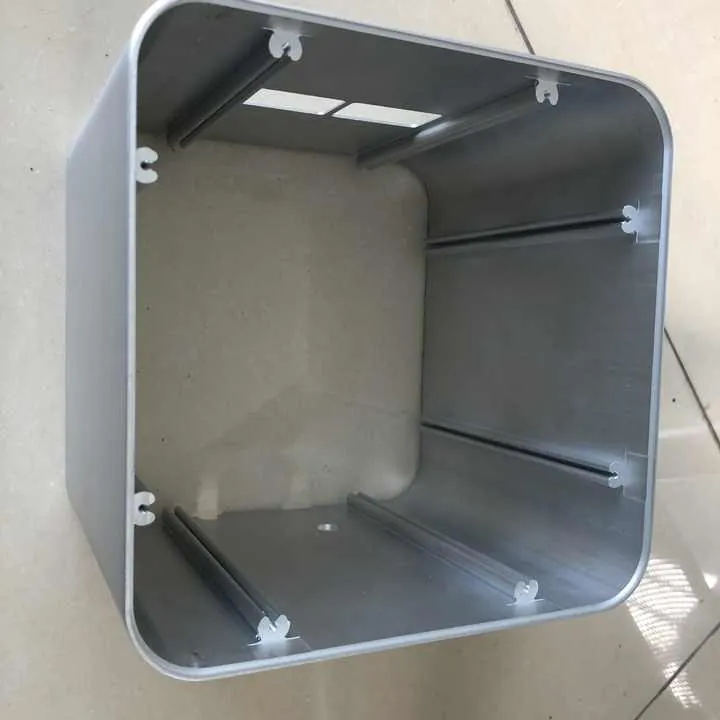
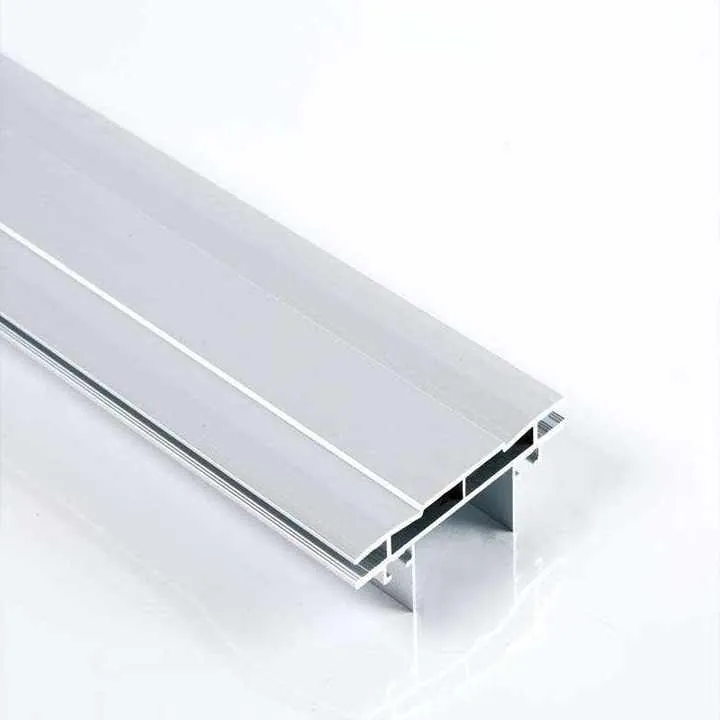
Is 3004 Aluminum Extrusion?

You face a metal‑profile decision and wonder: is 3004 aluminum alloy truly suitable for extrusion? The uncertainty can stall your next project.
Yes — 3004 alloy is a wrought aluminum alloy that can be extruded under the right conditions, though it is more common in sheet/coil form and may not always be optimal for heavy structural extrusions.
Let’s walk through what 3004 offers, why engineers might select it, how to identify it, and whether it meets structural needs. This will help you decide if it fits your project.
What properties define 3004 alloy extrusions?
Picture having a material that balances strength, formability and corrosion resistance — and you’re asking: what makes 3004 tick?
3004 is an Al‑Mn‑Mg wrought alloy (approx 1 % Mn, ~1 % Mg) offering moderate strength, excellent corrosion resistance and good formability; it is non‑heat‑treatable and strengthened by cold work.
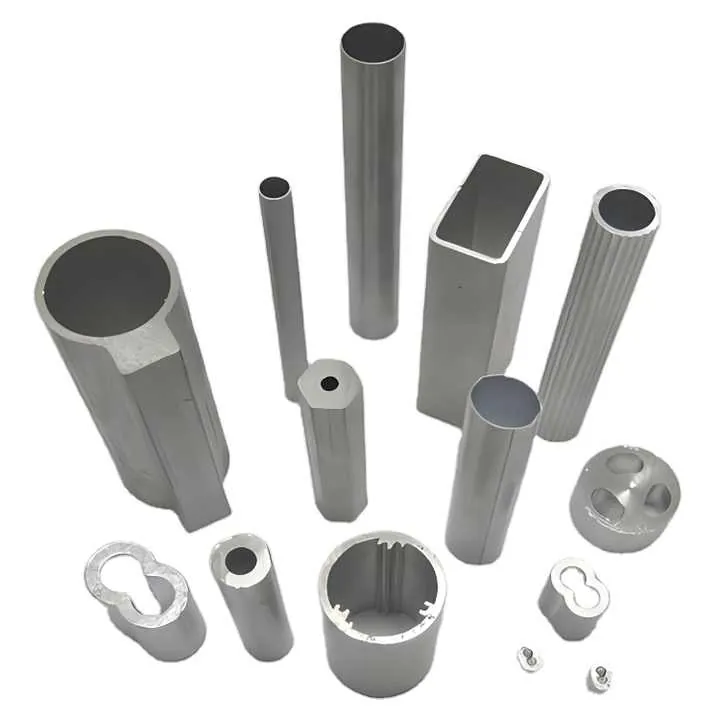
Let’s unpack the key aspects of 3004 so you understand what it offers and what its constraints are.
Chemical composition
- Al ~ 95.6–98.2 %
- Mn ~ 1.0–1.5 %
- Mg ~ 0.8–1.3 %
- Si, Fe, Cu, Zn — minor
Механични свойства
- Tensile strength: 170–310 MPa
- Yield strength: 68–270 MPa
- Modulus: ~70 GPa
- Density: ~2.72 g/cm³
- Corrosion resistance: Good
- Formability: Good
- Heat treatment: Not applicable
Typical properties table
| Собственост | Value/Behavior |
|---|---|
| Състав | ~1 % Mn, ~1 % Mg, Al rest |
| Максимална якост на опън | 170–310 MPa |
| Якост на провлачване | 68–270 MPa |
| Модул на еластичност | ~70 GPa |
| Плътност | ~2.72 g/cm³ |
| Strengthening method | Студена обработка |
| Заваряемост | Добър |
| Устойчивост на корозия | Добър |
3004 aluminum alloy is heat‑treatable to increase strength significantly Фалшив
3004 is non‑heat‑treatable; its strength is increased by cold working rather than precipitation heat treatment.
3004 aluminum alloy typically has about 1 % magnesium added to improve strength compared to 3003Истински
The addition of about 1 % magnesium (with Mn existing) gives 3004 higher strength than 3003.
Why 3004 is used in specific applications?
Imagine your application demands light weight, corrosion resistance, and good formability — you ask: why pick 3004 over other alloys?
3004 is chosen for its good balance of formability, corrosion resistance and moderate strength; it offers advantages in applications like beverage cans, roofing, siding, and thin sheet or coil products rather than heavy structural profiles.

Предимства
- Formability — good for cans and deep drawing
- Corrosion resistance — suitable for outdoor use
- Higher strength vs 3003
- Good weldability
- Cost-effective for moderate performance needs
Приложения
- Beverage cans
- Roofing and siding
- Curtain wall panels
- Chemical storage tanks
- Thin-wall formed profiles
Ограничения
- Not optimal for high-strength structural members
- Less common in heavy/thick extrusions
Обобщена таблица
| Случай на употреба | Why 3004 Works |
|---|---|
| Beverage cans | Thin-gauge strength + formability |
| Покриви, сайдинг | Corrosion + ease of fabrication |
| Light structures | Moderate strength + weldability |
| Sheet metal work | Cold workable and consistent performance |
3004 aluminum alloy is commonly used for beverage can stock because its higher strength allows thinner gaugesИстински
One application of 3004 is in making beverage cans; the addition of ~1 % Mg allows thinner sheets.
3004 aluminum alloy is ideally used for heavy structural beams in bridge applicationsФалшив
3004 has moderate strength and is not commonly chosen for heavy structural beams requiring high strength or heat‑treatability.
How to identify 3004 extrusion material?
You receive an aluminum extrusion and you’re wondering: is this really 3004 alloy? How do you check?
You can identify 3004 by checking its alloy marking/stamp, reviewing its temper designation, analyzing its chemical composition via spectroscopy or alloy verification tools, and confirming its mechanical test data against known 3004 property ranges.
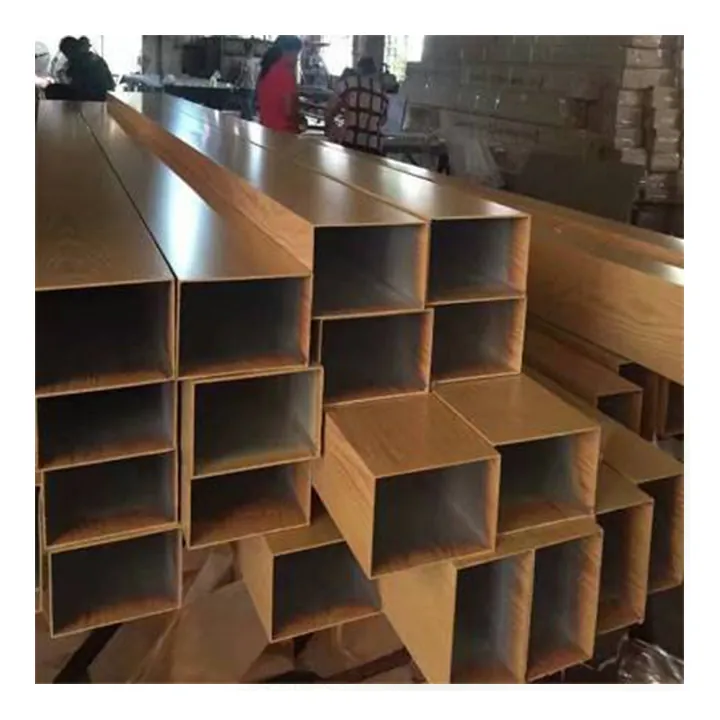
Identification steps
- Mill certificate — alloy + temper listed
- Temper code — H14, H24 etc.
- XRF analysis — Mg and Mn content
- Mechanical tests — check yield/tensile
- Cross-check with supplier records
Quick checklist
| Метод | Подробности |
|---|---|
| Сертификат | Look for “3004”, “A93004” |
| Visual form | Match with common shapes, use caution |
| Chemical test (XRF) | Confirm Mg 0.8–1.3 %, Mn 1.0–1.5 % |
| Mechanical data match | Yield/tensile strength in correct range |
You can reliably identify 3004 alloy purely by visual inspection of the extrusion profileФалшив
Visual inspection alone cannot confirm alloy identity; chemical analysis or certificate is needed.
Checking the certificate and matching the mechanical test data is a critical step to verify 3004 materialИстински
Certificates and mechanical test results provide proof that the material meets 3004 specification and temper requirements.
Can 3004 match structural requirements?
When you need to support loads, resist fatigue, or meet engineering specifications, you may ask: can 3004 handle structural use?
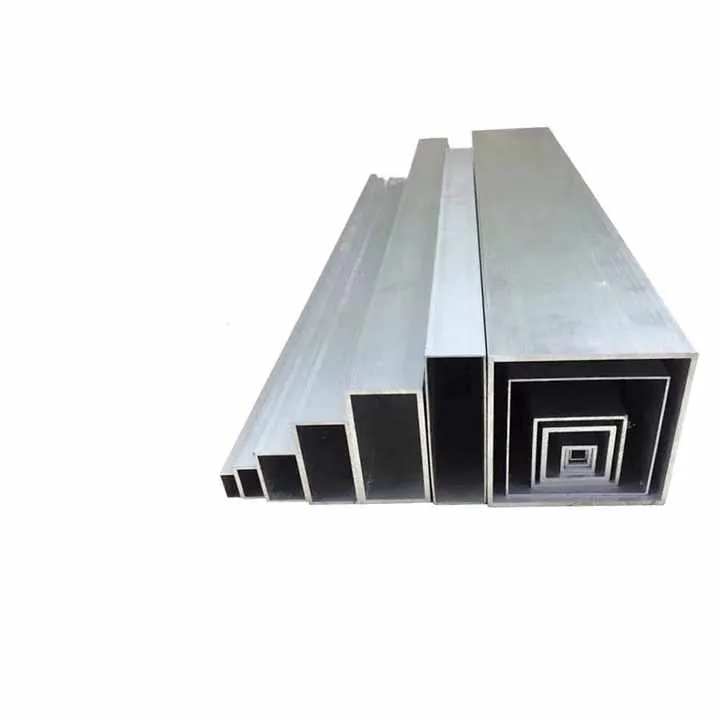
In some structural applications 3004 can be used, but because it offers moderate strength and lacks heat‑treatability, it may not be the best choice for heavy load‑bearing or fatigue‑critical profiles compared with higher‑strength alloys.
Key evaluation areas
- Strength: Moderate yield/tensile
- Stiffness: ~70 GPa — standard for aluminum
- Fatigue: Lower fatigue strength than heat-treatable grades
- Weldability: Good
- Corrosion resistance: Strong point
Use cases where 3004 fits
- Façade framing
- Secondary beams
- Low-load architectural profiles
Where it might not fit
- Load-bearing trusses
- Long-span beams
- High fatigue environments
3004 aluminum alloy is always the best choice for structural extrusions requiring high strengthФалшив
While 3004 has many good properties, it is moderate strength and non‑heat‑treatable, so it is not always optimal for high strength structural extrusions.
3004 aluminum alloy can be suitable for secondary structural elements with moderate loads and good corrosion resistanceИстински
For moderate load, corrosion‑exposed, well‑designed components, 3004 offers good formability, corrosion resistance and moderate strength, making it suitable for many secondary structural applications.
Заключение
In conclusion: yes — 3004 aluminum alloy може да be used for extrusion. The alloy brings moderate strength, good corrosion resistance and formability. However, when it comes to heavy structural requirements or high fatigue load cases, you should evaluate carefully whether 3004’s performance meets your structure’s demands or if a higher‑strength alloy is needed.