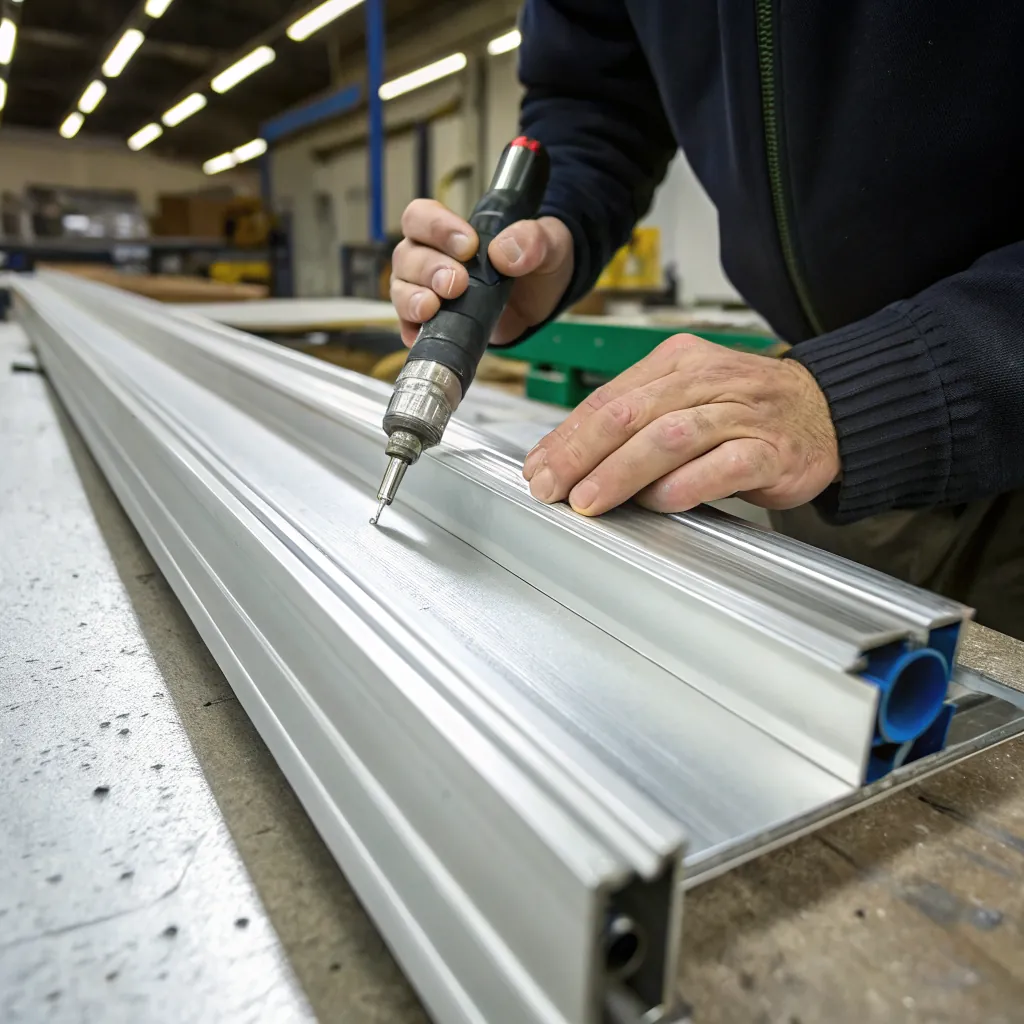
Методи за проверка на доставчиците на алуминиеви екструдирани профили?

Много купувачи губят време и пари, защото даден доставчик изглежда силен онлайн, но се проваля при реална доставка. Това разминаване води до стрес, закъснения и риск за качеството. Ясният метод за проверка помага да се избегне този проблем в началото.
Проверката на доставчика на алуминиева екструзия означава проверка на реалната производствена способност, системите за качество и контрола на управлението преди началото на поръчките. Тя намалява риска, защитава проектите и изгражда стабилни дългосрочни вериги за доставки.
Преди да продължите напред, е необходимо да забавите темпото и да проверите стъпка по стъпка. Всеки метод по-долу отговаря на един ключов риск, с който купувачите често се сблъскват при глобалното снабдяване.
Какви одити проверяват възможностите на доставчика на екструдиране?
Доставчиците често твърдят, че имат голям капацитет, но твърдения без доказателства водят до скъпоструващи грешки. Одитите разкриват реални пропуски в капацитета преди подписването на договорите.
Одитите на капацитета проверяват обхвата на оборудването, контрола на процеса, уменията на персонала и стабилността на продукцията. Те показват дали фабриката може да отговори на изискванията за размер, толеранс, сплав и обем.

Одитите на способностите се фокусират върху фактите вътре във фабриката. Те отиват отвъд търговските обещания и разглеждат реалното функциониране на производството.
Оборудване и капацитет
Сериозният одит започва с пресите за екструдиране. Тонажът на пресата определя размера и сложността на профилите, които фабриката може да произвежда. Доставчик, който разполага само с малки преси, не може да поддържа големи профили или дебели стени. Броят на пресите също е от значение. Повече линии означават по-добър резервен вариант и по-стабилна доставка, когато машините се спират за поддръжка.
Одиторите преглеждат също пещите за стареене, системите за закаляване и машините за изправяне. Тези етапи оказват пряко влияние върху механичната якост и праволинейността. Ако времето за стареене не се контролира, по-късно профилите могат да не издържат тестовете за якост. Ако изправянето е прибързано, профилите могат да се изкривят по време на употреба. Истинската способност не е свързана само със скоростта. Става въпрос за повторяем контрол.
Контрол на инструментите и матриците
Щанцовете определят точността на профила и качеството на повърхността. По време на одитите цеховете за щанци се проверяват внимателно. Добрите фабрики ясно разделят новите матрици, използваните матрици и матриците за скрап. Те водят документация за ремонта на матриците и проследяват живота на матриците.
Лошият контрол на матрицата води до изместване на размера и повърхностни линии. Това често води до преработка или оплаквания от клиенти. Силните доставчици инвестират в инструменти за корекция на матрици и квалифицирани техници. Те също така преглеждат обратната информация за матриците от производството и коригират проектите, когато е необходимо.
Стабилност на процеса
Контролът на процесите показва дали качеството може да бъде повторено. Одиторите проверяват съхранението на заготовките, контрола на температурата на заготовките, записите на скоростта на екструдиране и методите за охлаждане. Стабилните процеси намаляват брака и отклоненията.
Случайните настройки или липсващите протоколи показват слаба дисциплина. Когато операторите разчитат само на опита си без записи, резултатите зависят от това кой е на смяна. Това увеличава риска при големи или дългосрочни поръчки.
Работна сила и надзор
Машините не работят сами. Квалифицираните оператори и ясният надзор са от значение. Одиторите проверяват документите за обучение, правилата за предаване на смените и присъствието на ръководителя на работната площадка.
Голямото текучество на персонала често води до непостоянни резултати. Силните фабрики инвестират в хората и поддържат стабилни екипи. Тази стабилност пряко подпомага качеството.
| Позиция за одит | Силен доставчик | Слаб доставчик |
|---|---|---|
| Обхват на натискане | Множество опции за тонаж | Само еднократно натискане |
| Процесни записи | Пълно и актуализирано | Липсващ или неофициален |
| Управление на матрицата | Номерирани и проследявани | Смесени и незаписани |
| Обучение на операторите | Документирани програми | Само на работното място |
Одитите на капацитета се фокусират върху оборудването, контрола на процесите и уменията на работната сила, за да се провери реалната производствена способност.Истински
Одитите преглеждат пресите, матриците, записите на процесите и обучението на операторите, за да потвърдят действителните възможности.
Одитът на способностите проверява само външния вид на готовия алуминиев профил.Фалшив
Одитите проверяват всички производствени системи, а не само качеството на повърхността.
Как се проверява сертифицирането на качеството преди сътрудничеството?
Много доставчици показват сертификати, но не всички сертификати отразяват реален контрол. Проверката на сертификата за качество означава проверка както на документите, така и на ежедневната практика.
Проверката на сертификацията за качество потвърждава, че системи като ISO са активни, актуални и се прилагат в цеха. Това помага на купувачите да се доверят на последователността, а не само на качеството на пробите.
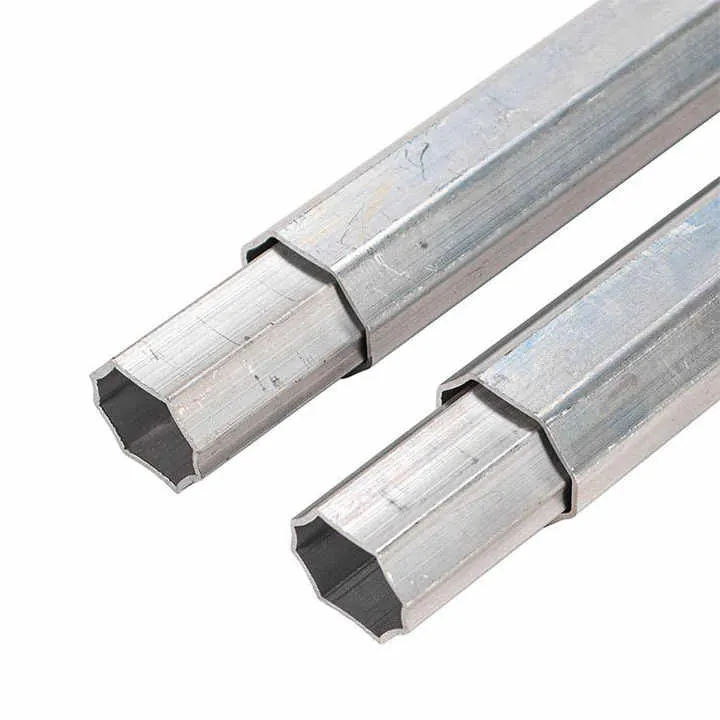
Сертифицирането трябва да намали тежестта на проверките на купувачите. Но само ако е истинска и се прилага.
Потвърждаване на сертификат
Първата стъпка е проверка на самия сертификат. Купувачите трябва да потвърдят номера на сертификата, издаващия орган, обхвата и датата на валидност. Обхватът трябва ясно да включва производството на алуминиева екструзия. Сертификат, който обхваща само търговията или машинната обработка, има малка стойност.
Сертификатите с изтекъл срок на валидност също увеличават риска. Те показват слаба поддръжка на системата и недостатъчно внимание от страна на ръководството.
Прилагане на системата на място
Истинската проверка се извършва в производството. Одиторите питат как се обработват несъответстващите профили. Те преглеждат докладите за коригиращи действия и графиците за вътрешен одит.
Ако служителите не могат да обяснят процедурите, системата вероятно съществува само на хартия. Истинските системи ръководят ежедневните решения, а не само одитите.
Възможност за проверка
Сертифицирането изисква инструменти за проверка и обучени инспектори. Одиторите преглеждат шублери, измервателни уреди, тестове за твърдост и достъп до изпитване на опън. Записите за калибриране са толкова важни, колкото и самите инструменти.
Липсващите записи за калибриране или тези с изтекъл срок на валидност намаляват доверието в резултатите от проверките. Без надеждни данни решенията се превръщат в предположения.
Контрол на проследимостта
Проследимостта позволява да се решават проблеми. Силните фабрики могат да проследяват профилите до партидата заготовки, хода на пресата и оператора. Това помага за анализ на първопричините и предотвратява повторни дефекти.
Без проследимост всеки проблем се превръща в пълна загуба.
| Елемент за качество | Ефективна система | Само формална система |
|---|---|---|
| Обхват на сертификата | Мачове за екструдиране | Твърде общи или неясни |
| Дневници за инспекции | Попълнете и подпишете | Непълна |
| Обработка на несъответствия | Ясен процес | Решения ad hoc |
| Записи за калибриране | Актуално | Липсващ |
Валидното сертифициране на качеството изисква както активен сертификат, така и ежедневно използване на системата.Истински
Сертификатите трябва да са актуални и подкрепени от реални записи за инспекции и коригиращи действия.
Ако доставчикът е сертифициран по ISO, не са необходими допълнителни проверки на качеството.Фалшив
Сертифицирането намалява риска, но не замества одитите или текущите проверки.
Могат ли посещенията в завода да гарантират надеждност на доставчика?
Дистанционните проверки помагат, но не могат да заместят личната проверка на операциите. Посещенията в завода разкриват подробности, които документите никога не показват.
Посещенията в заводите подобряват оценката на надеждността, като разкриват реални работни процеси, дисциплина и участие на ръководството. Те помагат на купувачите да преценят потенциала за дългосрочно партньорство.

Посещението не е свързано само с машини. То е свързано с това как хората работят заедно.
Наблюдение на производствения поток
Ясният производствен поток показва способността за планиране. Купувачите трябва да наблюдават движението на материалите от складирането на заготовките до опаковането им. Добрите фабрики етикетират ясно материалите и избягват смесването им.
Натовареният или неясен поток увеличава повредите при обработката и закъсненията при доставката. Тези рискове нарастват с размера на поръчката.
Поддържане на дома и безопасност
Чистите подове, подредените инструменти и знаците за безопасност отразяват контрола на ръководството. Лошото поддържане на дома често води до проблеми с качеството и злополуки.
Информираността за безопасността също така показва колко високо заводът цени дългосрочната работа.
Присъствие на ръководството
Надеждните фабрики имат мениджъри на място, които знаят състоянието на поръчките и проблемите. Те отговарят на въпросите ясно и с данни.
Ако мениджърите избягват работните места или разчитат само на персонала по продажбите, проблемите могат да останат скрити.
Опаковане и съхранение
Качеството на опаковката влияе върху състоянието на доставката. Купувачите трябва да проверят методите за защита, яснотата на етикетите и условията за съхранение. Слабата опаковка води до рекламации, дори когато профилите са добри.
| Наблюдение | Положителен знак | Предупредителен знак |
|---|---|---|
| Работен поток | Гладко и с етикет | Хаотичен |
| Отношение на персонала | Ангажирани и осведомени | Несигурно |
| Съхранение | Сухи и отделени | Смесени и открити |
| Комуникация | Отворени отговори | Избягване |
Посещенията във фабриката помагат на купувачите да оценят управленския контрол и ежедневната дисциплина.Истински
Посещенията разкриват работния процес, домакинството и поведението на персонала, които документите не могат да покажат.
Онлайн видеоклиповете осигуряват същата надеждност като посещението на място.Фалшив
Видеоклиповете са селективни и не могат да заменят прякото наблюдение.
Каква документация трябва да изискват клиентите от доставчиците?
Документите свързват обещанията с отчетността. Липсата на документи отслабва преговорите и разрешаването на спорове.
Клиентите трябва да изискват технически, качествени и търговски документи, които ясно определят отговорностите. Тези документи защитават и двете страни по време на сътрудничеството.
Ранното изискване на документи филтрира сериозните доставчици от рисковите.
Технически документи
От съществено значение са чертежите на профилите, стандартите за сплав, границите на допустимите отклонения и определенията за обработка на повърхността. Ясните чертежи намаляват недоразуменията. Неясните спецификации създават спорове на по-късен етап.
Документи за качество
Сертификатите за изпитване в завода, докладите от инспекциите и плановете за контрол показват как се проверява качеството. Тези документи подпомагат обработката на рекламации и одитите.
Документи за обработка
Производствените диаграми и стандартите за опаковане обясняват как се обработват поръчките. Те помагат да се съгласуват очакванията за времето за изпълнение и защита.
Търговски документи
Офертите, фактурите и условията за плащане трябва да бъдат последователни. Внезапните промени са сигнал за слаб вътрешен контрол.
| Вид на документа | Цел | Риск, ако липсва |
|---|---|---|
| Рисуване | Определяне на продукта | Грешен профил |
| Доклад от изпитване | Проверка на сплавта | Неизправност |
| Запис от инспекция | Потвърждаване на качеството | Скрити дефекти |
| Спецификация на опаковката | Защита на пратката | Искове за обезщетение за вреди |
Ясните технически документи и документи за качество намаляват споровете по време на проектите за екструдиране на алуминий.Истински
Документите определят ясно спецификациите и отговорностите.
Устните споразумения са достатъчни, ако доставчикът е опитен.Фалшив
Без документи очакванията са неясни, а рисковете се увеличават.
Заключение
Проверката на доставчика е структуриран процес, а не единична проверка. Одитите, сертификационните прегледи, посещенията и документите работят заедно. Когато се извършват навреме, те намаляват риска, защитават бюджетите и подпомагат дългосрочното сътрудничество в областта на екструдирането на алуминий.