


Ограничения за материалите на RoHS за алуминиева екструзия?

Много купувачи се притесняват за скрити забранени вещества в алуминиевите профили. Една малка грешка може да доведе до отхвърляне на пратки, правни рискове и увреждане на репутацията на марката.
Ограниченията за материалите, свързани с RoHS, контролират използването на опасни вещества в алуминиеви екструдирани изделия и свързани с тях продукти. Производителите трябва да управляват суровините, покритията и производствените процеси така, че да отговарят на тези ограничения, и да предоставят доказателства за съответствие.
Много клиенти питат за RoHS по време на ранните разговори за снабдяване. Тази тема е още по-важна за купувачите в Европа, Северна Америка и Япония. В много проекти съответствието с RoHS не е просто техническо изискване. То е правно и търговско изискване. Надеждният доставчик на екструдиране трябва да разбира правилата, да контролира производствения процес и да предоставя ясни документи, когато е необходимо.
Кои вещества са забранени от RoHS в екструдираните изделия?

Много компании се фокусират само върху качеството на алуминиевата сплав. Въпреки това някои проекти се провалят, тъй като в покритията, добавките или материалите за обработка се появяват забранени вещества.
RoHS ограничава вещества като олово, живак, кадмий, шествалентен хром, PBB, PBDE и някои фталати. Тези материали трябва да останат под определени пределни концентрации в продуктите за екструдиране на алуминий.
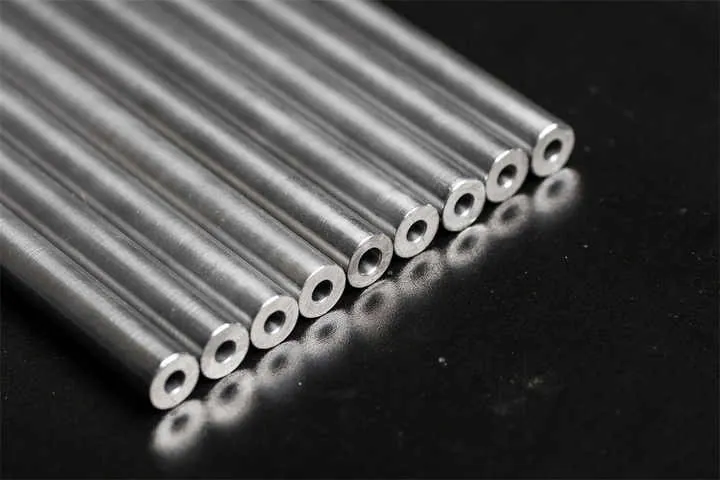
RoHS е съкращение от Restriction of Hazardous Substances (Ограничаване на опасните вещества). Регламентът започва да се прилага в Европейския съюз. Сега много страни следват подобни правила. При производството на алуминиеви екструдирани изделия RoHS контролира основно опасните вещества, които могат да се появят в суровините, покритията, боите, смазочните материали и повърхностните обработки.
Основни ограничени вещества
В таблицата по-долу са показани най-често срещаните ограничени вещества съгласно RoHS.
| Вещество | Максимален лимит | Обща рискова област |
|---|---|---|
| Олово (Pb) | 0.1% | Добавки за сплави, спойка |
| Живак (Hg) | 0.1% | Стари електрически части |
| Кадмий (Cd) | 0.01% | Пигменти, покрития |
| Шествалентен хром (Cr6+) | 0.1% | Обработка на повърхността |
| PBB | 0.1% | Забавители на горенето |
| PBDE | 0.1% | Пластмасови материали |
| DEHP | 0.1% | Добавки за пластмаса |
| BBP | 0.1% | Гъвкави пластмаси |
| DBP | 0.1% | Уплътнители |
| DIBP | 0.1% | Промишлени пластификатори |
Защо алуминиевите екструзии обикновено се представят добре
Самият чист алуминий обикновено не съдържа ограничени вещества над границите на RoHS. Повечето проблеми идват от вторичните материали. Например боядисаните профили, анодизираните части, уплътненията, термичните прекъсвания, етикетите или пластмасовите аксесоари могат да създадат рискове за съответствие.
Много купувачи на екструдирани изделия смятат, че анодираният алуминий автоматично отговаря на правилата на RoHS. Това не винаги е вярно. Някои химически обработки могат да включват ограничени хромови съединения, ако контролът на процеса е слаб. Този проблем се появява по-често в по-стари фабрики с остарели системи за обработка.
Често срещани рискови точки по време на снабдяването
Няколко ситуации на снабдяване създават по-високи рискове, свързани с RoHS:
Източници на рециклиран алуминий
Рециклираният алуминий спомага за намаляване на разходите и подкрепя целите за устойчивост. Въпреки това при лошо сортиране на материала може да се появи олово или други замърсители. Надеждните доставчици трябва внимателно да тестват входящите заготовки.
Прахови покрития с ниска цена
Доставчиците на евтини покрития понякога използват пигменти или добавки, които не отговарят на изискванията на RoHS. Купувачите винаги трябва да изискват доклади за съответствие на покритието.
Смесени производствени линии
Фабриките, които обработват както отговарящи, така и неотговарящи на изискванията продукти на една и съща линия, могат да бъдат изправени пред рискове от замърсяване. Доброто разделяне на процесите е важно.
Какво обикновено изискват сериозните купувачи
Големите индустриални купувачи често изискват:
- Декларация RoHS
- Лабораторни доклади на трети страни
- Декларации за състава на материала
- Подробности за обработката на повърхността
- записи за проследяване на партиди
Това искане е често срещано в автомобилната, електронната, осветителната и соларната индустрия. Много мениджъри, отговарящи за снабдяването, вече включват проверките на RoHS в одитите на доставчиците, преди да направят големи поръчки.
Ограниченията на RoHS се отнасят само за необработен алуминиев метал.Фалшив
RoHS обхваща и покрития, добавки, пластмаси и повърхностни обработки, свързани с алуминиеви екструдирани изделия.
Шествалентният хром при обработката на повърхности може да създаде рискове за съответствие с RoHS.Истински
Some older treatment systems may still use restricted chromium compounds if process control is poor.
How is compliance verified during production?

Some suppliers promise RoHS compliance during sales talks. Still, buyers often discover later that no testing or tracking system actually exists inside the factory.
RoHS compliance is verified through raw material inspection, supplier qualification, laboratory testing, production traceability, and final inspection reports before shipment.
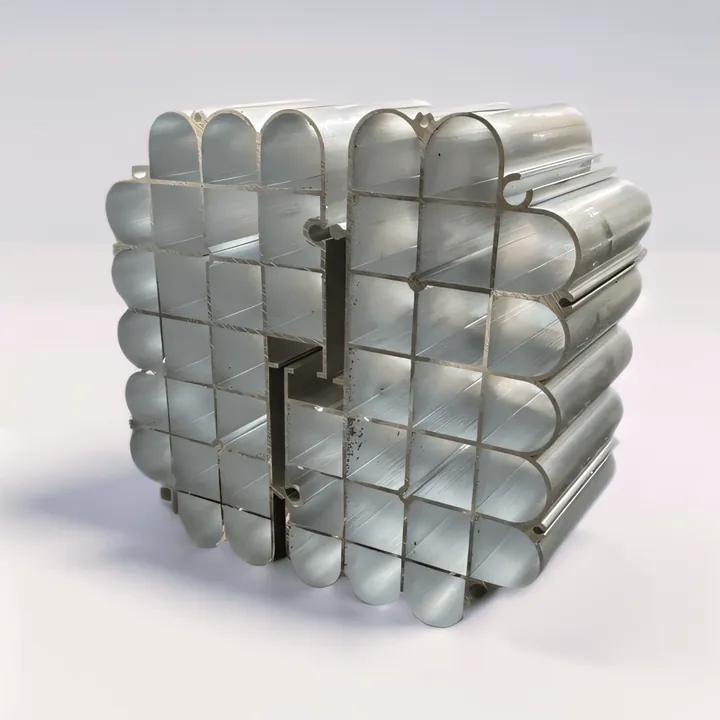
A professional extrusion manufacturer does not rely only on supplier promises. Real compliance needs control throughout the full production cycle. In many export projects, buyers expect a documented system instead of verbal confirmation.
Incoming Raw Material Inspection
The process usually starts with billet inspection. Reliable factories review supplier certificates and perform random material testing. This step helps reduce contamination risks before extrusion begins.
Some manufacturers use handheld XRF analyzers for fast screening. These devices detect heavy metals like lead and cadmium quickly. Still, XRF testing alone is not enough for full compliance validation.
Production Process Control
Factories with strong quality systems separate compliant and non-compliant materials clearly. This separation matters in several production stages:
| Етап на производство | Compliance Focus |
|---|---|
| Billet storage | Material identification |
| Екструзия | Cross-contamination control |
| CNC обработка | Lubricant management |
| Обработка на повърхността | Chemical monitoring |
| Опаковка | Label and ink compliance |
Laboratory Testing
Third-party testing remains one of the most trusted verification methods. Many international buyers request SGS, TUV, or Intertek reports before shipment approval.
Typical RoHS laboratory methods include:
XRF Screening
Fast and cost-effective. Useful for routine inspections.
Мокър химичен анализ
More accurate for detailed substance detection.
GC-MS Testing
Often used for phthalate analysis in plastics and seals.
Traceability Matters
Strong traceability systems help suppliers identify which batch used which billet, coating, or chemical. This system becomes very important when customers report quality problems later.
In our industry, stable traceability often separates serious manufacturers from trading-only suppliers. Buyers in automotive and electronics sectors pay close attention to this point during factory audits.
Why Production Records Matter
Many customers only ask for the final certificate. Still, experienced buyers know that production records are more valuable than a simple document. A certificate without process control has little meaning.
Good compliance systems usually include:
- Batch numbers
- Supplier records
- Chemical inventory logs
- Testing history
- Доклади от инспекции
- Corrective action records
These files help prove compliance during customs checks or customer audits.
Third-party laboratory reports are commonly used to verify RoHS compliance.Истински
Many buyers request SGS, TUV, or Intertek testing reports before shipment.
RoHS compliance can be verified without controlling raw material sources.Фалшив
Raw material inspection is one of the first and most important compliance control steps.
Can surface finishes affect RoHS status?
Many buyers focus on extrusion alloy grades but forget that surface finishes may introduce restricted chemicals into otherwise compliant aluminum products.
Yes, surface finishes can affect RoHS status because coatings, anodizing chemicals, paints, and pretreatment materials may contain restricted substances if process controls are weak.
Surface finishing plays a major role in aluminum extrusion manufacturing. It improves appearance, corrosion resistance, durability, and product value. Still, this stage also creates one of the biggest RoHS compliance risks.
Common Surface Finishes in Aluminum Extrusion
The most common finishing methods include:
- Анодиране
- Прахово покритие
- Електрофореза
- PVDF покритие
- Прехвърляне на дървесни зърна
- Brushing and polishing
Each process uses different chemicals. Some older chemical systems may contain restricted substances.
Anodizing Risks
Anodizing itself is usually RoHS compliant when managed correctly. The main concern comes from pretreatment chemicals and sealing processes.
Older chromate conversion coatings sometimes contain hexavalent chromium. This substance is restricted under RoHS because it creates environmental and health risks.
Many modern factories now use chromium-free systems. Buyers should still confirm this point instead of making assumptions.
Powder Coating Risks
Powder coating suppliers may use pigments and additives from different sources. Cheap powders may contain restricted heavy metals. This issue becomes more common when suppliers focus only on low cost.
Good manufacturers normally request compliance declarations from coating suppliers and perform periodic testing.
Comparing Surface Finish Risks
| Повърхностно покритие | Main RoHS Risk |
|---|---|
| Анодиране | Chromium compounds |
| Прахово покритие | Heavy metal pigments |
| Електрофореза | Химически добавки |
| Прехвърляне на дървесни зърна | Ink composition |
| PVDF покритие | Additive compliance |
Why Buyers Should Ask Detailed Questions
Some suppliers simply state "RoHS compliant" on quotations. Still, buyers should ask deeper questions:
What pretreatment chemicals are used?
This question helps identify chromium-related risks.
Are coating suppliers audited?
A strong supply chain management system reduces hidden risks.
Are finish-specific RoHS tests available?
This request gives stronger proof than general declarations.
Surface Finish Compliance Is Not Automatic
Many buyers believe all anodized or powder-coated aluminum products automatically meet RoHS requirements. That assumption creates problems during audits and customs inspections.
Compliance depends on:
- Chemical selection
- Supplier quality
- Контрол на процесите
- Testing frequency
- Documentation management
Factories with strong technical teams usually perform better because they update chemical systems based on changing regulations.
Surface finishes can introduce restricted substances into aluminum extrusion products.Истински
Coatings, pigments, and treatment chemicals may contain restricted substances if not controlled properly.
All anodized aluminum products automatically comply with RoHS.Фалшив
Compliance depends on the chemicals and processes used during anodizing.
Do suppliers provide material declaration forms?
Many procurement teams struggle when suppliers cannot provide clear compliance documents. Missing declarations often delay projects and increase audit pressure.
Most professional aluminum extrusion suppliers provide material declaration forms, RoHS declarations, and testing reports to support customer compliance requirements.
Material declaration forms have become standard in many industries. Large OEM buyers often require these documents before approving new suppliers. In some projects, production cannot begin until all compliance paperwork is complete.
What Is a Material Declaration Form?
A material declaration form explains the substances used in a product. It may include:
- Състав на сплавта
- Coating information
- Restricted substance status
- Supplier confirmation
- Regulatory references
Different customers use different formats. Some companies create their own templates. Others follow international systems like IPC-1752.
Common Compliance Documents
The table below shows the most common files buyers request from extrusion suppliers.
| Документ | Цел |
|---|---|
| Декларация RoHS | Confirms compliance status |
| Material Declaration Form | Lists material composition |
| Test Report | Shows laboratory verification |
| SDS | Explains chemical safety data |
| Сертификат за съответствие | Confirms production compliance |
Why Declarations Matter for Buyers
Material declarations help buyers reduce legal and commercial risks. Many importers must prove compliance to customs authorities or downstream customers.
This issue becomes more important in industries such as:
- Електроника
- Автомобилна индустрия
- Medical equipment
- Осветление
- Възобновяема енергия
- Индустриална автоматизация
What Reliable Suppliers Usually Include
Professional extrusion manufacturers normally provide:
Signed Company Declaration
This document confirms the supplier accepts compliance responsibility.
Batch-Based Reports
Some buyers request reports linked to specific production lots.
Third-Party Testing
Independent verification builds stronger customer confidence.
Updated Regulatory Statements
Regulations change often. Good suppliers update declarations regularly.
Common Problems Buyers Face
Not all suppliers manage documentation well. Buyers often see several weak points:
- Expired reports
- Missing signatures
- Generic templates
- Incomplete substance lists
- Reports unrelated to actual production batches
These problems create audit risks later.
Why Long-Term Suppliers Invest in Compliance
Suppliers that export to Europe, Japan, and North America usually build stronger documentation systems because customers expect high transparency.
In our field, strong documentation often reflects strong factory management overall. Companies that control production data well usually also control quality and delivery better.
A supplier that responds quickly with organized declarations often saves buyers time during qualification, customs clearance, and customer audits.
Material declaration forms help buyers prove regulatory compliance.Истински
These documents provide material and substance information required during audits and import processes.
RoHS declarations are only needed for electronics manufacturers.Фалшив
Many industries using aluminum extrusions request RoHS documentation, including automotive, lighting, and renewable energy sectors.
Заключение
RoHS compliance in aluminum extrusion involves much more than alloy selection. Buyers must also review coatings, chemicals, testing systems, and supplier documentation. Strong process control and transparent records help reduce compliance risks and support stable long-term business cooperation.


