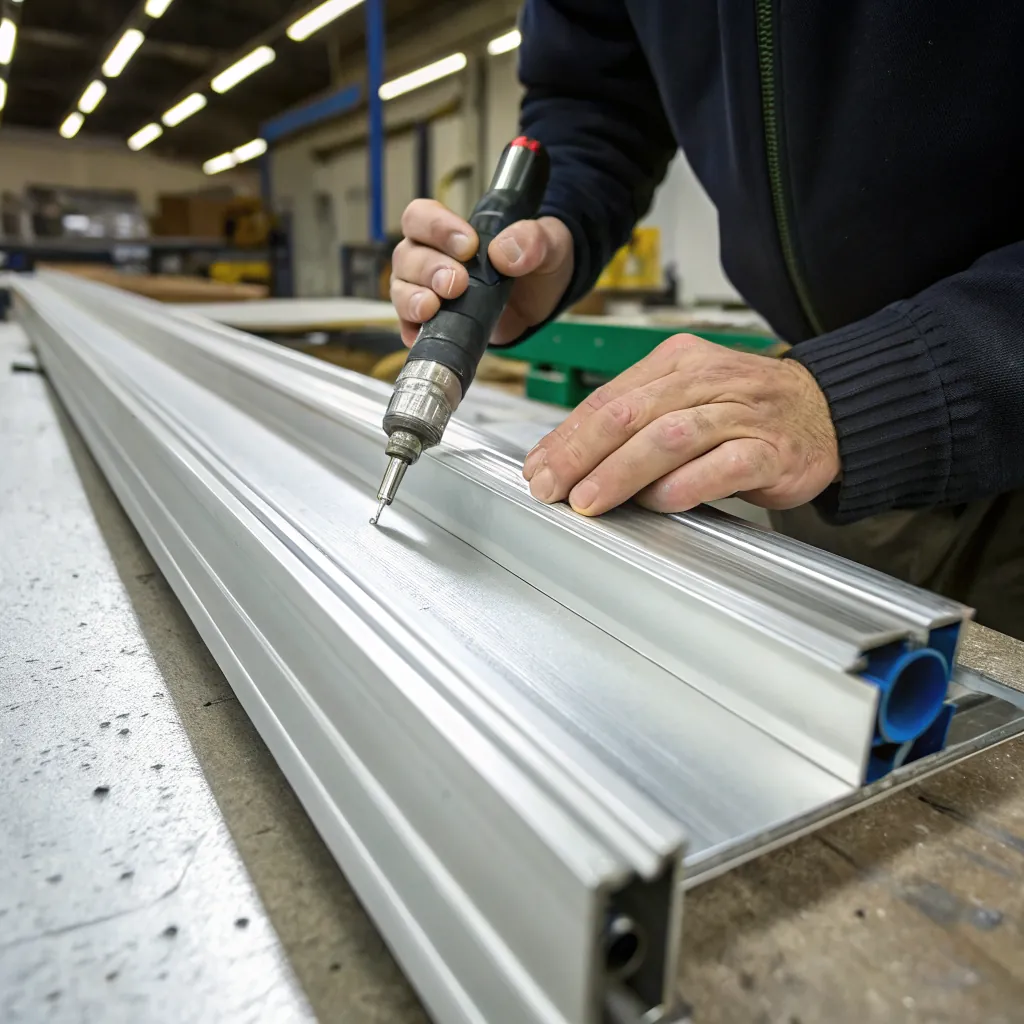

Алуминиева екструзия, препоръчителна сплав за външна употреба?
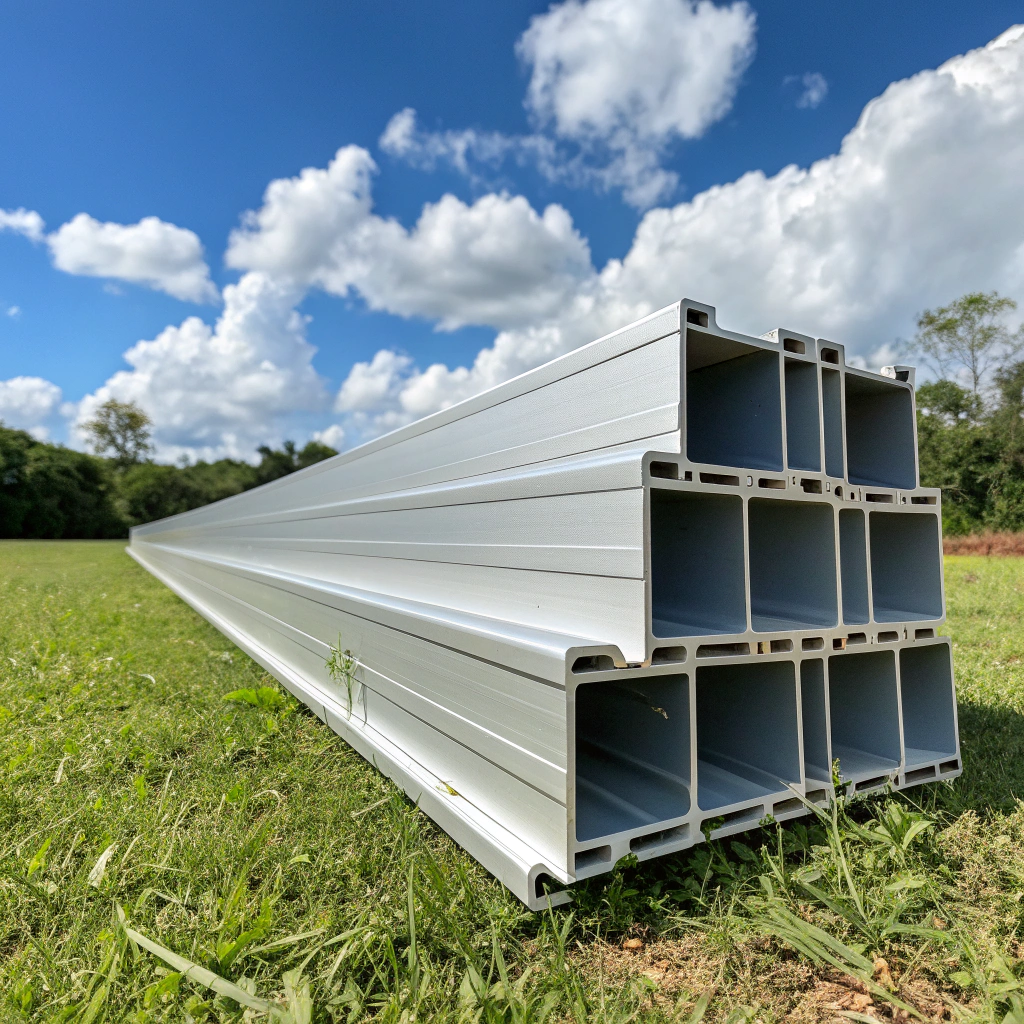
Outdoor projects often fail because the wrong aluminum alloy is chosen. Corrosion, color fade, and strength loss appear faster than expected. This creates cost, delay, and risk.
Yes, aluminum extrusion can perform very well outdoors, but only when the right alloy and finish are selected for the environment, load, and service life.
Many buyers focus on price or shape first. That approach often leads to early replacement. The better path is to understand how alloy chemistry, moisture, and surface treatment work together.
Which aluminum alloys are best for outdoor use?
Outdoor exposure quickly reveals weak alloy choices. Some alloys corrode, some deform, and some lose appearance. This makes alloy selection the first technical decision, not a secondary one.
For most outdoor aluminum extrusion projects, 6063 and 6061 are the best choices because they balance corrosion resistance, strength, and surface finish.
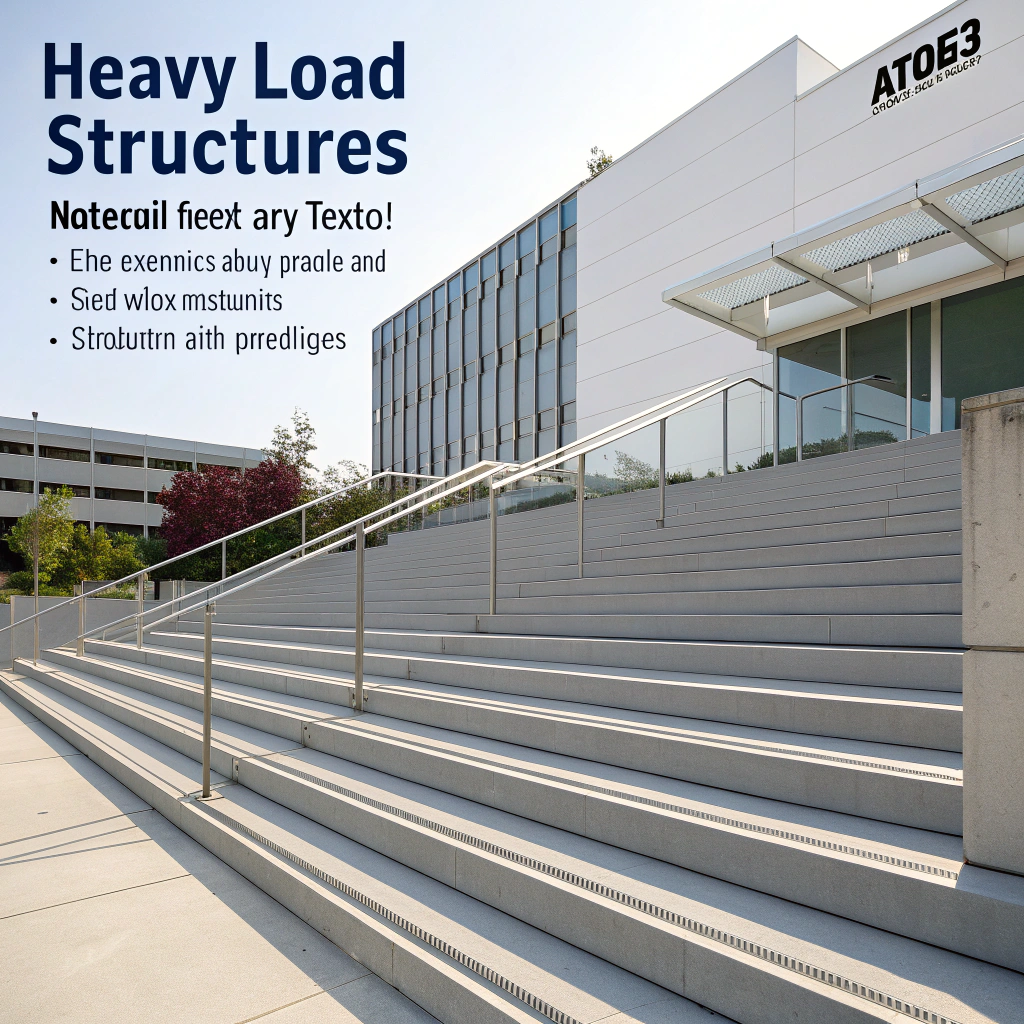
Why alloy selection matters outdoors
Outdoor conditions apply three constant stresses. These are moisture, temperature change, and UV exposure. Aluminum alloys react differently to each factor. A wrong alloy may look fine in the first year, then fail in year three.
I often see buyers assume all aluminum is the same. This is not true. Alloying elements such as magnesium and silicon change how aluminum behaves in open air. These elements control corrosion speed, hardness, and surface quality.
Common outdoor aluminum extrusion alloys
Below is a simple comparison of commonly used extrusion alloys for outdoor use.
| Сплав | Устойчивост на корозия | Ниво на сила | Качество на повърхността | Typical outdoor use |
|---|---|---|---|---|
| 6063 | Отличен | Среден | Very smooth | Facades, frames, railings |
| 6061 | Много добър | Висока | Добър | Structural frames, supports |
| 6005A | Добър | Висока | Среден | Industrial outdoor systems |
| 6082 | Добър | Много висока | Среден | Конструкции за тежко натоварване |
6063 is widely used for architectural outdoor products. It extrudes easily and gives a clean anodized surface. 6061 is stronger and works well when load matters more than appearance.
Matching alloy to project type
For visible outdoor parts, surface quality matters. 6063 is usually the safest option. For load-bearing outdoor frames, 6061 is often better. In many projects, both alloys appear in the same system.
Real-world outdoor performance factors
Outdoor aluminum fails not because aluminum is weak. It fails because alloy choice ignores climate. Coastal air, industrial pollution, and high humidity all speed corrosion. Choosing the right alloy reduces long-term risk.
6063 and 6061 alloys are widely used for outdoor aluminum extrusion due to balanced corrosion resistance and strength.Истински
Both alloys contain magnesium and silicon which improve corrosion resistance and mechanical stability in outdoor environments.
All aluminum extrusion alloys perform equally well outdoors regardless of composition.Фалшив
Different alloying elements change corrosion behavior and strength, leading to very different outdoor performance.
How does moisture exposure influence alloy choice?
Moisture is the main enemy of outdoor aluminum. Rain, humidity, condensation, and salt spray all attack the metal surface over time. Alloy choice controls how fast damage appears.
Higher moisture exposure requires alloys with stronger natural corrosion resistance and better surface stability.
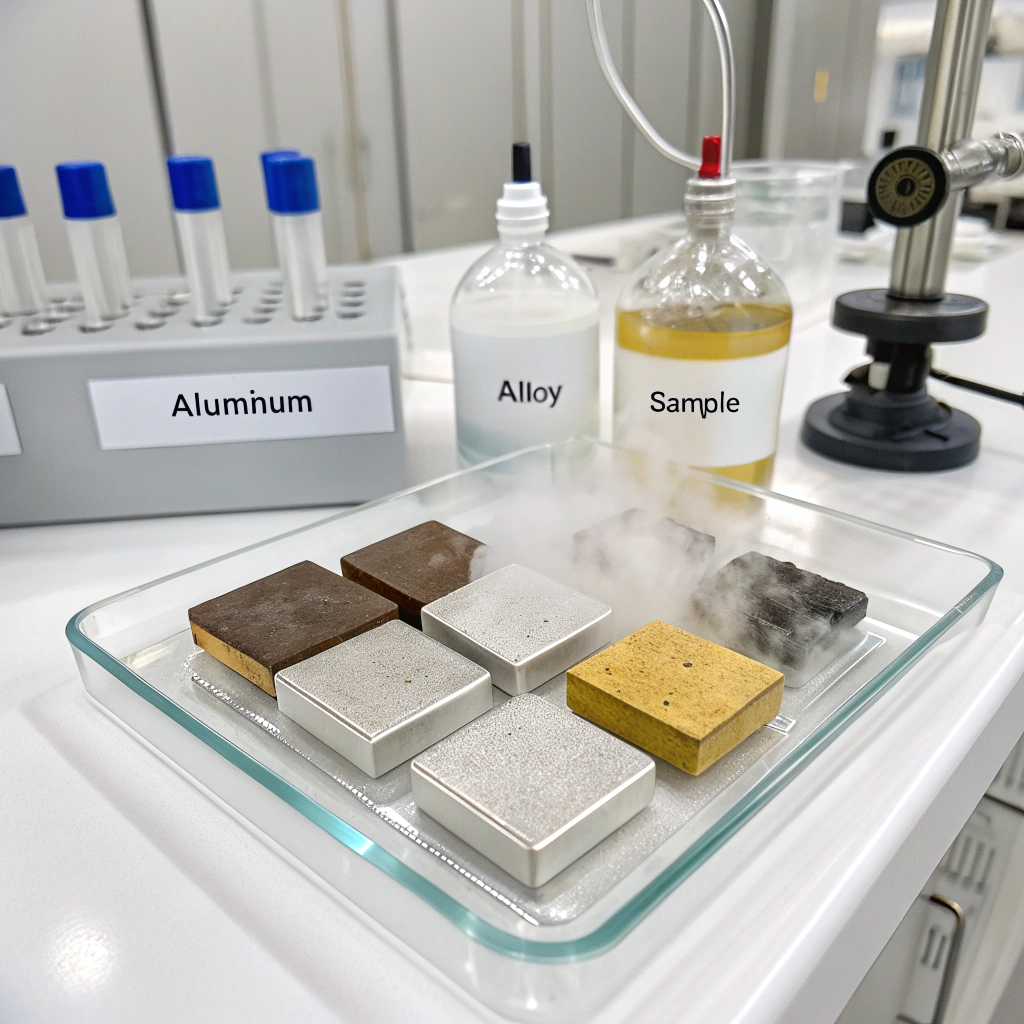
Understanding moisture types
Not all moisture behaves the same. Light rain in dry regions is different from constant humidity in coastal zones. Condensation in shaded areas can be worse than direct rain.
There are three main moisture environments:
- Dry outdoor with occasional rain
- Humid outdoor with frequent condensation
- Marine or industrial with salt or chemicals
Each environment demands a different alloy strategy.
How alloys react to moisture
Pure aluminum forms a thin oxide layer that protects it. Some alloying elements support this layer. Others weaken it. Magnesium helps corrosion resistance. Copper reduces it.
This is why 6000 series alloys perform better outdoors than 2000 series alloys. Copper-heavy alloys corrode faster when exposed to moisture.
Moisture driven alloy selection guide
| Moisture level | Recommended alloys | Avoided alloys | Причина |
|---|---|---|---|
| Нисък | 6063, 6005 | 2011 | Stable oxide layer |
| Среден | 6063, 6061 | 2024 | Balanced resistance |
| Висока | 6061, 6082 | 7075 | Better pitting resistance |
| Морски | 6061, 5083 | Серия 2000 | Salt resistance |
Long-term exposure risks
Moisture rarely causes instant failure. It causes slow pitting, staining, and loss of section thickness. Over years, this weakens joints and fastener zones.
In past projects, moisture damage often appeared first near bolt holes and cut edges. This is why alloy choice must align with finishing and design.
Design and alloy must work together
Alloy alone cannot solve moisture problems. Drainage design, sealing, and finish all matter. Still, starting with a moisture-tolerant alloy reduces risk from day one.
Moisture exposure increases the importance of corrosion resistant aluminum alloys.Истински
Water and humidity accelerate corrosion, making alloy selection critical for long-term durability.
Moisture exposure has little impact on aluminum extrusion alloy performance.Фалшив
Different alloys react very differently to moisture, especially over long outdoor exposure.
Are anodized finishes preferred in outdoor settings?
Outdoor aluminum is not only about strength. Appearance and surface life matter. Anodizing is often selected, but not always understood.
Yes, anodized finishes are widely preferred outdoors because they improve corrosion resistance, color stability, and surface hardness.

Какво всъщност прави анодирането
Anodizing thickens the natural oxide layer on aluminum. This layer becomes part of the metal. It does not peel like paint. This makes it very stable outdoors.
The process also allows color control. Natural silver, bronze, black, and champagne shades remain stable under UV exposure.
Anodizing vs other finishes outdoors
| Вид на завършека | Издръжливост на открито | Устойчивост на UV лъчи | Необходимост от поддръжка |
|---|---|---|---|
| Анодиране | Отличен | Много висока | Нисък |
| Прахово покритие | Много добър | Среден до висок | Среден |
| Финишно покритие от мелница | Беден | Нисък | Висока |
| Боядисване | Среден | Нисък | Висока |
Anodizing works best with 6063 alloy due to smooth extrusion surfaces. Thicker anodic layers perform better in harsh environments.
Limits of anodized finishes
Anodizing is not perfect. It does not hide scratches. Color matching across batches requires control. In marine zones, thicker anodizing is required.
Still, when combined with the right alloy, anodizing offers one of the longest service lives outdoors.
When anodizing is not the best option
For very complex colors, powder coating may be better. For heavy industrial use where appearance is less critical, mill finish plus design protection may be acceptable.
Choosing anodizing should consider alloy, climate, and visual goals together.
Anodized aluminum finishes improve outdoor corrosion resistance and color stability.Истински
The anodic layer thickens the protective oxide surface and resists UV and moisture.
Anodized finishes are only decorative and do not affect outdoor performance.Фалшив
Anodizing significantly improves corrosion resistance and surface hardness.
Can marine-grade alloys be used in construction?
Marine-grade alloys are often mentioned in outdoor projects. Some buyers assume they are always better. This assumption needs careful review.
Marine-grade alloys can be used in construction, but they are not always the most practical or cost-effective choice.
What defines marine-grade aluminum
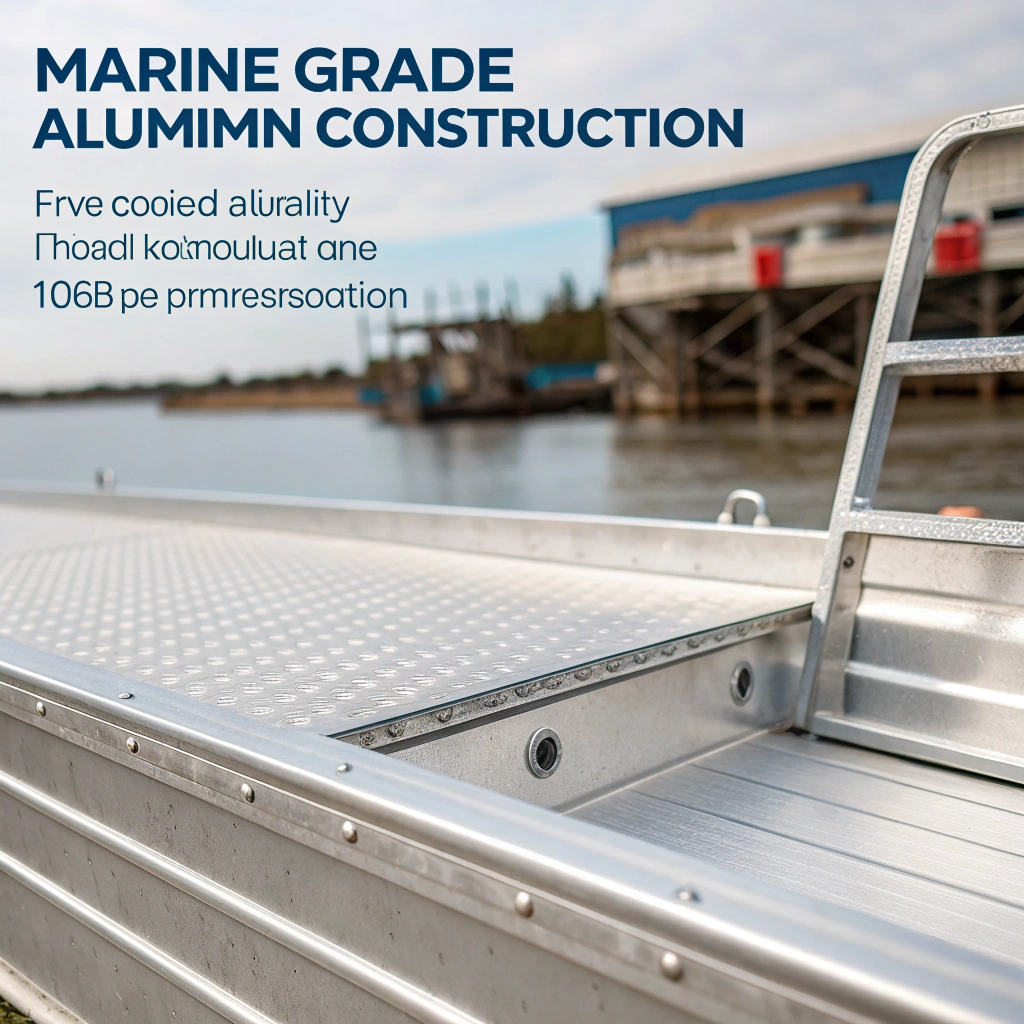
Marine-grade alloys are designed to resist saltwater corrosion. They usually belong to the 5000 series and contain high magnesium content.
Common marine alloys include 5083 and 5052. These alloys resist pitting in salt environments very well.
Strength and extrusion limits
Marine alloys are strong in corrosion resistance but weaker in extrusion complexity. They do not extrude as easily as 6000 series alloys. Surface finish is also rougher.
This limits their use in architectural profiles and tight tolerance systems.
Construction use cases
Marine-grade alloys make sense in:
- Coastal structures
- Офшорни платформи
- Waterfront facilities
- High salt industrial zones
They may not make sense in:
- Decorative facades
- Complex extruded shapes
- Projects with tight budgets
Cost and processing trade-offs
Marine alloys cost more. Tool wear is higher. Finishing options are limited. Anodizing results are less consistent.
For many construction projects, 6061 with proper anodizing performs well enough without marine-grade cost.
Practical selection logic
The best approach is environment-first selection. If salt exposure is constant, marine-grade alloys are valid. If not, 6000 series alloys remain the practical standard.
Marine-grade aluminum alloys offer superior corrosion resistance in salt-rich environments.Истински
High magnesium content improves resistance to saltwater corrosion.
Marine-grade aluminum alloys are always the best choice for all outdoor construction projects.Фалшив
They introduce cost, extrusion limits, and are unnecessary in non-marine environments.
Заключение
Outdoor aluminum extrusion succeeds when alloy, environment, and finish are aligned. 6063 and 6061 cover most needs. Moisture increases risk. Anodizing adds protection. Marine alloys are special tools, not default answers.