Съвместимост на алуминиевата екструзия с лазерно рязане?
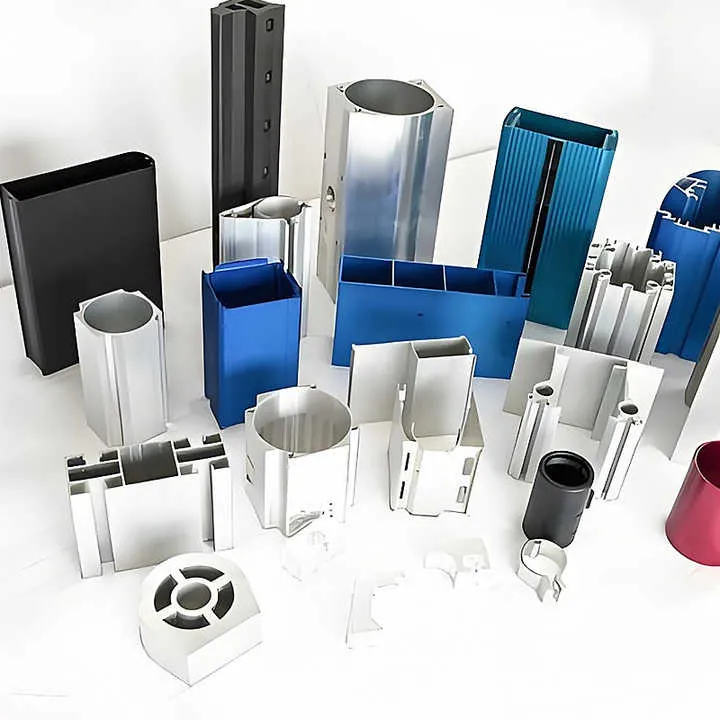
Лазерното рязане изглежда чисто и бързо, но много купувачи се колебаят, когато става въпрос за алуминиеви профили. Притесненията относно отразяването, грапавините и качеството на ръбовете често спират проектите в началото. Това съмнение води до закъснения и допълнителни разходи.
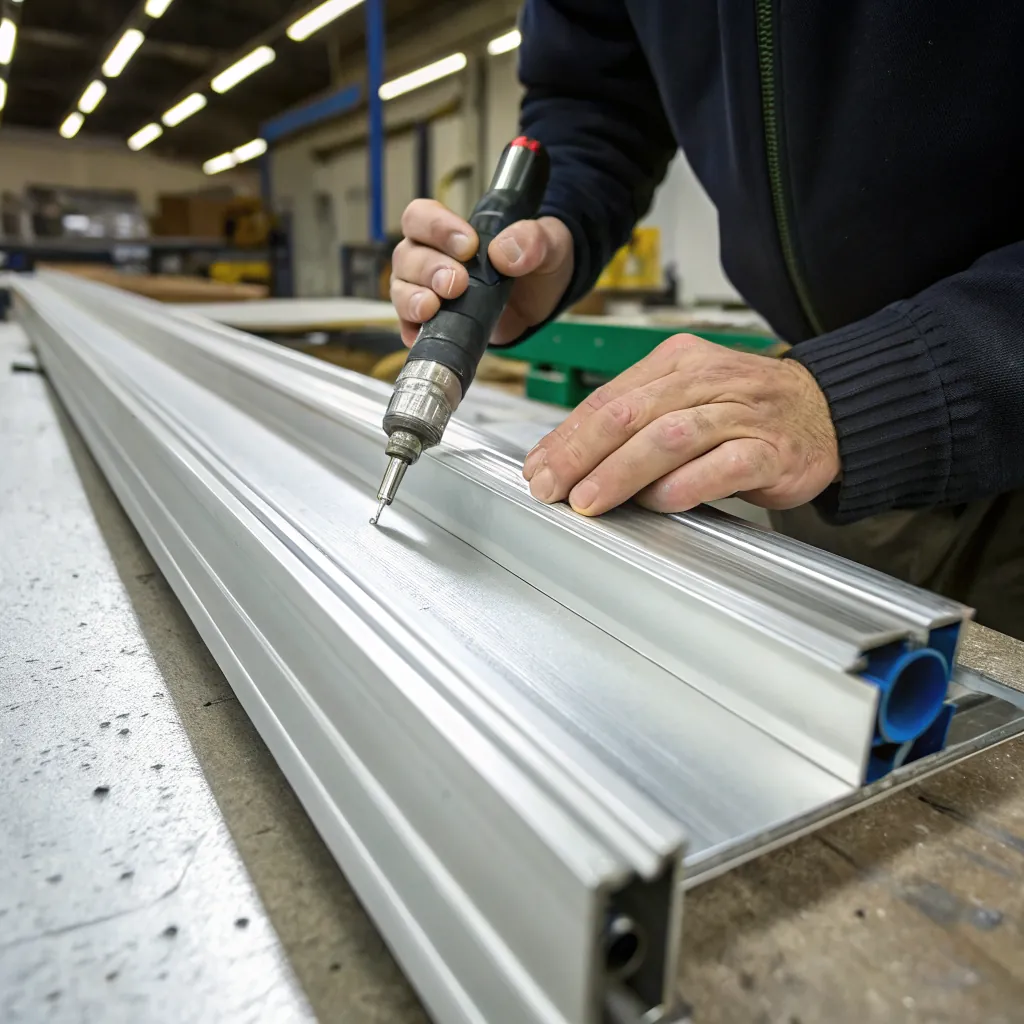
Алуминиевите профили са съвместими с лазерно рязане, когато дебелината, сплавта и контролът на процеса са правилно избрани. При правилна настройка лазерното рязане осигурява прецизни и повторяеми резултати.
След като конструкторските екипи разберат ограниченията и предимствата, лазерното рязане се превръща в практична възможност, а не в риск.
Може ли алуминиевите профили да се обработват с лазерно рязане?
Много хора все още смятат, че лазерното рязане е предназначено само за стомана. Това схващане е остаряло и води до липса на ефективност.
Алуминиевите профили могат да се режат с лазер, но за това са необходими специфични видове лазер, параметри и опит.
Защо алуминият е различен
Алуминият отразява лазерната енергия повече от стоманата. Той също така бързо провежда топлина. Тези две особености променят начина на рязане.
Основните предизвикателства включват:
- Висока отразяваща способност при някои дължини на вълната
- Бързо разсейване на топлината
- Риск от обратно отражение върху оптиката
Съвременните оптични лазери се справят с тези проблеми по-добре от по-старите системи.
Подходящи лазерни технологии
Не всички лазери работят еднакво върху алуминий.
Общи опции:
- Влакнест лазер
- CO2 лазер
Сега се предпочитат влакнести лазери. Те предлагат:
- По-висока ефективност
- По-добро усвояване
- По-високи скорости на рязане
CO2 лазерите могат да режат алуминий, но с повече ограничения за дебелината и скоростта.
Типични приложения за екструдиране
Лазерното рязане често се използва за:
- Нарязване на прорези и отвори
- Крайно подрязване
- Отвори за прозорци
- Промяна на профила
Работи добре, когато разрезите са двуизмерни и достъпни.
Точност и повторяемост
Лазерното рязане осигурява тесни допуски.
Ползите включват:
- Чисти ръбове
- Минимално износване на инструментите
- Цифрова повторяемост
Това подпомага автоматизацията и серийното производство.
Преглед на съвместимостта
| Фактор | Пригодност за лазерно рязане |
|---|---|
| Прости отвори | Много добър |
| Сложни форми | Добър |
| Дебели участъци | Ограничен |
| Вътрешни кухини | Не е достъпно |
Лазерното рязане е съвместимо, но не е универсално.
Алуминиевите профили могат да се обработват с помощта на съвременни системи за лазерно рязане.Истински
Влакнестите лазери позволяват ефективно рязане на алуминий с подходящи настройки.
Лазерното рязане изобщо не може да се използва за алуминиеви профили.Фалшив
С правилното оборудване алуминиевите профили могат да бъдат успешно рязани с лазер.
Как дебелината и сплавта влияят на качеството на лазерното рязане?

Дебелината и изборът на сплав често решават успеха или неуспеха. Пренебрегването им води до неравни ръбове и бавни цикли.
Качеството на лазерното рязане на алуминиеви профили силно зависи от дебелината на стената и състава на сплавта.
Влияние на дебелината
По-дебелият алуминий се нуждае от повече енергия.
С увеличаване на дебелината:
- Скоростта на рязане спада
- Увеличава се грапавостта на ръбовете
- Рискът от замърсяване се повишава
Тънките стени режат чисто. Дебелите участъци се нуждаят от внимателна настройка.
Типични практически диапазони:
- Под 3 мм: много добро качество
- 3 до 6 мм: приемливо с настройка
- Над 6 мм: предизвикателство
Съставът на сплавта има значение
Различните сплави реагират различно на топлина.
Често срещаните сплави за екструдиране включват:
- 6063
- 6061
- 6082
6063 реже по-чисто поради по-ниската си якост и по-гладкия поток на стопилката. Сплавите с по-висока якост са по-устойчиви на рязане.
Контрол на зоната на топлинно въздействие
Лазерното рязане създава тясна зона на топлинно въздействие.
За алуминий:
- HAZ е малка
- Механичните свойства се променят леко
- Изкривяването е ограничено при тънки профили
Това е по-добре от много термични методи.
Фактори за качество на ръба
Качеството на ръбовете зависи от:
- Мощност на лазера
- Позиция на фокус
- Асистиращ газ
- Скорост на рязане
Азотът често се използва за намаляване на окислението.
Сравнение на дебелината и сплавта
| Параметър | По-лесно рязане | По-трудно рязане |
|---|---|---|
| Дебелина | Тънки стени | Дебели стени |
| Сплав | 6063 | 6082 |
| Сила | Долен | По-високо ниво |
| Топлинен поток | Умерен | Висока |
Дизайнерите трябва да съобразят дизайна с процеса.
По-тънките стени на алуминиевия екструдиран материал водят до по-добро качество на лазерно изрязаните ръбове.Истински
По-малкото материал позволява по-чисто и бързо лазерно рязане.
Всички алуминиеви сплави се държат еднакво при лазерно рязане.Фалшив
Различните сплави показват различна абсорбция и поведение при топене.
Предпочита ли се лазерното рязане пред механичните методи?
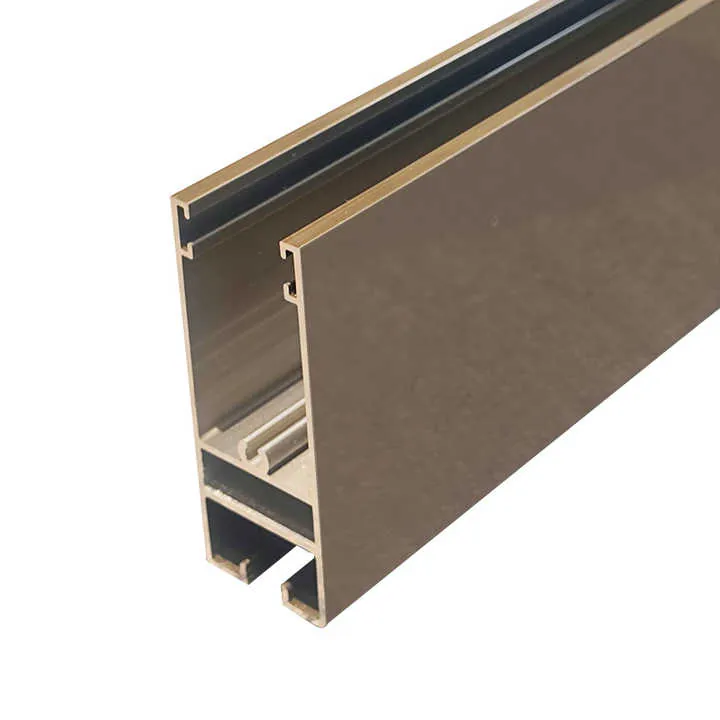
Лазерното рязане изглежда модерно, но не винаги е най-добрият избор. Механичните методи все още имат стойност.
Лазерното рязане е за предпочитане, когато прецизността, гъвкавостта и скоростта са от значение, но механичното рязане е подходящо за тежки или прости задачи.
Предимства на лазерното рязане
Лазерното рязане предлага:
- Без физически контакт с инструмента
- Висока точност
- Лесни промени в програмата
- Чисти разрези на тънки профили
Работи добре за работа по поръчка или в малък обем.
Ограничения на лазерното рязане
Лазерното рязане се сблъсква с:
- Много дебели участъци
- Дълбоки вътрешни разрези
- Силно отразяващи повърхности без контрол
Разходите за час също могат да бъдат по-високи.
Сила на механичното рязане
Механичните методи включват:
- Разпиляване
- Фрезоване
- Сондажи
- Пробиване
Те се справят с:
- Дебел алуминий
- Високо отстраняване на материала
- Прости повтарящи се разрези
Инструментите се износват, но резултатите са стабилни.
Хибриден производствен подход
Много фабрики съчетават и двата метода.
Обща практика:
- Лазер за отвори и прорези
- Пила за рязане по дължина
- CNC за прецизни повърхности
Така се постига баланс между цена и качество.
Таблица за избор на метод
| Метод | Най-добър случай на употреба |
|---|---|
| Лазерно рязане | Тънки, сложни, гъвкави |
| Рязане с трион | Прави разрези |
| CNC фрезоване | Висока прецизност |
| Пробиване | Листове с голям обем |
Предпочитанията зависят от целите на проекта.
Лазерното рязане предлага по-голяма гъвкавост от много механични методи на рязане.Истински
Цифровото управление позволява бързи промени в дизайна без нови инструменти.
Лазерното рязане винаги замества механичното рязане на алуминиеви профили.Фалшив
Механичните методи остават по-добри за някои случаи на дебелина и цена.
Какви предпазни мерки се прилагат при лазерно рязане?

Лазерното рязане на алуминий включва скрити рискове. Пренебрегването на безопасността води до инциденти и повреди на оборудването.
Лазерното рязане на алуминиеви профили изисква строг контрол на безопасността по отношение на отраженията, изпаренията и риска от пожар.
Безопасност на лазерното лъчение
Лазерите работят с висока мощност.
Предпазните мерки включват:
- Затворени системи за рязане
- Взаимно свързани врати
- Защитни очила
Операторите трябва да спазват правилата за класа на машината.
Риск от отразяване и обратно отразяване
Алуминият отразява лазерната светлина.
Това може да доведе до:
- Оптични повреди
- Създаване на блуждаещи лъчи
Съвременните машини използват сензори и покрития, за да се справят с това, но настройката е от значение.
Контрол на дима и праха
При лазерното рязане се отделят изпарения.
Алуминиевите изпарения са по-малко токсични от някои метали, но:
- Образуват се оксидни частици
- Натрупване на фин прах
Системите за извличане трябва да работят правилно.
Управление на пожари и искри
Въпреки че алуминият не гори лесно, искрите могат да възпламенят близкия материал.
Добрите практики включват:
- Чисти работни зони
- Системи за откриване на пожар
- Редовна поддръжка
Контролен списък за безопасност
| Риск | Метод на контрол |
|---|---|
| Лазерна експозиция | Ограждане и блокировки |
| Отражение | Правилни настройки |
| Изпарения | Системи за извличане |
| Пожар | Чисто работно пространство |
Безопасността защитава както хората, така и машините.
Лазерното рязане на алуминий изисква контрол на отразяването и отвеждането на дима.Истински
Алуминиевата отражателна способност и изпаренията създават специфични рискове за безопасността.
Лазерното рязане на алуминий не предизвиква особени опасения за безопасността.Фалшив
Лазерите с голяма мощност и отраженията изискват строги мерки за безопасност.
Заключение
Алуминиевите профили са съвместими с лазерното рязане, когато дизайнът, сплавта и дебелината са съобразени с процеса. Лазерното рязане добавя прецизност и гъвкавост, а безопасността и изборът на метод осигуряват стабилно и рентабилно производство.