


Aluminum extrusion anodizing thickness standards?

Rough or weak anodized surfaces can spoil even premium aluminum extrusions. Bad appearance or flaking coating hurts trust and performance.
Standard anodizing thickness for extrusions gives enough corrosion protection and durability, while keeping coating uniform and reliable for long-term use.
In this article, the right thickness levels are explained, then how thickness links to corrosion resistance, whether architecture uses thicker layers, and what tests confirm the anodized layer is uniform and strong.
What is the standard anodizing thickness for extrusions?
Many buyers get confused when suppliers quote “anodized” without giving thickness. That can lead to weak coatings and complaints.
The typical standard anodizing thickness for aluminum extrusions is often in the range of 15–25 microns for general use; for high durability or exterior duty, 20–25 microns (or higher) is recommended.

Why 15–25 microns?
When aluminum is anodized, an oxide layer grows on the surface. That layer protects against oxidation, corrosion, wear, and adds surface hardness. If the layer is too thin, protection is weak. If too thick, coating can crack or peel on bends or machining. The 15–25 micron range balances protection and reliability.
Manufacturers who follow standard specs usually aim at:
- Minimum 15 microns for light-duty or indoor parts
- 20 microns or more for outdoor, corrosive, or long-lifetime parts
These values come from widely accepted practices in extrusion and finishing. Some orders reference formal specs that set even higher minimums. For example, for harsh outdoor use or marine environments, 25–30 microns may be specified.
Thickness also depends on alloy type, part geometry, and expected lifespan. Thin-wall extrusions may get slightly thinner coating to avoid distortion during finishing. Thick-wall structural extrusions can handle thicker layers.
As supplier, it is smart to ask upfront: what service life and environment will the part face. Then confirm thickness spec in contract. That ensures the final product meets customer needs without surprises.
How does thickness affect corrosion resistance?
Thin anodized layers may fail quickly in humid or salty conditions. That causes corrosion, surface pitting, or coating failure.
Thicker anodized layers increase corrosion resistance, wear resistance, and longevity — they form a more robust oxide barrier that delays corrosion, protects base metal, and resists weathering.

How a thicker oxide layer helps
The oxide created during anodizing is not decorative only. It is part of metal surface. When that oxide layer is thick, it:
- Moves protective barrier deeper — more metal covered under oxide, less chance of bare metal exposure
- Resists abrasion and wear — coated parts face scratches or friction, thicker layer slows damage
- Improves long-term durability — repeated exposure to moisture, salt, or chemicals wears surface slowly if oxide is thick
Corrosion resistance vs. thickness
| Environment / Use Case | Recommended Thickness | Причина |
|---|---|---|
| Indoor, dry, low wear | 15–18 microns | Minimal corrosion risk |
| Outdoor building frames, facades | 20–25 microns | Good weather and pollution resistance |
| Coastal, marine, high humidity | 25–30 microns | Extra protection vs salt and moisture |
| Wear surfaces, sliding parts | 20–25 microns | Better abrasion and wear resistance |
Thicker layers also slow down oxidation under cut or machined edges. If anodized after final machining, thicker oxide improves resistance even where surface may be damaged.
However, thicker is not always better. Overly thick oxide can become brittle. On bends, tight corners, or thin walls, thick layers may crack or peel. That leads to rapid corrosion under the flaw. Also, finishing time rises, costs increase.
Thus, it is important to match the thickness to use environment and geometry. For building components exposed to rain and pollution, 20–25 microns is a good target. For coastal or highly corrosive environments, 25–30 microns may be safer if process and alloy permit it.
Are architectural applications using thicker coatings?
Architectural projects face rain, pollution, humidity, and possibly coastal air. That makes corrosion resistance crucial. Sometimes architects or engineers ask for thicker coatings than standard industrial ones.
Yes, many architectural applications specify thicker anodized coatings — often 20–30 microns or more — to ensure long-term durability, lower maintenance, and consistent appearance even under harsh weather.

Why architecture pushes for thicker layers
Architectural aluminum extrusions — curtain walls, window frames, facades, sunshade louvres — are exposed to rain, wind, salt air (in coastal cities), pollution, and long-term UV cycles. Clients expect minimal maintenance and long lifespan. Thicker anodizing helps:
- Resist corrosion and oxidation over decades
- Maintain consistent color and sheen despite weathering
- Prevent early pitting or surface degradation
Many specifications for building projects refer to standards that demand class 20–25 micron anodizing at minimum. For high-end or coastal buildings, specs might raise to 25–30 microns. Sometimes projects also call for sealant after anodizing— a sealing process that closes pores in the oxide layer for extra corrosion resistance.
When thicker may not be suitable
- Thin-wall extrusions or complex extrusions: Thick oxide may crack or flake where bending or tight corners exist
- Machined parts after anodizing: Machining removes oxide; re‑anodizing may not recreate uniform thickness on cuts or edges
- Color match requirements: Very thick oxide tends to produce slightly darker finish; architects seeking bright metallic look may accept thinner to match sample
Architectural users and suppliers often do mock‑up tests. They anodize a sample profile under requested thickness, expose it to weather or salt‑spray testing, then inspect for corrosion, color fade, or flaking before approving full batch.
Thus thicker anodizing is common in architecture — but requires correct process control, sealing, and alloy selection to avoid brittleness or coating failure.
Which tests verify anodizing layer uniformity?
Passing a thickness spec is not enough if coating is uneven or has defects. Quality must be verified by tests, not by sight alone.
Uniformity tests, adhesion tests, thickness measurements, sealing inspection, and environmental tests verify that anodizing is consistent, well-bonded, and protective across the entire profile.
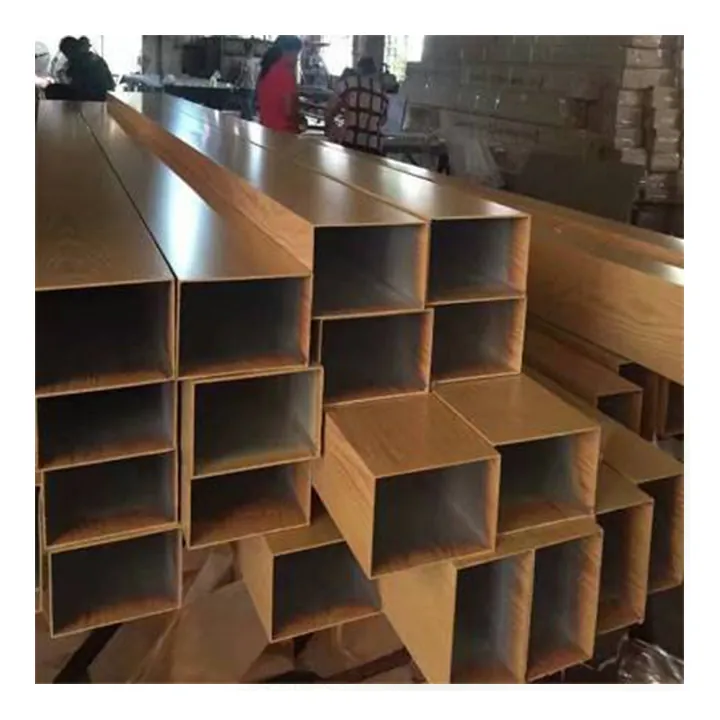
Key tests and inspections
Thickness measurement
Use eddy‑current or magnetic gauges on multiple points across each extrusion. For complex profiles, test on outer surfaces, inner recesses, edges, and corners. This ensures coating covers evenly.
Adhesion or bonding test
Perform a cross‑hatch test: scratch a grid on coated surface, apply tape, then remove. If coating peels or flakes, adhesion is poor. Good adhesion means oxide layer is properly formed and sealed.
Visual inspection under magnified light
Inspect under bright uniform light at defined angle. Look for discoloration, blotches, dull spots, thin streaks, or irregularities. These often show where coating is uneven or bath chemistry was unstable.
Thickness mapping and uniformity table
For large batches, log gauge readings into a table. Identify high‑ and low‑spots. Reject parts if difference between thickest and thinnest spot exceeds defined variation (e.g. ±3 microns).
Corrosion or salt‑spray test (for harsh environment specs)
Expose samples to salt‑spray chamber or humid cycles. After fixed time (e.g. 500 hours) inspect for corrosion, pitting, delamination. Good anodize layer shows no defects.
Example inspection workflow
| Стъпка | Какво да правите | Acceptable Result |
|---|---|---|
| 1. Measure thickness | Use gauge at 10–20 points per profile | All ≥ target thickness, variation small |
| 2. Adhesion test | Cross‑hatch + tape pull | No flakes or peeling |
| 3. Visual inspection | Under standard light | Uniform color, no blotches, no bald spots |
| 4. Seal check | Confirm sealing after hot water or cold seal | Sealed pores, uniform sheen |
| 5. Environmental test | Salt‑spray or humid/dry cycles | No corrosion, no blistering |
As supplier, we often produce a test panel before mass run. That panel gets full test: thickness, adhesion, visual, salt spray. Buyer inspects and approves. Only then full order proceeds. That avoids costly rework or rejection after coating.
Consistency matters more than absolute thickness. A 20‑micron layer that is uniform and well sealed beats a 25‑micron layer that is patchy or weak.
When profiles are long or varied shape, test more points. For small parts, sample per batch may suffice.
Thus a combination of gauge measurement, adhesion checks, visual inspection, and environmental testing ensures anodizing layer is uniform, well bonded, and fit for purpose.
Eddy-current gauges are used to measure anodized layer thickness on aluminum extrusions.Истински
Eddy-current or magnetic gauges are standard tools to non-destructively measure oxide layer thickness.
Visual inspection alone is enough to certify the anodizing layer’s protective quality.Фалшив
Visual inspection misses thickness variations, adhesion problems, or sealing defects that only tests can reveal.
Заключение
Understanding anodizing thickness and proper testing ensures aluminum extrusions deliver long-term corrosion protection and reliable performance. Specifying correct coating thickness, verifying uniformity, and sealing coatings help meet expectations and avoid costly failures.


