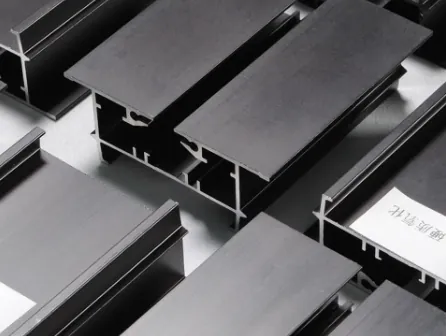
Общ преглед на процеса на закупуване на алуминиеви екструдирани профили?

Закупуването на алуминиеви профили може да изглежда сложно. Много купувачи се затрудняват, преди да изберат правилния профил или доставчик. Ясният процес помага да се избегнат грешките.
В тази статия са описани основните стъпки за безпроблемно закупуване на алуминиеви профили: как да поръчате, да проверите качеството, да управлявате документите и дори да посетите фабрики преди да поръчате.
След това преминавам през всички етапи. По този начин всеки купувач може да се чувства готов и да контролира ситуацията, преди да подаде поръчка.
Какви са стъпките за закупуване на екструдиране?
Закупуването на алуминиеви профили започва с планирането и завършва с доставката. Между тях има няколко стъпки. Купувачите трябва да изберат профили, да потвърдят спецификациите, да поискат мостри, да направят поръчки и да проследят производството.
В процеса на закупуване обикновено: (1) определяте изискванията, (2) изисквате мостри или чертежи, (3) договаряте цената и срока за изпълнение, (4) потвърждавате поръчката, (5) наблюдавате производството и (6) организирате изпращането и доставката.
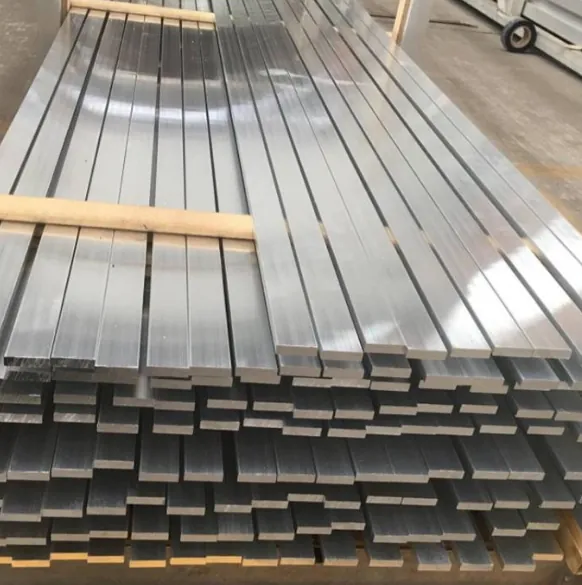
Когато купувачът започне работа, първото реално действие е да определи ясни изисквания. Това означава форма на профила, размери, тип сплав (например 6063-T5 или 6061-T6), повърхностно покритие (оксидирано, пръскано, дървесно-зърнесто и т.н.), нива на допустими отклонения и очакван обем на поръчката. Ясните спецификации помагат да се избегнат недоразумения.
След като спецификациите са готови, купувачът изпраща запитване до доставчика. След това доставчикът предоставя ценови оферти, срокове за доставка, минимално количество за поръчка (MOQ) и предварителен чертеж или 3D модел, ако е необходимо. Често се предлага мостра или прототип, за да се потвърди, че дизайнът отговаря на очакванията. Искането на мостра е полезно особено за нестандартни или сложни профили.
След одобрението на мострата купувачът и доставчикът договарят условията. Това включва цена на килограм или на метър, разходи за повърхностна обработка, транспортни разходи и условия на плащане (предварително плащане, депозит, акредитив и др.). Страните се договарят и за времето за изпълнение: колко дни или седмици за екструдиране, финишна обработка, проверка и опаковане.
След това купувачът прави официална поръчка. Това може да включва договор за продажба или поръчка за покупка. Доставчикът потвърждава и започва планиране на производството. По време на производството купувачът може да поиска актуализации за напредъка или малки снимки преди изпращането.
Накрая доставчикът опакова и изпраща стоките. Купувачът организира превоза, често по море или по въздух, в зависимост от местоназначението. Купувачът проверява начина на опаковане и документите преди изпращането.
Ето една таблица, в която са обобщени типичните стъпки:
| Стъпка # | Описание |
|---|---|
| 1 | Определяне на изискванията към профила (форма, размер, сплав, покритие, количество) |
| 2 | Заявка за оферта, чертежи и мостри |
| 3 | Договаряне на цена, време за изпълнение, MOQ, условия за плащане |
| 4 | Потвърждаване на поръчката с договор или поръчка за покупка |
| 5 | Мониторинг на производството и проверки на качеството |
| 6 | Организиране на логистиката за опаковане, изпращане и доставка |
Тези стъпки помагат за гладкото протичане на процеса на покупка. Всяка стъпка укрепва доверието. Ясните поръчки и добрата комуникация могат да предотвратят скъпоструващи грешки на по-късни етапи.
Купувачът обикновено започва с искане на мостри или чертежи, преди да направи поръчка.Истински
Искането на мостри или чертежи помага да се потвърди, че профилът отговаря на необходимите спецификации преди масовото производство.
Плащането винаги се извършва само след доставката на екструдираните изделияФалшив
Условията за плащане варират; често се изисква депозит или частично предварително плащане преди началото на производството.
Как се управлява контролът на качеството преди изпращане?
Контролът на качеството е от решаващо значение за алуминиевите екструдирани изделия. Лошото качество може да доведе до скъпоструващи отпадъци или бракувани изделия. Доставчиците трябва да използват системни проверки по време на производството и преди изпращане.
Контролът на качеството включва проверка на суровините, проверка на размерите, проверка на повърхностното покритие, механични тестове и проверка на крайното опаковане.

Контролът на качеството започва с проверка на суровините. Доставчикът потвърждава, че партидата алуминий съответства на необходимия клас сплав (например 6063-T5 или 6061-T6). Сертификатите или докладите от изпитванията на материалите помагат да се провери това. Някои купувачи изискват данни от спектрометър или химически анализ, за да потвърдят сплавта. Тази стъпка предотвратява използването на неподходящ метал, който може да наруши механичните или корозионните характеристики.
След екструдирането и преди довършителните работи доставчикът измерва размерите на напречното сечение. Това гарантира, че ширината на профила, дебелината на стената и цялостната форма съответстват на чертежа. Допустимите отклонения обикновено следват индустриалните стандарти или спецификацията на купувача. Прецизното измерване помага да се избегнат проблеми по време на сглобяването или по-късното производство.
След като профилите са изрязани и завършени (оксидирани, анодизирани, напръскани и т.н.), се проверява външният вид на повърхността. Инспекторите търсят ивици по повърхността, вдлъбнатини, равномерност на цвета и последователно покритие. За анодизирани или боядисани повърхности те могат също така да проверят адхезията, дебелината или съответствието на цветовете. Купувачите могат да поискат изпращане на снимки или малки образци за одобрение преди завършване на партидата.
При проекти, които се нуждаят от структурна здравина или строги допуски, може да се извърши механично изпитване. Това включва изпитване на якост на опън, граница на провлачане, твърдост или огъване. Тези тестове потвърждават, че екструдирането отговаря на изискванията за якост.
Преди опаковането инспекторите извършват финални проверки. Те се уверяват, че количествата съответстват на поръчката, дължините са правилни, няма грапавини или остри ръбове, а финишът е непокътнат. Опаковката трябва да защитава профилите по време на транспортиране. Доставчиците могат да опаковат профилите, да използват защитни фолиа, да ги пакетират правилно и да добавят защити за ъглите.
Добрите доставчици водят документация: сертификати за материалите, доклади за проверка на размерите, документи за проверка на завършеността и контролни списъци за опаковане. Тези записи помагат на купувача да проследи качеството и да гарантира спазването на изискванията.
В контекста на B2B купувачите могат да поискат проверка от трета страна преди изпращане от инспектираща компания. Това добавя допълнителна сигурност, особено когато обемът на поръчката е голям или пазарът на местоназначението има строги стандарти.
Този многопластов контрол на качеството помага да се избегнат проблеми: грешна сплав, грешен размер, дефекти по повърхността, лоша опаковка. Той изгражда доверие между купувача и доставчика за дългосрочно сътрудничество.
Контролът на качеството се извършва само след довършителни обработки като анодиране или боядисване.Фалшив
Контролът на качеството трябва да включва проверки на суровината, след екструдиране, след довършителни работи и преди опаковане.
Проверката на опаковката е част от контрола на качеството преди изпращанеИстински
Проверката на опаковката гарантира, че екструдираните изделия са защитени от повреди по време на транспортиране.
Какви документи са необходими за потвърждаване на поръчката?
Работата с документи е от съществено значение. Подходящите документи помагат за защита на купувача и доставчика. Типичните документи включват поръчка за покупка или договор, технически чертежи, сертификати за материали, доклади от проверки и документи за доставка.
Потвърждаването на поръчката обикновено се нуждае от поръчка за покупка или договор, одобрения на чертежи, сертификати за материали и споразумение за условията на плащане.

На етапа на потвърждаване на поръчката купувачът обикновено издава поръчка за покупка (ПО) или подписва договор. В този документ се посочват договорените цена, количество, сплав, покритие, условия на доставка, инкотермс (например FOB, CIF) и условия на плащане (депозит, баланс, акредитив и др.). Доставчикът приема, като изпраща свое потвърждение на поръчката или потвърждение на продажбата.
Техническите чертежи или 3D модели трябва да бъдат одобрени. Те показват точната геометрия на профила, допустимите отклонения, бележките за довършителни работи и инструкциите за опаковане. Това помага да се гарантира, че и двете страни имат еднакво разбиране за произвеждания детайл.
Важни са сертификатите за материал или сертификатите за изпитване в мелница. Те показват, че алуминиевите заготовки съответстват на определените сплави и механични свойства. На някои пазари клиентите изискват сертификат за съответствие или съответствие със стандарти (например ISO, ASTM). Тези документи помагат да се докаже, че материалът е истински и проследим.
Могат да бъдат приложени планове за инспекция или качество. В тях се описва как ще се проверява качеството: проверка на суровините, проверка на размерите, проверка на завършеността, механични тестове, ако се изисква. Някои купувачи добавят клауза, позволяваща извършването на проверка преди изпращане от трета страна.
И накрая, трябва да са готови документите за транспортиране и логистика. За поръчки за износ необходимите документи включват търговска фактура, опаковъчен списък, коносамент (КС), сертификат за произход и всички необходими разрешителни за износ или митнически формуляри в зависимост от местоназначението.
По-долу е представена таблица, в която са обобщени типичните документи и тяхното предназначение:
| Вид на документа | Цел |
|---|---|
| Поръчка за покупка или договор | Потвърждава цена, количество, сплав, условия |
| Одобрени чертежи / 3D файлове | Дефинира геометрията на профила и покритието |
| Сертификат за материал | Проверява качеството на сплавта и материала |
| План за инспекция / контрол на качеството | Споразумение за проверки преди изпращане |
| Документи за доставка | Поддържа експорт, митници и доставка |
Тези документи помагат да се избегнат спорове. Те гарантират, че производството отговаря на очакванията. Те защитават интересите на купувача и доставчика.
За износа на алуминиеви профили се изискват транспортни документи като коносамент.Истински
За международни поръчки документите за доставка осигуряват освобождаване за износ и проследяване на доставката.
Сертификатите за материали не са задължителни и се използват рядко.Фалшив
Сертификатите за материали са важни за проверка на качеството на сплавта, особено за клиенти, които се нуждаят от проследяване или съответствие.
Могат ли купувачите да посетят фабриките, преди да направят поръчка?
Много купувачи се интересуват дали могат да посетят производствената база, преди да направят поръчка. Посещението може да даде силна увереност. Да, посещенията в завода често са възможни и полезни.
Купувачите могат да посещават фабрики. Посещенията им позволяват да проверят оборудването, капацитета, контрола на качеството и да потвърдят надеждността на доставчика, преди да направят поръчка.
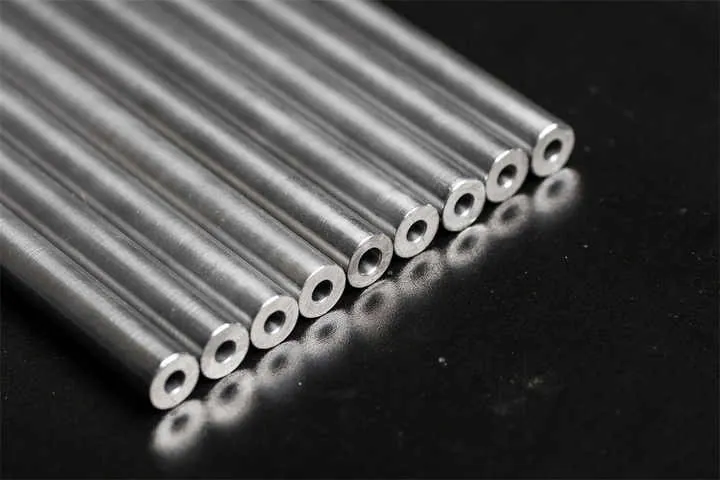
Посещенията в заводите дават уникални предимства. На първо място, купувачите могат да видят дали доставчикът разполага с подходящи машини за екструдиране (например 500-тонна до 4500-тонна преса), капацитет на инструменталната екипировка, оборудване за CNC обработка или повърхностна обработка и опаковъчни линии. Това помага да се гарантира, че доставчикът може да отговори на нуждите на купувача по отношение на размера, обработката и количеството.
Второ, посещението позволява на купувачите да проверят суровините, условията на съхранение и наличностите на алуминиеви заготовки. Това помага да се провери дали доставчикът не използва нестандартни или смесени материали. Купувачите могат също така да поискат да видят сертификати за материали или записи от предишни тестове.
Трето, посещенията позволяват лично да се види процесът на контрол на качеството. Купувачите могат да поискат да преминат през производствения процес: екструдиране, рязане, довършителни работи, проверка, опаковане. Те могат да проверят дали работата се извършва в чист и организиран цех. Те могат да наблюдават дали инспекторите използват калибрирани инструменти за измерване или тестове. Посещението дава доверие, което надхвърля само обещанията на хартия.
Четвърто, посещението позволява на купувачите да проверят реално капацитета и времето за изпълнение. Доставчиците могат да твърдят, че имат капацитет от много тонове на месец, но реалното производство може да изостава. Чрез посещението купувачите могат да проверят текущите поръчки, работното натоварване и да преценят дали доставчикът може да доставя навреме.
Въпреки това посещенията могат да имат ограничения. Някои доставчици могат да изискват предварително планиране или да ограничат достъпа до определени зони. Пътните разходи и разликите в часовите пояси за купувачите в други държави могат да бъдат пречка. В някои случаи доставчиците използват инспекции от трети страни или видеоразговори, за да покажат производството вместо това.
Посещенията също се нуждаят от планиране. Купувачът трябва да подготви въпроси: за източниците на сплав, процеса на повърхностна обработка, записите за качество, сроковете за изпълнение, методите на опаковане и обработката при износ. Купувачът трябва да си води бележки, да прави снимки или видео (ако е разрешено).
Посещението често помага да се реши дали да се направи пробна поръчка или да се подпише дългосрочно споразумение за доставка. При сътрудничество за първи път с голям обем посещението дава допълнителна увереност. При повторни поръчки посещенията може да не са толкова спешни, но все пак са полезни за изграждане на взаимоотношения.
Посещенията в заводите са невъзможни за международни купувачиФалшив
Много от доставчиците приветстват чуждестранните купувачи да ги посетят, въпреки че графикът и пътните разходи са от значение.
Огледът на производствените линии по време на посещение в завод помага да се прецени капацитетът на доставчика и контролът на качеството.Истински
Прякото наблюдение осигурява реална представа за състоянието на машината, работния процес и практиките за контрол на качеството.
Заключение
Закупуването на алуминиеви профили се нуждае от ясни стъпки, строги проверки на качеството, правилна документация и понякога посещения на място. Следването на тези стъпки помага да се избегнат грешки и изгражда доверие. Добре управляваният процес води до добри продукти и безпроблемно сътрудничество.