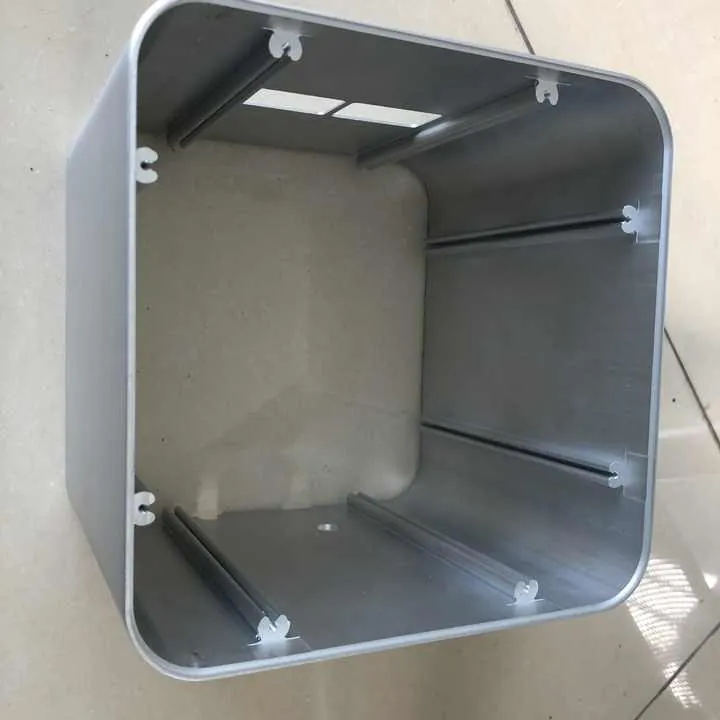
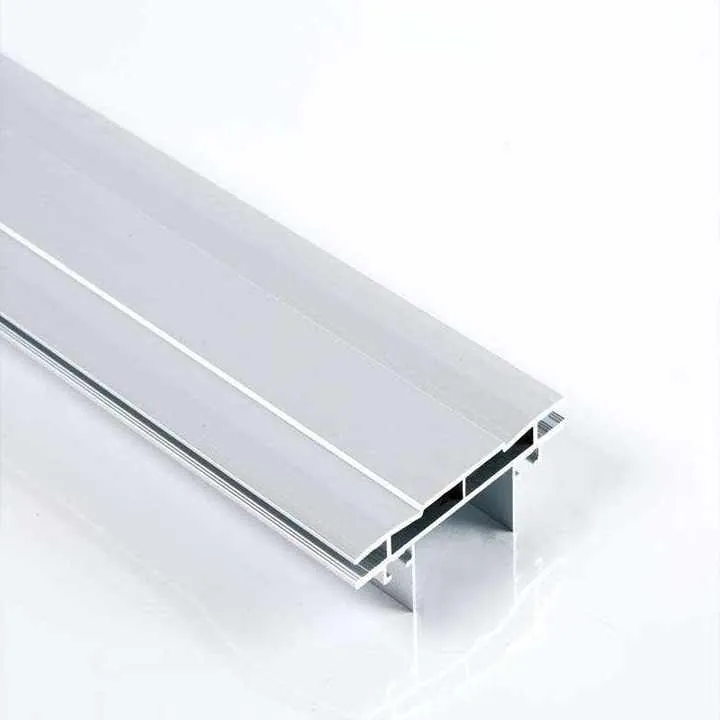
Aluminum Profiles with High Surface Requirements?
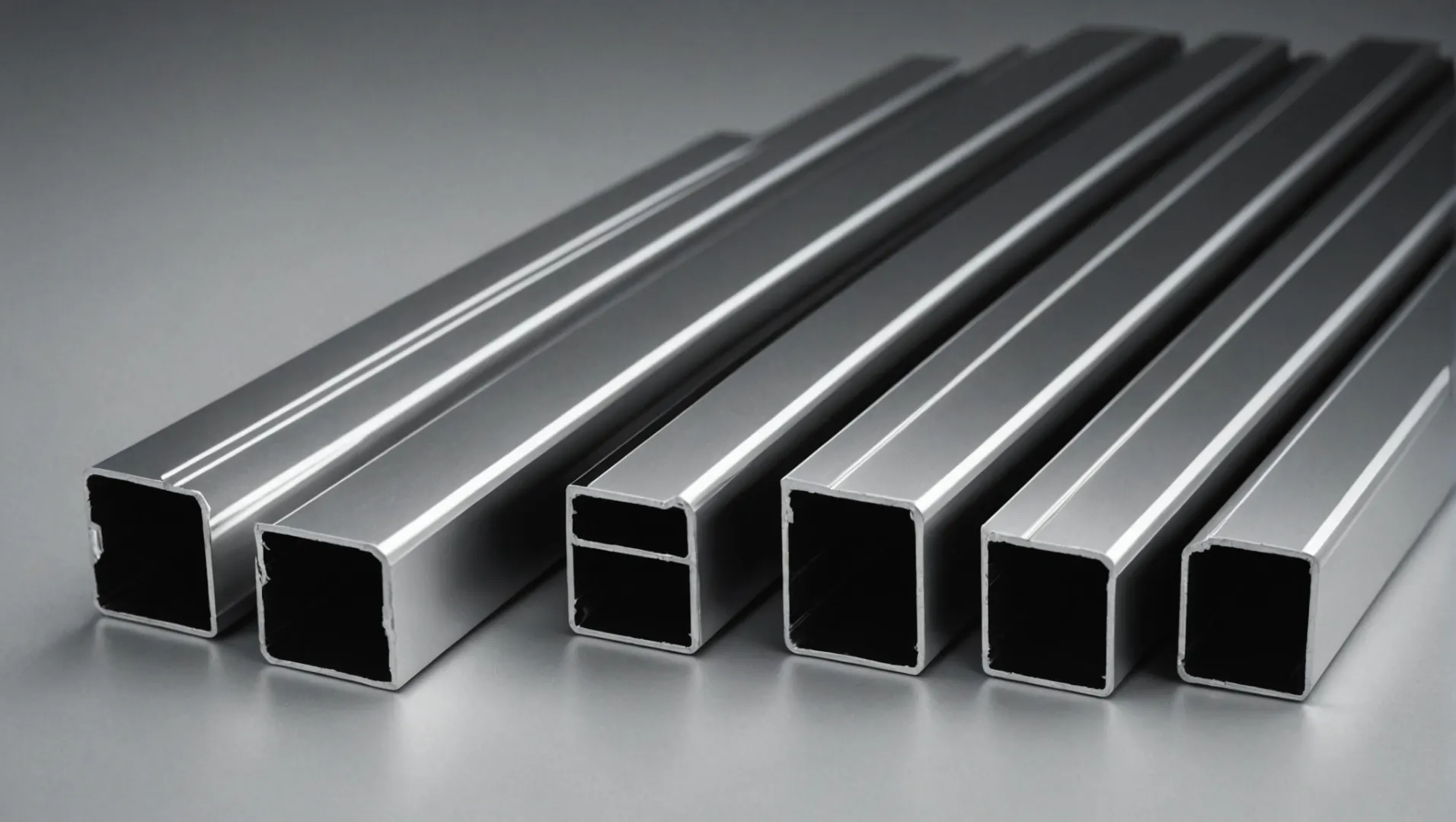
Aluminum profiles are not just a choice; they’re a statement of quality in every industry where surface matters.
Aluminum profiles with high surface requirements offer enhanced durability, aesthetic appeal, and resistance to corrosion, making them ideal for architectural and industrial applications. These profiles can improve project longevity while reducing maintenance costs.
By delving deeper into the specific benefits of using aluminum profiles with high surface standards, you can make informed decisions for your projects. Whether you’re comparing materials or seeking cost-effective solutions, understanding these advantages is crucial.
Aluminum profiles are heavier than steel.False
Aluminum is lighter than steel, making it ideal for weight-sensitive applications.
Why Choose Aluminum Over Other Materials for High Surface Applications?
Discover why aluminum is the top choice for applications demanding superior surface quality.
Aluminum is preferred for high surface applications due to its exceptional anodizing capabilities, lightweight nature, and excellent corrosion resistance, making it a superior choice over materials like steel and plastic.
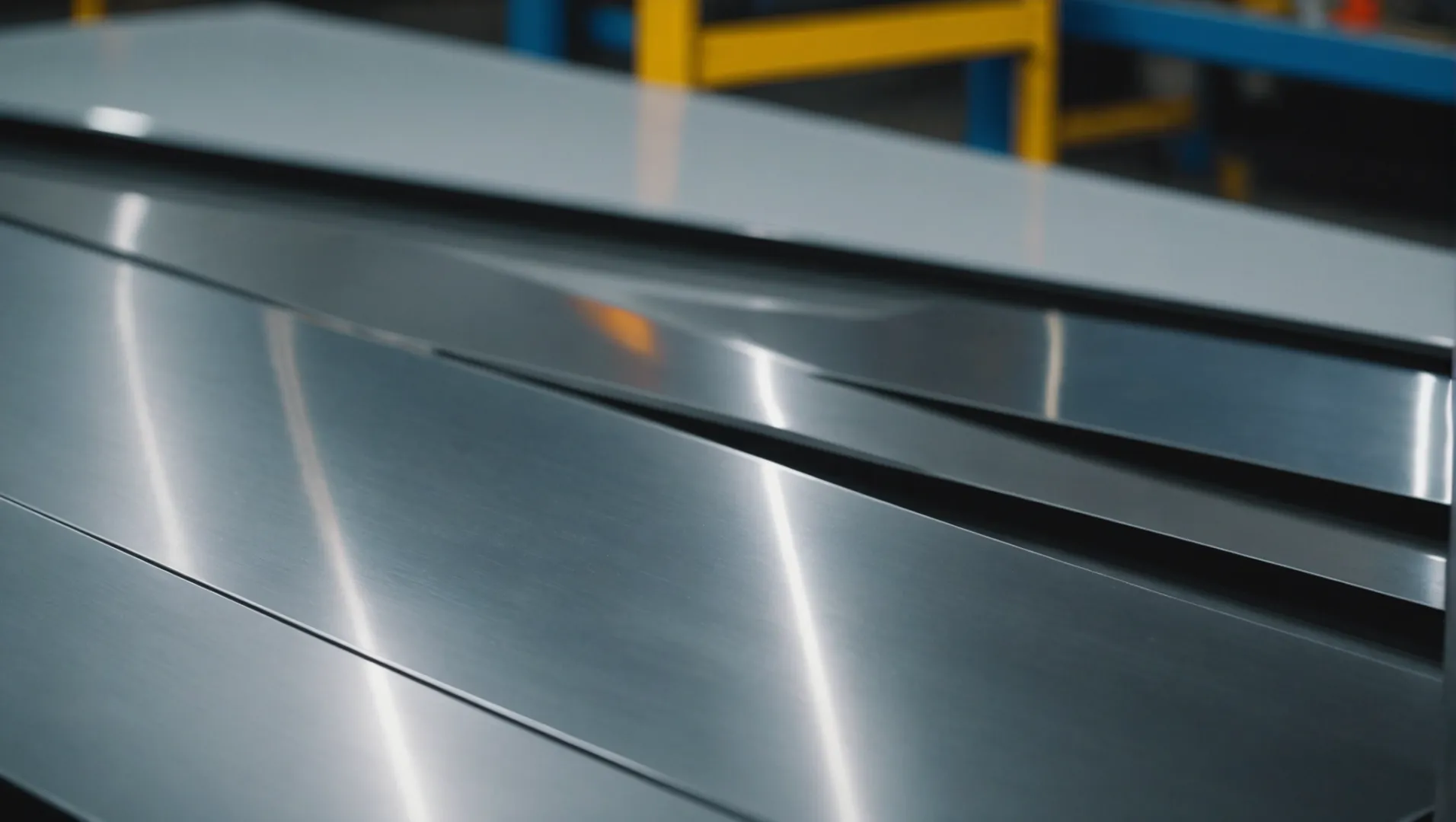
Aluminum’s Superior Anodizing Capabilities
One of the primary reasons aluminum stands out in high surface applications is its ability to undergo anodizing1. Anodizing enhances the natural oxide layer on aluminum, providing a robust, corrosion-resistant finish that is both durable and aesthetically pleasing. This process allows for a wide range of finishes, including matte, satin, and bright, which are especially desirable in architectural and consumer goods industries.
The 6463 aluminum alloy2 is particularly noteworthy for its use in bright anodizing. With an aluminum content of at least 99.7%, it minimizes impurities like iron and manganese, leading to minimal brightness loss post-anodization.
Lightweight yet Strong
Aluminum’s lightweight nature combined with its strength makes it an ideal choice for applications where weight reduction is critical without compromising structural integrity. For instance, in the automotive and aerospace industries, using aluminum can significantly reduce overall weight, enhancing fuel efficiency while maintaining high performance.
Consider this comparative table:
| Material | Density (g/cm³) | Relative Strength |
|---|---|---|
| Aluminum | 2.7 | Medium |
| Steel | 7.8 | High |
| Plastic | 1.4 | Low |
Excellent Corrosion Resistance
Unlike steel, which can rust over time when exposed to moisture, aluminum naturally forms a protective oxide layer. This layer acts as a barrier to corrosion, making aluminum highly resistant to environmental factors such as rain and saltwater. This property is crucial for outdoor applications where long-term durability is essential.
Aesthetic Versatility
Aluminum’s versatility extends beyond its physical properties. It can be easily molded into various shapes and sizes, allowing for creative freedom in design. Furthermore, aluminum can be powder-coated or painted, offering a plethora of color options that enhance its aesthetic appeal.
By choosing aluminum for high surface applications, you not only benefit from its mechanical properties but also gain an edge in design flexibility and longevity.
Aluminum is heavier than steel for surface applications.False
Aluminum is lighter than steel, making it ideal for weight-sensitive uses.
Anodizing enhances aluminum's corrosion resistance.True
Anodizing strengthens aluminum's oxide layer, boosting its durability.
How Do Aluminum Profiles Enhance Aesthetic Appeal in Architecture?
Aluminum profiles are revolutionizing modern architecture with their sleek and versatile designs.
Aluminum profiles enhance architectural aesthetic appeal through their versatility, lightweight nature, and ability to accommodate various finishes. They allow for innovative designs, providing architects with flexibility in shaping structures while ensuring durability and resistance to environmental elements.

Versatility in Design
Aluminum profiles offer architectural designers3 immense flexibility due to their ability to be extruded into complex shapes. This versatility allows architects to push the boundaries of creativity, integrating seamless curves, intricate patterns, and custom dimensions into their projects. This adaptability not only enhances visual appeal but also enables the creation of unique structures that stand out.
Lightweight Yet Strong
One of the standout features of aluminum is its strength-to-weight ratio. Despite being lightweight, it retains excellent structural integrity. This characteristic allows architects to design expansive open spaces with minimal supporting structures, creating a sense of openness and flow within buildings. Additionally, the reduced weight can lead to cost savings in transportation and installation.
Variety of Finishes
Aluminum profiles can be treated with various finishes, such as anodizing, powder coating, or even painting. These treatments not only protect the material from corrosion but also enhance its aesthetic appeal. For example, anodizing can create a glossy, reflective surface that captures light beautifully. This finish can be particularly striking in modern architectural designs where light and shadow play a crucial role.
| Finish Type | Benefits |
|---|---|
| Anodizing | Increases durability and brightness |
| Powder Coating | Provides a wide range of colors |
| Painting | Allows for custom artistic designs |
Integration with Sustainable Practices
In today’s environmentally conscious world, aluminum stands out as a sustainable option. Its ability to be recycled without losing quality makes it an attractive choice for green architecture. Recycling aluminum4 saves energy and resources, aligning well with sustainable building practices and enhancing the overall appeal of eco-friendly architectural projects.
The adaptability of aluminum profiles to include features like solar panel mounts or green wall systems further solidifies their role in sustainable architecture. By integrating such features seamlessly into the design, architects can create aesthetically pleasing structures that also meet environmental standards.
Aluminum profiles are only used for structural purposes.False
Aluminum profiles enhance aesthetics with versatile designs and finishes.
Recycling aluminum supports sustainable architecture.True
Recycling aluminum saves energy, aligning with eco-friendly practices.
What Are the Cost Implications of Using High-Quality Aluminum Profiles?
Selecting high-quality aluminum profiles often involves weighing their benefits against potential costs.
Using high-quality aluminum profiles can initially increase project costs due to superior materials and manufacturing processes. However, these upfront expenses are often offset by long-term savings in maintenance, durability, and performance, particularly in demanding applications.
Initial Investment vs. Long-term Savings
When choosing high-quality aluminum profiles5, the initial cost can be higher compared to standard options. These profiles are manufactured using alloys with fewer impurities, like 6463 aluminum, enhancing brightness and resistance to environmental factors. Although the upfront investment may seem steep, consider the long-term savings:
- Reduced Maintenance Costs: High-quality profiles require less frequent repairs and replacements, leading to lower lifecycle costs.
- Extended Durability: With superior corrosion resistance, these profiles last longer in harsh environments.
Impact on Project Budget
Incorporating high-quality profiles into your budget requires careful planning. Projects in sectors such as architecture or aerospace benefit from enhanced aesthetics and structural integrity, justifying the initial expenditure. Evaluate project requirements thoroughly to determine if high-quality profiles provide value for money.
| Cost Aspect | Standard Aluminum | High-Quality Aluminum |
|---|---|---|
| Initial Material Cost | Lower | Higher |
| Maintenance Over Time | Higher | Lower |
| Aesthetic Value | Moderate | High |
| Durability and Lifespan | Moderate | Extended |
Sector-specific Considerations
Different industries have unique needs influencing cost considerations. For instance, architectural projects6 prioritize visual appeal and longevity, while industrial applications focus on strength and functionality. Assessing these sector-specific demands helps in budgeting effectively.
Architectural Applications
High-end residential and commercial buildings often utilize premium aluminum profiles for their superior finish and longevity. The reduced maintenance and aesthetic benefits can outweigh higher initial costs.
Industrial Applications
In settings like factories or chemical plants, the emphasis is on performance. Here, the durability of high-quality profiles minimizes downtime and replacement costs, offering significant long-term financial benefits.
High-quality aluminum profiles reduce maintenance costs long-term.True
They require fewer repairs due to superior materials and manufacturing.
Standard aluminum profiles have a longer lifespan than high-quality ones.False
High-quality profiles offer extended durability and corrosion resistance.
How Does Anodizing Improve Aluminum Profile Performance?
Anodizing significantly enhances the performance and longevity of aluminum profiles in various applications.
Anodizing improves aluminum profile performance by increasing corrosion resistance, enhancing surface hardness, and providing aesthetic versatility. This electrochemical process forms a protective oxide layer on the metal surface, making it more durable and suitable for high-demand environments.

Understanding Anodizing: The Basics
Anodizing is an electrochemical process7 that converts the metal surface into a decorative, durable, and corrosion-resistant anodic oxide finish. Unlike paint or plating, the anodic oxide is part of the metal surface, ensuring it won’t chip or peel. This method is especially beneficial for aluminum, as it significantly boosts its natural corrosion resistance.
Enhanced Durability and Corrosion Resistance
The primary benefit of anodizing aluminum profiles is the increased resistance to corrosion. The anodized layer acts as a shield against environmental elements such as moisture and air pollutants. This protection is crucial in industrial settings where aluminum profiles are exposed to harsh conditions, thereby extending their lifespan and reducing the need for frequent replacements.
Table: Comparison of Anodized vs. Non-Anodized Aluminum Profiles
| Feature | Anodized Aluminum | Non-Anodized Aluminum |
|---|---|---|
| Corrosion Resistance | High | Moderate |
| Surface Hardness | Enhanced | Standard |
| Aesthetic Versatility | Wide Range of Colors | Limited |
| Maintenance Requirement | Low | Moderate to High |
Surface Hardness and Wear Resistance
Anodizing increases the surface hardness of aluminum profiles. This makes them less susceptible to wear and tear in applications involving mechanical stress or abrasive environments. Industries like automotive and aerospace often prefer anodized aluminum for components that must endure significant physical demands.
Aesthetic Flexibility and Customization
Anodized aluminum profiles can be dyed in various colors, offering aesthetic flexibility for architects and designers. This feature allows for customized finishes that can match specific design requirements or branding needs, making it an attractive choice in consumer goods manufacturing as well.
Expert Insights: Material Choice Matters
According to experts, when high surface quality is necessary, using a 6463 aluminum alloy is recommended due to its high aluminum content and low impurity levels. This choice ensures minimal brightness loss post-anodizing and maximizes the benefits derived from the process. Such material considerations are vital for achieving optimal performance in high-demand applications.
Anodizing increases aluminum's corrosion resistance.True
Anodizing forms a protective oxide layer, enhancing corrosion resistance.
Non-anodized aluminum has higher surface hardness.False
Anodizing enhances surface hardness compared to non-anodized aluminum.
Conclusion
Choosing aluminum profiles with high surface requirements is not just about durability—it’s about investing in aesthetics and long-term savings.
-
Learn how anodizing enhances aluminum’s durability and appearance.: Most anodized products have an extremely long life span and offer significant economic advantages through maintenance and operating savings. ↩
-
Understand the unique properties of 6463 alloy in bright anodizing.: Properties of 6463 Aluminum · Density: 2.69 g/cm3, or 168 lb/ft3. · Young’s modulus: 70 GPa, or 10 Msi. · Ultimate tensile strength: 130 to 230 MPa, or 19 to 33 … ↩
-
Explore diverse design possibilities with aluminum profiles in architecture.: Aluminum profiles play an important role in many modern architectural projects,such as store fronts,window and door,curtain walls,commercial entry doors and … ↩
-
Learn how recycling aluminum supports sustainable architectural practices.: Aluminium construction industry products can either be used after dismantling or indefinitely recycled, without any loss of the materials’ basic qualities and … ↩
-
Explore why investing in premium aluminum profiles saves money long-term.: Tool costs for extrusion dies for normal architectural and industrial applications can range from $400 to $1000, and as high as $2000 for large parts. ↩
-
Learn how these profiles enhance building aesthetics and longevity.: Here are 6 key benefits of aluminum that could make it a good choice for your project: · #1 Versatility · #2 Relative Low Cost · #3 High Strength-to-Weight Ratio. ↩
-
Learn about the fundamentals and benefits of the anodizing process.: Anodizing is an electrochemical process that converts the metal surface into a decorative, durable, corrosion-resistant, anodic oxide finish. ↩