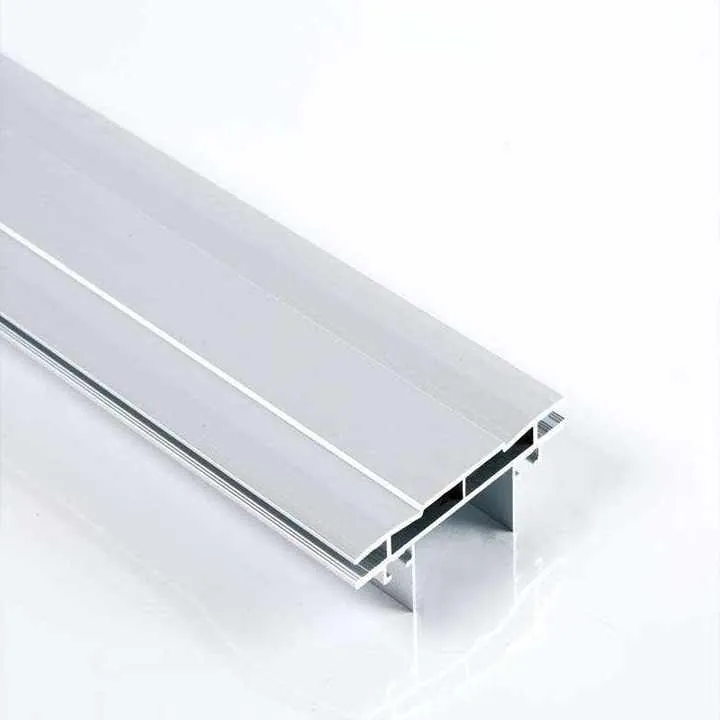
لماذا يتطلب المشتت الحراري أنودة أو معالجة السطح؟

الفقرة الرئيسية
I often see heat sinks that look fine on the outside but fail silently in the field. Poor surface treatment is usually the culprit — it robs performance or shortens life.
فقرة مميزة:
A heat sink really should have proper anodizing or surface treatment because it improves corrosion resistance, increases heat‑radiative emission, protects the metal, and ensures consistent performance in real environments.
فقرة انتقالية:
Let’s dive in and unpack what surface treatment means, how it works, why it matters for heat sinks, how to choose it, and what future trends are emerging.
ما هي الأنودة وكيف تعمل؟

Opening:
When I first specified aluminum extrusions for large‑scale outdoor lighting, I asked the mill whether they planned “mill finish” or “anodized”. I discovered that anodizing is more than cosmetic — it’s a chemical conversion process that changes the surface at micro‑level.
فقرة مميزة:
Anodizing is an electrolytic process in which the aluminum surface is converted to an aluminum‑oxide layer; this layer is part of the metal surface and brings improved durability, corrosion resistance and surface emissivity.
تعمّق أكثر في الفقرة:
Here’s a deeper look at how anodizing works for aluminum heat sinks:
What happens step by step
- The aluminum part (for example alloy 6063‑T5 or 6061‑T6) is cleaned and degreased. Then etching or cleaning is done to remove surface contaminants.
- The part is immersed in an acidic electrolyte bath (commonly sulfuric acid). The aluminum piece acts as the anode in the circuit. Oxygen ions from the bath combine with aluminum atoms at the surface to form aluminum oxide (Al₂O₃).
- The oxide layer that forms is porous initially. These pores allow subsequent dyeing or colouring if desired.
- After dyeing (if any) the pores are sealed — often by boiling in de‑ionized water or steam — which closes the pores, improves corrosion resistance, and stabilises the layer.
- The result: a firmly bonded oxide layer on the aluminum surface. Unlike a coating that sits on top, this is integrated with the material.
Key technical points
- The oxide layer is electrically insulating. That means if your heat sink touches electrical parts, you gain insulation benefits.
- Thermal conductivity of aluminum oxide is lower than aluminum metal — so from a pure conduction standpoint, adding oxide could slightly reduce conduction. Indeed, one discussion noted: “The thermal conductivity of this oxide is worse than for aluminium, but you always have a very thin layer.”
- However, in many heat sink applications the dominant heat transfer is convection and radiation from the surface, not the path through a thin coating. The improved radiative emission due to the oxide layer often offsets or outweighs the slight conduction penalty.
- Colouring is possible because the pores absorb dyes. Interestingly the colour (for example black vs clear) does لا significantly alter emissivity in many cases — the oxide nature is what changes emission more than colour.
- The thickness of the anodized layer matters. Typical film thicknesses may range from a few micrometres up to tens of micrometres depending on specification (e.g., standard vs hard‑coat).
Why this matters for heat sinks
Since heat sinks rely not only on conduction through the metal but also on surface heat rejection (via convection and radiation), the condition and nature of the surface becomes important. Anodizing prepares a surface that is durable, has improved emissivity, resists environmental attack, and retains its appearance and thermal‑performance over time.
In short: anodizing converts the aluminum surface into a deliberately engineered layer of Al₂O₃, providing a foundation for both protective and thermal‑functional benefits.
What are the benefits of anodized heat sinks?
Opening:
In one of my projects I compared two identical extruded aluminum heat sinks: one bare, one anodized black. The difference in long‑term performance became clear only after environmental exposure and thermal cycle testing.
فقرة مميزة:
An anodized heat sink offers improved corrosion and wear resistance, higher emissivity for radiation heat transfer, better electrical isolation, and enhanced durability — all of which help it perform better and last longer in demanding applications.
تعمّق أكثر في الفقرة:
Let’s break down the benefits and also consider the caveats:
Primary benefits
- مقاومة التآكل: The Al₂O₃ layer resists oxidation, salt spray, moisture and general environmental attack much better than bare aluminum alloy. This means the heat sink holds up in humid, outdoor or industrial conditions.
- Higher surface emissivity: Bare aluminum has relatively low emissivity (for example ~0.14 in some die‑cast tests) whereas anodizing can raise emissivity to ~0.92 in similar tests. In one study, the hemispherical emissivity of die‑cast aluminum improved from ~0.14 to ~0.92 after anodizing. That means the part radiates heat more efficiently.
- Wear and handling durability: The anodized layer is harder than bare aluminum and thus resists scratching, chipping and surface damage from handling, assembly, or manufacturing stress.
- العزل الكهربائي: Because the oxide layer is dielectric, the surface becomes electrically isolated, which is important if the heat sink may contact other components and you want to avoid shorts.
- Aesthetic/customisation: Since the pores can be dyed, the heat sink can get coloured finishes (black, blue, etc) with maintained durability, allowing branding or colour‑coded finishes without compromising protection.
- Reliable long‑term performance: In many field environments the untreated metal may degrade (oxidize, dull, pit), which reduces thermal performance and reliability. Anodizing slows that degradation.
Caveats and things to watch
- Conduction penalty: Because the oxide has lower thermal conductivity than the base aluminum, if the layer is too thick or the part is designed where conduction through the skin is critical, you might see a small drop in conduction performance. Some engineers note that if the layer is very thin the penalty is negligible; but design must account for it.
- Emissivity benefit is application‑dependent: If your heat sink is in forced‑air cooling with plenty of airflow (convective dominated), the benefit from increased emissivity might be smaller compared to free‑convection or passive cooling applications. That means in high‑air‑flow fans the difference is less significant.
- Cost and manufacturing step: Anodizing adds cost, process time, logistical handling (pre‑clean, bath, sealing). You must weigh cost vs benefit based on environment and customer requirements.
- Tolerance/fit issues: The anodizing adds a small thickness (µm scale). For very tight fits, threads, or joins you need to account for this thickness or machine after anodizing (or oversize before). Threads may require masking.
- Colouring does not equal emissivity change: Dyeing the anodized layer a different colour (e.g., black vs clear) often does لا significantly change the emissivity because the underlying oxide defines emission more than the dye; one article states colour does not impact radiation heat transfer in many cases.
So what does this mean in practice?
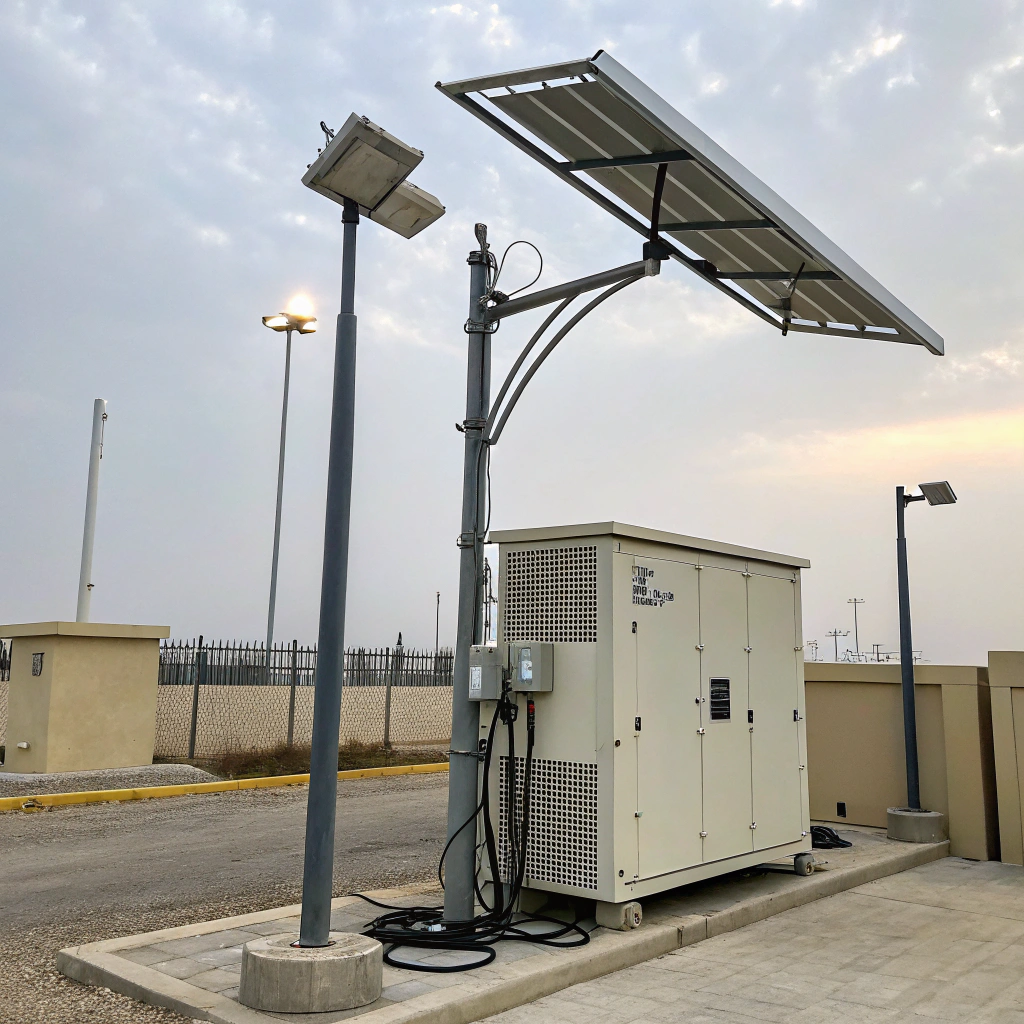
If I am specifying a heat sink for an outdoor lighting fixture, solar frame, industrial power supply or telecom rack where airflow may be modest and the operating temps elevated, I lean strongly toward recommending anodized finish. The incremental cost is justified by improved reliability, longer life, and better thermal management in real‑world conditions.
If I am specifying a high‑air‑flow desktop fan unit in a protected indoor environment, the benefit of anodizing may be smaller and I might accept a mill finish to save cost.
In short: Anodized heat sinks offer meaningful benefits especially where environment, durability or radiation heat transfer matter.
How do I choose the right surface treatment?

Opening:
In my business working with clients, the question always arises: “Should we go mill finish, anodized, or powder coat?” Choosing correctly saves cost and avoids under‑engineering or over‑engineering.
فقرة مميزة:
Selecting the right surface treatment means assessing the environment, cooling mode (fan vs passive), manufacturing constraints, aesthetic needs and cost trade‑offs — then matching to the best finish (mill, anodized, dyed, powder coat or advanced) for your specific heat‑sink use‑case.
تعمّق أكثر في الفقرة:
Here’s how I approach the decision process:
Framework to evaluate
- بيئة التشغيل: Will the heat sink be outdoors, exposed to humidity, salt spray, temperature cycling, dust or chemicals? If yes, then corrosion/abrasion protection is important.
- Cooling mode:
- Natural convection or passive cooling (no fan) → surface radiation and emissivity become more significant.
- Forced air or fan cooled with high airflow → convection dominates; surface finish still matters but emissivity less critical.
- Electrical/isolation requirements: Does the heat sink need to provide electrical isolation or will it touch other parts? If isolation is required, anodizing or dielectric coating is beneficial.
- Aesthetic/branding: Does the part need specific colour, brand identity or customer‑visible finish? If yes, then colour anodizing or powder‑coat may be needed.
- Cost and manufacturing constraints: How much extra cost is acceptable? Are tolerances tight (fits, threads)? Will secondary machining after treatment be required?
- Material and thermal requirements: What alloy is used (6063, 6061 etc)? What film thickness is required? Will the coating interfere with thermal conduction or assembly?
Options and when to use them
| Treatment Option | Suitable Use Cases | الملاحظات |
|---|---|---|
| Mill finish (no extra treatment) | Indoor, protected environment, high airflow, cost‑sensitive | Lowest cost, lowest protection/emissivity |
| Standard anodizing | Moderate environment (industrial use), some exposure, mixed convection/passive | Good all‑round choice |
| Black or dyed anodizing | Passive cooling, branding/appearance required, outdoor use | Higher emissivity benefit for passive use |
| Powder coating / paint | Strong colour/finishing requirements, less critical thermal/EM performance | Lower emissivity, thicker film, possible fit issues |
| Advanced/hybrid coatings | Harsh environment (outdoors, chemicals, wear), next‑gen cooling needs | Higher cost, specialized process |
My decision‑making checklist
- Identify environment & exposure (indoor/outdoor, humidity, salt, chemicals).
- Determine cooling mode (natural vs forced, radiation importance).
- See if electrical isolation is required.
- Check for aesthetic/branding requirements.
- Check manufacturing/assembly constraints (machining, tolerance, threads).
- Estimate incremental cost of treatment vs expected benefit (durability, thermal performance).
- Specify clear treatment parameters (alloy, film thickness, sealing, colour, process standard, testing).
- Document features in spec sheet to the extrusion/processing supplier.
Example for your B2B aluminium‑extrusion business
Since your company handles custom aluminium extrusions and heat sinks for global export:
- For standard indoor industrial equipment: offer option with mill finish, note in the quote that “mill finish on 6063‑T5 aluminium; no additional coating; suitable for protected indoor environment”.
- For outdoor lighting / solar aluminium frame / telecom racks: offer “standard anodize, minimum film thickness 8 µm, sealed after anodizing; alloy 6063‑T5 or 6061‑T6 as specified; colour optional”.
- For high‑end passive cooled electronics (remote sites, outdoor, minimal maintenance): offer “black anodize (or dyed anodize) with film ≥10 µm, emissivity improvement documented, full corrosion test (salt spray) certificate” — value added.
- Mention that if customer chooses powder coat only for colour, we note “emissivity lower than anodized, conduction path unchanged but surface radiation may be reduced”.
By offering clear surface‑treatment options and linking them to performance/environment needs, you differentiate your service and facilitate clients choosing the correct level rather than defaulting to cheapest.
What are the future trends in heat sink coatings?
Opening:
As electronic devices get smaller, more powerful and exposed (think EVs, telecom outdoors, solar in deserts), surface treatment of heat sinks is evolving too. I’ve been tracking a few emerging trends that I believe will matter in the next 3‑5 years.
فقرة مميزة:
The future of heat‑sink surface treatments includes higher‑emissivity engineered coatings, hybrid functional films, nanomaterials, additive manufacturing enabled coatings and more sustainable/eco‑friendly processes — all aimed at improved thermal management, durability and cost‑effectiveness.
تعمّق أكثر في الفقرة:
Here are some of the key trends and what they mean for your business and clients:
Trend 1: Enhanced emissivity coatings and textured surfaces
Beyond standard anodizing, materials science is exploring micro‑ and nano‑structured surfaces or coatings that further boost radiative heat transfer. For example, some research shows the oxide layer from anodizing raises emissivity from ~0.14 to ~0.92 in a test case.
This means surfaces may be engineered to increase their ability to radiate heat, particularly important for passive cooling scenarios and low‑airflow environments. Designs may incorporate intentional surface roughness, porosity, or coatings tailored for infrared emission.
Trend 2: Composite or hybrid coatings combining protection and thermal function
Standard anodizing gives protection and decent emissivity, but future coatings may combine multiple functions: wear/corrosion resistance + enhanced thermal conduction/emission + electrical isolation. Imagine coatings with embedded conductive particles, nanofibers, or hybrid ceramics that provide both mechanical protection and improve heat transfer efficiency.
This means heat sinks could become “smart surfaces” that not only protect but actually enhance thermal performance beyond just standard metal finishing.
Trend 3: 2D materials and advanced films
There is emerging research on applying two‑dimensional materials (for example hexagonal boron nitride, graphene variants, etc) to electronic surfaces. For example one study used 2D hBN coatings to boost thermal conductivity at the interface and reduce device temperature.
While this is still largely in research or early‑adoption phase, it signals that surface treatments may go beyond passive coatings to active or semi‑active functional films. For heat sinks this suggests future options may include ultrathin functional layers that improve heat conduction or radiation.
Trend 4: Sustainable, low‑environmental‑impact treatments
With global attention on sustainability, suppliers will increasingly demand coatings with lower VOCs, less chemical waste, easier recycling, and lower embodied carbon. Also, thinner coatings with less waste but similar performance will gain traction.
For anodizing for example, sealed processes, greener baths, less dye waste may become standard. As your business exports to multiple countries (Africa, North America, Japan, Middle East, Europe), being able to quote “green” surface treatments may become a competitive advantage.
Trend 5: Additive manufacturing / tailored coatings for custom geometries
As custom extruded and CNC‑machined aluminium heat sinks become more complex (fine fin geometry, hybrid additive/metal parts, custom shapes for EV inverters, telecom outdoor housings), surface treatment needs to adapt. That may include selective coatings, masked areas, localized thicker films, or coatings applied after machining of complex features.
Also, manufacturing may move toward more integrated processes (extrude → machine → finish) with minimal handling. That means your supply chain and partners must be ready to apply treatments on complex parts, even with internal channels or intricate features.
What you should prepare for
- Develop a supplier network or internal capability that can offer advanced finishing options (beyond standard anodize) and be able to explain the added value (emissivity test data, corrosion test data, lifecycle performance) to your clients.
- Keep spec sheets updated: include surface‑treatment options and link them to performance metrics (emissivity numbers, corrosion resistance, wear resistance, colour options) so clients understand the added value rather than treating finish as “just colour”.
- Offer “tiers” of treatment to your clients: for example Standard Finish, Premium Anodize, High‑Performance/Functional Coating. This gives flexibility and helps customers choose based on budget vs performance.
- Monitor market segments: outdoor lighting, solar frames, telecom outdoor cabinets, EV power electronics are rapidly growing and have higher surface‑treatment demands. Align your product offerings and marketing accordingly.
- Document the benefits: gather real‑world case studies or lab test data showing how anodized vs untreated parts perform, how surface treatment affects lifespan, how emissivity helps in passive cooling scenarios. This helps your client (e.g., building contractor, lighting manufacturer, OEM) make the business case.
In summary: the future of heat‑sink surface treatment is not static. It’s evolving toward smarter, multifunctional, sustainable finishes. By staying ahead in this space you position your company as a value‑added supplier rather than just a commodity extrusion house.
الخاتمة
I believe that surface treatment for a heat sink is not an optional luxury — it is a critical component of performance, longevity and reliability. Anodizing converts the aluminum surface into a durable, emissive, corrosion‑resistant layer. When you choose the right finish (based on environment, cooling mode, cost and manufacturing fit) you optimise both performance and value. Looking ahead, coatings will get even smarter: higher emissivity, hybrid functions, 2D materials, and greener processes. By embracing this you give your customers better outcomes and your business a stronger competitive edge.