What are the different types of aluminum extrusions?

Aluminum extrusions may look similar at first glance, but their profiles, purposes, and properties differ greatly — the wrong type can cost time, strength, and even safety.
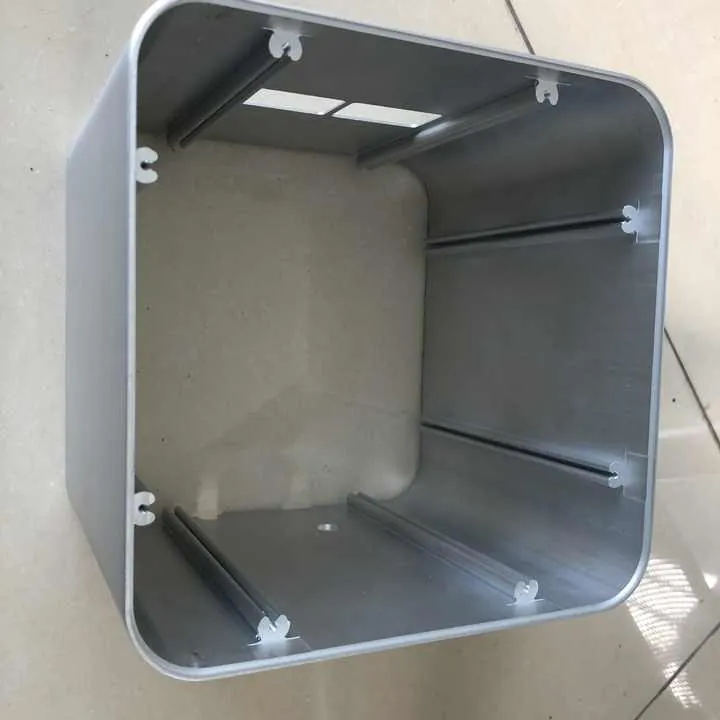
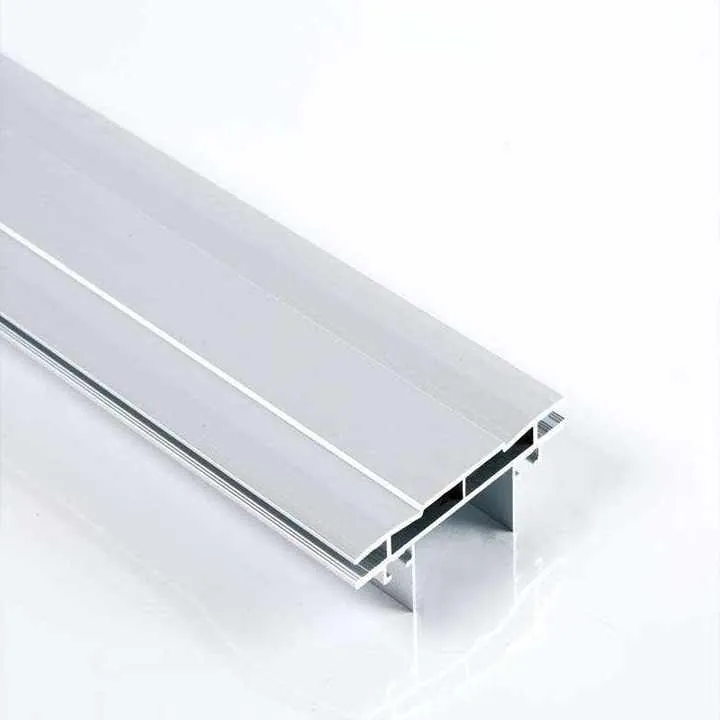
Aluminum extrusions come in solid, hollow, semi-hollow, and specialty forms, each offering different performance for structural, mechanical, or aesthetic applications.
Understanding these differences helps engineers, designers, and buyers make better decisions and avoid mismatches.
How do shapes differ among profiles?
At first, most extrusions seem like just long pieces of metal. But once we examine the cross-sections, a world of engineering intent reveals itself.
Extruded aluminum profiles vary as solid, hollow, or semi-hollow forms — each with unique strengths, machining potential, and application suitability.
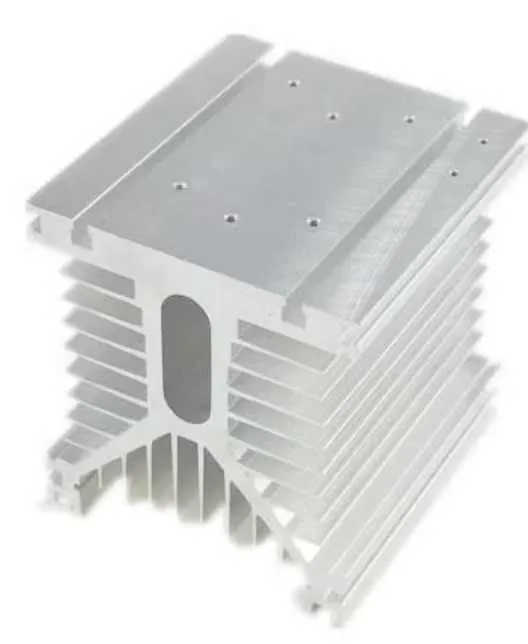
The geometry of an extrusion affects how it behaves under load, how it can be joined, and how it handles things like airflow, liquids, or wires.
Common Aluminum Extrusion Shapes
| نوع الملف الشخصي | الوصف | أمثلة |
|---|---|---|
| صلبة | No enclosed voids; typically stronger and simpler | Angles, channels, flat bars |
| أجوف | Contains one or more enclosed voids | Tubes, squares, rectangles |
| شبه مجوف | Partial enclosures; in-between solid and hollow | Rounded slots, U-channels |
| مخصص | Engineered shapes for specific uses | Heat sinks, sign frames, tracks |
Structural Implications
- Solid profiles are stiffer and better for carrying heavy loads.
- Hollow profiles reduce material usage while offering decent strength-to-weight.
- Semi-hollow profiles balance design flexibility and strength.
Fabrication Considerations
- Solid extrusions are easier to machine or drill.
- Hollow shapes may require special dies and more complex handling.
- Custom shapes often demand tighter tolerances and CNC processing.
أمثلة على التطبيقات
| Shape Category | حالة الاستخدام الشائع | السبب |
|---|---|---|
| صلبة | Frames, support beams | Maximum rigidity |
| أجوف | Tubes for fluids or wiring | Internal space, lightweight |
| شبه مجوف | Sliding tracks, rails | Complex geometry with access |
| مخصص | Automotive body parts | Performance + branding |
Aluminum extrusion profiles include solid, hollow, and semi-hollow types.صحيح
These are the standard categories based on cross-sectional geometry.
All aluminum extrusions are completely solid in shape.خطأ
Many extrusions have hollow or partially enclosed shapes depending on function.
Why industries choose specific extrusion types?
Choosing an extrusion is never random — every shape and alloy serves a purpose based on strength, weight, or assembly method.
Industries select extrusion types based on structural needs, weight constraints, machining potential, and aesthetic or thermal requirements.
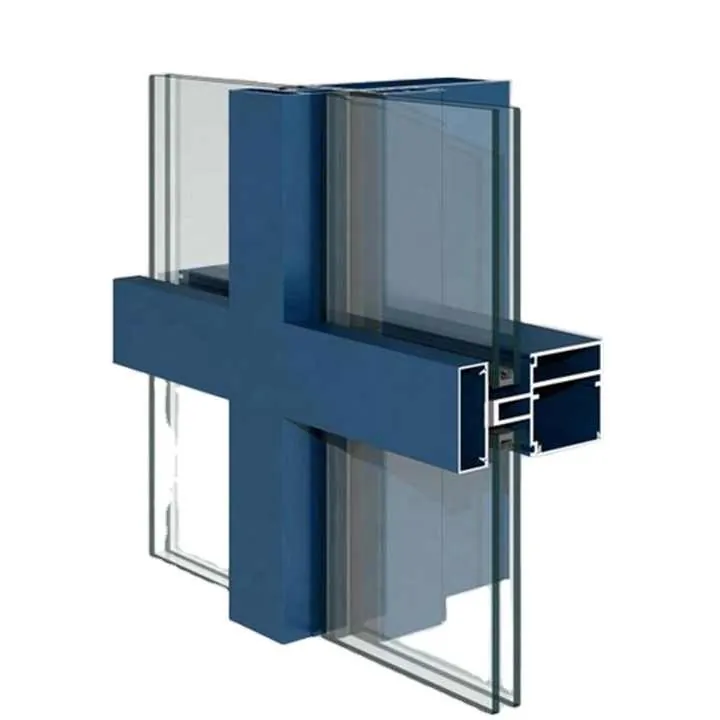
Different sectors require different performance. A transport company may value weight savings. A construction firm needs rigid support. A furniture brand may care more about surface finish and joinery.
Industrial Selection Criteria
| الصناعة | Preferred Extrusion Type | Main Considerations |
|---|---|---|
| الإنشاءات | Solid, semi-hollow | Strength, weather resistance |
| السيارات | Hollow, custom | Lightweight, crash performance |
| الإلكترونيات | Custom (heat sink fins) | Heat dissipation, compactness |
| الطاقة الشمسية | Hollow channels, slots | Panel mounting, weight saving |
| الأثاث | T-slot, decorative shapes | Assembly flexibility, looks |
Design Factors Behind Selection
- نسبة القوة إلى الوزن: Hollow and semi-hollow profiles are chosen when weight is critical.
- مساحة السطح: Heat dissipation needs (like in electronics) push toward finned or slotted profiles.
- Joinability: T-slots, flanges, or grooves make assembly easier without welding.
- الجماليات: Rounded edges, polished surfaces, and custom contours appeal to consumer markets.
Alloy and Finish Impact
- Different shapes also work better with certain alloys (e.g., 6063 for architectural use due to surface finish quality).
- Finishes like anodizing, powder coating, or brushing may influence shape choice (flat vs curved profiles).
Scenario Comparison Table
| السيناريو | Better Shape Type | لماذا |
|---|---|---|
| Building scaffold | Solid channel | High load-bearing strength |
| Car crash energy absorber | Hollow square | Crumple zones, weight saving |
| إطار الألواح الشمسية | Hollow rectangular | Mounting holes, lower weight |
| Workbench support beam | T-slot extrusion | Flexibility for tool mounting |
Industry demands strongly influence the choice of extrusion type.صحيح
Each sector has performance goals that drive profile selection.
All industries use the same basic aluminum profile.خطأ
Extrusion types vary widely across applications based on function and form.
Where are T-slot extrusions used?
Walk into a factory or workshop, and you’re almost guaranteed to see T-slot extrusions at work — they are the unsung heroes of modular design.
T-slot extrusions are used in framing systems, workstations, machine guards, and modular assemblies due to their reusability and ease of connection.
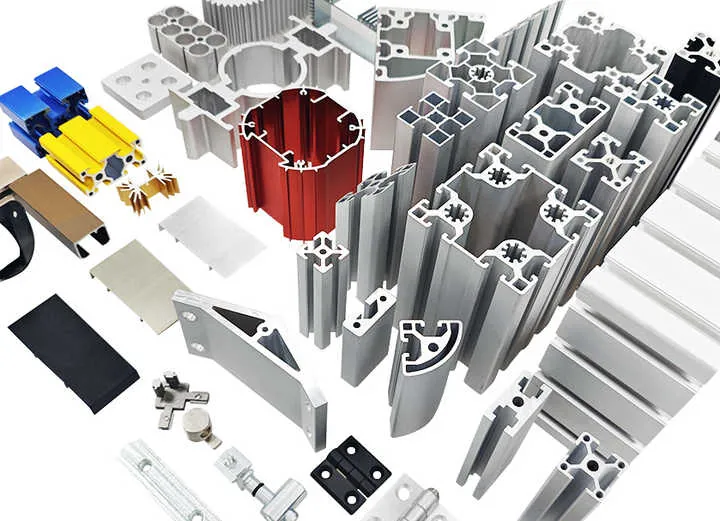
T-slot extrusions are aluminum profiles with one or more T-shaped grooves running along their length. These slots accept standard fasteners, making them extremely flexible.
حالات الاستخدام النموذجي
| التطبيق | الغرض |
|---|---|
| Industrial frames | Machine enclosures, support frames |
| Workbenches | Adjustable, tool-friendly designs |
| 3D printer frames | Rigid structure, custom dimensions |
| خطوط التجميع | Conveyor support, partitions |
| Clean rooms | Modular walls, low-particle surfaces |
Why T-slots Are Popular
- النمطية: Easily add or reposition components.
- No welding needed: Fasteners and brackets connect parts.
- قابل للتخصيص: Can be cut to size and reassembled.
- قوي بما فيه الكفاية: Handles most light-to-medium duty jobs.
- قابلة لإعادة التدوير: Profiles can be reused across projects.
T-Slot Profile Variants
| Slot Type | حجم الأخدود | الاستخدام الشائع |
|---|---|---|
| 20×20, 30×30 | Small systems | Light enclosures, tools |
| 40×40, 45×45 | Medium systems | Workbenches, equipment |
| 80×80 | خدمة شاقة | Automation lines |
These profiles are often made from 6063 or 6061 alloys, offering a balance of strength and corrosion resistance.
T-slot extrusions are commonly used in modular frame systems.صحيح
Their grooved design allows for flexible assembly and repositioning.
T-slot extrusions require welding to assemble.خطأ
They are designed to be assembled with fasteners and do not need welding.
Can hollow types reduce weight?
Weight is often the enemy of performance, especially in transport, robotics, and mobile equipment. That’s where hollow extrusions shine.
Yes, hollow aluminum extrusions reduce weight without sacrificing too much strength, making them ideal for lightweight and portable applications.

How Hollow Profiles Save Weight
- Less metal used: The voids reduce overall volume.
- الأداء الهيكلي: Well-designed hollows resist bending and torque.
- Internal pathways: Can house cables, wires, or fluids.
Use Case Highlights
| التطبيق | Hollow Profile Role |
|---|---|
| Aerospace interiors | Lightweight framing |
| السيارات الكهربائية | Battery housing, crash members |
| Medical carts | Lightweight and mobile structure |
| Tent and canopy frames | Easy to lift and assemble |
Geometry That Matters
- Circular tubes offer strength in all directions.
- Rectangular tubes resist bending better in one axis.
- Multi-cell shapes boost torsional strength without adding mass.
Hollow vs Solid: Weight Example
| الشكل | الحجم (مم) | الوزن (كجم/متر) | Strength Rank (1–5) |
|---|---|---|---|
| سوليد بار | 50 x 10 | 4.20 | 5 |
| Hollow Rect | 50 x 50 x 2 | 2.15 | 4 |
| Hollow Round | Ø50 x 2 | 1.80 | 3 |
By optimizing wall thickness and internal structure, engineers can reduce product weight while maintaining acceptable strength levels.
Hollow aluminum extrusions help reduce total weight in products.صحيح
Their voids reduce material volume while preserving structural capacity.
Hollow extrusions are always weaker than solid ones.خطأ
Some hollow profiles offer similar or better performance due to shape and internal support.
الخاتمة
Aluminum extrusions come in many forms — solid, hollow, T-slot, and custom. Each type serves a purpose, from adding structure to reducing weight or enabling modular design. Knowing how and why to choose the right type leads to better products, safer systems, and smarter manufacturing.