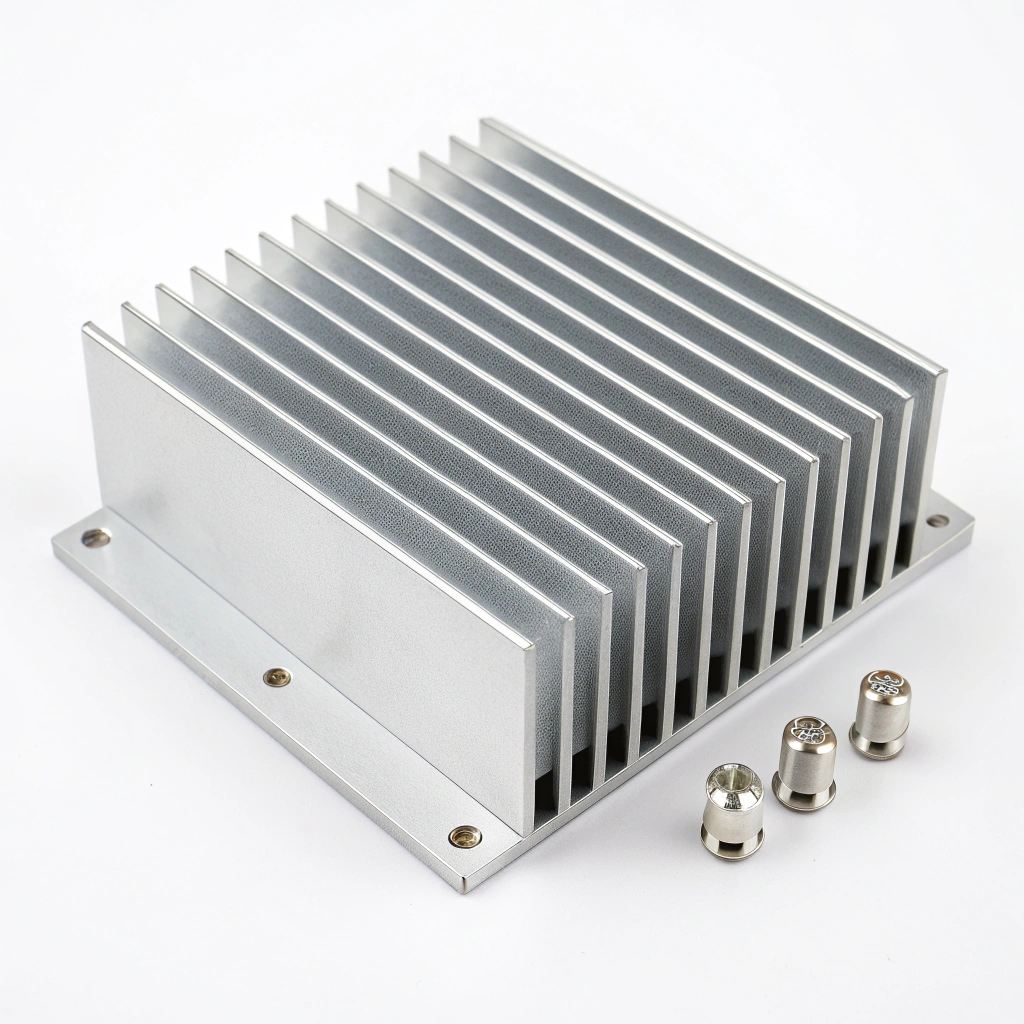
متطلبات تغليف تصدير المبددات الحرارية؟
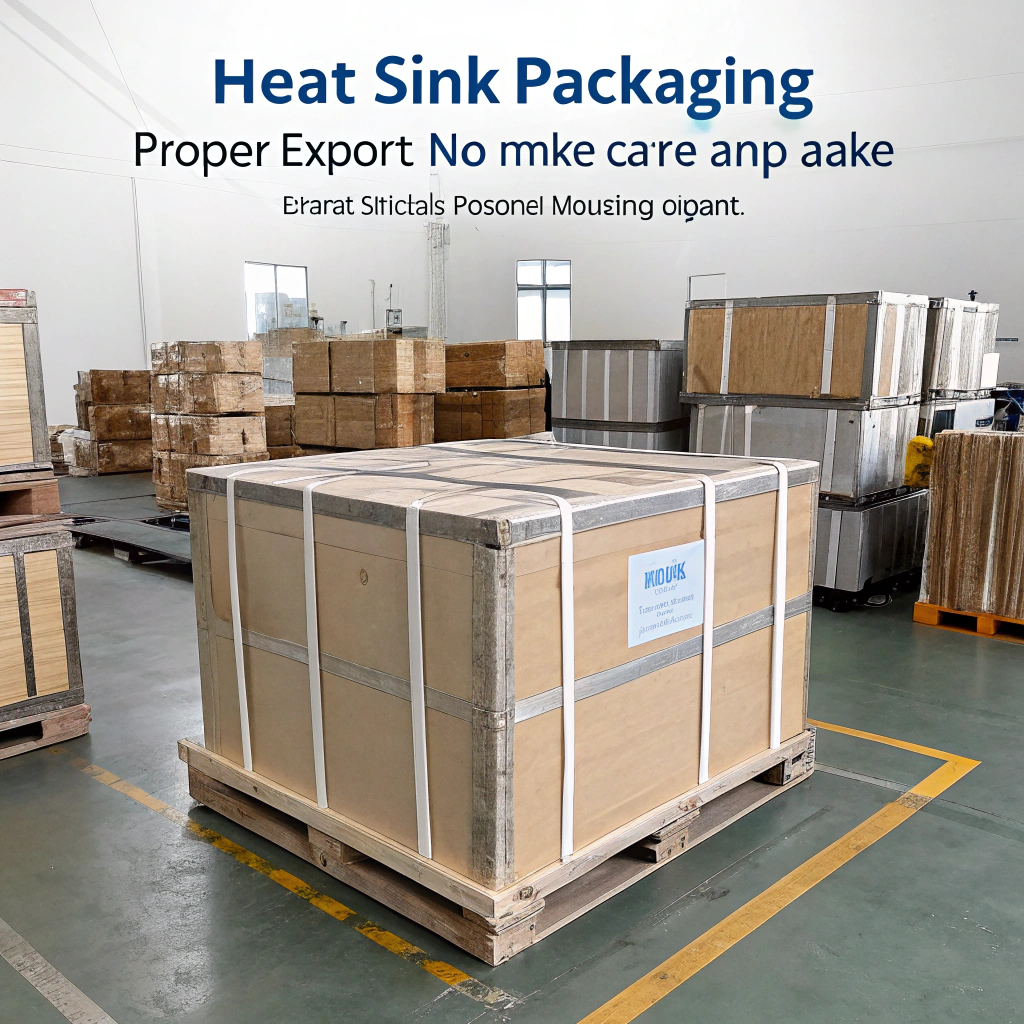
I often see products arrive damaged at destination—this creates real pain.
Proper export packaging for heat sinks protects your parts, your schedule and your reputation.
Now I’ll walk through four key questions that shape export‐packaging for heat sinks.
What packaging protects heat sinks in transit?
Transit means handling, stacking, vibration, humidity, long sea freight. You need packaging that shields the product from these.
Packaging that protects heat sinks in transit uses multi‐layer cushioning (foam or insert), rigid outer crates or cartons, moisture barriers, and correct stacking/strapping methods.
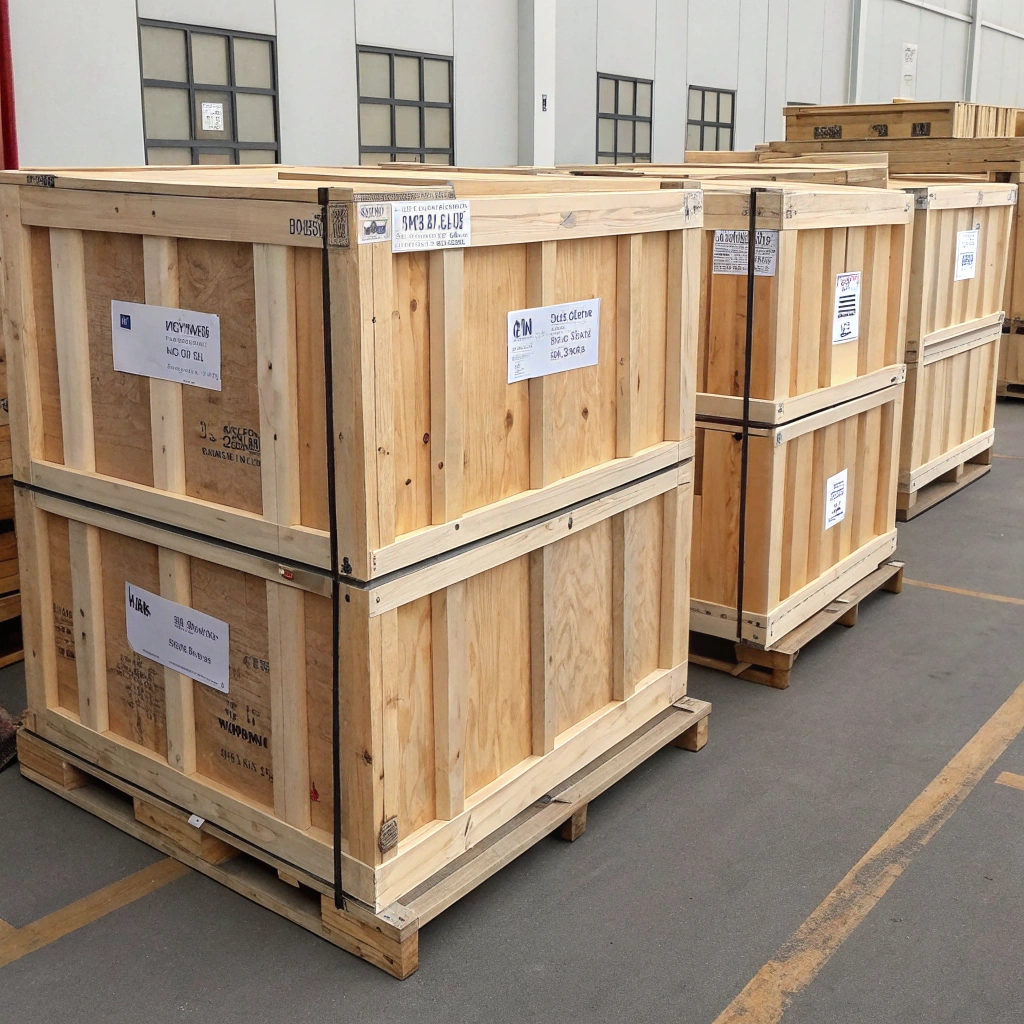
When I plan export packaging for heat sinks, I do the following:
- First, I examine the product: material (usually aluminum alloy), geometry (fins, extruded profiles), surface treatment. These parts may be light but have fragile fins or long profiles—so they are vulnerable.
- Then I select the internal protective layer: foam tray inserts, corrugated partitions, bubble‑wrap cages or stretch film for fragile fin sections. The goal is to prevent metal‑to‑metal contact and avoid bending or warping.
- Next, I pick the outer packaging: for long-distance export, we often use export-grade cartons or wooden crates. These crates are rigid and strong enough to handle stacking and forklift handling.
- I ensure moisture/anti‑corrosion protection: this might include moisture barriers (plastic film), desiccant packs, or vapor barrier bags.
- I make sure the load is secured: palletized, strapped, with labels showing handling instructions, stacking limits, and top-side orientation.
In summary: internal cushioning + rigid outer container + moisture barrier + proper palletization & labeling = protected heat sinks.
Rigid wooden crates are recommended for export packaging of long, fragile aluminium profiles.صحيح
Because for long profiles, crates prevent bending or warping, ensuring safer transit.
Simple cardboard boxes without internal cushioning are adequate for international transit of heat sink extrusions.خطأ
This type of packaging does not protect against shock or moisture during long shipping.
How do exporters ensure anti‑corrosion protection?
Exporting aluminium or other metal heat sinks means they might sit in humid containers, salt air, temperature swings. Without proper protection you may get stains, oxidation or surface damage.
Exporters ensure anti‑corrosion protection by applying surface treatments, using vapor-barrier packaging (VCI bags or foil), desiccants, moisture indicators, and using materials that prevent contact corrosion during transit.
Here’s how I approach anti‐corrosion protection for heat sinks:
Surface treatment and material
- Pre‑shipment I confirm the parts have protective finishing like anodizing or powder coating.
- These finishes add a barrier that prevents oxidation.
Packaging barrier methods
- Use vapor corrosion inhibitor (VCI) bags or sealed foil bags to stop moisture ingress.
- Include desiccant sachets to absorb humidity. Moisture indicator cards help verify if levels are safe.
- Wrap units in shrink film or plastic wrap to minimize air contact.
Outer container moisture/stacking protection
- For wooden crates or pallets, ensure the wood is treated and the containers are sealed.
- Add internal supports that keep parts off the base to prevent contact with condensed water.
Contact corrosion avoidance
- Prevent aluminum from touching dissimilar metals like steel strapping; use plastic sleeves or foam in between.
Label and storage instructions
- Add instructions like “Keep Dry”, “Unpack in Dry Area”, and include symbols for humidity sensitivity.
These measures reduce risk of surface damage and help the heat sinks arrive clean, intact, and functional.
Using VCI bags is an effective method to reduce corrosion risk for metal parts during export transit.صحيح
VCI bags form a vapor barrier that prevents metal surfaces from oxidizing in humid environments.
Corrosion protection is unnecessary for aluminium heat sinks during freight.خطأ
Even aluminum can corrode under humid, salty or long exposure; protection is needed.
Which materials suit export packing?
Choosing the right materials for packaging is crucial to survive export logistics. The materials must protect from shock/stress, moisture, stacking, and meet customs requirements.
Materials well-suited for export packing include ISPM 15-compliant wooden crates or pallets, heavy-duty corrugated cartons, foam and EPE inserts, moisture barrier bags or films, desiccants, and strapping.
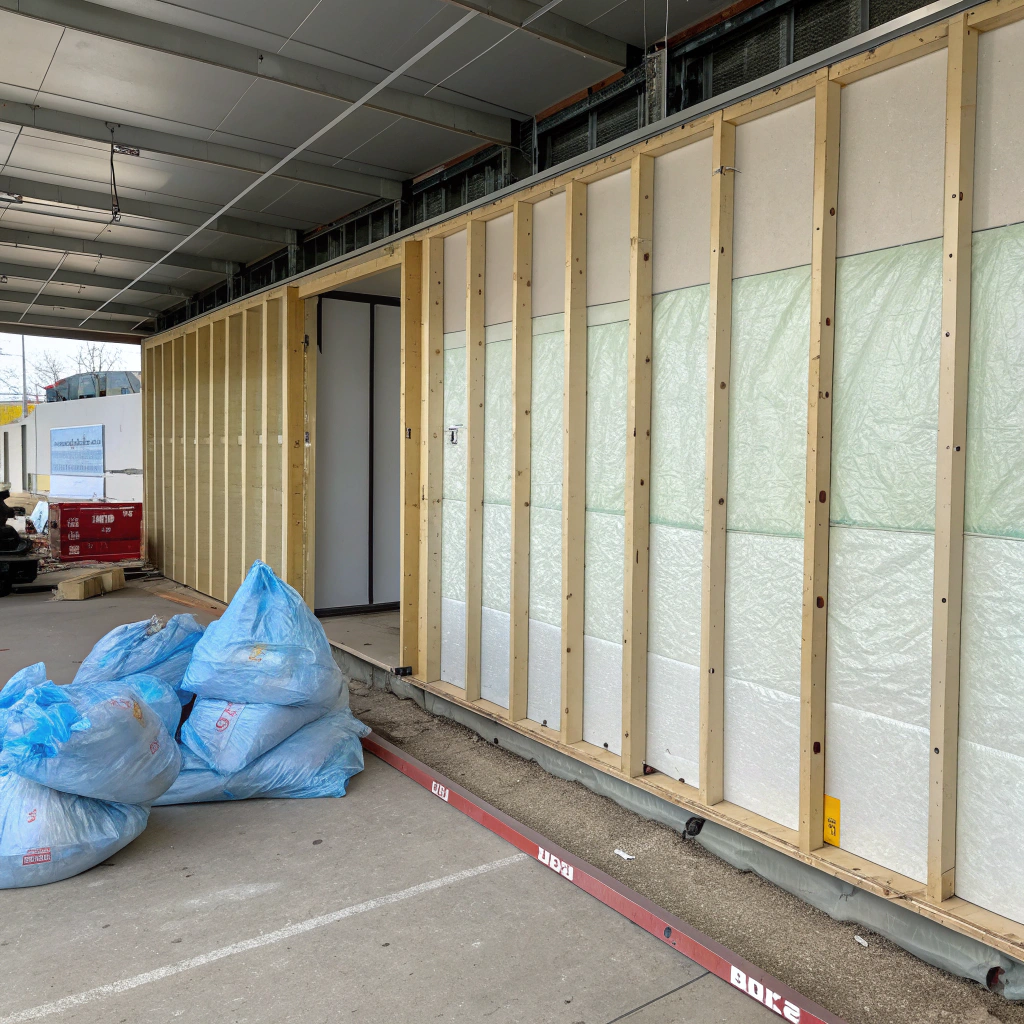
Here is a breakdown of material options and why they matter:
| المكوّن | المواد | ما أهمية ذلك |
|---|---|---|
| Outer container | ISPM 15 wooden crate or plywood box | Strong, compliant with international wood regulations |
| Intermediate protection | Export-grade carton | Adds shock buffer layer |
| Internal cushioning | EPE foam, PU foam, partitions | Prevents movement, absorbs impact |
| Moisture barrier | VCI bags, foil bags, desiccants | Prevents corrosion during sea transit |
| Strapping | Steel or plastic banding | Secures load, prevents shift |
| Palletisation | Treated wood pallet | Facilitates forklift handling |
| Labels | Moisture indicators, shock sensors | Help monitor shipping conditions |
الامتثال
Wood packaging must follow ISPM 15 standards — heat-treated and marked.
Product-specific considerations
- Long profiles need mid-span support to prevent bending.
- Thin fins need foam isolation to prevent contact.
- Surface-treated parts need non-abrasive packaging to avoid scratches.
Optional: Eco alternatives
Use recycled or biodegradable materials if the buyer prefers sustainable solutions.
Wooden crates used for export must meet ISPM 15 treatment standards.صحيح
ISPM 15 is required for wood packaging in global shipping to prevent pest transmission.
Thin plastic wrap alone is sufficient packaging for heavy metal parts in sea freight containers.خطأ
Plastic wrap lacks structural strength and moisture resistance needed for export-grade protection.
Are drop tests required for packaging?
When exporting, packaging must not only survive stacking and moisture, but also handling shocks, drops, vibration. So yes, testing packaging helps ensure performance.
Drop tests, vibration tests and other transit simulations are recommended to confirm the packaging protects the product through real-world export shipping scenarios.

Here’s how I manage drop testing:
- Drop tests simulate typical handling damage — packages might fall during forklift transfer, container loading, or manual stacking.
- For drop tests, the packed product is dropped from heights (like 1 meter) on different faces and corners.
- Afterward, I check for fin damage, surface scratches, or product shifting.
Related testing
- Vibration tests simulate the shaking and bouncing in trucks or ships.
- Compression tests simulate stacking during warehouse storage.
For heat sinks
- Thin fins are vulnerable to bending from impact.
- Long parts may need extra interior support.
- Foam inserts or partitions must secure parts so nothing moves inside the crate during a drop.
التوثيق
- Results from drop tests are often requested by buyers or third-party inspectors.
- Once the packaging passes drop and vibration tests, I freeze the design and apply it to future shipments.
Packaging for export should be drop tested to verify protection performance.صحيح
Drop tests simulate real shipping hazards and confirm whether packaging design is adequate.
If packaging passes stacking test only, drop tests are unnecessary for export shipments.خطأ
Stacking tests alone don't simulate impact shock; drop tests are essential to check structural protection.
الخاتمة
In preparing export packaging for heat sinks you must account for shock, bending, moisture, and long-distance transit. Use multi-layer protection with cushioning, rigid crates or pallets, moisture barrier materials and proper labelling. Ensure you meet wood packaging regulations (ISPM 15), select suitable materials for product geometry, and validate packaging via drop or vibration tests. Doing this preserves product integrity, protects your brand and supports smooth export delivery.