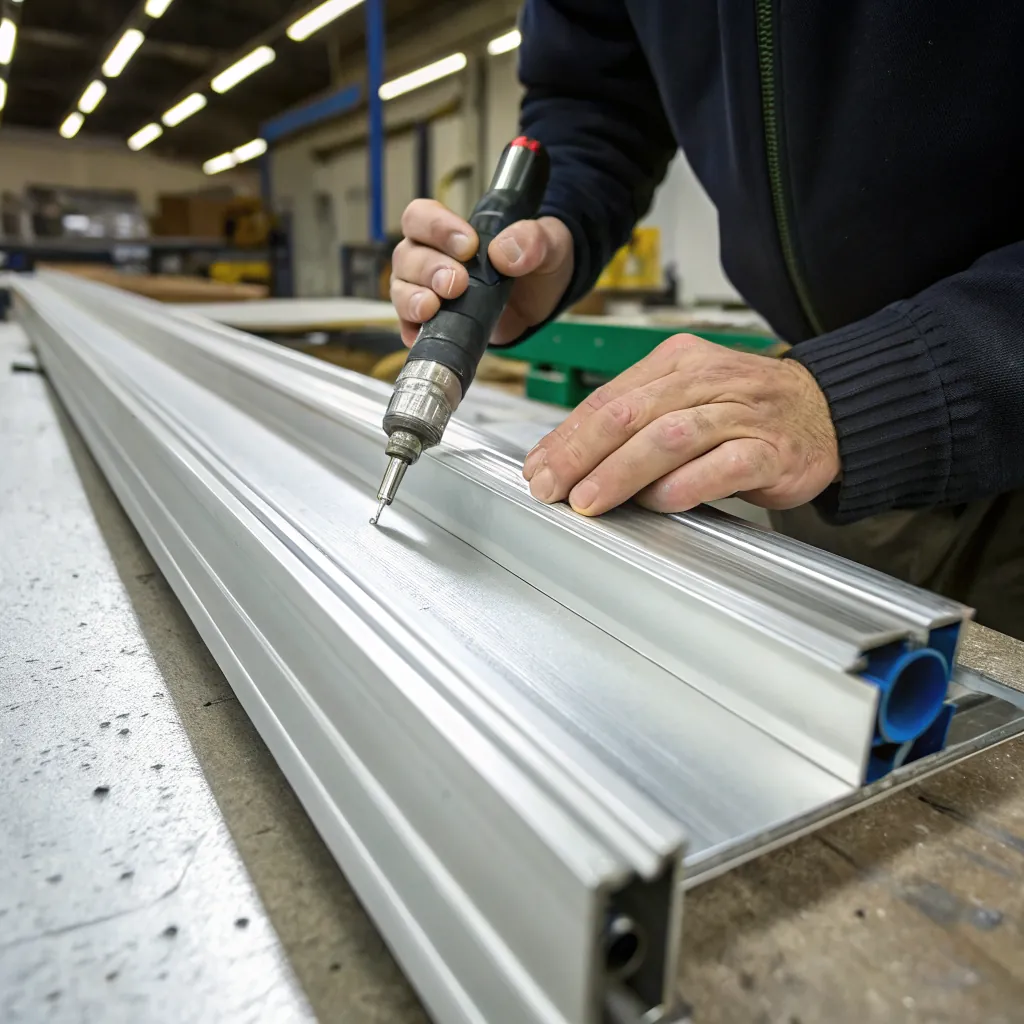
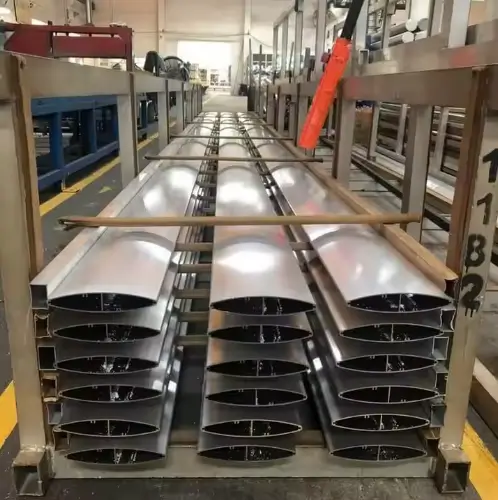
حساب سعة تحميل بثق الألومنيوم؟

غالبًا ما تفشل عمليات بثق الألومنيوم في المشروعات الحقيقية لأن حدود الحمولة يتم تخمينها وليس حسابها. يؤدي ذلك إلى مخاطر السلامة وإهدار التكلفة وإعادة التصميم الذي لا يريده أحد.
يمكن حساب سعة الحمولة لبثق الألومنيوم من خلال الجمع بين قوة المواد، وهندسة المقطع العرضي، وظروف الدعم، ونوع الحمولة المطبقة في معادلات هيكلية أساسية.
يرى العديد من المشترين أرقام الأحمال على الرسومات ولكنهم لا يعرفون مصدرها. تخلق هذه الفجوة ارتباكًا بين فرق التصميم والموردين والمهندسين. يساعد فهم المنطق وراء سعة الحمولة على تجنب الافتراضات الخاطئة والأخطاء المكلفة.
كيف يتم حساب سعة حمولة البثق؟
قدرة التحميل لبثق الألومنيوم ليست رقمًا واحدًا. فهي تعتمد على كيفية استخدام المظهر الجانبي وكيفية دعمه وكيفية تطبيق الحمل. غالبًا ما يؤدي تجاهل إحدى هذه النقاط إلى نتائج خاطئة.
يتم حساب سعة التحميل عن طريق التحقق من حدود الإجهاد والانحراف والالتواء باستخدام نظرية العوارض وبيانات قوة المواد.
منطق الحساب الأساسي
في معظم الحالات الصناعية، تعمل قواطع الألومنيوم مثل العوارض. تقاوم العارضة الانحناء عند تطبيق قوة ما. الخطوات الشائعة بسيطة.
أولاً، حدد نوع الحمولة. قد يكون حملاً نقطيًا، أو حملاً منتظمًا، أو حملاً مركبًا. بعد ذلك، حدد نوع الدعم. قد يكون مدعومًا ببساطة أو ثابتًا أو ناتئًا. يغير هذان المدخلان المعادلات المستخدمة.
ثم احسب إجهاد الانحناء باستخدام هذه العلاقة:
- إجهاد الانحناء = عزم الانحناء مقسومًا على معامل المقطع
يجب أن تظل النتيجة أقل من الإجهاد المسموح به لسبائك الألومنيوم. بالنسبة للسبائك الشائعة مثل 6063-T5 أو 6061-T6، يتم تعيين الإجهاد المسموح به أقل من قوة الخضوع لتضمين عوامل الأمان.
الانحراف مهم بقدر أهمية القوة
حتى إذا لم ينكسر البثق فقد ينحني أكثر من اللازم. تفشل العديد من التطبيقات بسبب تجاهل حدود الانحراف. بالنسبة للإطارات والموجهات وقواعد الماكينات، غالبًا ما تكون الصلابة أكثر أهمية من القوة.
يعتمد الانحراف على:
- قيمة التحميل
- طول الامتداد
- معامل مرونة الألومنيوم
- اللحظة الثانية من المساحة
تزيد الامتدادات الطويلة من الانحراف بسرعة. يمكن أن تؤدي مضاعفة الامتداد إلى زيادة الانحراف بأكثر من أربعة أضعاف. وهذا هو السبب في أن حجم المظهر الجانبي وحده لا يضمن الأداء.
التواء الأحمال الرأسية
عندما تحمل البثق أحمال ضغط، يصبح الالتواء هو الحد الأقصى. قد يفشل عمود أقل بكثير من قوة المادة بسبب عدم الاستقرار.
غالباً ما تستخدم نظرية أويلر للالتواء. وهي تأخذ في الاعتبار:
- الطول الفعال
- شروط النهاية
- عزم القصور الذاتي
تنثني المقاطع الجانبية النحيلة في وقت مبكر. يجب على المصممين التحقق من ذلك عند استخدام البثق كأرجل أو أعمدة أو دعامات.
تدفق الحساب العملي
| الخطوة | المدخلات المطلوبة | المخرجات |
|---|---|---|
| تعريف التحميل | نوع القوة وقيمتها | نموذج التحميل |
| إعداد الدعم | شروط النهاية | الصيغة الصحيحة |
| التحقق من الإجهاد | مقياس المقطع | حد القوة |
| فحص الانحراف | عزم القصور الذاتي | حد الصلابة |
| فحص الالتواء | الطول الفعال | حد الثبات |
يجب أن ينجح كل فحص. إذا فشل أحدهما، يجب تغيير الملف الشخصي.
يتم تحديد سعة حمولة بثق الألومنيوم عن طريق التحقق من حدود الإجهاد والانحراف والالتواء.صحيح
يجب تقييم جميع أنماط الفشل الثلاثة لضمان الأداء الآمن.
إذا كان إجهاد الانحناء أقل من قوة الخضوع، فإن الانحراف لا يهم.خطأ
يمكن أن يتسبب الانحراف المفرط في حدوث فشل وظيفي حتى عند استيفاء حدود القوة.
ما معلمات الملف الشخصي الأكثر تأثيرًا على قوة التحميل؟
يركز العديد من المشترين على وزن الملف الشخصي فقط. وهذا خطأ شائع. يمكن لملفين جانبيين بنفس الوزن أن يحملا أحمالاً مختلفة جداً.
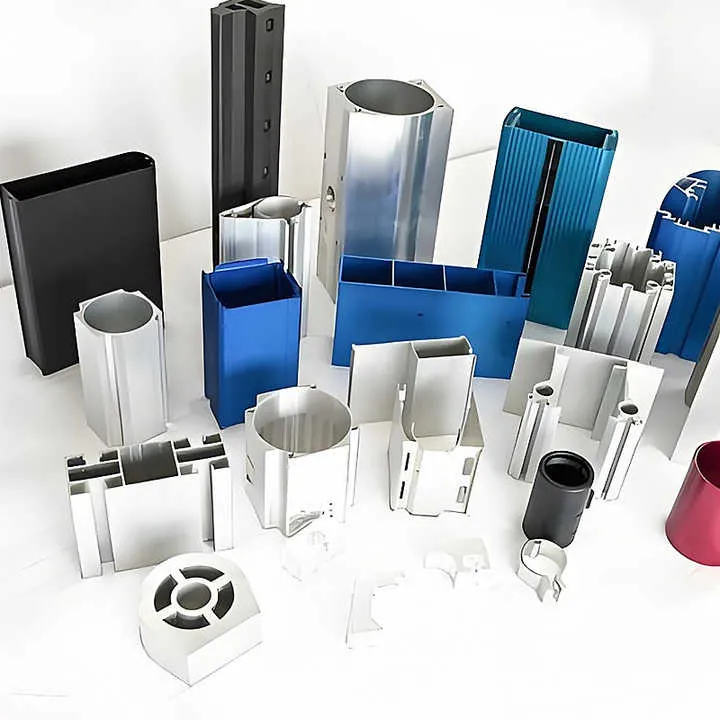
أهم المعلمات هي معامل المقطع، وعزم القصور الذاتي، وسمك الجدار، وشكل المظهر الجانبي.

معامل المقطع وقوة الانحناء
يتحكم معامل المقطع مباشرة في إجهاد الانحناء. القيمة الأعلى تعني ضغطًا أقل تحت نفس الحمل.
يكون أداء المقاطع الجانبية ذات المواد الموضوعة بعيدًا عن المحور المحايد أفضل. ولهذا السبب غالباً ما تتفوق المقاطع المجوفة على القضبان الصلبة بنفس الوزن.
يمكن أن تؤدي التغييرات الصغيرة في الهندسة إلى مكاسب كبيرة في القوة. قد تؤدي إضافة أضلاع أو تغيير تصميم الجدار إلى مضاعفة سعة التحميل دون زيادة الوزن كثيراً.
عزم القصور الذاتي والصلابة
يتحكم عزم القصور الذاتي في الانحراف. ويعتمد ذلك على كيفية توزيع الكتلة عبر المقطع العرضي.
تقاوم المقاطع الطويلة الانحناء بشكل أفضل من المقاطع المسطحة عند التحميل في الاتجاه القوي. الاتجاه مهم. يمكن أن يؤدي استخدام نفس المظهر الجانبي في اتجاه مختلف إلى تغيير الصلابة بعدة مرات.
سُمك الجدار والفشل الموضعي
قد تفشل الجدران الرقيقة محلياً قبل الوصول إلى حدود الانحناء العالمية. ويشمل ذلك:
- الالتواء المحلي
- فشل المحمل عند فتحات المسامير
- تشوه فتحة T-slot
تعمل زيادة سُمك الجدار على تحسين المتانة ولكنها تزيد من التكلفة وصعوبة البثق. التوازن مطلوب.
تأثير السبيكة والمزاج
يؤثر اختيار المواد على الإجهاد المسموح به. تسمح السبائك عالية القوة بأحمال أعلى ولكنها قد تقلل من قابلية البثق أو جودة السطح.
| المعلمة | التأثير على الحمل |
|---|---|
| مقياس المقطع | قوة الانحناء |
| عزم القصور الذاتي | التحكم في الانحراف |
| سُمك الجدار | الاستقرار المحلي |
| مزاج السبيكة | الإجهاد المسموح به |
مفاضلات التصميم في المشاريع الحقيقية
في الممارسة العملية، تتعارض القوة والصلابة والتكلفة والوقت المستغرق. قد يحل الشكل الأثقل مشكلة بسرعة ولكنه يكلف أكثر في الشحن والتصنيع الآلي. قد يحتاج الشكل الأكثر ذكاءً إلى أدوات جديدة ولكنه يوفر التكلفة على المدى الطويل.
يساعد فهم المتغير الذي يتحكم في الفشل في اتخاذ قرارات أفضل في وقت مبكر.
معامل المقطع له تأثير مباشر على إجهاد الانحناء تحت الحمل.صحيح
يقلل معامل المقطع الأعلى من إجهاد الانحناء لنفس العزم.
يحدد وزن الملف الشخصي وحده سعة الحمولة.خطأ
التوزيع الهندسي مهم أكثر من الكتلة الكلية.
هل يمكن لبرامج المحاكاة التنبؤ بالحدود الهيكلية؟
تُستخدم أدوات المحاكاة على نطاق واسع اليوم. ويثق بها العديد من المهندسين ثقة كاملة. يجب أن تكون هذه الثقة متوازنة مع الفهم.
يمكن لبرنامج المحاكاة التنبؤ بالحدود الهيكلية بدقة إذا كانت المدخلات والقيود وبيانات المواد صحيحة.

ما الذي تجيده المحاكاة
يقوم تحليل العناصر المحدودة بتقسيم المظهر الجانبي إلى عناصر صغيرة. يحسب الإجهاد والتشوه عبر النموذج.
مقابض المحاكاة:
- هندسة معقدة
- الأحمال المجمعة
- القيود الواقعية
- مناطق تركز الإجهاد
هذا مفيد جدًا للملفات الشخصية المخصصة حيث تكون الصيغ اليدوية محدودة.
الأخطاء الشائعة في المحاكاة
تأتي العديد من الأخطاء من الإعداد الخاطئ، وليس من حدود البرنامج.
تشمل المشاكل النموذجية ما يلي:
- دعامات مقيدة أكثر من اللازم
- تجاهل سلوك الاتصال
- استخدام خصائص المواد الخاطئة
- تطبيق أحمال غير واقعية
غالبًا ما تؤدي هذه الأخطاء إلى نتائج تبدو آمنة ولكنها ليست كذلك.
المحاكاة مقابل الحساب اليدوي
يجب أن تدعم المحاكاة الحسابات الأساسية، لا أن تحل محلها. تساعد الفحوصات اليدوية على اكتشاف أخطاء النمذجة.
إذا توقعت المحاكاة إجهادًا أقل من النظرية البسيطة، فقد يكون الإعداد خاطئًا. إذا تنبأت بإجهاد أعلى بكثير، فقد تهيمن التأثيرات المحلية.
عندما تكون المحاكاة ضرورية
يوصى بشدة بالمحاكاة عندما:
- هندسة المظهر الجانبي معقدة
- الأحمال متعددة الاتجاهات
- مخاطر السلامة عالية
- تحسين الوزن أمر بالغ الأهمية
بالنسبة للعوارض البسيطة، غالبًا ما تكون الحسابات اليدوية كافية.
التكلفة وقيمة الاتصال
تساعد صور المحاكاة في شرح خيارات التصميم للمشترين والمديرين. كما أنها تدعم المناقشات الفنية خلال مراحل الموافقة.
ومع ذلك، فإن المحاكاة وحدها لا تضمن السلامة دون التحقق من الصحة.
يمكن لبرنامج المحاكاة التنبؤ بدقة بحدود حمل البثق عندما تكون المدخلات صحيحة.صحيح
تعتمد الدقة على شروط الحدود الصحيحة وبيانات المواد.
دائمًا ما تكون نتائج المحاكاة أكثر موثوقية من الاختبارات الفيزيائية.خطأ
يجب التحقق من صحة المحاكاة من خلال بيانات العالم الحقيقي لتأكيد الدقة.
هل تتحقق نتائج الاختبار من صحة بيانات الحمل المحسوبة؟
الاختبار هو الخطوة الأخيرة بين النظرية والاستخدام الحقيقي. تتنبأ الحسابات بالسلوك. وتؤكدها الاختبارات.
يتحقق الاختبار الفيزيائي من صحة بيانات الحمل المحسوبة من خلال الكشف عن أوضاع الفشل الحقيقية وهوامش الأمان.

أنواع اختبارات الحمل
تشمل الاختبارات الشائعة ما يلي:
- اختبارات الانحناء الساكن
- اختبارات الضغط
- اختبارات الإرهاق
- اختبارات التصادم
يستهدف كل اختبار مخاطر مختلفة.
تؤكد الاختبارات الساكنة القوة. تكشف اختبارات الإعياء عن السلوك طويل الأمد في ظل الأحمال المتكررة.
لماذا تختلف الاختبارات عن الحسابات
الأجزاء الحقيقية ليست مثالية أبداً. تشمل العوامل التي تؤثر على النتائج ما يلي:
- تفاوتات البثق
- الإجهاد المتبقي
- عيوب السطح
- أخطاء التجميع
تفترض الحسابات الظروف المثالية. تشمل الاختبارات الواقع.
تفسير بيانات الاختبار
يجب ألا تؤخذ نتائج الاختبار كأرقام فردية. بل يجب أن تُظهر الاتجاهات.
يتضمن برنامج الاختبار الجيد ما يلي:
- عينات متعددة
- التحميل التدريجي
- معايير الفشل الواضحة
تساعد مقارنة نتائج الاختبار بالحسابات على تحسين عوامل الأمان.
التغذية الراجعة في التصميم
تعمل بيانات الاختبار على تحسين التصاميم المستقبلية. يمكن تحسين الملامح بناءً على نقاط الفشل الحقيقية. وهذا يقلل من التصميم الزائد والتكلفة.
بناء الثقة مع المشترين
توفير تقارير الاختبار يزيد من الثقة. يفضل المشترون الموردين الذين يمكنهم شرح كيفية إثبات الأرقام.
| الطريقة | الغرض |
|---|---|
| الحساب | التنبؤ بالسلوك |
| المحاكاة | تصور الإجهاد |
| الاختبار | تأكيد الواقع |
يعمل الثلاثة معًا. تجاهل أحدها يزيد من المخاطر.
يساعد الاختبار الفيزيائي في التحقق من صحة قيم سعة التحميل المحسوبة وتنقيحها.صحيح
يكشف الاختبار عن سلوك العالم الواقعي الذي لا يمكن التقاطه نظرياً فقط.
بمجرد اختبار الملف الشخصي، لا تعود هناك حاجة إلى إجراء الحسابات.خطأ
تظل الحسابات ضرورية للتوسع والتصاميم الجديدة.
الخاتمة
تأتي قدرة التحميل الدقيقة لبثق الألومنيوم من حسابات واضحة وخيارات هندسية ذكية ومحاكاة دقيقة واختبارات حقيقية. عندما تعمل هذه الخطوات معاً، تصبح التصميمات أكثر أماناً وأخف وزناً وأكثر موثوقية.