إرشادات تركيب قضبان الألمنيوم المبثوقة؟

Aluminum extrusions are versatile, but even the best material fails if poorly installed. So how do we ensure proper setup?
Correct installation of aluminum extrusions requires attention to profile type, fastening method, alignment, and safety. Following best practices helps maximize strength, aesthetics, and longevity.
A strong foundation begins with the right methods. From selecting tools to choosing fasteners, each detail matters. Let’s break down what works, what to avoid, and how to stay safe during installation.
What are best practices for installing aluminum extrusions?
Installation looks simple — cut, drill, bolt. But poor preparation leads to gaps, misalignment, or structural issues over time.
Best practices include clean surface prep, correct torque, thermal gap planning, and ensuring tight mechanical connections with minimal distortion.

Here’s what proper installation should always include:
1. Preparation of Material
- تنظيف الأسطح to remove oil or dirt before assembly.
- Deburr all cuts to avoid sharp edges and misalignment.
- Use precise measurements — poor cutting causes stress points.
2. Allow for Thermal Expansion
Aluminum expands with heat. Gaps or sliding joints should be planned to allow movement.
| نطاق درجة الحرارة | Expansion Gap per Meter |
|---|---|
| -10°C to 40°C | 1.0–1.4 mm |
| -20°C to 60°C | 1.6–2.0 mm |
3. Secure Connections
- Use flat washers to distribute pressure.
- Avoid over-torquing bolts — it distorts profiles.
- Ensure full thread engagement in tapped holes.
4. Use Compatible Metals
If aluminum contacts steel or copper, add a separator to avoid galvanic corrosion. Nylon washers or plastic spacers work well.
5. Seal Joints (if exposed)
Outdoor installations should seal joints with neutral silicone to block water ingress.
6. Verify Alignment
Use levels and guides. Crooked or twisted profiles affect frame load capacity and aesthetics.
Thermal expansion gaps should be planned when installing aluminum extrusions.صحيح
Aluminum expands with heat. Without gaps, pressure builds and causes distortion or cracking.
Bolting aluminum extrusions tightly without washers improves grip.خطأ
Tight bolts without washers may crush the profile and cause surface damage.
How do mounting methods vary by profile type?
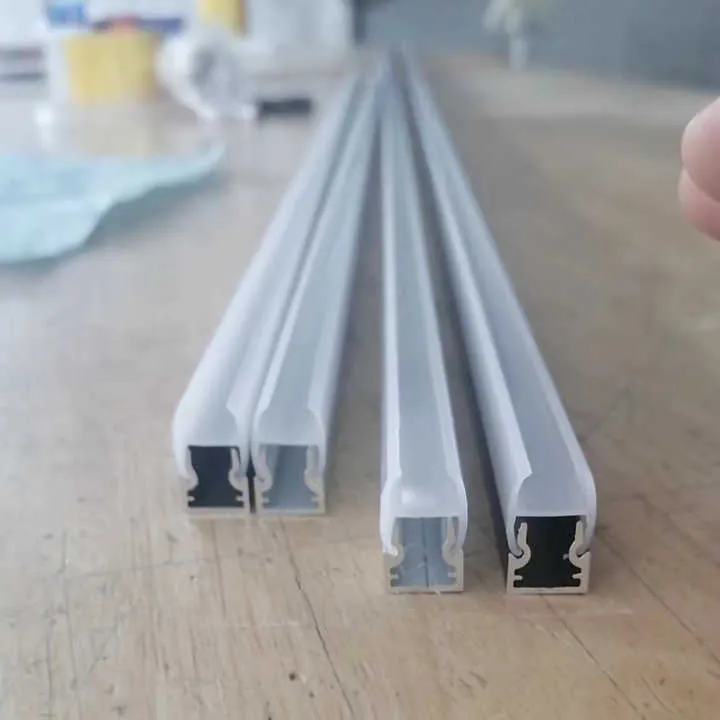
Not all aluminum profiles are mounted the same way. Hollow tubes, T-slot frames, or structural beams each need tailored approaches.
Mounting methods vary depending on profile shape, load demands, and whether the application is static or dynamic. T-slots use slide-in nuts; structural beams often use brackets or welding.
Profile-Specific Mounting
| نوع الملف الشخصي | Common Mounting Method | الملاحظات |
|---|---|---|
| T-slot extrusion | T-nuts and slot bolts | Adjustable, easy to reassemble |
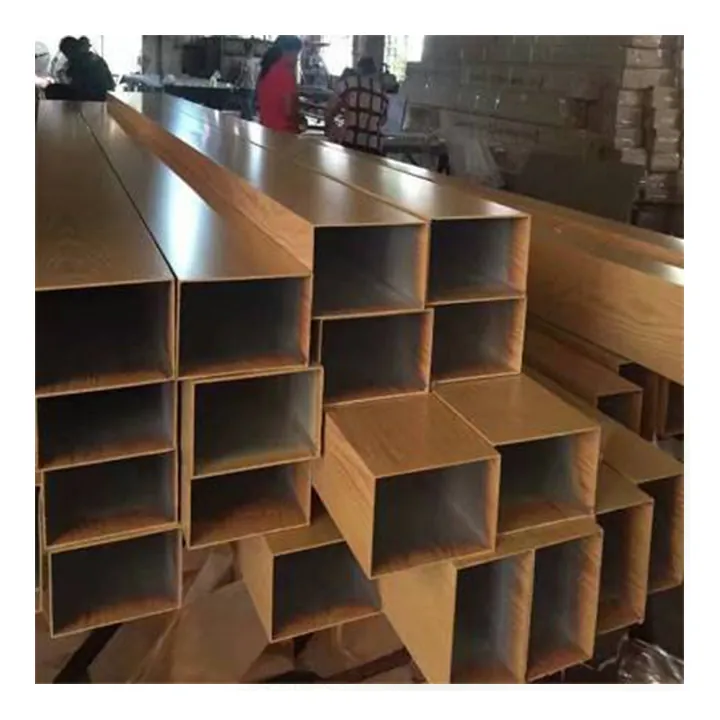
| أنبوب مربع مجوف | Through bolts or brackets | Requires accurate drilling |
| L-angles | Direct screw or rivet fixing | Best for light framing |
| I-beam extrusion | Bolted joints or welding | Structural use |
| Custom solar frames | Clamps or end connectors | Must resist vibration/wind |
Mounting Considerations
1. Static vs Dynamic Load
- Static frames (e.g., window trims): Use rivets or screws.
- الأحمال الديناميكية (e.g., machinery frames): Use bolted brackets or reinforcing gussets.
2. Vertical vs Horizontal Orientation
- Horizontal loads need better shear support.
- For vertical supports, spacing and leveling are key.
3. Surface Contact
Always ensure full contact between surfaces — gaps reduce load strength and increase vibration.
4. Vibration Exposure
Use lock washers or thread-locking adhesive in high-vibration setups.
5. Access for Maintenance
Modular assembly (T-slot or bracket systems) allows easier repair or adjustment.
نصيحة واقعية
For solar projects, always tilt mount profiles to drain water. And use stainless fasteners to prevent long-term rust.
T-slot aluminum extrusions often use slide-in nuts for flexible mounting.صحيح
T-nuts allow easy adjustment and reconfiguration without re-drilling.
All extrusion profiles should be welded regardless of use.خطأ
Welding is only required for structural or permanent setups. Many systems use bolts or brackets.
Are there standard fasteners for extrusion use?
Using the wrong screw or bolt can strip threads, cause loosening, or even break profiles. Standardization matters.
Yes, most aluminum extrusion systems use standardized fasteners like T-nuts, M5–M8 bolts, Allen screws, and corner brackets. Thread type and depth must match the profile specs.
Common Fastener Types
| نوع السحابة | الاستخدام | الملاحظات |
|---|---|---|
| T-nuts (M5–M8) | T-slot frame assembly | Slide into slots |
| Socket Head Screws | Profile-to-profile connections | Use with Allen keys |
| Button Head Screws | Aesthetic assemblies | For visible joints |
| Flat Head Screws | Flush-mount installations | Needs countersinking |
| Self-tapping Screws | Light-duty panels | Quick install, low strength |
| Anchor Bolts | Wall or floor mount | Needs dowels |
الإكسسوارات
- أقواس الزاوية: Improve strength at joints.
- أغطية النهاية: Cover open ends, avoid water or dust buildup.
- Spring nuts: Help secure fasteners under tension.
- ألواح التوصيل: Add support between two profiles.
Thread Tips
- Use matching metric thread — usually M5, M6, or M8.
- Thread depth should be at least 1.5x bolt diameter.
- Apply anti-seize or thread locker as needed.
Pre-drilling
- Drill with slow RPM to avoid burrs.
- Deburr all holes before threading.
- For soft aluminum, use backing plates during drilling.
T-slot aluminum systems typically use M5–M8 bolts and slide-in T-nuts.صحيح
These are standard sizes designed to match most T-slot profile grooves.
Self-tapping screws are the strongest option for aluminum frame joints.خطأ
They are convenient but not suitable for structural loads. Bolted or bracketed joints are stronger.
What safety precautions apply during installation?
Working with aluminum may seem safe — but sharp edges, heavy profiles, and cutting tools present real hazards.
Key safety steps include using gloves, eye protection, proper lifting techniques, and stable supports when drilling or fastening aluminum extrusions.

Common Safety Hazards
| Hazard | Prevention |
|---|---|
| Sharp Edges | Wear cut-resistant gloves |
| Falling Profiles | Use clamps and secure brackets |
| Eye Injury (metal shavings) | Wear safety glasses |
| Lifting Strains | Use team lifting or mechanical aids |
| Electrical Tools | Check cords and grounding |
Essential Safety Gear
- Safety goggles
- Cut-resistant gloves
- Long sleeves or work apron
- Steel-toe boots
- Dust mask (when cutting)
Safe Handling Tips
- Store profiles flat, not leaned against walls.
- Don’t carry long profiles alone.
- Use proper tool rests for drilling.
- Always clamp profiles before cutting or tapping.
Tool Safety
- Use sharp drill bits to reduce slipping.
- Avoid using angle grinders — they may heat aluminum too fast.
- Unplug tools when changing bits or blades.
السلامة البيئية
- Clear workspaces of clutter.
- Keep flammable items away — aluminum dust is combustible.
- Vacuum aluminum chips — don’t blow with air.
First Aid Considerations
- Minor cuts are common. Keep antiseptic and bandages nearby.
- Eye wash station recommended for industrial settings.
- Lifting injuries often occur — train staff on correct technique.
Wearing safety goggles is essential when cutting or drilling aluminum extrusions.صحيح
Cutting aluminum produces metal shavings that can injure eyes. Goggles provide direct protection.
It’s safe to carry long aluminum extrusions vertically by yourself.خطأ
Long profiles can fall or bend, risking injury or damage. Team lifting is advised.
الخاتمة
Proper installation of aluminum extrusions goes beyond simple assembly. Choosing the right method, fasteners, and safety approach ensures structural reliability and long-term performance in any setting — from buildings to machines.