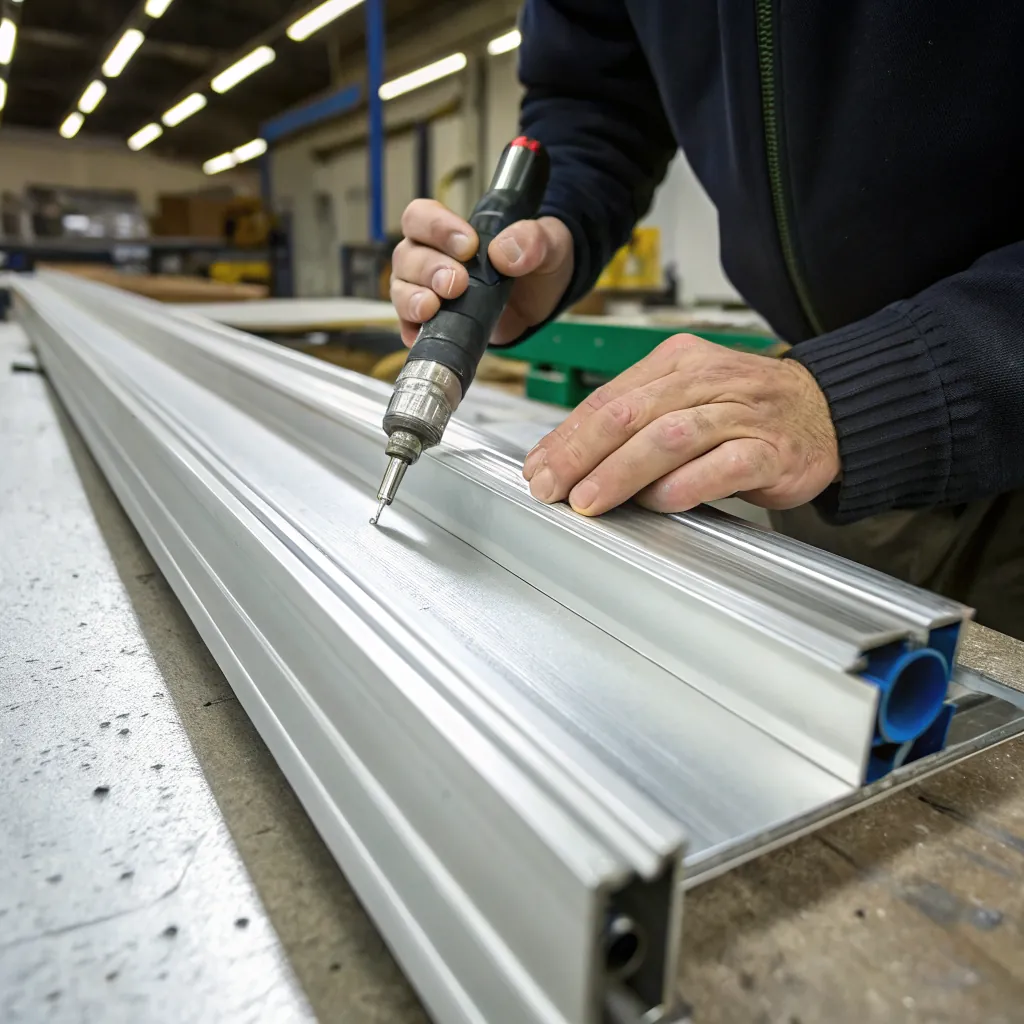
قذف الألومنيوم في البناء المعياري؟
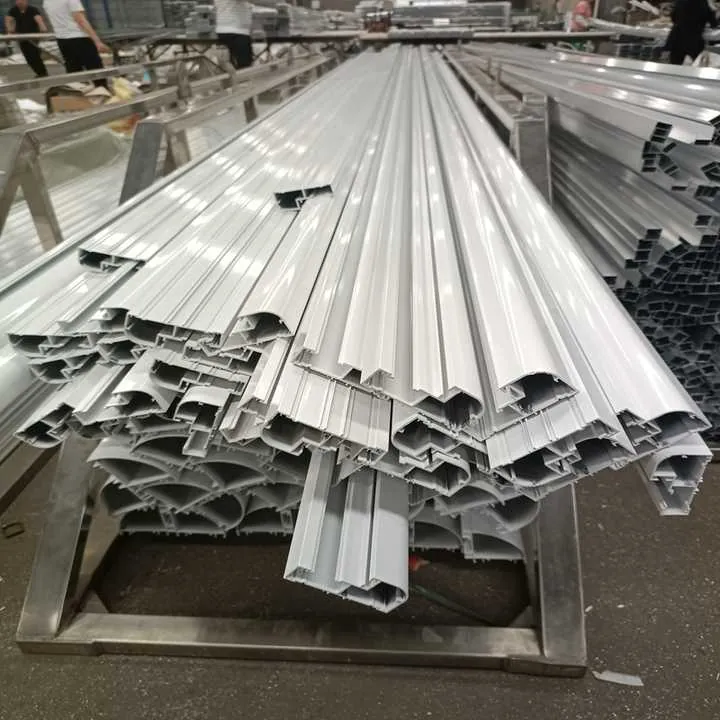
تكتسب مقاطع الألومنيوم المسحوبة من الألومنيوم شعبية متزايدة في البناء المعياري نظرًا لتعدد استخداماتها وكفاءتها. هل يمكن لهذه الملامح أن تحدث ثورة في الطريقة التي نتعامل بها مع المباني المعيارية؟
يتم دمج مقاطع الألومنيوم في البناء المعياري كمكونات مسبقة الصنع. توفر هذه المقاطع طريقة سريعة وفعالة لبناء الهياكل المعيارية من خلال توفير حلول خفيفة الوزن ومتينة في نفس الوقت.
مع انتشار البناء المعياري بشكل أكبر، من المهم أن نفهم كيف تساهم عمليات سحب الألومنيوم في سرعة وكفاءة واستدامة هذه المشاريع. دعونا نلقي نظرة فاحصة على كيفية دمج البثق في هذه المباني.
كيف يتم دمج البثق في المباني المعيارية؟
هل تتساءل كيف تجعل قواطع الألومنيوم البناء المعياري أكثر كفاءة؟ تكمن الإجابة في طريقة استخدامها كعناصر هيكلية تتناسب مع بعضها البعض بسهولة.
تُستخدم سحب الألومنيوم في المباني المعيارية كإطار ودعامات هيكلية وعناصر تشطيب. تسمح هذه التشكيلات المصنعة مسبقًا بالتجميع السريع، مما يوفر الوقت وتكاليف العمالة في الموقع.

تُعد مقاطع الألومنيوم المسحوبة من الألومنيوم جزءًا حيويًا من البناء المعياري، حيث توفر مجموعة كبيرة من الفوائد. في عملية البناء المعياري، تُستخدم مقاطع الألومنيوم في المقام الأول للأغراض الإنشائية. يمكن تصنيع هذه المقاطع خارج الموقع، مما يضمن أن تكون جميع القطع جاهزة للتجميع عند وصولها إلى موقع البناء. وهذا يقلل من الحاجة إلى التخصيص في الموقع ويقلل من الجدول الزمني الإجمالي للمشروع.
وغالبًا ما يتم تصميم البثق بحيث تتشابك أو يتم تثبيتها معًا، مما يضمن إمكانية تجميع الوحدات بسرعة دون الحاجة إلى أدوات تثبيت إضافية أو أدوات معقدة. وهذا لا يجعل عملية التجميع أسرع فحسب، بل يجعل عملية التجميع أكثر دقة أيضًا، حيث تتلاءم المكونات معًا بسلاسة، مما يقلل من الأخطاء البشرية أثناء العملية.
وعلاوة على ذلك، تضمن الطبيعة الخفيفة للألومنيوم أن هذه البثق لا تضيف وزنًا غير ضروري إلى الهياكل المعيارية، وهو أمر مهم بشكل خاص في المباني التي تكون فيها كفاءة الوزن أمرًا بالغ الأهمية. وهذا يجعل من السهل نقل المواد والتعامل معها، مما يزيد من سرعة عملية البناء.
وبالإضافة إلى استخدامها الهيكلي، يمكن أيضًا تخصيص مقاطع الألومنيوم القابلة للبثق لخدمة الوظائف الجمالية، كما هو الحال في الواجهة أو عناصر التصميم الداخلي للمبنى. يمكن طلاء المقاطع الجانبية بأكسيد الألومنيوم أو طلاء المسحوق أو تشطيبها بمعالجات أخرى، مما يتيح مجموعة واسعة من خيارات التصميم مع الحفاظ على قوتها ومتانتها.
وعمومًا، فإن دمج سحب الألومنيوم في المباني المعيارية يعزز سرعة التجميع ويضمن السلامة الهيكلية ويوفر مرونة في التصميم. يوفر النهج المعياري، جنباً إلى جنب مع هذه المواد المتقدمة، حلاً قوياً لمشاريع البناء الحديثة.
يمكن تصنيع قواطع الألومنيوم مسبقًا خارج الموقع وتجميعها بسرعة في الموقعصحيح
إن استخدام مقاطع الألومنيوم المصنعة مسبقًا يلغي الحاجة إلى التخصيص في الموقع، مما يسرع من عملية البناء الشاملة.
لا يمكن تخصيص قضبان الألومنيوم المسحوبة من الألومنيوم لتصميمات المباني المختلفةخطأ
يتميز الألومنيوم المسحوب من الألومنيوم بقابليته العالية للتخصيص بما يتناسب مع مختلف الاحتياجات التصميمية والهيكلية، مما يوفر مرونة في البناء المعياري.
ما الملامح التي تسمح بالتجميع السريع في الموقع؟
هل تبحث عن تجميع أسرع في الموقع؟ إن فهم الملامح التي تتيح ذلك يمكن أن يساعد في تبسيط عملية البناء.
تتيح الملامح مثل الفتحات على شكل حرف T، والقنوات على شكل حرف C، والأقواس على شكل حرف L التجميع السريع والسهل في الموقع. وتتطلب هذه الأنظمة المتشابكة الحد الأدنى من الأدوات، مما يجعلها مثالية للتركيب السريع.
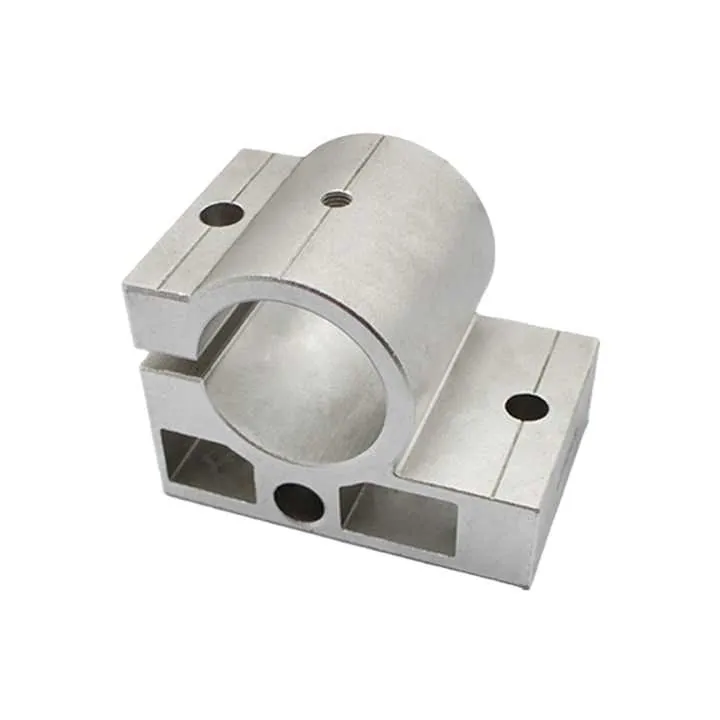
يكمن مفتاح التجميع السريع في الموقع في البناء المعياري في اختيار المقاطع الجانبية المناسبة. تُعد مقاطع الألومنيوم مثل الفتحات على شكل حرف T والقنوات على شكل حرف C والأقواس على شكل حرف L مثالية لهذا الغرض. هذه المقاطع مصممة للتشابك أو التثبيت في مكانها، مما يتيح تجميعاً أسرع مقارنةً بالطرق التقليدية التي تتطلب اللحام أو الحفر أو أنظمة التثبيت المعقدة.
تحظى فتحات T بشعبية خاصة بسبب تعدد استخداماتها. فهي تتميز بأخاديد تسمح بإدخال العديد من أدوات التثبيت أو الموصلات أو الأقواس، مما يجعلها قابلة للتكيف مع احتياجات البناء المختلفة. تسمح هذه القابلية للتكيف للبناة بتعديل الهيكل بسهولة مع تقدم المشروع، مما يقلل من الحاجة إلى قطع مخصصة.
كما تدعم القنوات C والأقواس على شكل حرف L التجميع السريع. وغالبًا ما تُستخدم القنوات C كمكونات هيكلية يمكن تكديسها أو توصيلها مع مقاطع جانبية أخرى. ومن ناحية أخرى، تُستخدم الأقواس على شكل حرف L لربط جزأين بزاوية قائمة، مما يوفر اتصالاً قويًا وثابتًا. يسهل التعامل مع هذه المقاطع الجانبية ولا تحتاج إلى أدوات خاصة للتركيب، مما يقلل بشكل كبير من الوقت المستغرق في الموقع.
ومن المزايا الأخرى لهذه الملامح أنه يمكن تعديلها أو استبدالها بسهولة إذا لزم الأمر. في حالة حدوث أخطاء أو تغييرات في التصميم، يكون من الأسهل بكثير تبديل جزء من قذف الألومنيوم مقارنةً بمواد البناء التقليدية. لا تعمل هذه المرونة على تحسين وقت التجميع فحسب، بل تضمن أيضًا إمكانية إجراء التعديلات دون حدوث اضطرابات كبيرة في المشروع ككل.
وفي الختام، تعتبر المقاطع الجانبية مثل الفتحات على شكل حرف T، والقنوات على شكل حرف C، والأقواس على شكل حرف L ضرورية لتحقيق التجميع السريع في الموقع في البناء المعياري. فهي توفر القوة والمرونة اللازمتين مع السماح بالتوصيلات السريعة والفعالة.
تُستخدم قنوات C وأقواس L بشكل شائع للتجميع السريع في الموقعصحيح
تسمح هذه المقاطع الجانبية بالتجميع السهل باستخدام الحد الأدنى من الأدوات، مما يسرّع عملية البناء ويوفر وصلات هيكلية قوية.
الفتحات على شكل حرف T ليست متعددة الاستخدامات للبناء المعياريخطأ
فتحات T متعددة الاستخدامات للغاية ويمكن تكييفها لتلبية مختلف احتياجات البناء المعياري، مما يجعلها خياراً شائعاً للتجميع السريع.
هل يمكن للبثق أن يقلل من نفايات مواد البناء؟
الحد من نفايات البناء أمر بالغ الأهمية لتحقيق الاستدامة. هل تساعد قواطع الألومنيوم في تقليل النفايات أثناء البناء المعياري؟
نعم، تقلل سحب الألومنيوم من نفايات مواد البناء من خلال تصنيعها مسبقًا بدقة. ويضمن استخدام الأطوال المخصصة والحد الأدنى من التقطيع في الموقع تقليل هدر المواد أثناء التجميع.

تتمثل إحدى المزايا الهامة لاستخدام قذف الألومنيوم في البناء المعياري في قدرتها على تقليل هدر المواد. فعلى عكس طرق البناء التقليدية، حيث غالبًا ما تذهب كميات كبيرة من المواد غير مستخدمة أو ينتهي بها المطاف كخردة، يتم تصنيع قواطع الألومنيوم حسب الطلب لتلبية المواصفات الدقيقة، مما يضمن أن كل قطعة تخدم وظيفة محددة بأقل قدر من النفايات.
في بيئة البناء التقليدية، غالبًا ما يقوم العمال بقطع المواد وتشكيلها في الموقع، مما يؤدي إلى إهدار المواد. وينطبق هذا الأمر بشكل خاص عند العمل مع مواد مثل الخشب أو الفولاذ، والتي تتطلب قطعاً وتعديلات واسعة النطاق. وعلى النقيض من ذلك، تُصنع قواطع الألومنيوم حسب الطلب، بأطوال وأشكال مخصصة تتماشى مع احتياجات المشروع. ويقلل ذلك من الحاجة إلى إجراء عمليات قطع أو تعديلات إضافية، مما يقلل من إجمالي النفايات الناتجة أثناء عملية البناء.
وعلاوةً على ذلك، فإن العديد من سحب الألومنيوم مصنوعة من الألومنيوم المعاد تدويره، مما يساهم في استدامة عملية البناء. ولا يقلل استخدام المواد المعاد تدويرها من النفايات فحسب، بل يقلل أيضاً من البصمة الكربونية لمشروع البناء. وبالإضافة إلى ذلك، فإن الألومنيوم قابل لإعادة التدوير بشكل كبير، مما يعني أنه في نهاية دورة حياة المبنى، يمكن إعادة استخدام المواد في مشاريع جديدة، مما يساهم في تحقيق المزيد من الاستدامة.
وأخيرًا، يضمن التصنيع الدقيق لبثق الألومنيوم وجود عيوب أو عيوب مادية أقل. وهذا عامل رئيسي في الحد من النفايات، حيث تقل الحاجة إلى التخلص من المواد المعيبة أو دون المستوى المطلوب.
وختاماً، تُعد عمليات سحب الألومنيوم وسيلة فعالة للحد من نفايات المواد في البناء المعياري. ومن خلال تصنيعها حسب الطلب واستخدام المواد المعاد تدويرها، فإنها تساهم في عملية بناء أكثر استدامة.
تقلل قواطع الألومنيوم من الهدر من خلال تصنيعها مسبقًا بقياسات دقيقةصحيح
من خلال تصنيع قذف الألومنيوم بأطوال وأشكال محددة، يتم تقليل الحاجة إلى القطع والتعديلات في الموقع، مما يقلل من النفايات المادية الإجمالية.
يولد سحب الألومنيوم الكثير من النفايات مقارنة بالمواد التقليديةخطأ
تُصنَّع قواطع الألومنيوم وفقًا لمواصفات دقيقة، مما يقلل من النفايات ويعزز الاستدامة.
هل الملفات الشخصية قابلة للتخصيص للوحدات النمطية المختلفة؟
التخصيص هو المفتاح في البناء الحديث. هل يمكن تكييف قواطع الألومنيوم لتناسب تصميمات المباني المعيارية المختلفة؟
نعم، إن مقاطع الألومنيوم القابلة للتخصيص بدرجة كبيرة. يمكن تكييف الملامح من حيث الحجم والشكل والتشطيبات، مما يسمح لها بملاءمة تصميمات معيارية مختلفة وتلبية متطلبات هيكلية محددة.
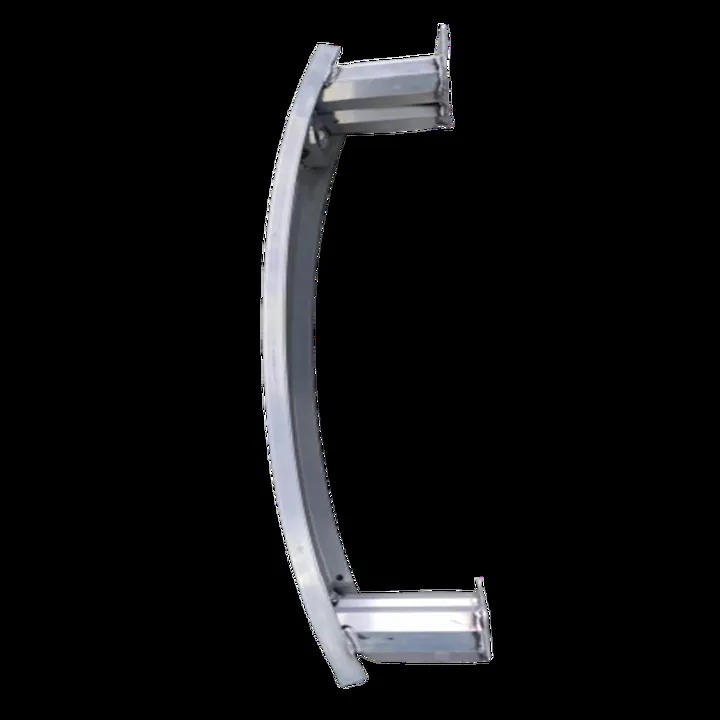
توفر مقاطع الألومنيوم القابلة للسحب مستوى عالٍ من التخصيص، مما يجعلها مثالية للبناء المعياري. يمكن تصميم هذه التشكيلات لتلبية الاحتياجات المحددة للوحدات المختلفة، سواءً للدعم الهيكلي أو لأغراض جمالية أو لمتطلبات وظيفية. هذا المستوى من المرونة هو أحد الأسباب التي تجعل الألومنيوم المسحوب من الألومنيوم يحظى بشعبية متزايدة في صناعة البناء والتشييد.
تبدأ عملية التخصيص باختيار الشكل المناسب، والذي يمكن أن يتراوح من المقاطع المربعة والمستطيلة البسيطة إلى التصميمات الأكثر تعقيدًا ذات السمات المحددة مثل الأخاديد أو القنوات. وبمجرد اختيار الشكل، يمكن صنع المقاطع الجانبية بالطول الدقيق المطلوب، مما يقلل من النفايات ويضمن ملاءمة مثالية في الموقع.
وبالإضافة إلى ذلك، يمكن تخصيص تشطيبات البثق لتتناسب مع جمالية المبنى. يمكن طلاء مقاطع الألومنيوم بأكسيد الألومنيوم أو طلاؤها بالمسحوق أو معالجتها بطبقات نهائية أخرى لتحسين مظهرها وحمايتها من التآكل. وهذا يسمح للبناة باختيار اللون والملمس والتشطيبات المناسبة لتكملة التصميم العام للمبنى.
وبالإضافة إلى الجماليات، يمكن أيضًا تخصيص مقاطع الألومنيوم القابلة للبثق لتلبية الاحتياجات الهيكلية المختلفة. على سبيل المثال، قد يتم تصميم بعض المقاطع الجانبية لتحمل أحمال أثقل أو مقاومة مستويات أعلى من الإجهاد، اعتمادًا على المتطلبات المحددة للمبنى المعياري. وهذا يضمن ألا تكون المقاطع الجانبية جذابة بصريًا فحسب، بل أيضًا سليمة من الناحية الهيكلية وقادرة على تلبية متطلبات المشروع.
وختاماً، تتميز ألواح الألومنيوم القابلة للتخصيص بدرجة كبيرة، مما يوفر مرونة في التصميم والوظيفة والتشطيب. وهذا يجعلها خياراً متعدد الاستخدامات للبناء المعياري، مما يتيح إنشاء مبانٍ عملية وجذابة بصرياً.
لا يمكن تخصيص قواطع الألومنيوم القابلة للسحب من الألومنيوم لتصميمات وحدات مختلفةخطأ
يمكن تكييف قذف الألومنيوم لتلبية مجموعة متنوعة من احتياجات التصميم المعياري، بما في ذلك الاعتبارات الهيكلية والجمالية.
يمكن تخصيص مقاطع الألومنيوم لتلبية الاحتياجات الهيكلية المختلفة في البناء المعياريصحيح
يمكن تصميم قواطع الألومنيوم لتلبية متطلبات هيكلية محددة، مما يوفر تنوعًا في البناء المعياري.
الخاتمة
لقد أحدثت مقاطع الألومنيوم المسحوبة من الألومنيوم ثورة في البناء المعياري من خلال توفير التجميع السريع وتقليل نفايات المواد وخيارات التخصيص. تلعب هذه المقاطع دورًا حيويًا في تحديث صناعة البناء والتشييد وتعزيز الكفاءة.