
بثق الألومنيوم لإطارات الألواح الشمسية؟

Many solar panel makers face weak frames that bend or fail under stress. Those failures cause worry and extra cost. Extrusion offers a strong, stable, and cost‑effective solution for long‑lasting frames.
Extrusion is preferred because it makes uniform, strong sections fast, cuts waste, and keeps cost low — ideal for solar panel frames at scale.
That is why extrusion is the common choice for solar frames. Next I explore in detail the reasons, requirements, treatments, and design flexibility behind this choice.
Why is extrusion preferred for solar frame production?
Strong failures often come from weak joins or poor material. Extrusion avoids joins and uses continuous aluminum, so it solves many of those problems.
Extrusion gives consistent cross‑section, good strength, low waste and fast mass production, making it ideal for solar frame manufacturing.

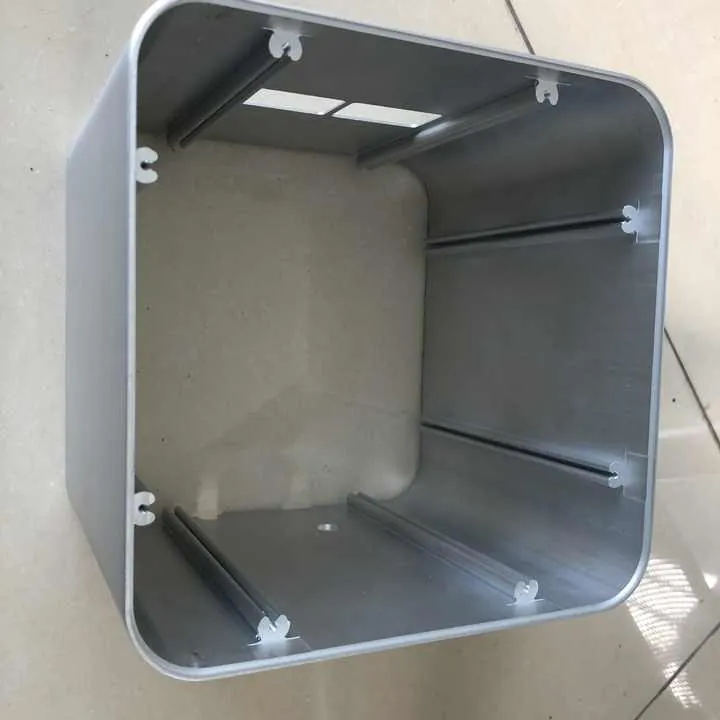
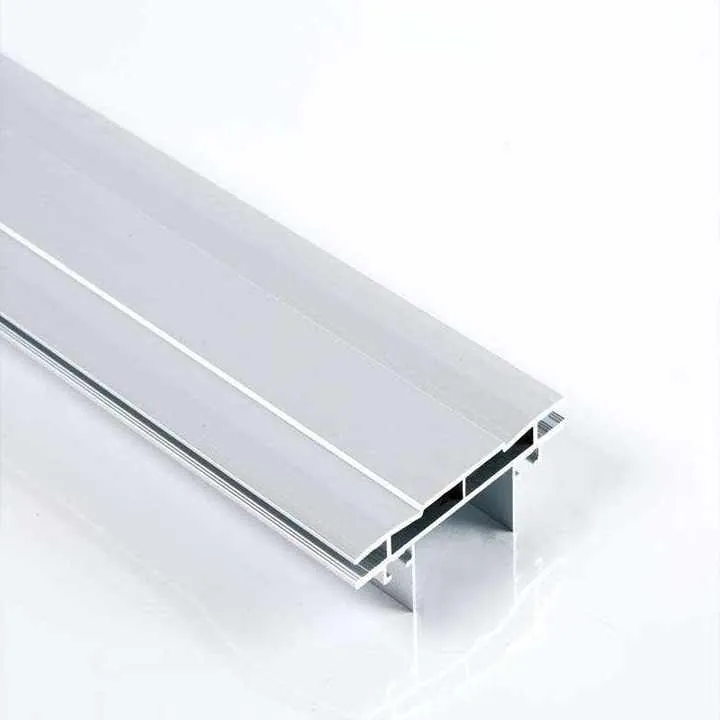
Manufacturing solar panel frames needs precision, consistency, and strength. Extrusion meets all these needs. In extrusion you push aluminum through a die. The result is a continuous profile with the same shape throughout its length. That uniform shape brings several advantages. First, strength is even along the entire frame. There are no welds or joints that tend to be weak points under stress, wind, or load.
Second, extrusion wastes less material. When you cast or cut parts, you often cut away scrap. Extrusion pushes only needed material out. That lowers material cost. It also lowers machining cost.
Third, extrusion supports high volume output. Once you set up a die, you can run long lengths of profile quickly. That helps with large orders or long frames.
Fourth, extrusion allows precise tolerances. The profile dimensions are consistent. That helps when solar panels need tight fits between glass, frame, and mounting hardware.
Finally, extrusion helps with downstream processing. You can combine extrusion with surface treatments such as anodizing or powder coat. That improves finish and weather resistance.
Extrusion vs Other Methods
| الطريقة | التوحيد | Joint Risk | النفايات المادية | سرعة الإنتاج |
|---|---|---|---|---|
| البثق | عالية | لا يوجد | منخفضة | عالية |
| الصب | متوسط | بعض | متوسط | متوسط |
| Welding/Cut | منخفضة | عالية | عالية | Low / Medium |
From that table you see why extrusion holds many advantages for solar frames.
Because of those factors, many solar frame makers choose extrusion over casting or welding. That choice leads to stronger, lighter, and more cost‑effective frames.
What load requirements must solar frames meet?
Solar panel frames face wind, snow, handling, and mounting loads. If frames fail under load, panels break or leak. So frames must meet strict strength and stiffness standards.
Solar frames must support wind, snow, weight of glass and module, and resist bending or deformation under typical load conditions.

Solar panel frames must hold the panel securely through many years of outdoor exposure. That means frames need to resist bending, twisting, and pressure. Loads come from wind force, snow load (in some areas), the weight of the glass and solar cells, and mounting hardware stress.
Typically, solar farms or rooftop arrays use frames that hold heavy tempered glass and metal backing. The frame must keep the glass flat, avoid warping, and maintain seal tightness. If frame bends, seals may break and water can leak.
Also wind can push or pull on panels. Strong wind gusts cause pressure or suction. The frame must stay rigid under such forces. Snow load in cold climates adds weight. Frames must support that extra weight without bending.
Manufacturers often design for safety factors. They consider maximum expected wind speed, snow load, and extra safety margin. They test frames for bending stiffness and yield strength.
Typical Load Parameters
| Load Type | Example Condition | Frame Requirement |
|---|---|---|
| Wind Pressure | 2400 Pa (around 100 mph) | No permanent deformation |
| Snow Load | 5400 Pa (heavy snow) | Deflection less than 2 mm |
| Static Weight | Glass + Module (~20 kg/m²) | Frame supports full weight easily |
| Handling Load | Drop or torque stress during mounting | No cracks or deformation |
Frame design must consider these. If frame fails even once under load, the panel could crack or leak. That adds maintenance cost and waste.
Manufacturers also think about lifetime. Solar panels are expected to work decades. Frame must keep shape after repeated stresses. That means material quality, wall thickness, and cross‑section shape matter. Extrusion helps here. Because profile is uniform and strong, frame behaves predictably under stress.
I once saw a solar farm using cheap, thin frames. After a heavy wind storm, many panels cracked near corners. That taught me that strength and stiffness are not optional. They are essential.
Therefore extrusion yields strong, uniform frames that meet load requirements. That ensures solar modules stay safe during their lifetime.
How are extrusions treated for UV resistance?
Sunlight over years can degrade materials or coatings. Frames must resist UV, rain, heat, and oxidation. Otherwise frames fade or corrode. Treatment is vital.
Extruded aluminum frames are often anodized or powder‑coated to resist UV, corrosion, and weather for long outdoor life.

Bare aluminum resists corrosion to some degree. But long exposure to sun, rain, and dust can slowly wear it down. Also, surface finish matters for look, reflectivity, and sealing. To protect frames, manufacturers often add surface treatment.
One common treatment is anodizing. In anodizing, the aluminum surface becomes a thin layer of aluminum oxide. This layer is harder, more corrosion resistant, and resists UV damage. It also keeps color and finish longer outdoors.
Another typical method is powder coating. Powder coating adds a colored, protective layer that seals and protects the metal. The coating resists sun, rain, and abrasion. It helps frame keep its look and resist corrosion.
Manufacturers may also use special coatings like UV‑resistant paints or fluorocarbon finishes. These add extra resistance against sun damage and weather.
Why Treatment Matters
- It prevents oxidation and corrosion under rain.
- It avoids surface discoloration under sunlight.
- It helps maintain seal tightness by keeping profile shape stable.
- It improves durability for decades outdoors.
Proper finishing also helps installation. Smooth surface helps sealing and framing hardware. It also keeps the appearance clean, which matters for rooftop or facade solar panels.
When frames are properly treated, they can last 20–30 years outdoors without rust, fading, or structural weakening. That matches the lifespan expected for solar modules.
So extrusion plus good surface treatment creates strong, weather‑resistant solar frames ready for long service.
Can designs vary by panel size and type?
Solar panels come in many sizes, shapes, wattages, and mounting needs. Frame design must match. That demands flexibility.
Extrusion lets makers vary frame cross‑section, profile, and slot placement to match different panel sizes, weights, and types easily.
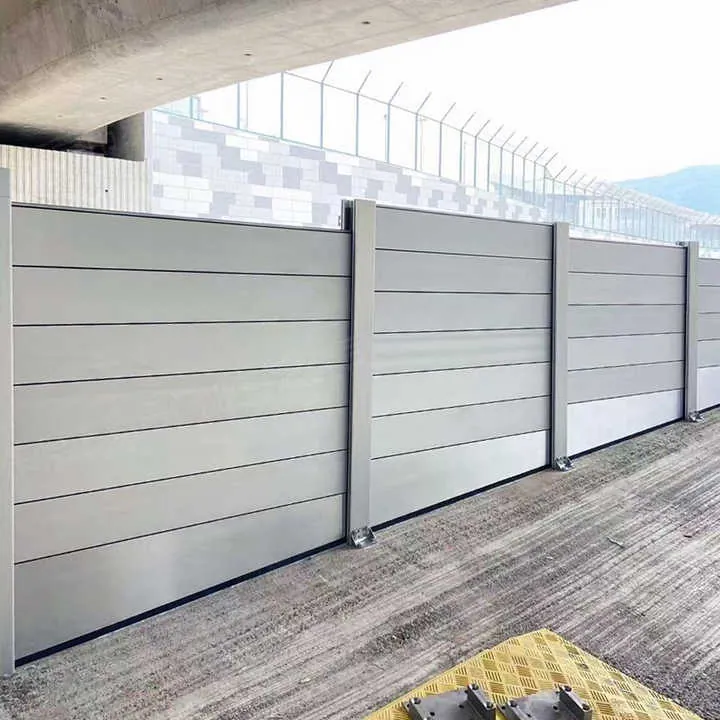
Solar panels vary. Some are small roof panels, some are large ground‑mounted arrays. Some use glass‑glass modules, some glass‑backsheet. Some are heavy, some light. The frame must fit size, weight, mount type, and tile pattern.
With extrusion, you can design different cross‑sections. You can add grooves or T‑slots for mounting rails. You can add extra material where glass is heavier or where mounting hardware attaches. That gives flexibility across many panel types.
How Designers Adapt Extrusion Profiles
| Panel Type | Key Differences | Frame Profile Changes |
|---|---|---|
| Small rooftop | Light, small size | Slim profile, fewer mounting slots |
| Large ground array | Heavy glass, large size | Thicker walls, stronger cross‑section |
| Glass‑glass module | Heavier, double‑glass | Reinforced edges, deeper sides |
| Backsheet module | Light, thin glass or polymer | Slim, cost‑effective profile |
Designers can adjust wall thickness, flange size, slot count, and center support ribs. They can also pre‑cut holes for bolts or use standardized mounting channels.
Extrusion makes those changes easy. Once a die is made, you just produce different profiles. There is no need for welding or re‑machining heavy parts. That shortens lead time and lowers cost.
Customization also helps for export markets. In some countries, installers prefer certain mounting rail sizes. With extrusion, a maker can add or remove slots to match those standards.
As panel technology evolves, designs change. For example, newer solar panels may use frameless design or thinner frames. With extrusion, makers can adapt quickly. They can design a slimmer profile. They can also design frames for bifacial panels that need open rear side for light pass‑through.
Thus, extrusion gives great flexibility. It lets solar frame makers serve many panel types without big cost or delay.
الخاتمة
Aluminum extrusion offers strength, consistency, weather resistance, and design flexibility for solar panel frames. It solves key problems for long‑lasting, safe, and versatile solar installations.