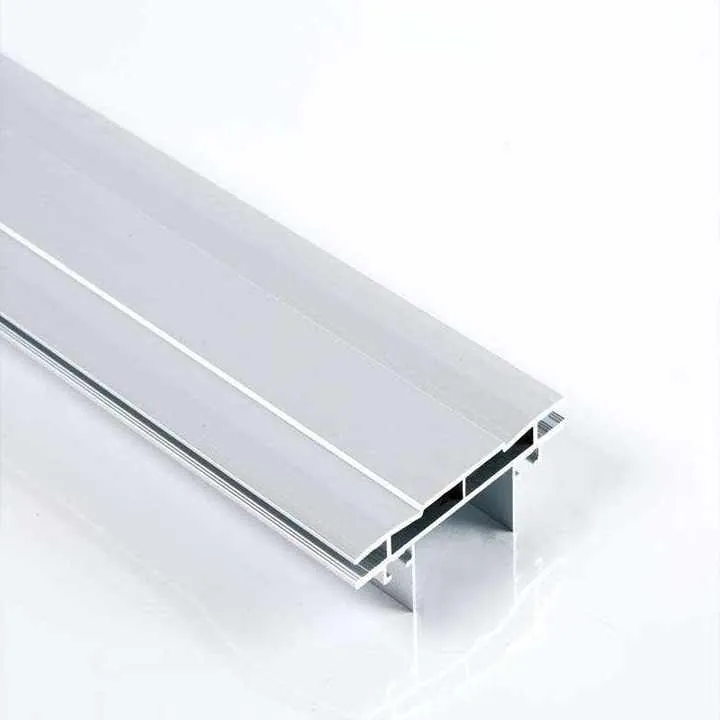
أنواع الغلاف الواقي لبثق الألومنيوم؟

غالبًا ما يظهر التلف السطحي بعد الشحن وليس الإنتاج. قد تتسبب الخدوش أو البقع أو الأكسدة في تلف بثق الألومنيوم الجيد. لا يدرك العديد من المشترين المشكلة إلا عند وصول الشحنة.
تشمل الأغطية الواقية لبثق الألومنيوم غشاء البولي إيثيلين وورق الكرافت والورق الفقاعي والفقاعات الرغوية واللفائف الرغوية واللفائف المنكمشة. تحمي كل مادة الأسطح بطرق مختلفة، مثل منع الخدوش، ومنع الرطوبة، وتقليل الاحتكاك أثناء التخزين والنقل.
يركز الكثير من الناس على جودة السبائك ودقة البثق. ومع ذلك فإن حماية السطح أثناء التغليف لا تقل أهمية. فالغلاف الواقي المناسب يمنع التلف أثناء النقل والمناولة والتخزين على المدى الطويل.
يساعد فهم مواد التغليف وسمكها وظروف التخزين المشترين على اختيار طريقة الحماية الأكثر موثوقية.
ما هي المواد المستخدمة في تغليف البثق الواقي؟
تعتبر الخدوش السطحية من أكثر المشاكل شيوعًا أثناء نقل الألومنيوم. قد تبدو الملامح مثالية بعد البثق. ومع ذلك، فإن الاحتكاك بين القطع أثناء الشحن قد يؤدي إلى تلف الطلاء الخارجي.
عادةً ما تتضمن مواد التغليف الواقية لبثق الألومنيوم غلافًا واقيًا من البولي إيثيلين وورق الكرافت وورق الكرافت والفقاعات الرغوية والرقائق الرغوية واللفائف البلاستيكية المنكمشة، وكل منها مصمم لحماية الأسطح من الخدوش والرطوبة وتلف المناولة.

لماذا يعتبر التغليف الواقي ضرورياً
غالبًا ما تكون لمحات الألومنيوم ذات تشطيبات سطحية دقيقة. وتشمل الطلاء بأكسيد الألومنيوم والطلاء بالمسحوق والأسطح المصقولة.
أثناء النقل، تظهر العديد من المخاطر:
- الاحتكاك بين الملامح
- الاهتزاز أثناء النقل بالشاحنات أو النقل البحري
- ملامسة مواد التعبئة والتغليف
- التعرض للرطوبة
تعمل الأغطية الواقية على إنشاء حاجز مادي بين سطح الألومنيوم والقوى الخارجية.
مواد التغليف الواقية الشائعة
تُستخدم العديد من مواد التغليف على نطاق واسع في صناعة بثق الألومنيوم.
| المواد | الوظيفة الرئيسية | مستوى الحماية |
|---|---|---|
| طبقة واقية من البولي إيثيلين البولي إيثيلين | الحماية من خدش السطح | متوسط |
| ورق كرافت | حاجز الرطوبة الخفيف | متوسط |
| غلاف فقاعي | توسيد الصدمات | عالية |
| فيلم رغوي (EPE) | امتصاص الصدمات | عالية |
| غلاف بلاستيكي قابل للانكماش | ختم الحزمة | متوسط |
تخدم كل مادة غرضاً مختلفاً.
طبقة حماية من البولي إيثيلين البولي إيثيلين
فيلم PE هو أكثر مواد حماية السطح شيوعًا. وهي تلتصق مباشرة بسطح الألومنيوم.
يمنع الفيلم الخدوش الناتجة عن الاحتكاك أثناء المناولة.
تتضمن العديد من الأفلام أيضاً مادة لاصقة خفيفة لا تترك أي بقايا بعد إزالتها.
تغليف ورق الكرافت
ورق كرافت يغلف حزم الملامح. يحمي من الرطوبة الخفيفة والغبار.
كما أنه يفصل طبقات الألومنيوم داخل الحزم.
غلاف فقاعي وغشاء رغوي
توفر هذه المواد توسيداً.
تقلل من الاهتزازات والصدمات أثناء النقل.
تصبح هذه الحماية مهمة عندما تسافر الملفات الشخصية لمسافات طويلة.
نظام التغليف المدمج
نادراً ما تعتمد المصانع على مادة واحدة فقط.
بدلاً من ذلك، يتم استخدام عدة طبقات معاً.
هيكل التغليف النموذجي:
- فيلم PE على السطح الجانبي
- غلاف حزمة ورق الكرافت
- حماية من الرغوة أو الفقاعات
- الغلاف الخارجي المنكمش
تقلل هذه الحماية متعددة الطبقات من الأضرار الميكانيكية والمخاطر البيئية.
تساعد مواد التغليف الواقية على منع الخدوش وأضرار المناولة أثناء نقل الألومنيوم المبثوق.صحيح
تعمل الأغطية الواقية على إنشاء حاجز بين أسطح الألومنيوم والاحتكاك الخارجي أو الصدمات الخارجية.
التغليف الواقي غير ضروري إذا تم تكديس مقاطع الألومنيوم بعناية.خطأ
حتى المقاطع الجانبية المكدسة بعناية يمكن أن تتحرك أثناء النقل، مما يتسبب في حدوث احتكاك وتلف السطح بدون تغليف وقائي.
كيف تؤثر سماكة الغلاف على حماية السطح؟
يركز العديد من المشترين على نوع مادة التغليف فقط. ومع ذلك، تلعب سماكة الغلاف دورًا مهمًا أيضًا. قد يحمي الغلاف الرقيق من الغبار ولكنه يفشل في منع الخدوش.
تؤثر سماكة الغلاف على الحماية من خلال زيادة قوة التوسيد وتقليل أضرار الاحتكاك وتحسين مقاومة التمزق أثناء الشحن والمناولة.
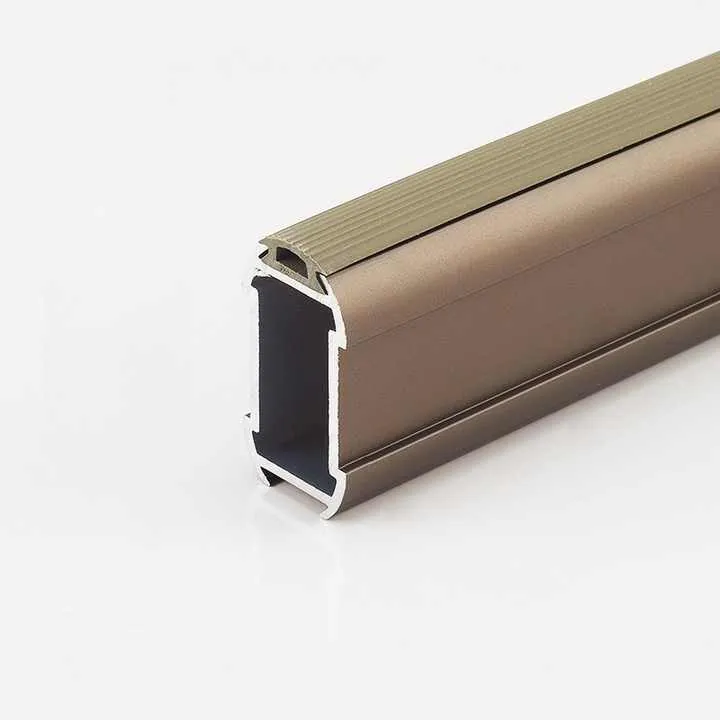
فهم سماكة الغلاف
يتم قياس الأغطية الواقية حسب السُمك أو الكثافة.
على سبيل المثال:
- تُقاس سماكة طبقة البولي إيثيلين البولي إيثيلين بالميكرون
- يُقاس سُمك الغشاء الرغوي بالملليمتر
- سمك غلاف الفقاعة يعتمد على ارتفاع الفقاعة
عادةً ما توفر المواد السميكة حماية أفضل.
ومع ذلك، تؤثر السماكة أيضًا على التكلفة وحجم التعبئة والتغليف.
نطاق سماكة الغشاء الواقي PE
يتراوح غشاء PE المستخدم عادةً في بثق الألومنيوم بين 30 إلى 100 ميكرون.
| السُمك | الاستخدام النموذجي | مستوى الحماية |
|---|---|---|
| 30-40 ميكرون | حماية السطح الخفيف | منخفضة |
| 50-60 ميكرون | عبوات التصدير القياسية | متوسط |
| 70-100 ميكرون | حماية شديدة التحمل | عالية |
تصلح الأغشية الرقيقة لمسافات النقل القصيرة. أما الأغشية السميكة فهي أفضل للشحنات البحرية الطويلة.
مواد الإسفنج والوسائد
توفر الأغشية الرغوية امتصاصاً للصدمات.
تتراوح سماكة الرغوة النموذجية من 1 مم إلى 5 مم.
رغوة أكثر سماكة توفر توسيداً أفضل أثناء الاهتزاز.
مخاطر استخدام الأغطية الرقيقة
تتمزق الأغطية الرقيقة بسهولة أكبر.
عندما تظهر التمزقات، تصبح أسطح الألومنيوم مكشوفة.
وهذا يزيد من خطر الخدوش وملامسة الرطوبة.
التوازن بين التكلفة والحماية
غالبًا ما توازن قرارات التغليف بين الحماية والتكلفة.
يزيد من التغليف السميك جداً:
- تكلفة المواد
- وقت التعبئة والتغليف
- حجم الشحن
ومع ذلك، قد تؤدي الحماية غير الكافية إلى تلف المنتج.
يختار العديد من المصدرين المتمرسين سمكاً متوسطاً مع حماية متعددة الطبقات.
الخبرة العملية من الشحن
في عمليات الشحن لمسافات طويلة، يحدث الاهتزاز باستمرار.
تقوم الشاحنات والسفن والرافعات بنقل البضائع عدة مرات.
قد ينجو التغليف الرقيق من التغليف الأولي ولكنه يفشل بعد أسابيع من الحركة.
تضمن السماكة المناسبة بقاء الحاجز الواقي سليماً حتى الولادة.
توفر الأغطية الواقية السميكة بشكل عام مقاومة أفضل للخدوش واهتزازات الشحن.صحيح
تعمل زيادة السماكة على تحسين التبطين ومقاومة التمزق أثناء النقل.
تحمي مواد التغليف الرقيقة دائمًا أسطح الألومنيوم بنفس فعالية المواد السميكة.خطأ
تتمزق الأغطية الرقيقة بسهولة وتوفر حماية محدودة ضد الاهتزازات والصدمات.
هل الأغطية المقاومة للأشعة فوق البنفسجية ضرورية للتخزين الخارجي؟
تظل العديد من شحنات الألومنيوم في الهواء الطلق قبل التركيب. قد تبقى الملامح في ساحات البناء أو المستودعات لأسابيع. قد يؤدي التعرض لأشعة الشمس إلى تلف بعض مواد التغليف.
تُعد الأغطية المقاومة للأشعة فوق البنفسجية ضرورية عند تخزين أغلفة الألومنيوم في الهواء الطلق لأنها تمنع تدهور الغشاء وفشل المادة اللاصقة وتعرض السطح للتلف بسبب أشعة الشمس لفترات طويلة.
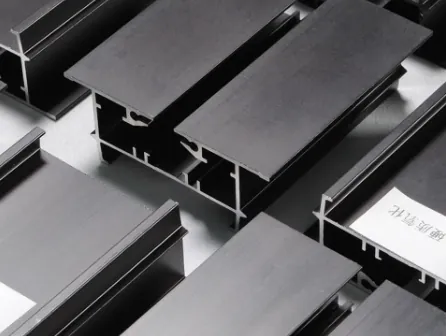
كيف تؤثر الأشعة فوق البنفسجية على مواد التعبئة والتغليف
تعمل الأشعة فوق البنفسجية على تكسير المواد البلاستيكية ببطء.
بمرور الوقت، قد تصبح أغلفة التغليف القياسية:
- هش
- باهتة
- متصدع
- يصعب إزالتها
تظهر هذه المشاكل عندما يبقى الألمنيوم تحت أشعة الشمس لفترات طويلة.
فيلم البولي إيثيلين البولي إيثيلين والتعرض للأشعة فوق البنفسجية
يعمل فيلم PE القياسي بشكل جيد خلال فترات النقل القصيرة.
ومع ذلك، تحت أشعة الشمس القوية، قد يتحلل الفيلم في غضون أسابيع.
قد تتغير الطبقة اللاصقة أيضاً.
في بعض الحالات، تلتصق بقايا الغشاء بسطح الألومنيوم.
تقنية الأغشية المقاومة للأشعة فوق البنفسجية
يحتوي الغشاء الواقي المقاوم للأشعة فوق البنفسجية على مثبتات خاصة.
تعمل هذه الإضافات على إبطاء الضرر الذي تسببه أشعة الشمس.
تشمل المزايا ما يلي:
- متانة أطول في الهواء الطلق
- أداء لاصق مستقر
- إزالة أسهل للفيلم
عندما تكون الحماية من الأشعة فوق البنفسجية مهمة
يوصى باستخدام الأغطية المقاومة للأشعة فوق البنفسجية من أجل:
| الوضع | مخاطر الأشعة فوق البنفسجية |
|---|---|
| تخزين الإنشاءات الخارجية | عالية |
| مناخ صحراوي أو استوائي | عالية |
| مخازن التخزين في المستودعات القصيرة | منخفضة |
| تخزين المصنع الداخلي | منخفضة |
تستفيد المشاريع في المناخات الحارة بشكل خاص من العبوات المقاومة للأشعة فوق البنفسجية.
الجداول الزمنية الطويلة للبناء
غالباً ما تواجه مشاريع الإنشاءات تأخيرات في التنفيذ.
قد تبقى مواد الألومنيوم في الموقع لفترة أطول مما هو مخطط له.
تساعد الأغطية المقاومة للأشعة فوق البنفسجية في الحفاظ على الحماية أثناء هذه الجداول الزمنية غير المتوقعة.
تخطيط التعبئة والتغليف لمشاريع البناء
غالبًا ما يسأل المصدرون العملاء عن ظروف التخزين.
في حالة توقع التخزين في الهواء الطلق، يصبح الفيلم المقاوم للأشعة فوق البنفسجية خياراً أكثر أماناً.
وهذا يقلل من مخاطر فشل التغليف قبل التركيب.
تساعد الأغلفة الواقية المقاومة للأشعة فوق البنفسجية على منع تدهور الغشاء عند تخزين قشور الألومنيوم في الهواء الطلق.صحيح
تقلل مثبتات الأشعة فوق البنفسجية الموجودة في الفيلم من التلف الناتج عن أشعة الشمس وتحافظ على الأداء الوقائي.
تؤدي الأغشية الواقية القياسية نفس أداء الأغشية الواقية المقاومة للأشعة فوق البنفسجية تحت أشعة الشمس على المدى الطويل.خطأ
تتحلل الرقائق القياسية بشكل أسرع تحت الأشعة فوق البنفسجية وقد تتشقق أو تترك بقايا لاصقة.
هل يمكن استخدام الأغلفة القابلة لإعادة الاستخدام في الشحن بالجملة؟
أصبحت الاستدامة أكثر أهمية في التصنيع والخدمات اللوجستية. وتتساءل العديد من الشركات الآن عما إذا كان يمكن إعادة استخدام مواد التعبئة والتغليف.
يمكن استخدام الأغطية القابلة لإعادة الاستخدام في شحن الألومنيوم بالجملة عند استخدام مواد متينة مثل الأغطية القماشية المنسوجة أو الأغطية الرغوية القابلة لإعادة الاستخدام أو الأغطية الواقية شديدة التحمل وتسمح الأنظمة اللوجستية بإعادتها وإعادة استخدامها.

التغليف التقليدي مقابل الأنظمة القابلة لإعادة الاستخدام
معظم صادرات بثق الألومنيوم تستخدم عبوات تستخدم لمرة واحدة.
تشمل المواد الشائعة ما يلي:
- فيلم PE
- غلاف بلاستيكي متقلص
- ورق كرافت
هذه المواد فعالة من حيث التكلفة ولكنها غير قابلة لإعادة الاستخدام.
تتطلب العبوات القابلة لإعادة الاستخدام مواد أقوى.
خيارات التغليف الشائعة القابلة لإعادة الاستخدام
توجد العديد من أنظمة التغليف القابلة لإعادة الاستخدام.
| المواد | إعادة الاستخدام | التطبيق |
|---|---|---|
| لفائف البولي بروبيلين المنسوجة | عالية | النقل الصناعي |
| أكمام رغوية قابلة لإعادة الاستخدام | متوسط | حماية الملف الشخصي |
| أغطية واقية متحركة واقية | عالية | النقل المحلي |
| أغطية المنصات القماشية | عالية | حركة المستودعات |
تتحمل هذه المواد الاستخدام المتكرر.
التحديات اللوجستية
تعمل العبوات القابلة لإعادة الاستخدام بشكل أفضل في الأنظمة اللوجستية المغلقة.
على سبيل المثال:
- النقل بين المصانع
- سلاسل التوريد المحلية
- حركة المستودعات الداخلية
يمثل الشحن الدولي تحديات.
تؤدي إعادة مواد التعبئة والتغليف عبر البلدان إلى زيادة التكلفة.
التكلفة مقابل الاستدامة
تقلل العبوات القابلة لإعادة الاستخدام من النفايات.
ومع ذلك، فإنه يتطلب أنظمة إضافية مثل:
- لوجستيات الإرجاع
- التنظيف والفحص
- تتبع وحدات التعبئة والتغليف
يجب على الشركات تقييم ما إذا كان النظام يوفر التكلفة مع مرور الوقت.
استراتيجية التغليف الهجين
تستخدم بعض الشركات الحلول الهجينة.
مواد قابلة لإعادة الاستخدام لحماية الملامح داخل المصنع.
تحميها العبوات التي تستخدم لمرة واحدة أثناء شحنها للتصدير.
يوازن هذا النهج بين الاستدامة والتطبيق العملي اللوجستي.
اتجاه الصناعة نحو تغليف أكثر مراعاة للبيئة
تتزايد اللوائح البيئية في جميع أنحاء العالم.
يطلب العديد من مشتري الألومنيوم الآن حلول تغليف قابلة لإعادة التدوير أو قابلة لإعادة الاستخدام.
يشجع هذا الاتجاه الابتكار في مجال التعبئة والتغليف في صناعة البثق.
يمكن للأغلفة القابلة لإعادة الاستخدام أن تكون فعالة في الشحن بالجملة عندما تدعم الأنظمة اللوجستية إعادتها وإعادة استخدامها.صحيح
يمكن للأغلفة المتينة حماية مقاطع الألومنيوم وإعادة استخدامها عدة مرات عندما تسمح بذلك الخدمات اللوجستية.
دائمًا ما تكون العبوات القابلة لإعادة الاستخدام أرخص من العبوات التي تستخدم لمرة واحدة لشحنات الألومنيوم الدولية.خطأ
غالبًا ما يجعل الشحن الدولي العبوات القابلة لإعادة الاستخدام أكثر تكلفة بسبب التكاليف اللوجستية للإرجاع.
الخاتمة
تلعب الأغطية الواقية دورًا رئيسيًا في الحفاظ على جودة بثق الألومنيوم أثناء الشحن والتخزين. تعمل المواد المناسبة والسماكة المناسبة ومقاومة الأشعة فوق البنفسجية وأنظمة التغليف المناسبة معًا لمنع الخدوش والأضرار البيئية ومخاطر المناولة.