معدل التمدد الحراري لبثق الألومنيوم؟
غالبًا ما يظل التمدد الحراري مخفيًا حتى يتسبب في حدوث تشققات أو ضوضاء أو اختلال في المحاذاة. ولا يلاحظه العديد من المشترين إلا بعد التثبيت. يستحق هذا الموضوع إجابات واضحة قبل ظهور المشاكل.
يوضح معدل التمدد الحراري لسبائك الألومنيوم مدى تغير طول المقطع الجانبي عند تغير درجة الحرارة. فهم هذا المعدل يساعد على منع التشوه والضغط والفشل في المشاريع الحقيقية.
يربط هذا الموضوع بين علم المواد والبناء الفعلي والاستخدام الصناعي. لا يكفي معرفة الأساسيات. ما يهم هو كيفية ظهور هذا السلوك في الإنتاج اليومي والهياكل الكبيرة.
ما هو متوسط معدل التمدد الحراري للبثق؟
يمكن أن تؤدي الحركة الحرارية إلى تلف المفاصل والتركيبات إذا تم تجاهلها. تفشل العديد من المشاريع لأن المصممين يفترضون أن المعدن يظل ثابتًا. لكن الألومنيوم لا يتصرف بهذه الطريقة.
يبلغ متوسط معدل التمدد الحراري لمواد الألمنيوم المبثوقة حوالي 23 × 10^-6 لكل درجة مئوية. وهذا يعني أن مترًا واحدًا من الألمنيوم يزداد طوله حوالي 0.023 ملم لكل زيادة في درجة الحرارة بمقدار 1 درجة مئوية.
تبدو هذه القيمة صغيرة، ولكن تأثيرها يصبح كبيرًا على مسافات طويلة ونطاقات درجات حرارة واسعة. في مشاريع البثق، غالبًا ما يصل طول المقاطع إلى عدة أمتار. قد يتعرض الاستخدام في الهواء الطلق لتقلبات في درجات الحرارة تزيد عن 50 درجة مئوية. وهذا يؤدي إلى حركة مرئية وقابلة للقياس.
لماذا يتوسع الألمنيوم أكثر من الفولاذ؟
تتحرك ذرات الألومنيوم أكثر عند تسخينها. تسمح البنية البلورية بتغيير أكبر في المسافات مقارنة بالفولاذ. لهذا السبب يبدو الألومنيوم أكثر تفاعلاً مع الحرارة على الرغم من أنه يبرد بسرعة.
في الواقع، تجلب هذه الخاصية فوائد ومخاطر على حد سواء. فالألمنيوم يقاوم التشقق تحت الصدمات الحرارية. لكنه يحتاج إلى مساحة للتحرك.
قيم التوسع النموذجية في المشاريع الحقيقية
فيما يلي جدول بسيط يستخدم خلال المراحل الأولى من التصميم. يساعد هذا الجدول المشترين على تقدير الحركة قبل وضع الرسومات النهائية.
| طول البثق | تغير درجة الحرارة | التوسع الإجمالي |
|---|---|---|
| 1 متر | 30 درجة مئوية | 0.69 ملم |
| 3 أمتار | 40 درجة مئوية | 2.76 ملم |
| 6 أمتار | 50 درجة مئوية | 6.90 ملم |
هذه الأرقام هي متوسطات. قد يؤدي تشطيب السطح والسبائك وحالة الإجهاد إلى تغيير النتيجة قليلاً. ومع ذلك، يمنع هذا الجدول الأخطاء الشائعة.
لماذا تعتبر القيم المتوسطة مجرد نقطة انطلاق
لا تحل المعدلات المتوسطة محل الفحوصات الهندسية. فهي تساعد في اتخاذ القرارات المبكرة. تحتاج التصميمات النهائية إلى فتحات تفاضلية أو وصلات منزلقة أو موصلات مرنة.
في مصانع البثق، يؤثر هذا المعدل أيضًا على تفاوت القطع. قد تتقلص المقاطع المقطوعة عند درجة حرارة عالية بعد التبريد. تخطط ورش العمل الجيدة لهذا الأمر أثناء الإنتاج.
تتوسع قضبان الألمنيوم بشكل ملحوظ مع تغيرات درجة الحرارة، خاصة في المقاطع الطويلة.صحيح
يؤدي معدل تمدد الألومنيوم إلى تغيرات قابلة للقياس في الطول عند تغير درجة الحرارة، ويزداد هذا التأثير مع زيادة طول المقطع.
يمكن عادةً تجاهل التمدد الحراري لمقاطع الألمنيوم في الهياكل الخارجية.خطأ
غالبًا ما تتعرض الهياكل الخارجية لتغيرات كبيرة في درجات الحرارة، مما يجعل التمدد عاملاً تصميميًا بالغ الأهمية.
كيف تؤثر تركيبة السبائك على معدل التمدد؟
يعتقد العديد من المشترين أن جميع أنواع الألومنيوم تتصرف بنفس الطريقة. هذا ليس صحيحًا. اختيار السبائك يغير السلوك الحراري بطرق صغيرة ولكنها مهمة.
تؤدي تركيبة السبائك إلى تغيير طفيف في معدل التمدد الحراري، ولكن الفرق عادة ما يكون ضمن نطاق ضيق بالنسبة لسبائك البثق الشائعة مثل 6063 و 6061.
المعدن الأساسي هو الألومنيوم. تعمل عناصر السبائك على ضبط القوة والصلابة ومقاومة التآكل. كما أنها تؤثر على التباعد الذري.
مقارنة بين سبائك البثق الشائعة
6063 و 6061 مستخدمان على نطاق واسع. كلاهما ينتميان إلى عائلة الألومنيوم والمغنيسيوم والسيليكون. معدلات تمددهما متقاربة، ولكنها ليست متطابقة.
| سبيكة | معدل التمدد النموذجي (لكل درجة مئوية) | الاستخدام الشائع |
|---|---|---|
| 6063 | ~23.5 × 10^-6 | الملامح المعمارية |
| 6061 | ~23.1 × 10^-6 | الهيكلية والصناعية |
يبدو الفرق صغيرًا على الورق. في هيكل بطول 10 أمتار مع تقلبات حرارية كبيرة، حتى هذا الفارق مهم عندما تكون التفاوتات ضيقة.
دور المعالجة الحرارية والمعالجة بالحرارة
يغير التلدين مثل T5 أو T6 الضغط الداخلي. لا يغير معدل التمدد بشكل كبير، ولكنه يؤثر على كيفية تراكم الضغط أثناء الحركة.
يقاوم المقطع الجانبي في حالة T6 التشوه بشكل أفضل. ولكن إذا تم منع التمدد، فإن الضغط الداخلي يصبح أعلى. وهذا قد يتسبب في الانحناء أو فشل الوصلة.
لماذا لا يزال اختيار السبائك مهمًا للتحكم في التمدد
حتى لو كانت الفروق في معدل التمدد صغيرة، فإن اختيار السبائك يرتبط بعوامل أخرى. القوة تسمح بفترات أطول. المعالجة السطحية تؤثر على امتصاص الحرارة. المقاطع المطلية بالأنود الداكنة تسخن أسرع تحت أشعة الشمس.
يجب على المصممين ألا يفصلوا التوسع عن الخيارات الأخرى المتعلقة بالمواد. فجميع القرارات مترابطة.
تتميز سبائك الألومنيوم المختلفة المستخدمة في عملية البثق بسلوك تمدد حراري متطابق.خطأ
على الرغم من تشابهها، فإن السبائك الشائعة مثل 6063 و 6061 لها معدلات تمدد مختلفة قليلاً يمكن أن تكون مهمة في التصميمات الدقيقة.
لا يؤثر اختيار السبائك على القوة فحسب، بل يؤثر أيضًا على كيفية إدارة إجهاد التمدد الحراري.صحيح
تؤثر خصائص السبائك على كيفية تراكم إجهاد التمدد وكيفية استجابة المقطع الجانبي تحت الضغط.
هل يمكن التحكم في التمدد في الهياكل الكبيرة؟
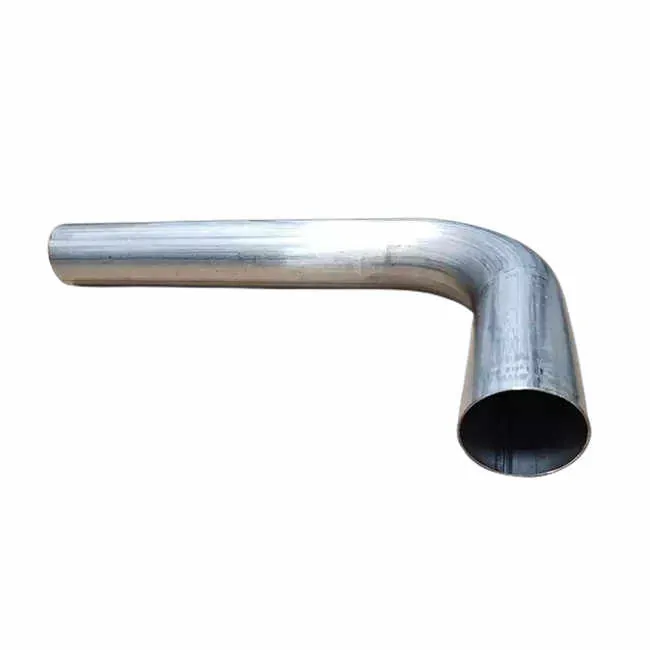
غالبًا ما تفشل الهياكل الألومنيوم الكبيرة ليس بسبب الحمل، بل بسبب الحركة المقيدة. لا يهدف التحكم في التمدد إلى إيقاف الحركة، بل إلى توجيهها.
لا يمكن القضاء على التمدد الحراري، ولكن يمكن التحكم فيه باستخدام ميزات تصميمية مثل وصلات التمدد والوصلات المنزلقة والتباعد المناسب.
ينطبق هذا المبدأ على الجدران الستائرية والإطارات الشمسية وأنظمة النقل والخطوط الصناعية.
طرق التصميم المستخدمة في أنظمة البثق الكبيرة
الحل الأكثر شيوعًا هو التسامح. يتم تثبيت الملامح في نقطة معينة ويسمح لها بالانزلاق في نقاط أخرى. وهذا يمنع تراكم الضغط.
تشمل الطرق الشائعة ما يلي:
- ثقوب مشقوقة بدلاً من ثقوب مستديرة
- أقواس عائمة
- فواصل مطاطية أو بوليمرية
- تصميم ملف تعريف تلسكوبي
مثال من الإطارات الصناعية
في هياكل الناقلات الطويلة، قد يصل طول قضبان الألمنيوم المبثوقة إلى أكثر من 20 مترًا. يتم تثبيت الهيكل في المنتصف. كلا الطرفين حران في الحركة. وهذا يوازن التمدد في كلا الاتجاهين.
تجاهل هذه الطريقة يؤدي إلى الانحناء أو الضوضاء أثناء دورات درجة الحرارة اليومية.
المعالجة السطحية والسلوك الحراري
تؤثر تشطيبات السطح على سرعة دخول الحرارة إلى المقطع. الطلاءات الداكنة تمتص المزيد من الحرارة. التشطيبات اللامعة تعكس المزيد من ضوء الشمس.
هذا لا يغير معدل التمدد. إنه يغير نطاق درجة الحرارة. ارتفاع درجة الحرارة يعني مزيدًا من الحركة.
جودة التركيب لا تقل أهمية عن التصميم
حتى التصميم الجيد يفشل إذا قام المركبون بإحكام ربط البراغي بشكل مفرط. يجب أن تسمح البراغي بالحركة في الأماكن المخطط لها. يعد التحكم في عزم الدوران والتعليمات الواضحة أمرًا بالغ الأهمية.
في مشاريع التصدير، تختلف شروط التركيب باختلاف البلد. تقلل الرسومات الواضحة من المخاطر.
يجب السماح بالتمدد الحراري في الهياكل المصنوعة من الألومنيوم بدلاً من تقييده تمامًا.صحيح
يسمح التحكم في الحركة بمنع الإجهاد والتشوه والفشل في أنظمة بثق الألومنيوم الكبيرة.
استخدام مقاطع الألومنيوم السميكة يلغي الحاجة إلى مخصصات التمدد.خطأ
سمك المقطع الجانبي لا يمنع التمدد الحراري؛ إنه يغير الصلابة فقط، وليس الحركة.
ما هي الاختبارات التي تتحقق من سلوك التمدد تحت الحرارة؟
لا ينبغي أن يعتمد السلوك الحراري على النظرية وحدها. فالاختبارات تؤكد الافتراضات قبل الإنتاج أو التركيب على نطاق واسع.
يتم التحقق من سلوك التمدد الحراري باستخدام اختبارات معملية مثل اختبار مقياس التمدد، واختبارات الدورات الحرارية، وقياسات التسخين المتحكم فيها.
توفر هذه الاختبارات بيانات للمهندسين والمشترين.
شرح اختبار مقياس التمدد ببساطة
يقيس مقياس التمدد التغير في الطول تحت تسخين متحكم فيه. يتم تسخين عينة صغيرة بمعدل ثابت. تتعقب المستشعرات التمدد.
يوفر هذا الاختبار معاملات تمدد دقيقة. ويستخدم في تطوير المواد وفحص الجودة.
اختبارات الدورات الحرارية في الظروف الحقيقية
تعرض الدورات الحرارية الملامح الكاملة للتسخين والتبريد المتكررين. وهذا يحاكي دورات النهار والليل.
يلاحظ المهندسون:
- تشوه دائم
- ارتخاء المفاصل
- تشقق السطح
- ضوضاء النقل
هذا الاختبار مفيد للواجهات الستائرية والإطارات الخارجية.
فحوصات مستوى الإنتاج
في مصانع البثق، تكون عمليات الفحص غير المباشرة أكثر شيوعًا. وتشمل هذه العمليات ما يلي:
- فحوصات الأبعاد عند درجات حرارة مختلفة
- فحص الاستقامة بعد التبريد
- تجارب التجميع في الظروف الحارة
تضمن هذه الخطوات أن تعمل الملفات الشخصية كما هو متوقع عند الشحن.
متى يجب على المشترين طلب بيانات الاختبار
لا تحتاج كل المشاريع إلى تقارير معملية. لكن الحالات عالية المخاطر تحتاج إليها. وتشمل هذه الحالات:
- ملفات تعريفية طويلة جدًا
- مجموعات ذات تفاوت ضيق
- المناطق ذات المناخ المتطرف
التواصل الواضح يمنع النزاعات لاحقًا.
يمكن للاختبارات المعملية أن تقيس بدقة معامل التمدد الحراري لمقاطع الألمنيوم المبثوقة.صحيح
يوفر مقياس التمدد واختبارات التسخين المتحكم فيه بيانات دقيقة عن سلوك التمدد.
لا داعي لإجراء اختبار التمدد الحراري بمجرد اختيار درجة السبائك.خطأ
حتى مع السبائك المعروفة، تساعد الاختبارات في تأكيد السلوك في تصميمات وتطبيقات محددة.
الخاتمة
التمدد الحراري هو سلوك يمكن التنبؤ به، وليس عيبًا. تعمل قضبان الألمنيوم بشكل جيد عندما تكون الحركة مخططة وموجهة. التصميم الواضح، والاختيار الصحيح للسبائك، والاختبار المناسب يمنع معظم الأعطال المرتبطة بالتمدد.