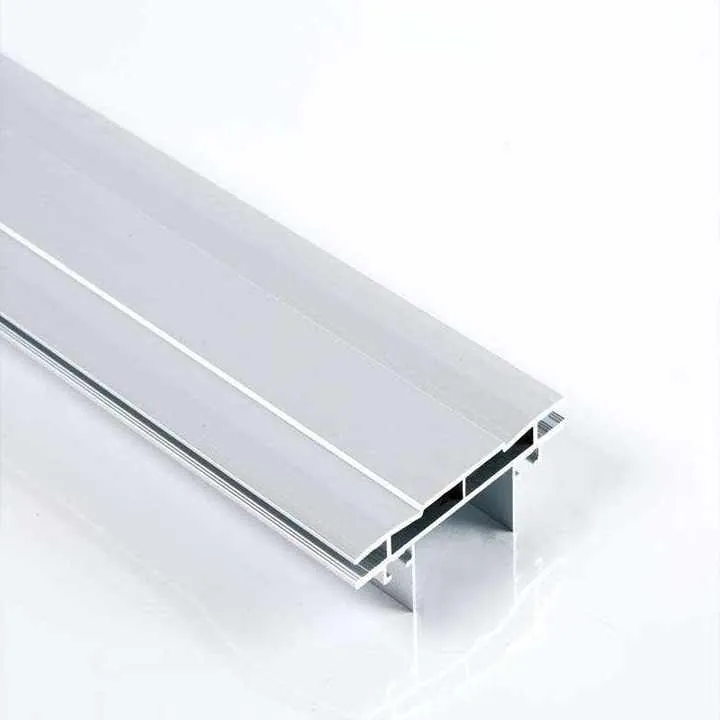
مقارنة التوصيل الحراري لسبائك الألومنيوم؟

تعمل بعض عمليات بثق الألومنيوم بسخونة شديدة - مما يتسبب في حدوث أعطال في الإضاءة أو الإلكترونيات أو أنظمة التبريد. ويرجع ذلك غالبًا إلى سوء اختيار السبيكة أو الشكل.
تعتمد الموصلية الحرارية في عمليات بثق الألومنيوم على نوع السبيكة وشكل المظهر الجانبي والمعالجات السطحية وجودة الإنتاج. يؤدي اختيار التركيبة الصحيحة إلى تحسين تبديد الحرارة.
لنقارن بين توصيل السبائك، وتأثير المظهر الجانبي، وممارسات الاختبار، وتأثيرات المعالجة السطحية على الأداء الحراري.
ما السبائك التي توفر أعلى توصيلية حرارية؟
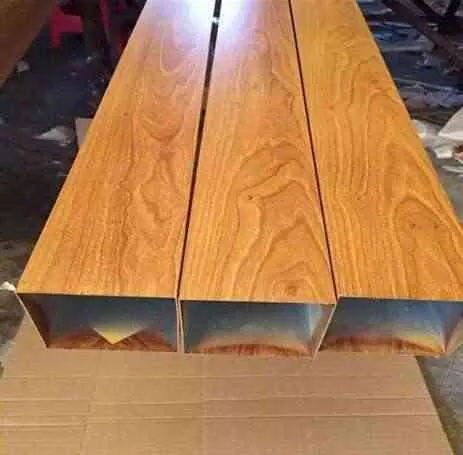
الألومنيوم موصل جيد للحرارة بشكل طبيعي، ولكن ليس كل السبائك تتصرف بنفس الطريقة. فعناصر السبائك تغير الموصلية بشكل كبير.
توفر السبائك من السلسلتين 1000 و6000، وخاصةً 1050 و6063 و3003، موصلية حرارية أعلى من السبائك عالية القوة من السلسلة 7000 أو 2000.
الموصلية الحرارية لسبائك البثق الشائعة
| سبيكة | الموصلية النموذجية (وات/م كلفن) | الوصف |
|---|---|---|
| 1050 | ~237 | ألومنيوم نقي تقريباً |
| 6063-T5/T6 | ~200-218 | توازن رائع للمشتتات الحرارية |
| 3003 | ~190-210 | غالبًا ما تستخدم في تطبيقات التدفئة والتهوية وتكييف الهواء |
| 6061-T6 | ~150-170 | موصلية قوية ومعتدلة |
| 7075-T6 | ~130-150 | قوة عالية وموصلية منخفضة |
تشتت السبائك التي تحتوي على عدد أقل من عناصر السبائك (مثل السيليكون أو المغنيسيوم أو النحاس) عددًا أقل من الإلكترونات، مما يؤدي إلى توصيل حراري أفضل. وهذا هو السبب في تفضيل 6063 لأغطية مصابيح LED أو الإلكترونيات.
يتميز الألومنيوم 6063 بموصلية حرارية أعلى من الألومنيوم 6061.صحيح
يحتوي 6063 على عدد أقل من عناصر السبائك، مما يسمح بحركة إلكترونات أكثر حرية وتوصيلية أعلى.
دائمًا ما تكون سبائك السلسلة 7000 هي الخيار الأفضل للتوصيل الحراري في عمليات البثق.خطأ
تعطي سبائك السلسلة 7000 أولوية للقوة وتوفر عادةً توصيلية أقل من السلسلة 6000 أو 1000.
كيف تؤثر أشكال المظهر الجانبي على تدفق الحرارة؟
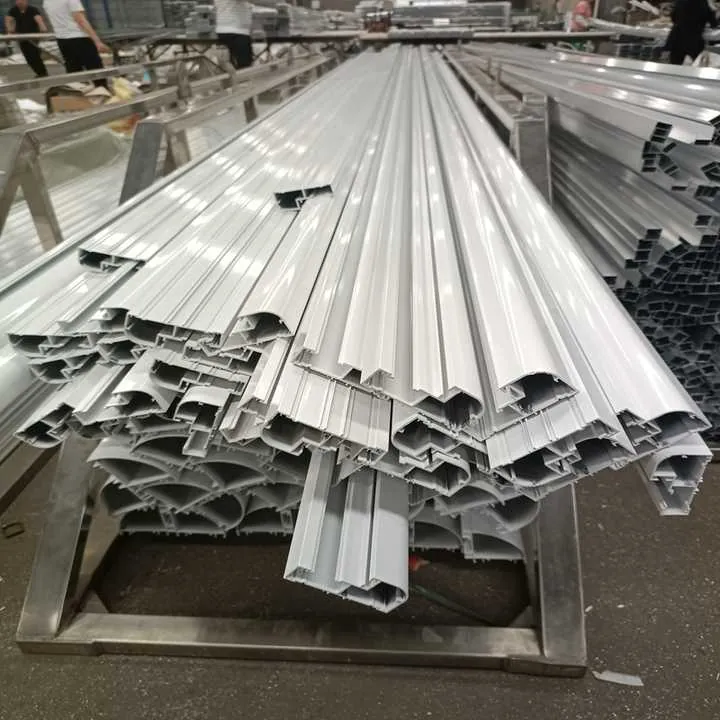
التوصيل الحراري لا يتعلق فقط بالمواد، بل إن شكل البثق يتحكم في مدى سرعة انتقال الحرارة ومدى تساويها.
تتيح الملامح ذات المساحة السطحية الكبيرة أو الزعانف الرقيقة أو القنوات الداخلية تبديدًا أفضل للحرارة عن طريق زيادة تدفق الهواء ومنطقة التلامس.
كيف يؤثر الشكل على الأداء الحراري
- زعانف رقيقة زيادة مساحة السطح والسماح بحركة الهواء.
- غرف مجوفة المساعدة في تدفق السوائل والتوزيع المتساوي للحرارة.
- قواعد مسطحة عريضة توزيع الحرارة عبر الأجهزة.
- سمك جدار متناسق يمنع البقع الساخنة أو التدفق غير المتساوي.

على سبيل المثال، فإن القضيب المربع الصلب من 6061 يوصل الحرارة بشكل أسوأ من المشتت الحراري بزعانف 6063 تحت الهواء القسري، على الرغم من الكتلة المماثلة. لماذا؟ لأن الزعانف تسرّع الحمل الحراري.
نصيحة تصميم:
استخدم تصميمات متناظرة مع مسارات تدفق هواء ومسافات كافية بين الزعانف. في حالة استخدام التبريد بالسوائل، يمكن للقنوات الداخلية مضاعفة الأداء.
يؤثر تصميم المظهر الجانبي على تبديد الحرارة حتى لو كانت المادة هي نفسها.صحيح
تعمل التصميمات ذات الزعانف أو المجوفة على زيادة القدرة على نقل الحرارة إلى الهواء أو السوائل، مما يحسن الأداء حتى بدون تغيير السبيكة.
هل الاختبارات موحدة بين موردي البثق؟
لا يقوم جميع موردي البثق باختبار التوصيل الحراري، خاصةً عند استخدام الأجزاء للأغراض الهيكلية العامة.
اختبار الموصلية الحرارية ليس موحدًا تمامًا بين الموردين. ويعتمد الكثير منهم على بيانات السبائك المنشورة أو طلبات الاختبار الخاصة بالعميل.
يستخدم معظم المنتجين أوراق بيانات السبيكة ويضمنون الكيمياء السليمة من خلال الاعتماد، ولكن:
- عدد قليل من اختبار التوصيل الحراري لكل دفعة
- بعض اختبار المقاومة الحرارية على المنتجات النهائية
- يجب على العملاء الذين يطلبون أجزاء حرارية تحديد شروط الاختبار
لا توجد معايير ASTM أو ISO معمول بها عالميًا للاختبار الحراري للمقاطع الجانبية المبثوقة، على الرغم من وجود طرق مثل ASTM E1952 أو آيزو 22007 تُستخدم في تطبيقات البحث والتطوير أو التطبيقات عالية الأداء.
متى يلزم إجراء الاختبار؟
- المشتتات الحرارية LED
- الملامح الهيكلية المبردة بالسوائل
- أغطية بطاريات السيارات
- زعانف لفائف لفائف التدفئة والتهوية وتكييف الهواء
إذا كان البثق الخاص بك يجب أن ينقل الحرارة بشكل موثوق، اطلب اختبار عينة أو محاكاة تحت الحمل.
تُختبر الموصلية الحرارية بشكل روتيني في جميع عمليات بثق الألومنيوم.خطأ
ما لم يحدد العميل ذلك، يعتمد معظم الموردين على قيم السبيكة المعروفة دون اختبار كل دفعة.
يجب على العملاء ذوي المتطلبات الحرارية طلب تقارير اختبار أو محاكاة محددة من المورد.صحيح
لا يتم اختبار جميع عمليات البثق من حيث التوصيلية، لذا تحتاج التطبيقات الحرجة حراريًا إلى مزيد من التحقق من الصحة.
هل يمكن أن تقلل المعالجات السطحية من مستويات التوصيلية؟
يمكن أن يظل أداء السبيكة الجيدة وذات الشكل الرائع دون المستوى - إذا كان السطح يحبس الحرارة.
نعم، يقلل الطلاء مثل الطلاء بأكسيد الألومنيوم أو الطلاء أو طلاء المسحوق من التوصيل الحراري على السطح. كلما كان الطلاء أكثر سمكًا، زادت مقاومة الحرارة.
يحتوي الألومنيوم المؤكسد على طبقة ألومينا صلبة (Al₂O₃) ذات موصلية منخفضة تصل إلى 25-30 واط/متر كلفن. قارن ذلك بالألومنيوم ~حوالي 200+ واط/م-ك. وبينما يحمي الطلاء بأكسيد الألومنيوم من التآكل والتآكل، فإنه يعزل حرارياً.
تأثير المعالجة السطحية على التدفق الحراري
| معالجة السطح | التأثير الحراري |
|---|---|
| لا يوجد (ألومنيوم مكشوف) | أفضل توصيل |
| أنودة رقيقة | تخفيض طفيف |
| طلاء بأكسيد سميك | تخفيض معتدل |
| طلاء المسحوق | تخفيض كبير |
| الأسطح المطلية | تأثير متوسط إلى مرتفع |
بالنسبة للأجزاء غير الحرجة، لا بأس بالأنودة. ولكن بالنسبة للأجهزة كثيفة الحرارة (مثل ألواح تبريد LED)، فإن الأسطح الخام أو ذات الطلاء الخفيف تعمل بشكل أفضل.
غالبًا ما يحقق المصممون توازنًا: أنودة المناطق غير الملامسة للحرارة فقط أو استخدام طلاءات سطحية موصلة مثل الأكسيد الأسود مع انبعاثية أفضل.
يزيد طلاء الألومنيوم بأكسيد الألومنيوم من مقاومة التآكل ولكنه يقلل من التوصيل الحراري للسطح.صحيح
الطبقة المؤكسدة هي عبارة عن سيراميك ذو موصلية أقل من الألومنيوم العاري، وتعمل كعازل.
يعمل طلاء المسحوق على تحسين التوصيل الحراري لسحب الألومنيوم.خطأ
يضيف طلاء المسحوق طبقة بوليمر سميكة تقاوم تدفق الحرارة، مما يقلل من التوصيل الفعال للسطح.
الخاتمة
عند تصميم بثق الألومنيوم الوظيفي حراريًا، اختر سبيكة عالية التوصيل مثل 6063 أو 3003، وقم بتشكيلها من أجل تدفق الهواء، وتجنب الطلاء السميك، واطلب إجراء اختبار عندما يكون نقل الحرارة مهمًا. حتى أفضل المعادن تفشل إذا كانت المعالجات السطحية أو الهندسة تخنق حركة الحرارة. مع التصميم المناسب والسبائك المناسبة، يمكن للبثق تبديد الحرارة بكفاءة وموثوقية في الإلكترونيات والإضاءة والمركبات الكهربائية وغيرها.